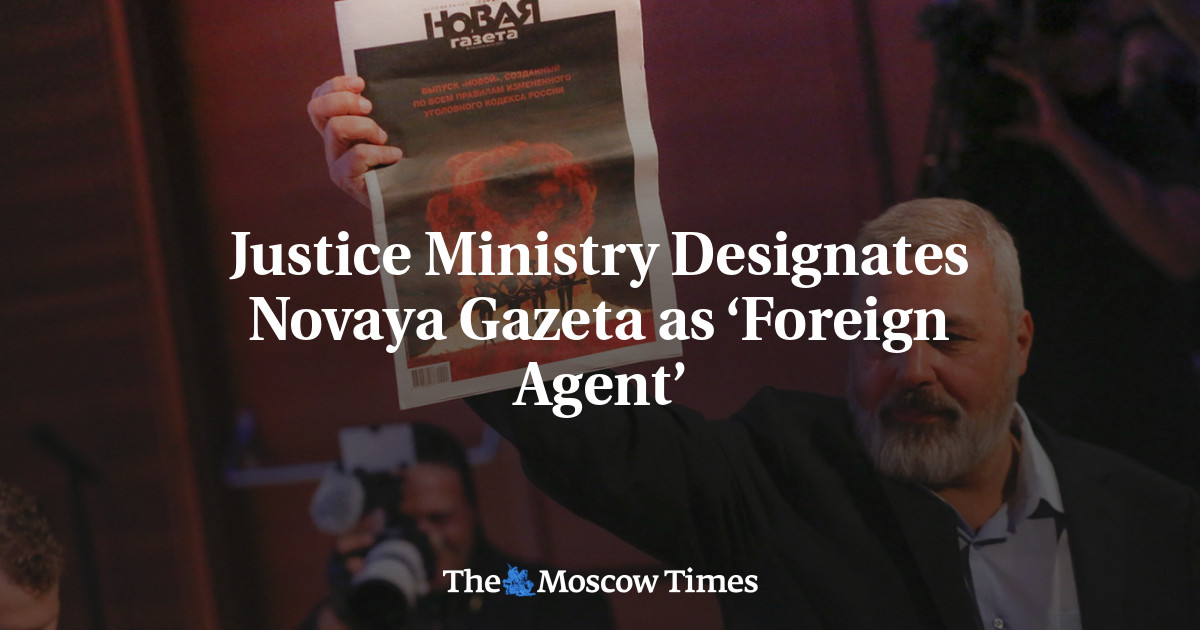
The designation of “foreign agent” is used by the Russian government to label individuals and organizations that receive foreign support or are (more nebulously) deemed to be under “foreign influence.” Those so designated are subject to extensive reporting and labeling requirements, restrictions on employment, education, political participation, and public activities, and face significant legal, financial, and social penalties that often make it difficult to continue living and working in the country. A sort of attempted social and political death sentence, the designation has become a powerful tool for suppressing independent journalism, civil society, and cultural figures, imposing onerous legal requirements and social stigma on those who receive it.
Such a designation constitutes one of our era’s most respectable distinctions. And it is an honor that belongs to the Dar Prize, a literary award which just last month celebrated its sophomore class and is currently accepting entries for its third outing. In practical terms, the Dar Prize seeks to award excellent writing in the Russian language, regardless of the writer’s citizenship or nationality. More importantly perhaps, the prize offers the winners translation into English, German, and French—the languages of the international book market—and hence access to a global audience.