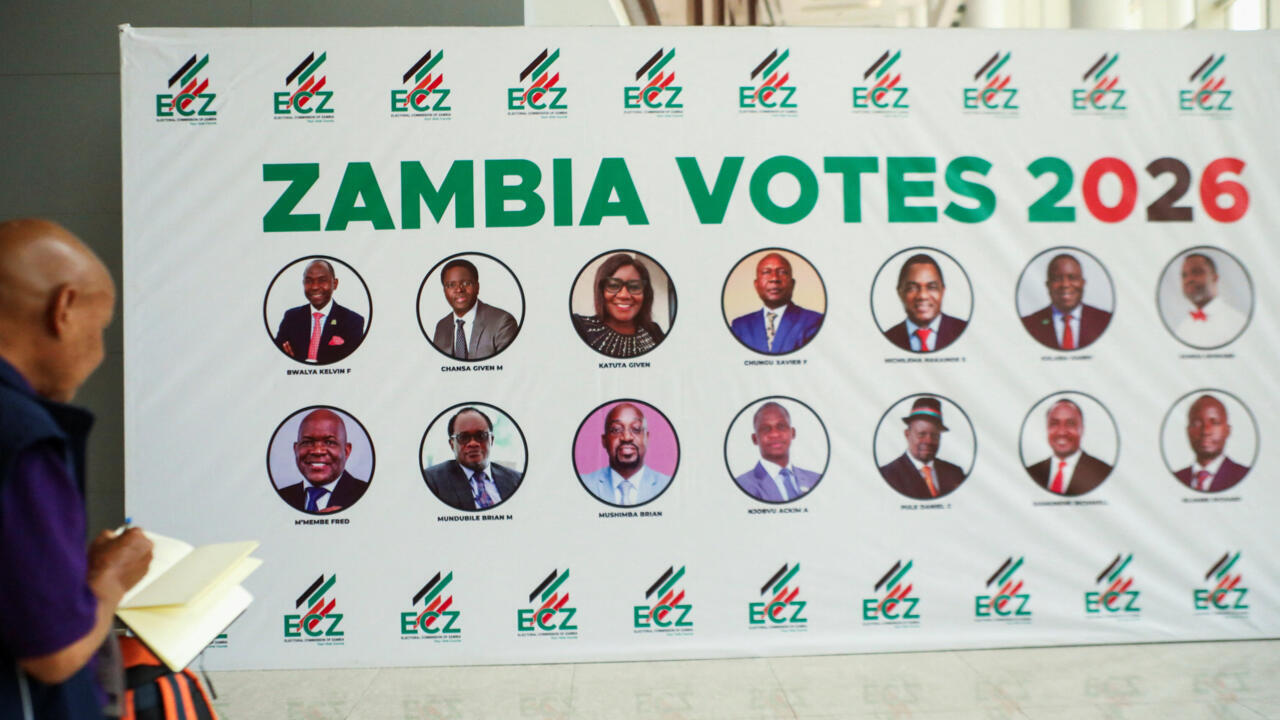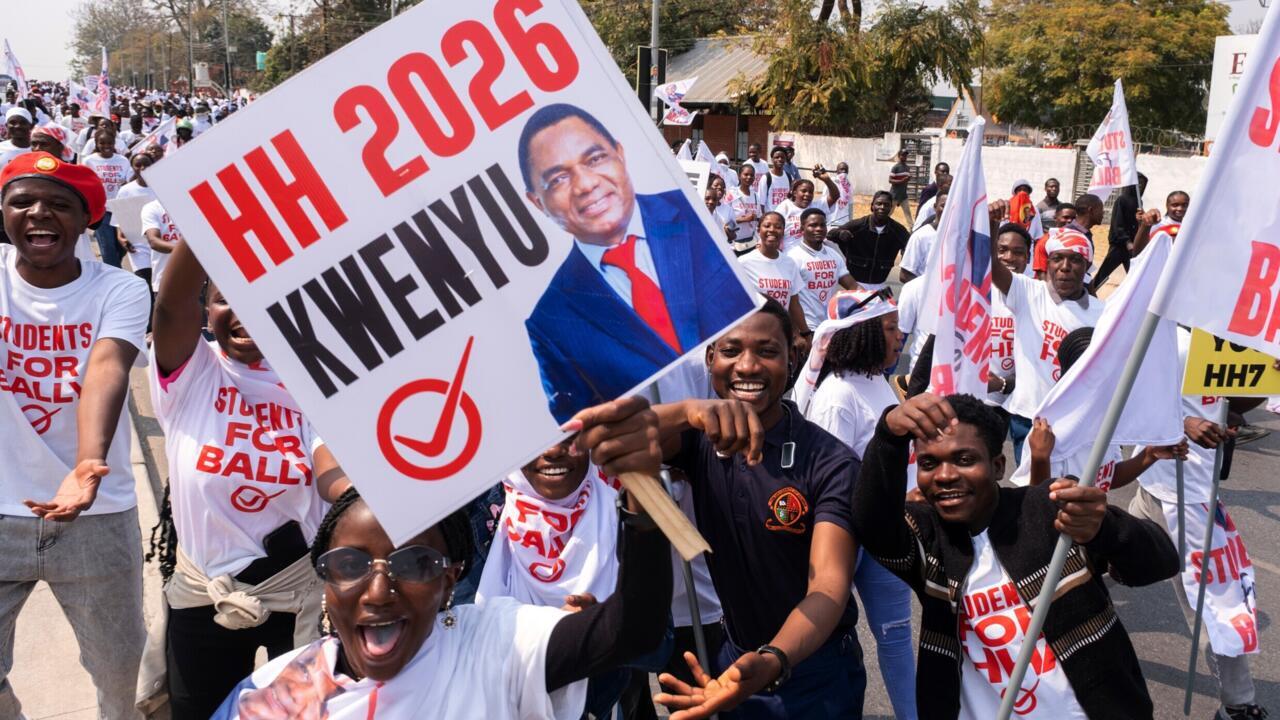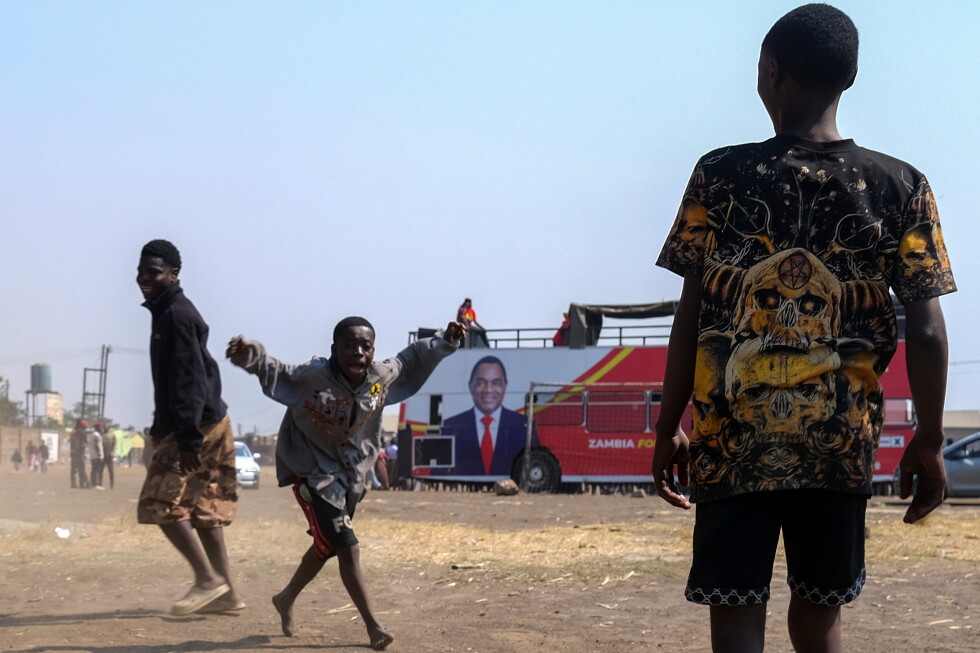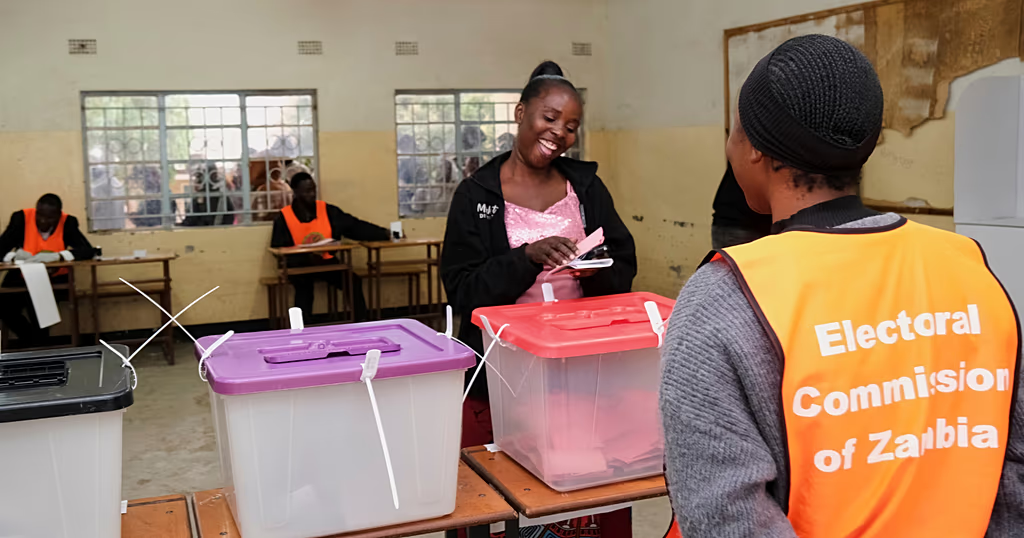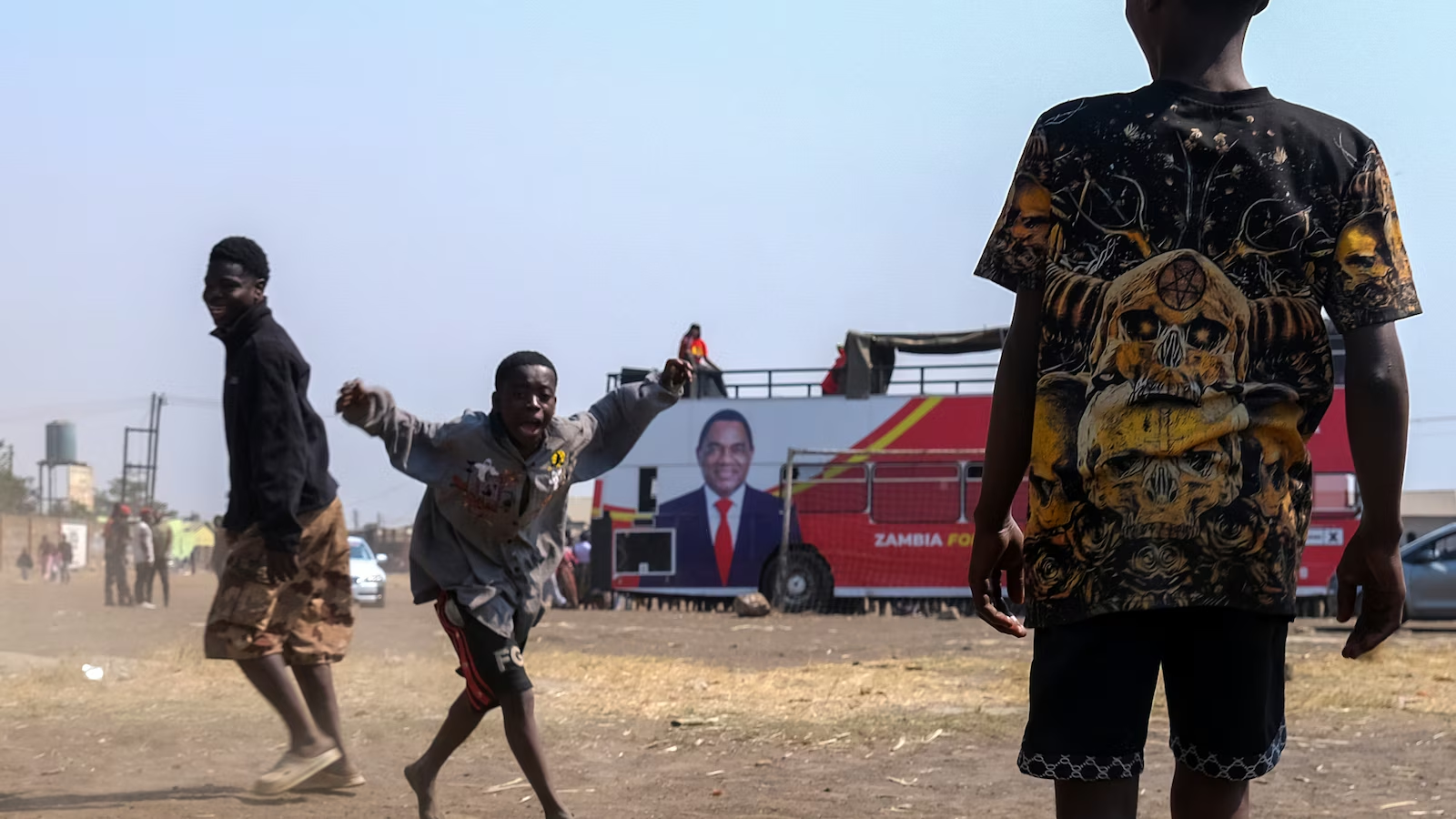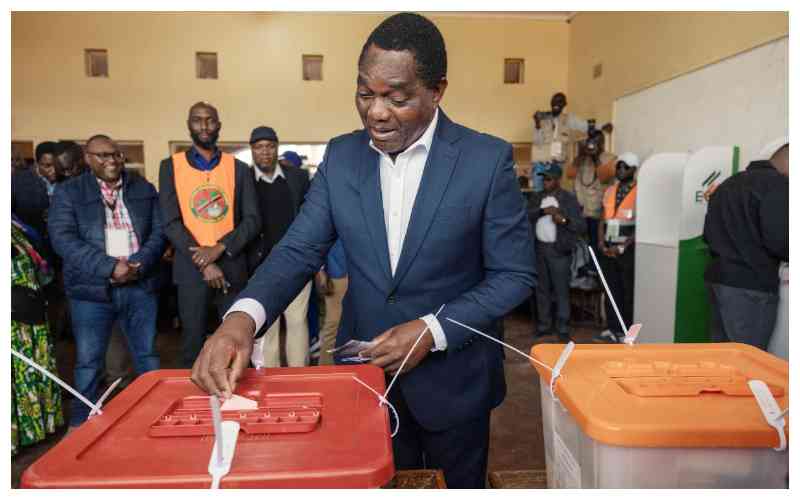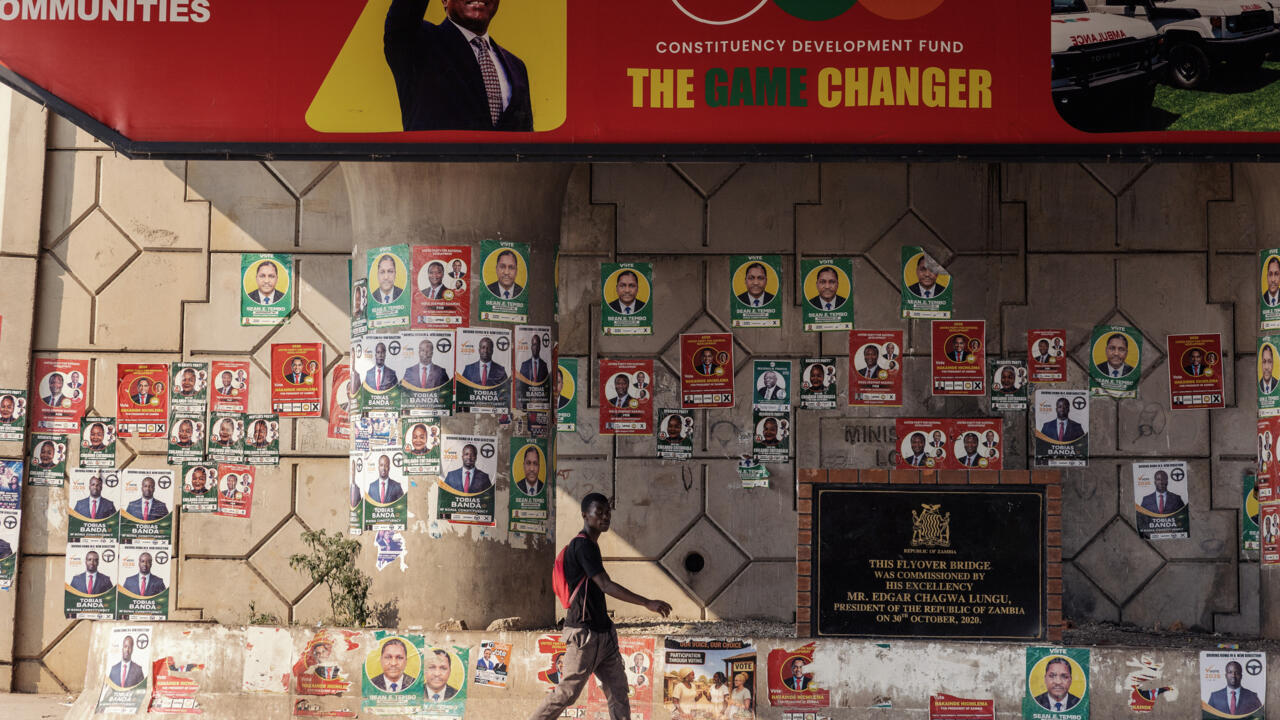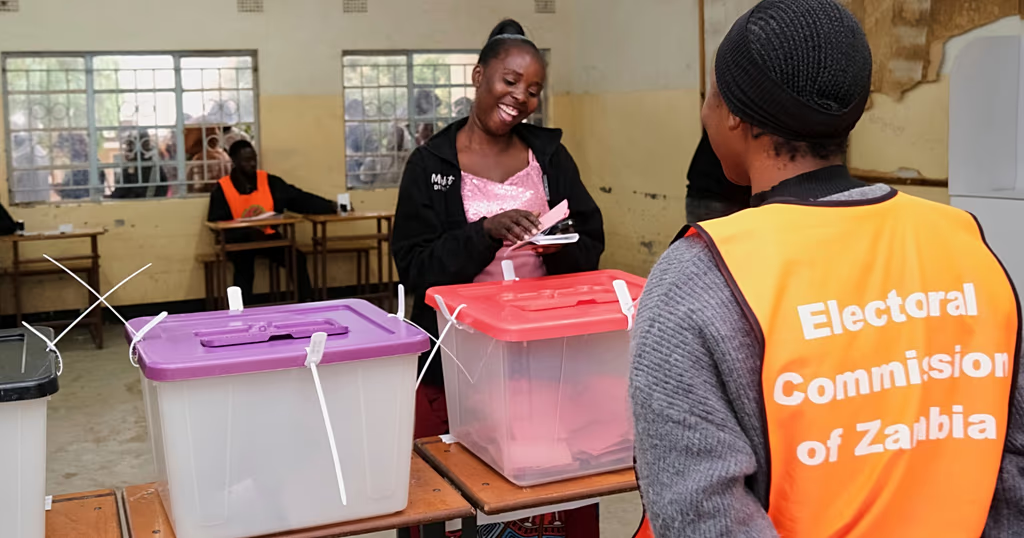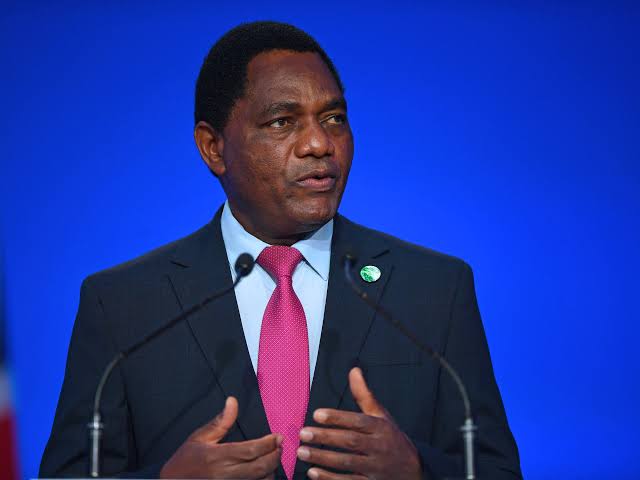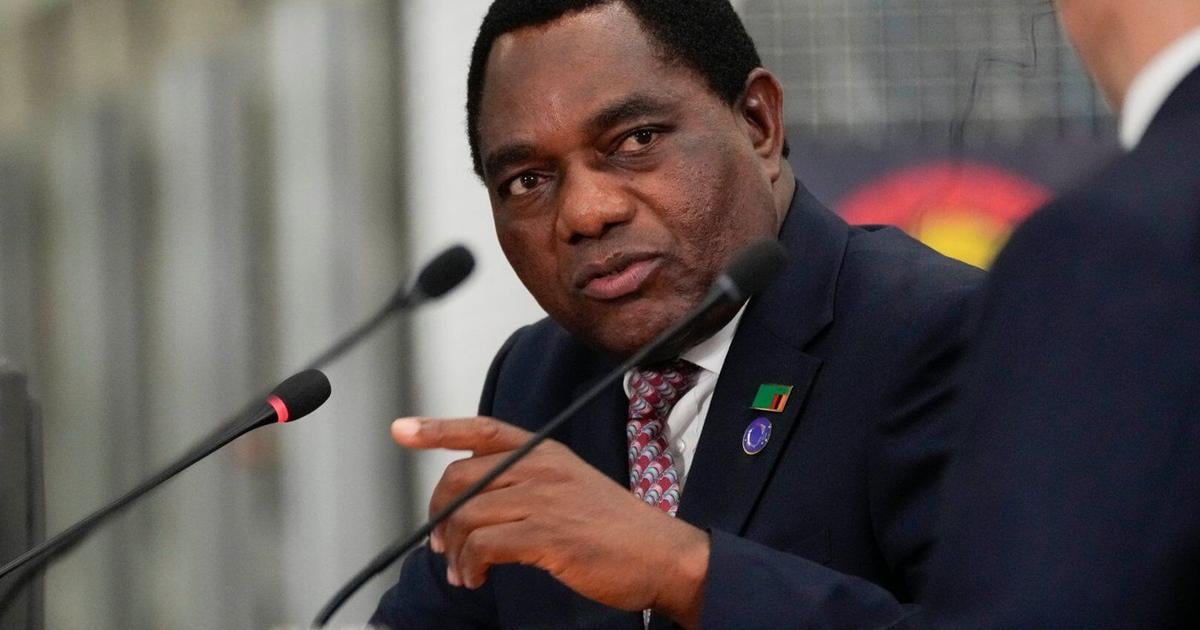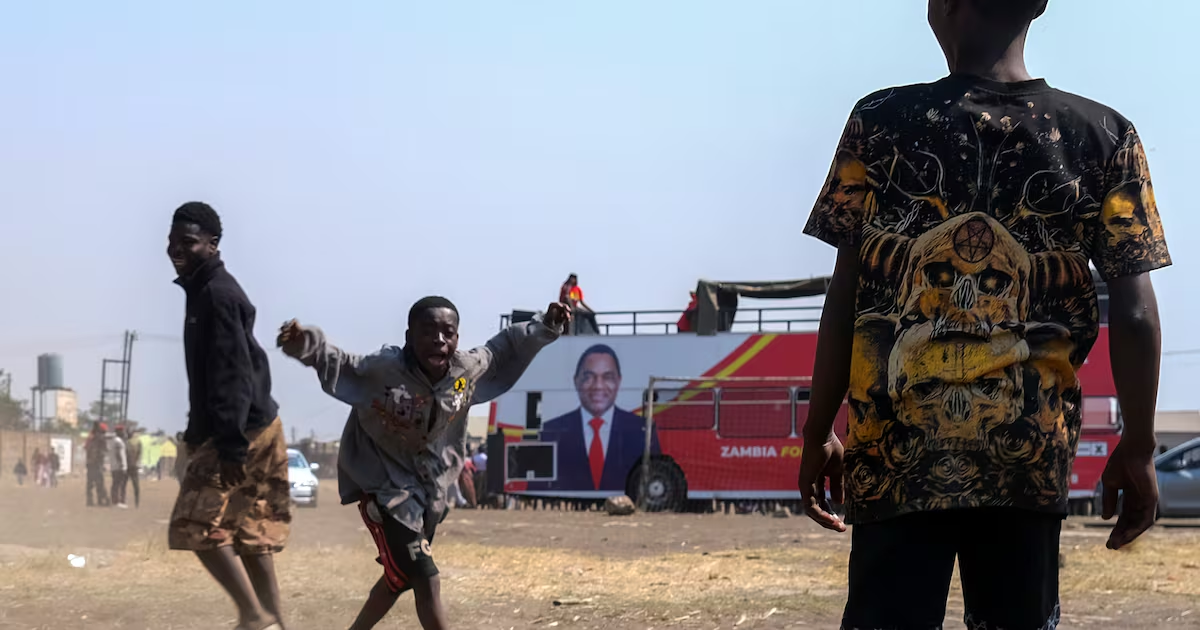
Zambia are voting in a general election on Thursday which will decide whether President Hakainde Hichilema returns for a second term, after steering the country out of a debt crisis.
Issued on: 13/08/2026 - 11:01Modified: 13/08/2026 - 11:01
3 min Reading time
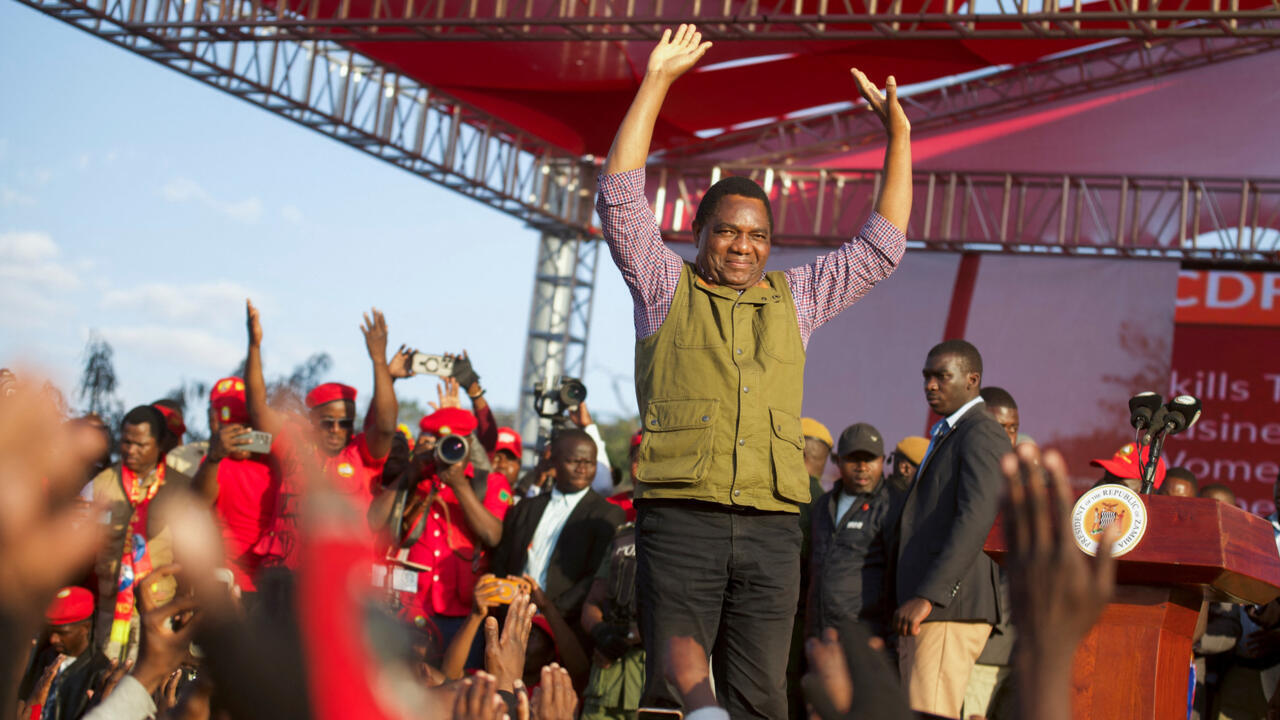
Thirteen other candidates are challenging Hichilema for the presidency, with opponents claiming his economic reforms have failed to reduce the cost of living for ordinary people and accusing him of reducing the space for dissent. Former businessman Hichilema was elected to the head of the United Party for National Development (UPND) in 2021, the year after Zambia defaulted on its sovereign debt repayments during the Covid-19 pandemic. His government launched a debt restructuring process that saw ratings agencies officially lift Zambia's default status in November 2025, drawing back international investors – notably China. Both Zambia's stock market and its currency were among the best performing in the world last year, while its economy is forecast to grow 5 percent in 2026 and more than 6 percent in 2027. Much of the rebound is thanks to copper, a critical mineral of which Zambia possesses substantial reserves. Hichilema has set a target of more than tripling output to 3 million tonnes a year by 2031, which would put the country among the world's top three producers. While inflation has fallen from more than 24 percent ahead of the last election to just 6.5 percent as of June, the UPND's critics say economic progress hasn't benefitted most people. In a country where the World Bank says more than 70 percent of the population lives on less than $3 a day, prices of food, electricity and other essentials remain high. Zambia pushes back against US demands tied to health and minerals deal Main challenger Hichilema's main opponent is Brian Mundubile, leader of an opposition grouping called the Tonse Alliance. A first-time candidate, he was a close ally of former president Edgar Lungu, Hichilema's predecessor and longtime rival. Lungu's death last June prompted the opposition to fracture, eventually rallying around former minister Mundubile only a few months before the vote. Despite being a new entry on the political landscape, his opposition alliance has managed to attract large crowds to its campaign rallies, targeting young people, women and rural voters frustrated with unemployment and the high cost of living. "Ultimately, the election will hinge on whether voters believe continuity offers the best chance of consolidating recent economic reforms, or whether they conclude that change is needed to address immediate economic pressures," Zenge Simakoloyi, a researcher with South African think tank the Institute for Security Studies, told French news agency AFP.