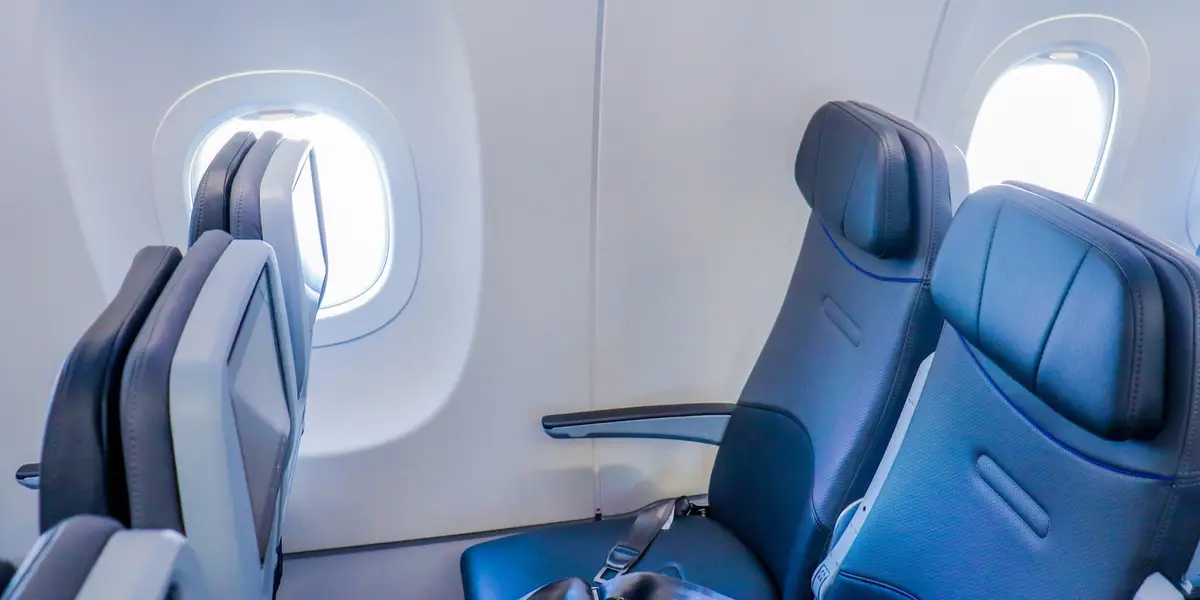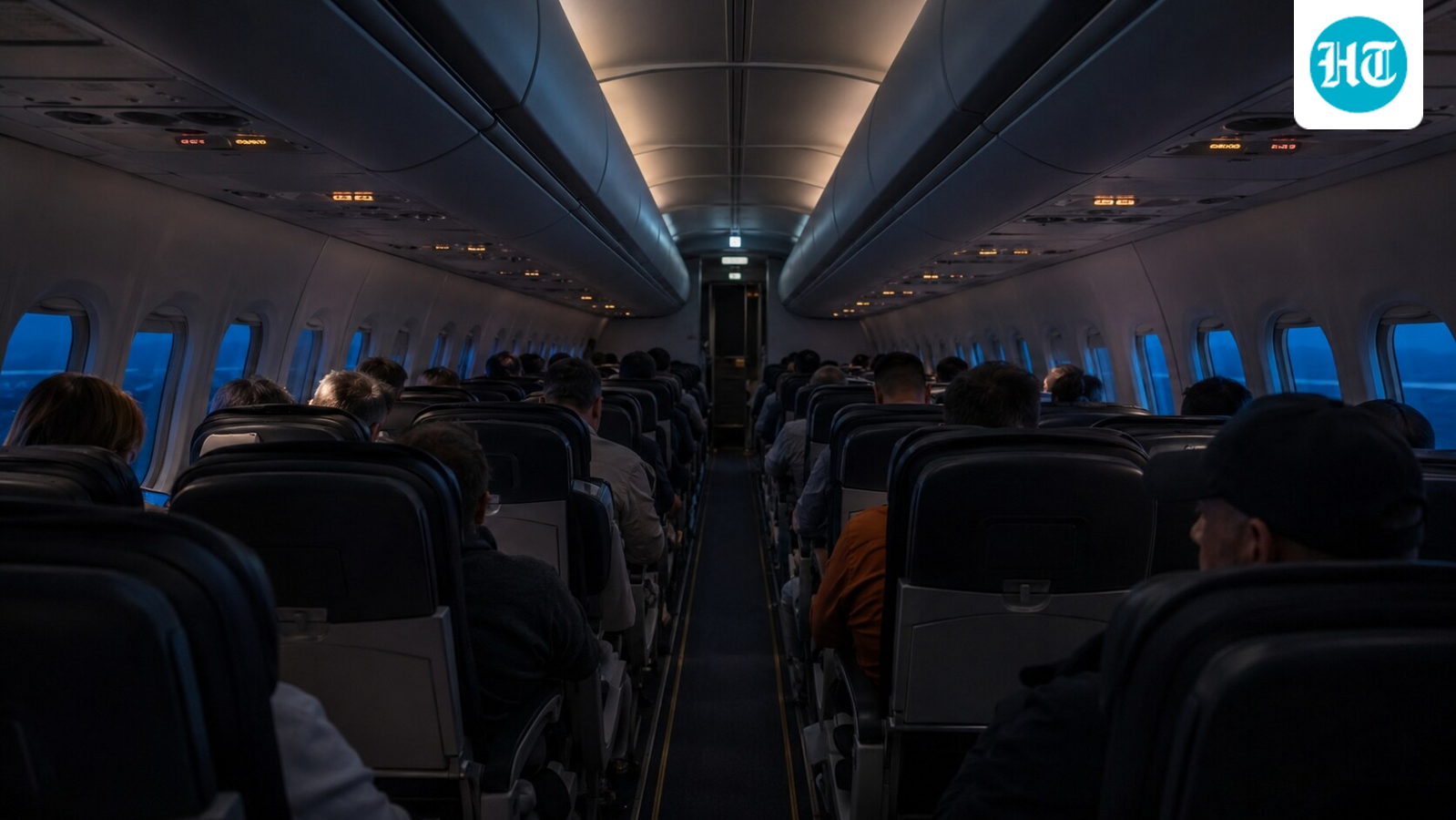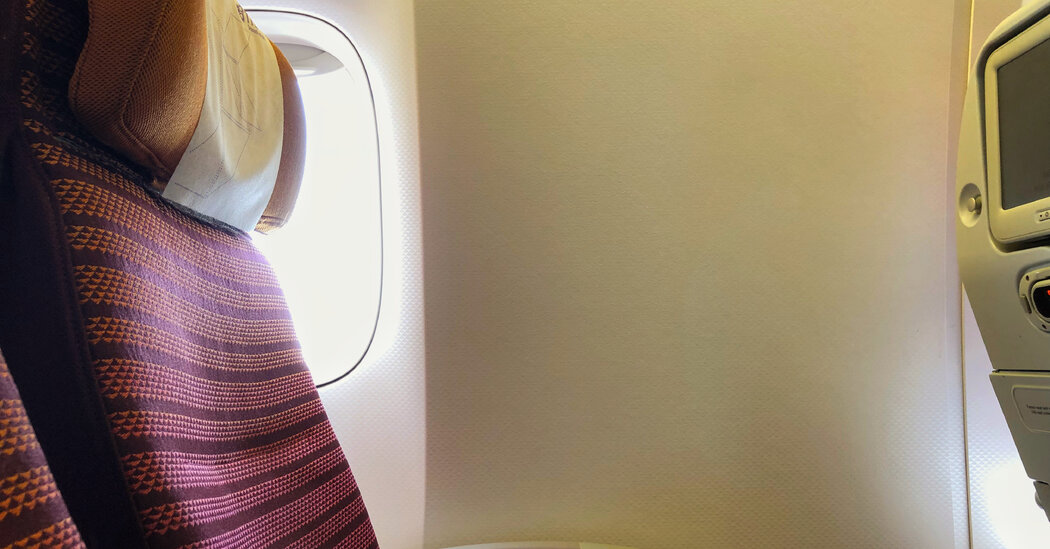
Find out why aircraft have round windows. (Representative image by Google Gemini) Aircraft windows are designed with rounded edges. Find out the reason behind this design choice. We are so used to travelling in airplanes that certain unique features inside an aircraft rarely surprise us. Take, for instance, the windows inside a plane. Generally, we see square and rectangular windows in most buildings and vehicles, but why do airplanes and jetcrafts always have round windows?Also Read | Everyday explained: Why do elevators almost always have mirrors? Know the real reasonWhy do airplanes have round windows?How strange would it be if you walked down the aisle of an airplane and buckled up next to a square window? It is not just a design choice; moreover, the rounded window edges are one of the crucial safety features of an aircraft. It is even more necessary than your seatbelt and life jacket, which are tucked underneath your seat.Commercial aircraft fly at altitudes over 30,000 feet (approximately 9,144 metres); for reference, Mount Everest has an elevation of 8,848 metres. At this height, the air pressure is very low and can lead to many complications, including the health of the passengers.Therapist says airplane anxiety isn’t in your mind, it’s in your body. (Freepik)To maintain a steady cabin air pressure and prevent compromising passengers' health, the pilots turn a knob. However, as the aircraft climbs, the pressure inside the cabin becomes much higher than the outside pressure. While the metal body of an aircraft can withstand this pressure, the windows pose a problem, as stress tends to concentrate at the edges.Therefore, instead of sharp corners that might crack easily, rounded corners were used for airplane windows. With rounded edges, the outside air pressure is evenly distributed across the pane, making the window virtually shatterproof.The purpose and functionCircular shapes are stronger and more resistant to deformation. This makes them withstand repeated pressure differences between the inside and outside of the aircraft.Moreover, in an aircraft, there are multiple layers of acrylic (not glass) between you and the outside of the aircraft. Those layers offer additional protection against weather events such as rain, wind, and fog. The de Havilland Comet aircraft with square windows.Meanwhile, you may have also noticed a tiny hole at the bottom. They're called ‘bleed holes’, and they add another layer of protection. They help keep the air pressure onboard relatively constant by allowing air to pass through the various window layers.Windows weren't always roundHowever, airplane windows weren't always round. The first commercial plane, the de Havilland Comet, was built with square windows. Two years later, in 1954, a flight carrying 26 passengers and nine crew members crashed shortly after taking off from Rome. The same thing happened with another aircraft. In both instances, it was the windows that ripped the fuselage mid-air.Reportedly, at that time, engineers determined that the sharp edges of the planes' squared windows created natural weak spots, causing "metal fatigue failure." These corners were easily stressed and further weakened by high-altitude air pressure.In the 50s, de Havilland Comet flights flew faster and higher, which meant that after multiple flights and repeated pressurisation, the square windows eventually broke apart under pressure.Krishna Priya Pallavi is a journalist with over 9 years of experience, covering health, fashion, pop culture, travel, wellness, entertainment, festivals, mental health, art, decor, fitness, and sex and relationships. She is an alumna of the Indian Institute of Mass Communication (IIMC), Dhenkanal, and holds an undergraduate degree in Journalism and Mass Communication from Guru Gobind Singh Indraprastha University, Delhi. Her strong academic foundation informs her analytical and detail-oriented approach to storytelling, helping her uncover stories where none seem to exist.
Everyday explained: Why do airplane windows have rounded edges?
Aircraft windows are designed with rounded edges. Find out the reason behind this design choice.
808 words~4 min read