America’s aluminum sector is growing again after years of decline, spurred by tariffs and a push to revive domestic manufacturing. But the voracious power needs of aluminum smelters and communities’ concerns about pollution still pose major hurdles to scaling up production.
Globally, a deficit in aluminum supply is expected to worsen this year following damage to major Middle Eastern smelters and disruptions in the Strait of Hormuz amid the ongoing U.S.-Iran conflict. At the same time, soaring U.S. power consumption is boosting demand for the versatile metal, as the makers of transformers, cables, and other electrical equipment race to build out the grid.
“There is very little cushion left anywhere in the system,” Jesse Gary, president and CEO of Century Aluminum, said on an earnings call last week. “In a market with no slack, the value of secure domestic units goes up.”
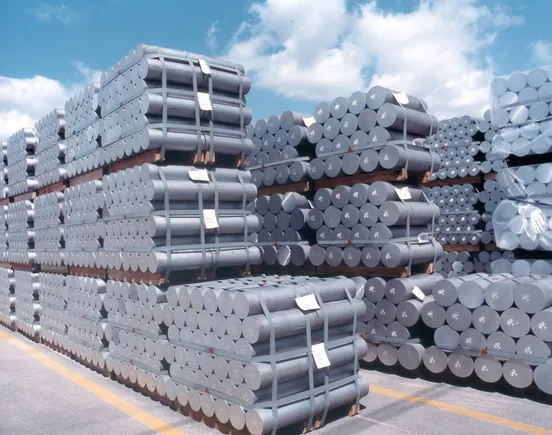
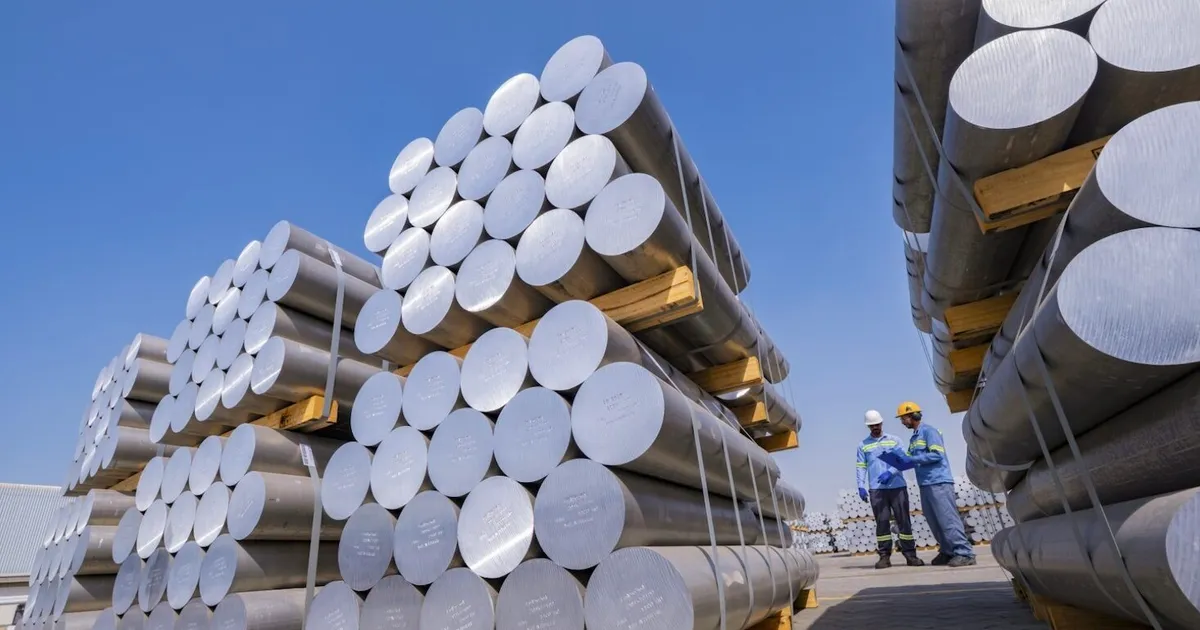
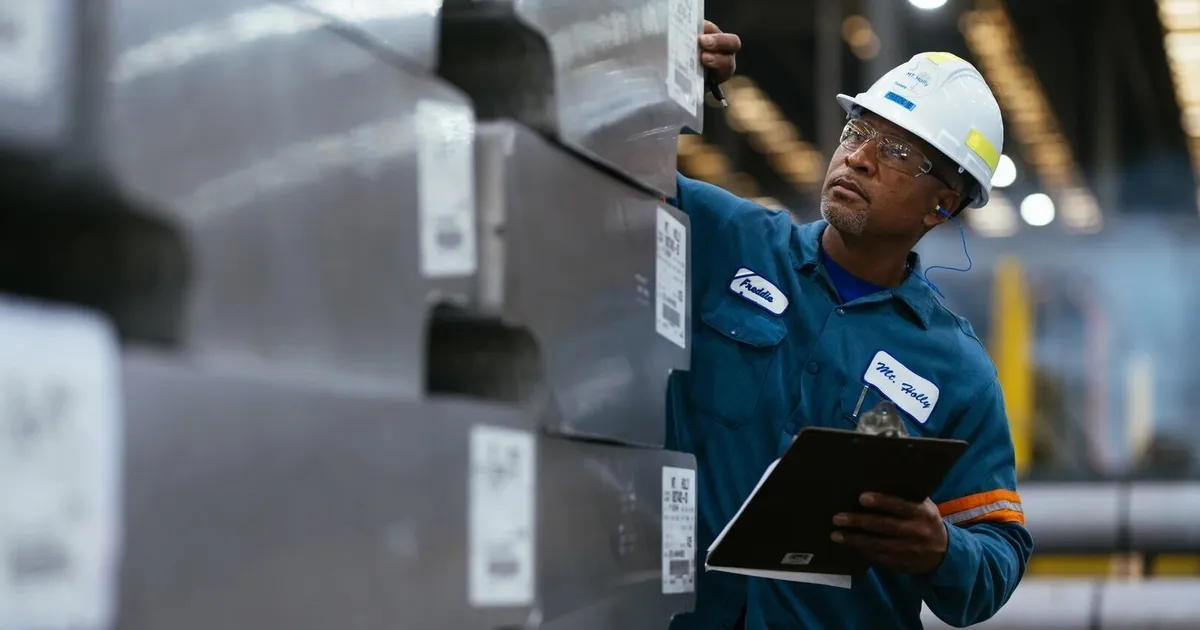
Chicago-based Century recently marked the return to full operations at its Mount Holly aluminum plant in South Carolina — one of only four remaining U.S. smelters. The facility has begun churning out another 50,000 metric tons of virgin, or primary, aluminum, raising total U.S. production by nearly 10%.
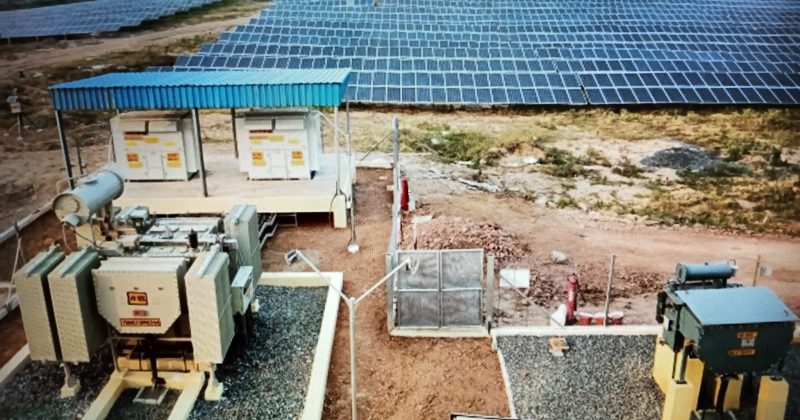
Mount Holly is, at the ripe age of 46, the country’s youngest smelter. In 2015, Century partially idled the plant because of high electricity costs — a persistent problem faced by virtually all smelters, which require hundreds of megawatts of continuous power to convert raw materials into metal. Last fall, Century reached a new long-term power agreement for its Mount Holly plant with the utility Santee Cooper. (Over half the utility’s power supply comes from coal-fired power plants, and about a quarter comes from natural gas and oil.)