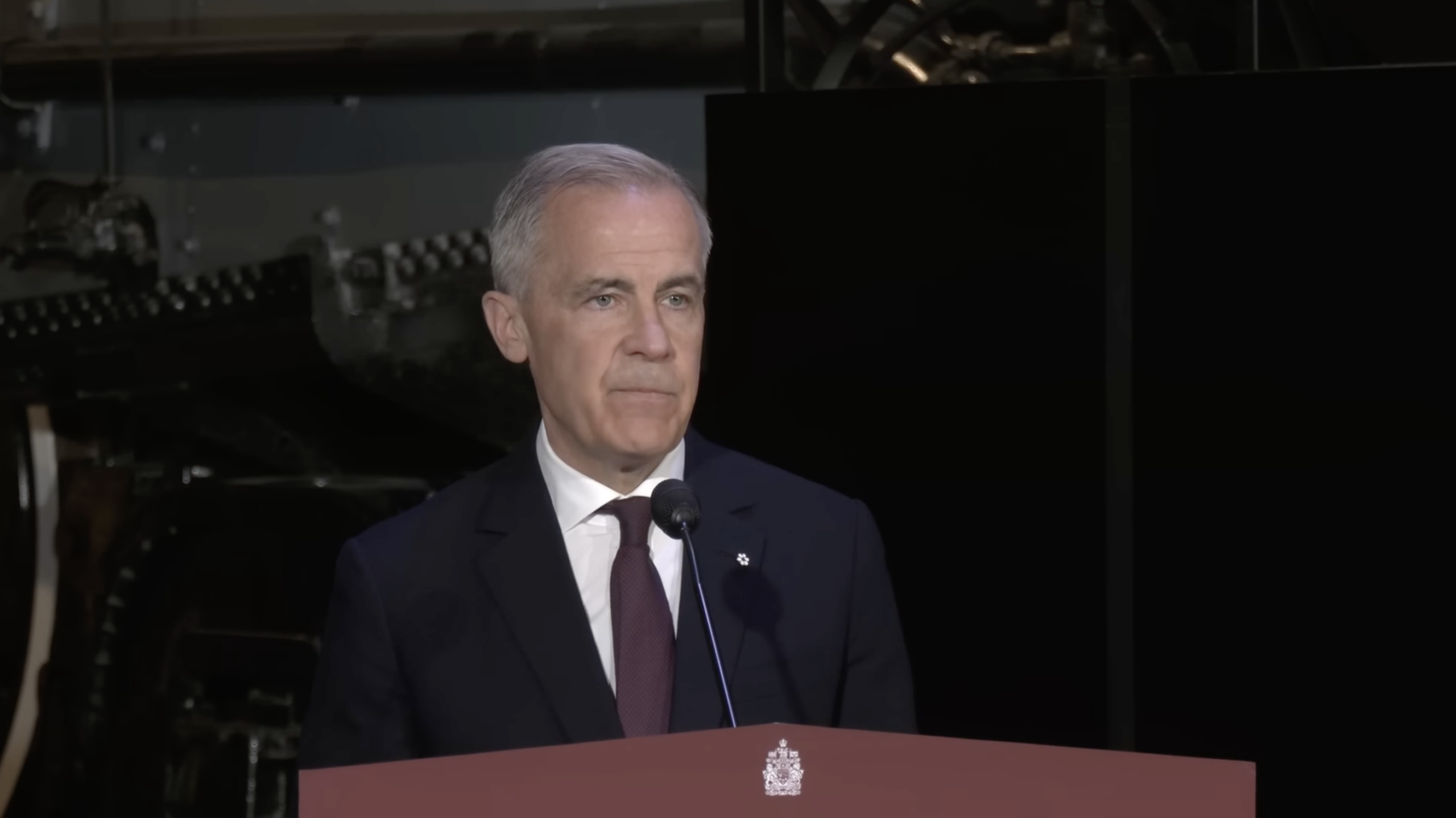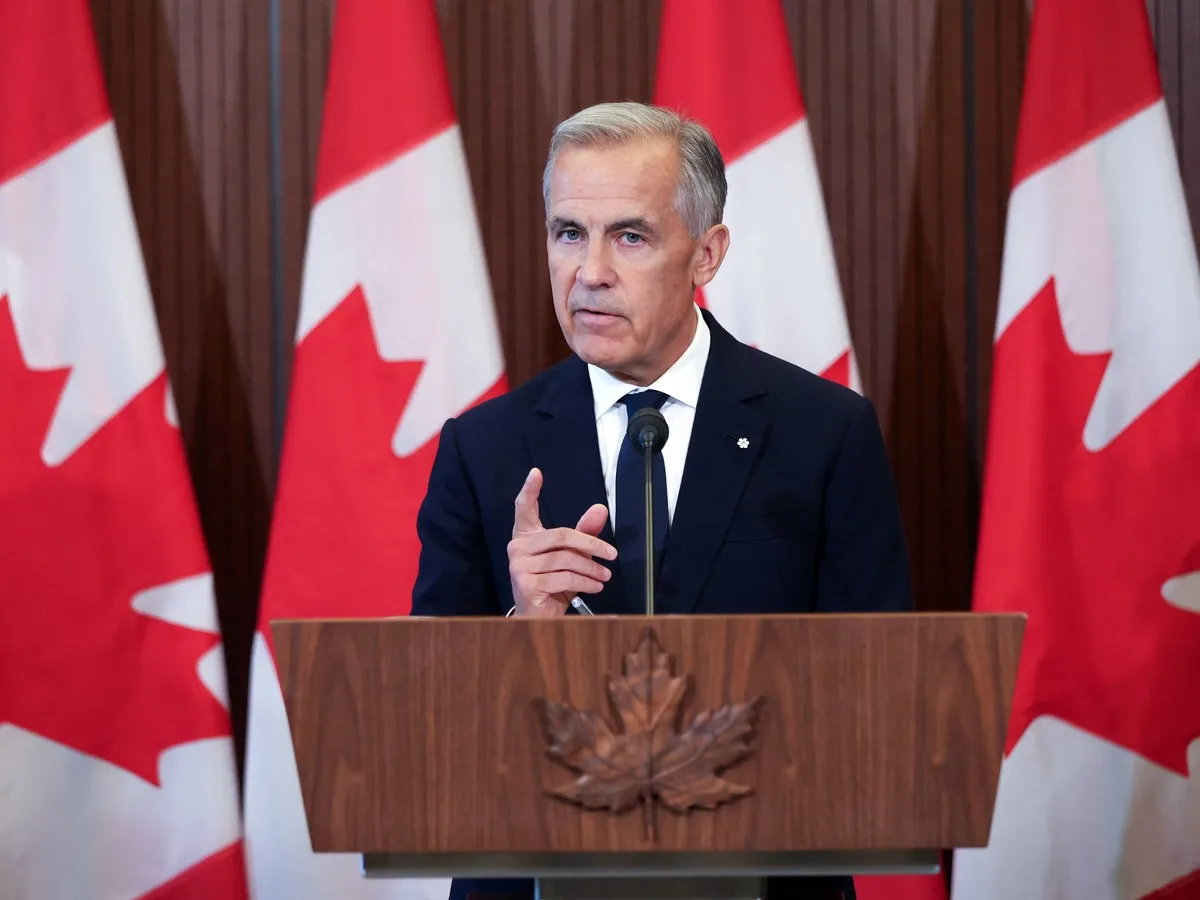
Skip to Content Subscribe Our Offers My Account Manage My Subscriptions FAQ Newsletters Canada Canadian True Crime Canadian Politics Health World Israel & Middle East Financial Post NP Comment Longreads Puzzmo Diversions Comics NP News Quiz New York Times Crossword Horoscopes Life Eating & Drinking Style Sponsored Play for Ontario Travel Travel Canada Travel USA Travel International Cruises Travel Essentials Culture Books Celebrity Movies Music Theatre Television Business Essentials Advice Lives Told Tails Told Shopping Buy Canadian Home Living Outdoor Living Kitchen & Dining Tech Style & Beauty Personal Care Entertainment & Hobbies Gift Guide Travel Guide Amazon Prime Day Deals Savings National Post Store More Sports Hockey Baseball Basketball Football Soccer Golf Tennis Driving Vehicle Research Reviews News Gear Guide Obituaries Place an Obituary Place an In Memoriam Classifieds Place an Ad Celebrations Working Business Ads Archives Healthing Epaper Manage Print Subscription Profile Settings My Subscriptions Saved Articles My Offers Newsletters Customer Service FAQ Newsletters Canada World Financial Post NP Comment Longreads Puzzmo Diversions Life Shopping Epaper Manage Print Subscription HomeNewsCanadaCarney's 'Canada Strong Fund' likely to follow path of failing U.K. fund he helped create, think tank saysThe study reports that the National Wealth Fund's losses have nearly doubled since its 2024 rebrandingLast updated 0 minutes ago You can save this article by registering for free here. Or sign-in if you have an account.Prime Minister Mark Carney in Evian, eastern France, on June 17, 2026. Photo by LUDOVIC MARIN/AFP via Getty ImagesOTTAWA — Prime Minister Mark Carney’s new sovereign wealth fund is likely to follow in the footsteps of a troubled British fund he had a hand in making, says a new report.Enjoy the latest local, national and international news.Exclusive articles by Conrad Black, Barbara Kay and others. Plus, special edition NP Platformed and First Reading newsletters and virtual events.Unlimited online access to National Post.National Post ePaper, an electronic replica of the print edition to view on any device, share and comment on.Daily puzzles including the New York Times Crossword.Support local journalism.Enjoy the latest local, national and international news.Exclusive articles by Conrad Black, Barbara Kay and others. Plus, special edition NP Platformed and First Reading newsletters and virtual events.Unlimited online access to National Post.National Post ePaper, an electronic replica of the print edition to view on any device, share and comment on.Daily puzzles including the New York Times Crossword.Support local journalism.Create an account or sign in to continue with your reading experience.Access articles from across Canada with one account.Share your thoughts and join the conversation in the comments.Enjoy additional articles per month.Get email updates from your favourite authors.Create an account or sign in to continue with your reading experience.Access articles from across Canada with one accountShare your thoughts and join the conversation in the commentsEnjoy additional articles per monthGet email updates from your favourite authorsSign In or Create an AccountorThe report, released Thursday by think tank the Montreal Economic Institute (MEI), notes that Carney’s Canada Strong Fund echoes the United Kingdom’s National Wealth Fund, and argues that the resemblance should be a red flag for the Canadian prime minister and former Bank of England governor.“Two years before selling this model to Canadians, Mark Carney recommended it to the British, who implemented it,” says Bryan Cheang, the study’s author.Get a dash of perspective along with the trending news of the day in a very readable format.By signing up you consent to receive the above newsletter from Postmedia Network Inc.A welcome email is on its way. If you don't see it, please check your junk folder.The next issue of NP Posted will soon be in your inbox.We encountered an issue signing you up. Please try againCheang, a research fellow at the London School of Economics, said that the model hasn’t worked in Britain so far and is unlikely to work in Canada.Carney announced, in April, the creation of Canada’s first national sovereign wealth fund, with an initial endowment of $25 billion over three years. He said at the time that the fund would give private citizens an easy way to invest in major national projects.While called a sovereign wealth fund, the Canada Strong Fund will use debt, rather than surplus revenues or resource wealth, to finance its activities.Coincidentally, Carney was formerly part of a “Green Finance” taskforce that advised Britain’s Labour government on its National Wealth Fund, a public finance institution created in 2024.The fund absorbed the former UK Infrastructure Bank, created in 2021, and was given £7.3 billion (C$13.7 billion) to invest in wealth generating projects. This includes investments in high-risk industries like green hydrogen, carbon capture and battery gigafactories.Officials said at the time that the fund would attract three pounds of private money for every one pound from the public purse.The study reports that the National Wealth Fund’s losses have nearly doubled since the 2024 rebranding, reaching £152.2 million (C$288 million) last year. It has delivered a cumulative return of minus 24.9 per cent in two years of operation. It has also fallen short of the three-to-one private-to-public funding ratio it promised Britons.Notably, the fund led a massive bailout of rural broadband provider Gigaclear earlier this year, costing taxpayers nearly £100 million (C$188 million).The fund, called the National Waste Fund in some corners of the British press, has been cited as a factor in the downfall of former chancellor of the exchequer Rachel Reeves. Reeves left the Labour government’s top economic post last month, following the installation of new U.K. Prime Minister Andy Burnham.Cheang said the National Wealth Fund was set up to fail.“This is a fund that’s used borrowed money to make investment decisions based on political priorities,” said Cheang. “This is different from how private investors spend money, which is guided by clear signals of profit and loss.”Cheang noted that, like the British fund, the new Canada Strong Fund lacks the strict guardrails of successful sovereign wealth funds like Norway’s multi-trillion-dollar oil fund. He said that, absent these restrictions, Canada’s abundant resource revenue will be largely irrelevant to the fund’s performance.“Resource revenues could mean there’s more money in the pot to support investments, but that could also increase the temptation to make bad investments if there aren’t the right safeguards in place,” said Cheang.Carney said in April that the new fund would not be a “resource wealth grab” but indicated that some resource revenues would end up in its coffers.“Where the federal government is catalyzing the (resource) project … it is fair, right, just for Canadians to have a share directly of those profits,” said Carney.A poll released last month by MEI and opinion research firm Ipsos found that nearly six in 10 Canadians don’t think the federal government should borrow $25 billion to fund the new sovereign wealth fund.National Post rmohamed@postmedia.comOur website is the place for the latest breaking news, exclusive scoops, longreads and provocative commentary. Please bookmark nationalpost.com and sign up for our daily newsletter, Posted, here. Join the Conversation This website uses cookies to personalize your content (including ads), and allows us to analyze our traffic. Read more about cookies here. By continuing to use our site, you agree to our Terms of Use and Privacy Policy.
Carney's 'Canada Strong Fund' likely to follow path of failing U.K. fund he helped create, think tank says
Carney's new sovereign wealth fund is likely to follow in the footsteps of a troubled British fund he helped create, says a new report.
1,183 words~5 min read