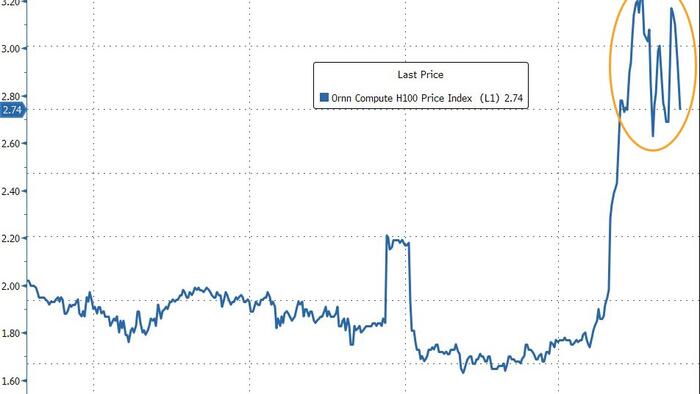
When the price of jet fuel skyrocketed at the outset of the Iran war, it scrambled the business outlook for airlines—but not all of them. It turned out carriers like Lufthansa had purchased hedging contracts that ensured that over 80% of their upcoming fuel purchases will be locked in at pre-war prices. Today, the growing mass of companies that consume huge amounts of compute—which many describe as the new oil—likely wish they had a similar option to hedge against fluctuating costs. They may soon have one.
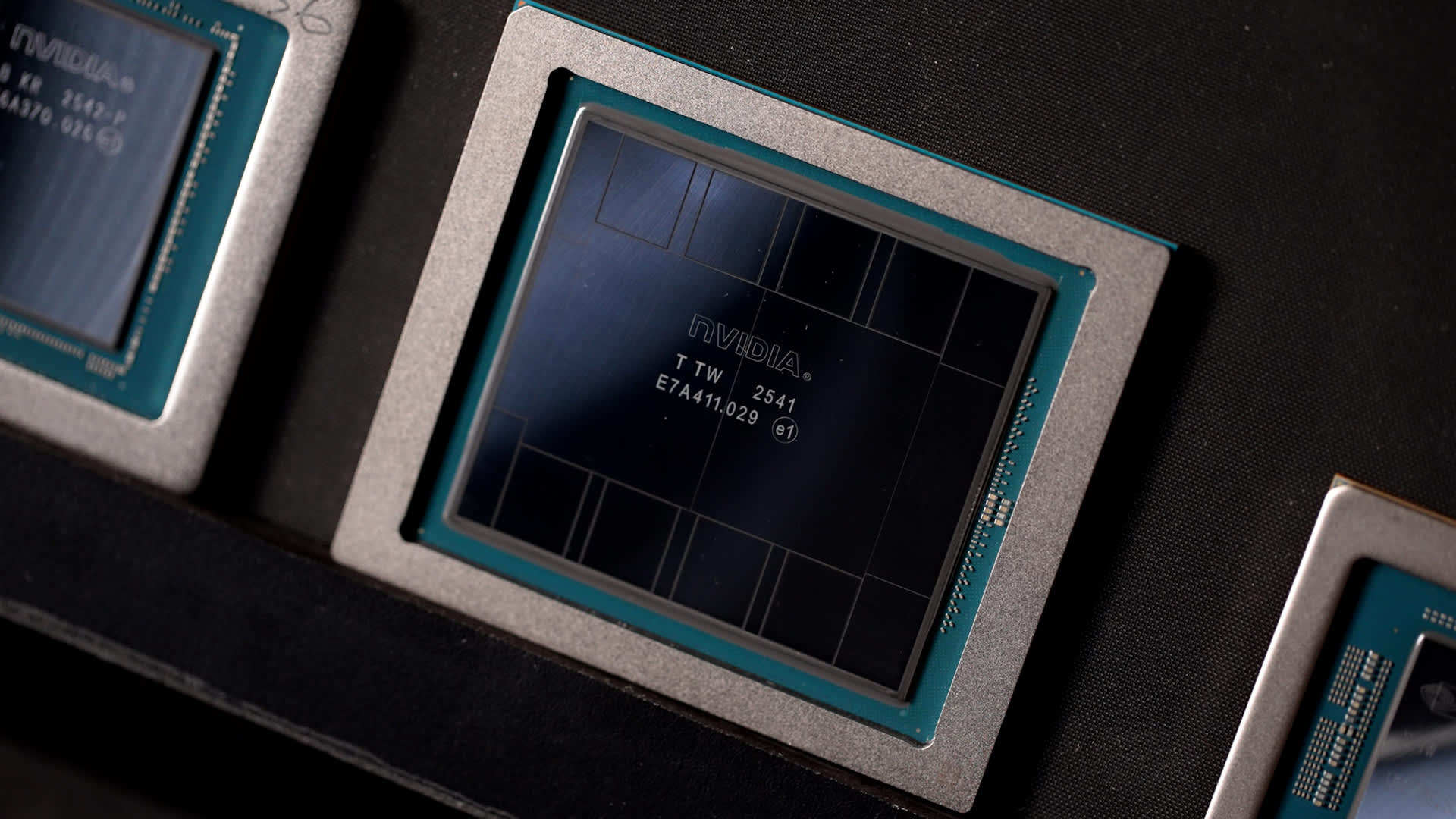
According to Kalshi CEO Tarek Mansour, compute—a term that describes the chips and electricity powering the AI revolution—will eclipse oil as the world’s most valuable commodity, and spur a futures market for hedging it. On a recent TBPN podcast, Tarek predicted that compute will be a $10 trillion industry by 2030. He added that, if compute follows the pattern of derivatives markets for other commodities, its futures market will grow to 10-15 times the size of the underlying spot market—meaning compute futures will one day be worth $100-$150 trillion.
If Mansour’s prediction is even remotely correct, compute futures represent a massive opportunity for whoever can build that market. In July, Kalshi itself announced a new series of events contracts and data tools that it says can be the foundation of a compute derivatives market. Kalshi, though, isn’t the only firm looking to seize that opportunity. The derivatives giant CME Group revealed in May that it plans to roll out a product later this year in partnership with an AI data firm, while stock exchange giant Intercontinental made a similar announcement the same month.