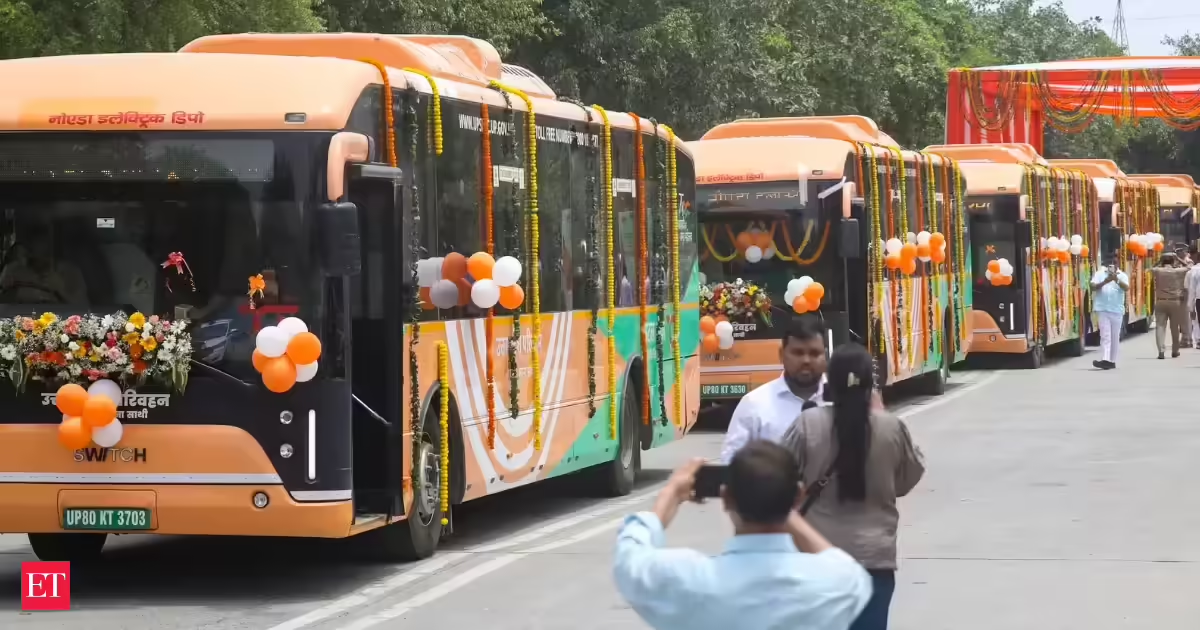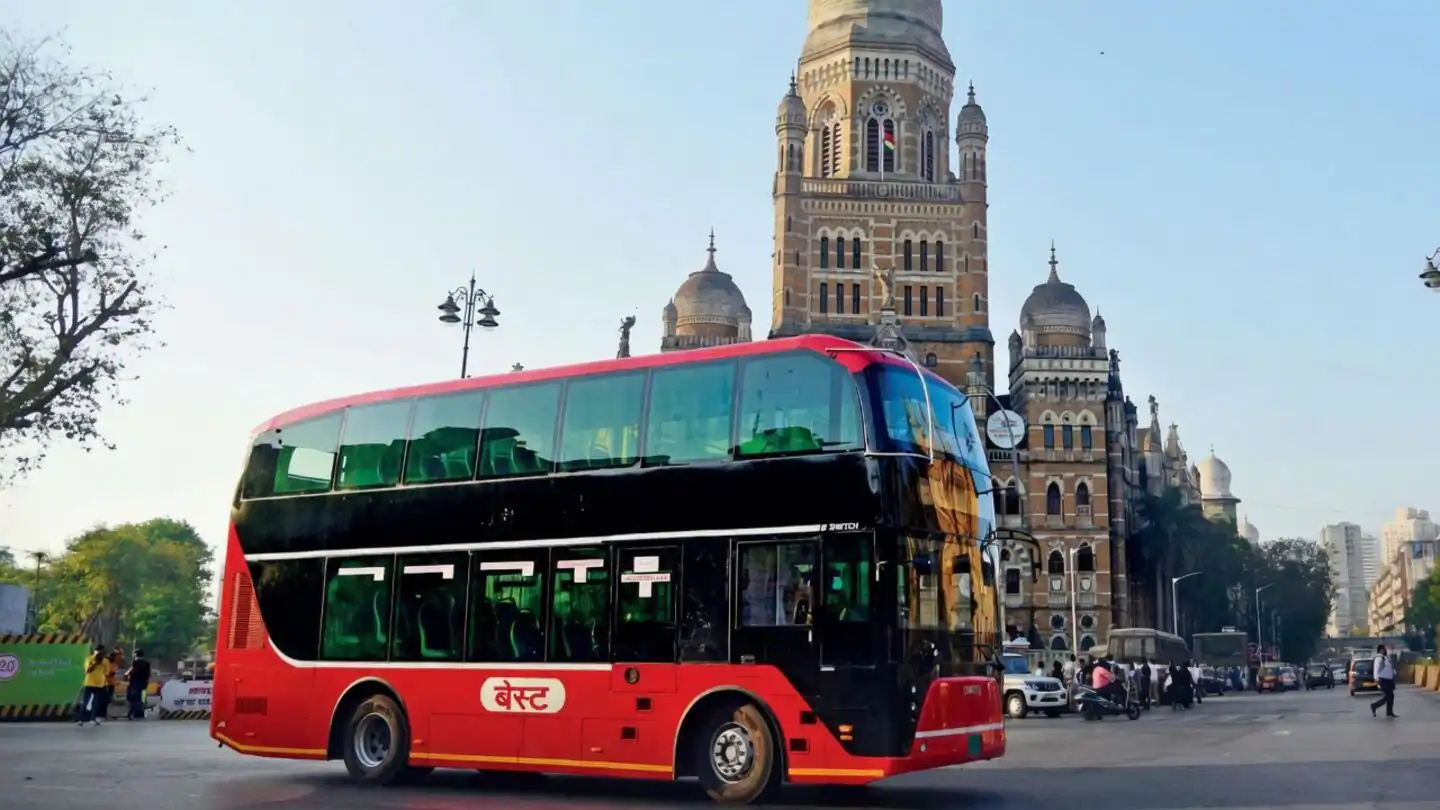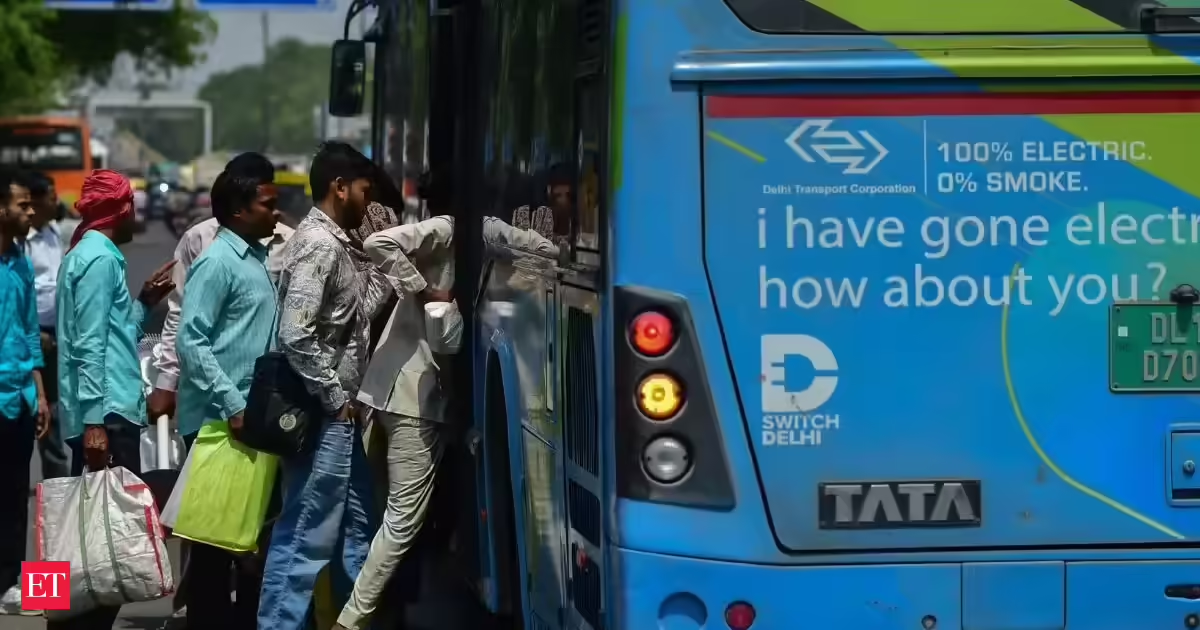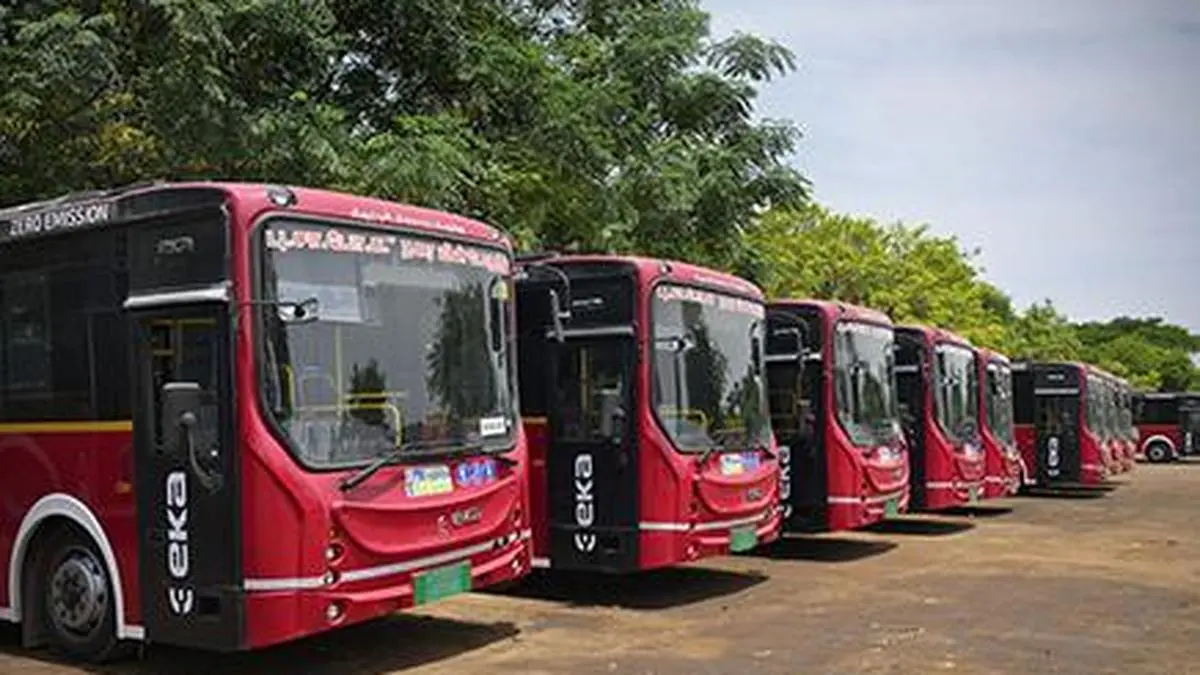
ICRA estimates that electrifying the 1.5-lakh public transport bus fleet over the next decade could require around ₹1.5 lakh crore in capital expenditure.
| Photo Credit:
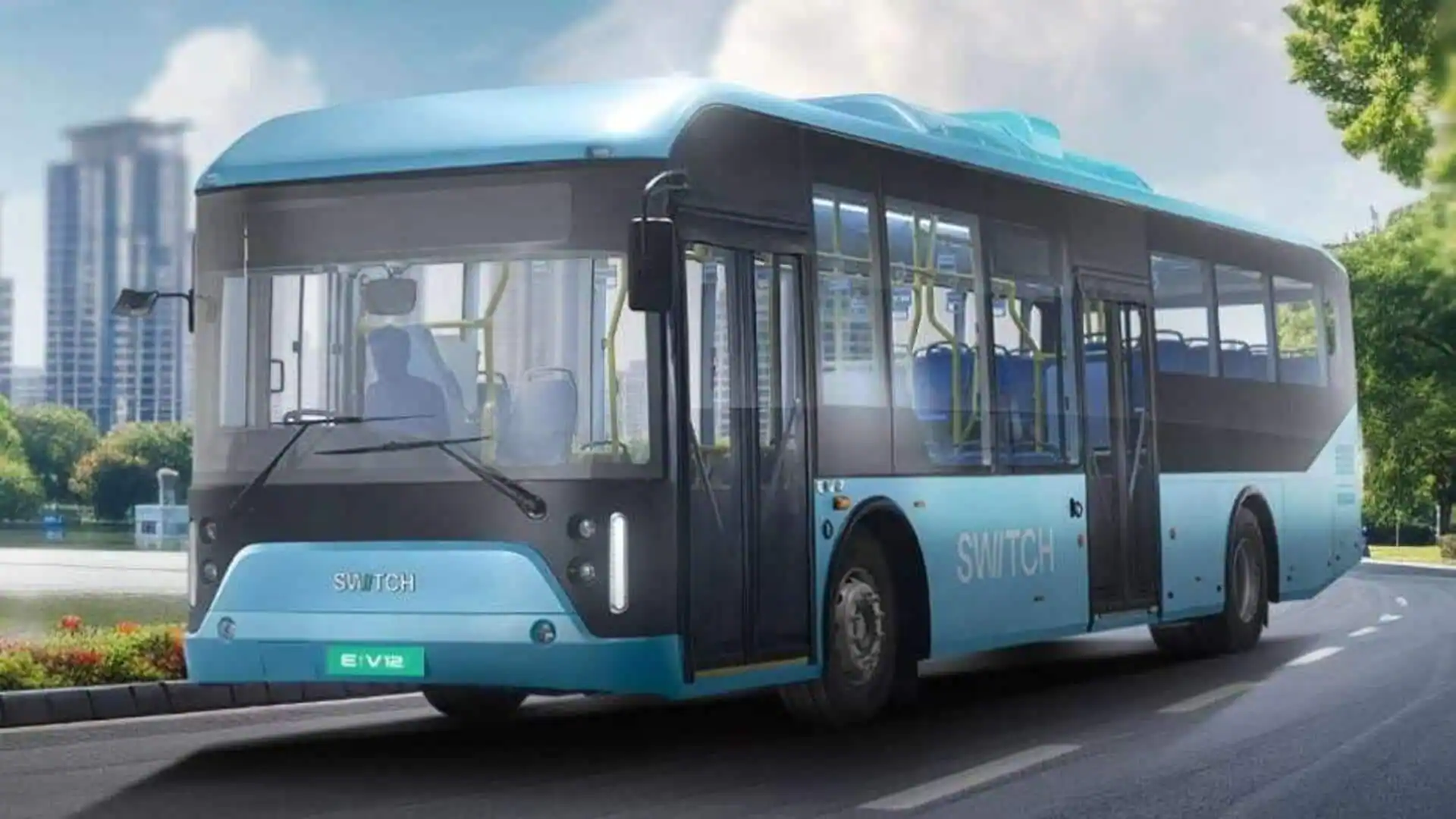
India’s electric-bus operators face higher debt and equity requirements as government subsidies moderate, increasing the amount they must finance upfront just as the industry heads towards a potential ₹1.5-lakh-crore investment cycle over the next decade.Subsidies have declined from around ₹35-55 lakh per bus under FAME-II to around ₹20-30 lakh under PM E-DRIVE, Kinjal Shah, Senior Vice-President and Co-Group Head at ICRA, said during a post-seminar media interaction.On an electric bus costing roughly ₹1-1.2 crore, the reduction significantly raises the amount operators must fund themselves. “The overall upfront cost is higher to that extent. And that would mean that either the debt or the equity funding requirement for the project would be higher,” Shah said.₹1.5-lakh-crore transitionThe funding requirement could become substantial as India accelerates the replacement of conventional buses. ICRA estimates that electrifying the entire 1.5-lakh bus fleet of Public Transport Authorities (PTAs) over the next decade could entail capital expenditure of around ₹1.5 lakh crore.The rating agency expects e-bus penetration in the medium and heavy bus segment to rise from around 7 per cent currently to about 30 per cent by FY30. Sales have already risen from just 37 units in FY18 to 5,412 in FY26, with more than 2,000 units sold in the first four months of FY27.Central schemes including FAME-I, FAME-II, the National Electric Bus Programme, PM-eBus Sewa and PM E-Drive cumulatively target deployment of more than 80,000 e-buses with a budgetary allocation of around ₹1 lakh crore through FY28. Deployment so far remains concentrated in Delhi, Maharashtra, Karnataka, Gujarat and Telangana, which together account for around 75 per cent of e-buses deployed.Economics improvesThe higher upfront funding requirement comes even as the economics of operating electric buses improve .ICRA estimates the total cost of ownership of a 12-metre air-conditioned e-bus at around ₹39 per km, against ₹51 for diesel and ₹48 for CNG, with lower operating costs offsetting the significantly higher acquisition cost over the vehicle’s life.Financing conditions are also improving. ICRA said lenders are becoming more comfortable with e-bus projects, loan tenures have increased, and interest rates have become more competitive. Falling battery costs are providing another offset to the lower upfront subsidy support.Operators had, in fact, already been forced to bridge financing gaps under earlier subsidy programmes. ICRA said delays in receiving subsidy payments meant projects sometimes had to fund the shortfall through additional debt, sponsor funding or unsecured loans.Payment safety netThe Centre is seeking to reduce the risk attached to greater private financing through the Payment Security Mechanism (PSM) incorporated into newer e-bus programmes.If a transport authority fails to pay an operator, the mechanism can be invoked through Convergence Energy Services Ltd. Payments can be released from a dedicated fund, which the authority must replenish within 90 days. If it fails to do so, an RBI-backed direct debit mandate can allow recovery from the state’s accounts.The mechanism addresses a key weakness in the Gross Cost Contract model, under which operators invest in and run the buses while transport authorities pay an assured per-kilometre fee. Select authorities have previously delayed payments, affecting operator cash flows.The PSM, however, has yet to face an operational test. ICRA said projects tendered with the mechanism are yet to begin commercial operations, with operators typically getting 12-18 months after tender awards to deploy buses.Execution challengeExecution remains another pressure point. Of eight e-bus projects rated by ICRA, 75 per cent faced commissioning delays of six months to a year, largely due to delays in depot and electricity-infrastructure handovers by transport authorities. Cost overruns, however, remained below 10 per cent.Battery replacement is another lifecycle risk, accounting for around 25-30 per cent of bus cost, while dependence on imported cells, batteries and components leaves the industry exposed to supply-chain and geopolitical risks.The next phase of India’s e-bus expansion will therefore hinge increasingly on whether cheaper and longer-tenure financing, falling battery costs and payment protection can offset the larger share of upfront investment operators will have to finance themselves.Published on August 13, 2026