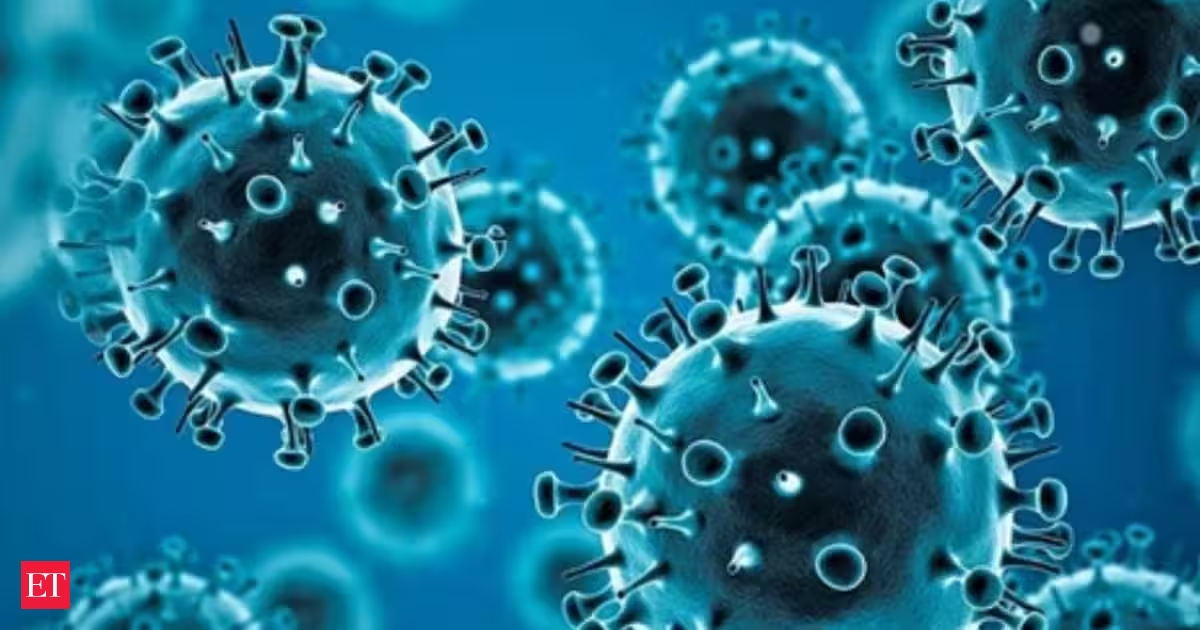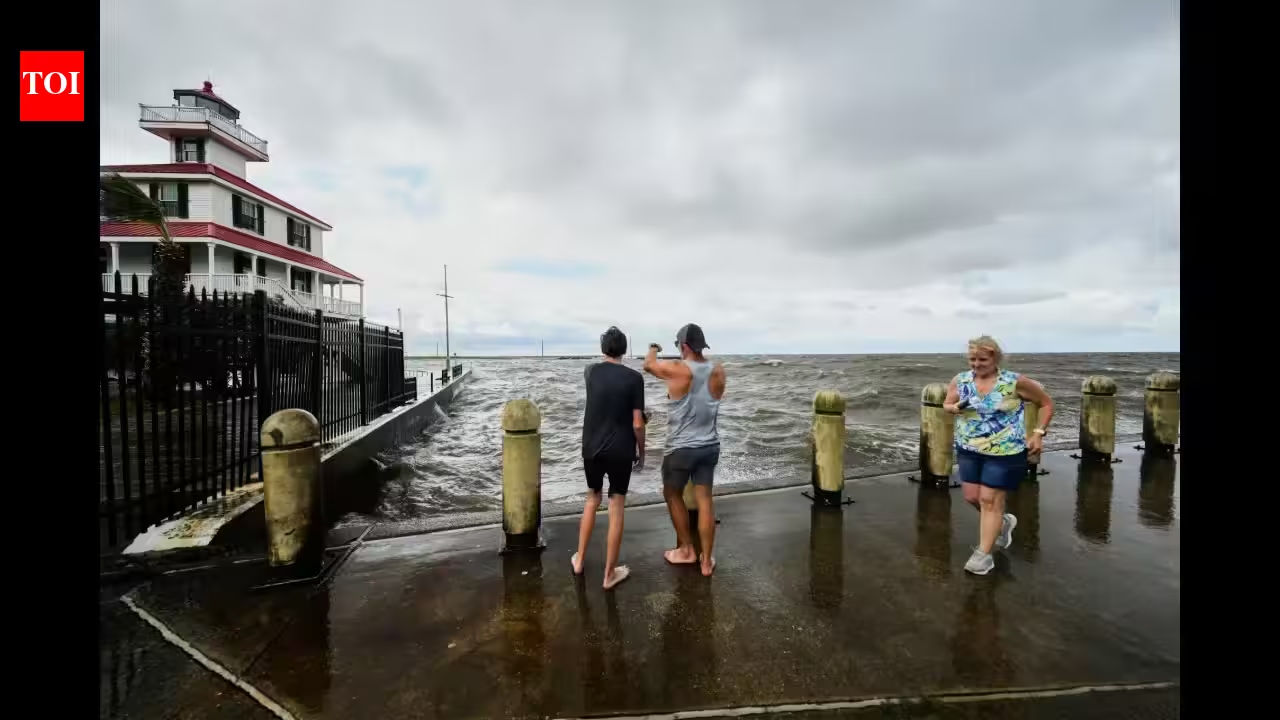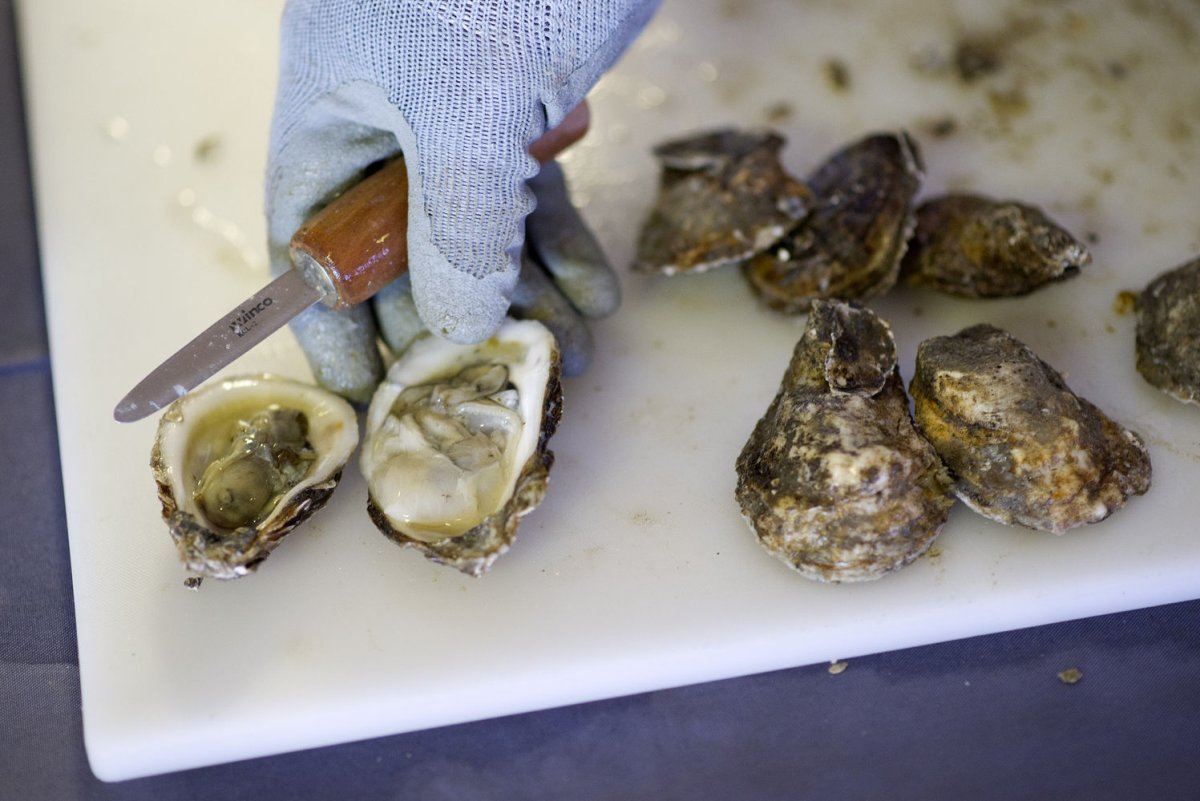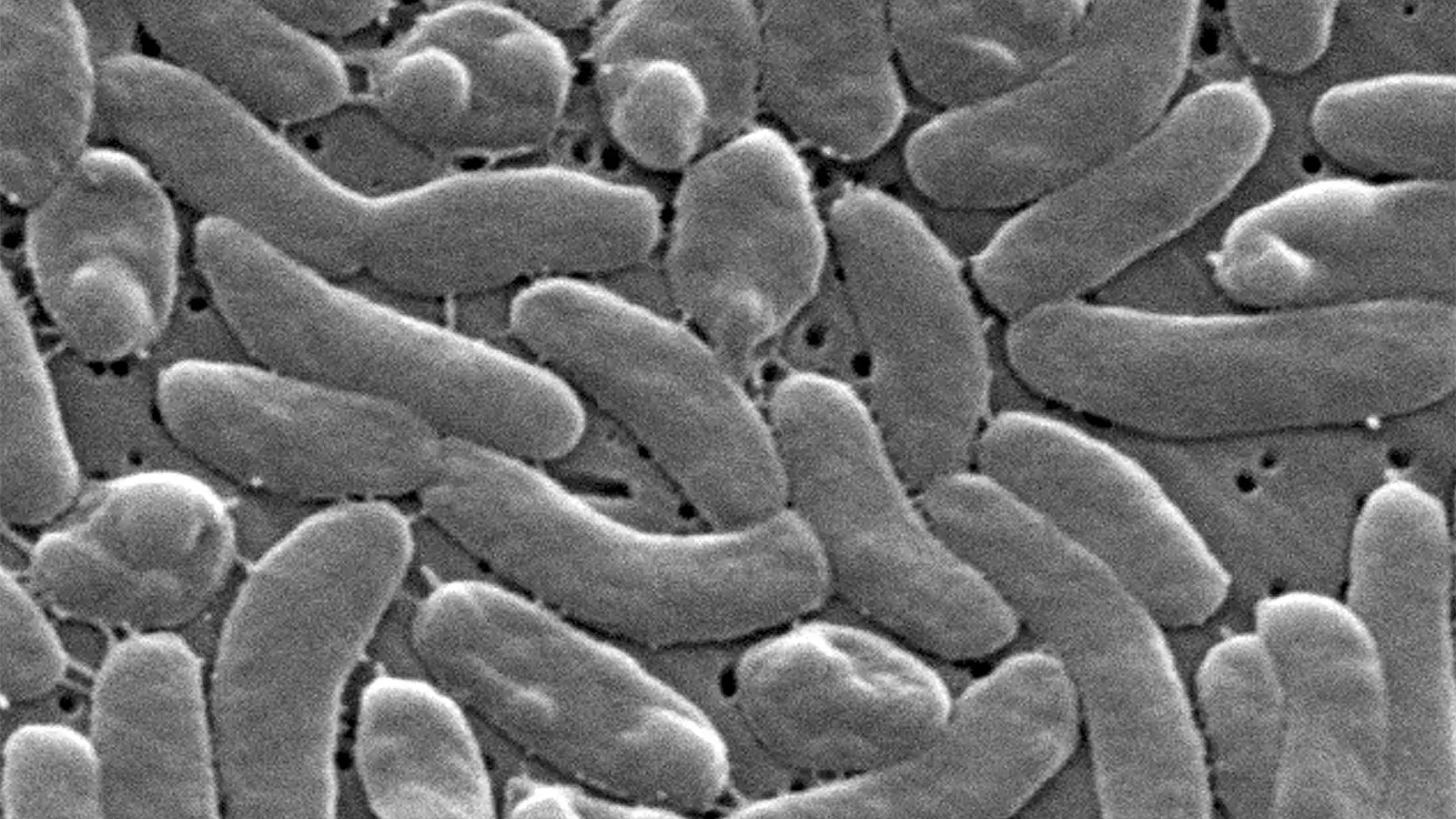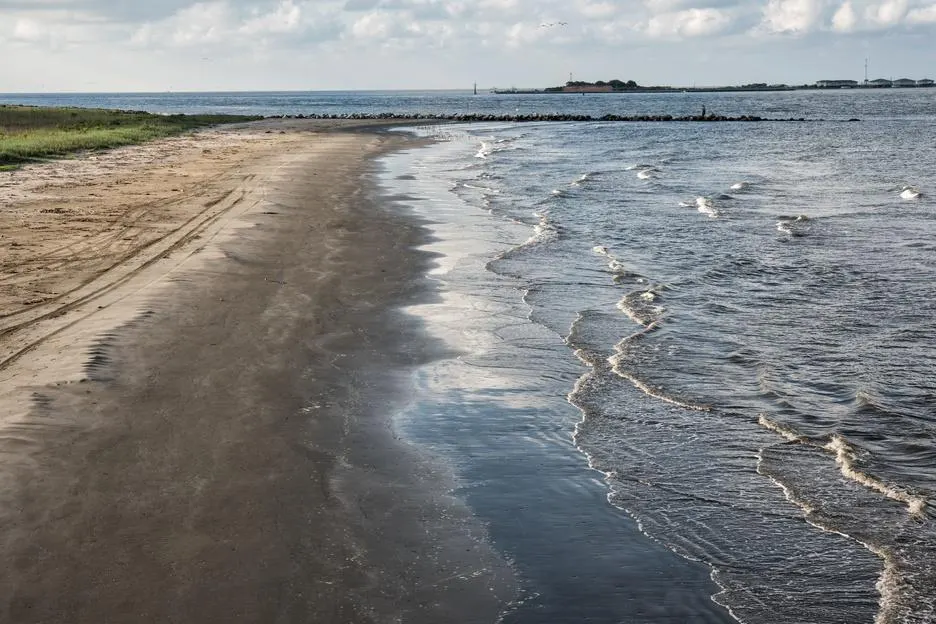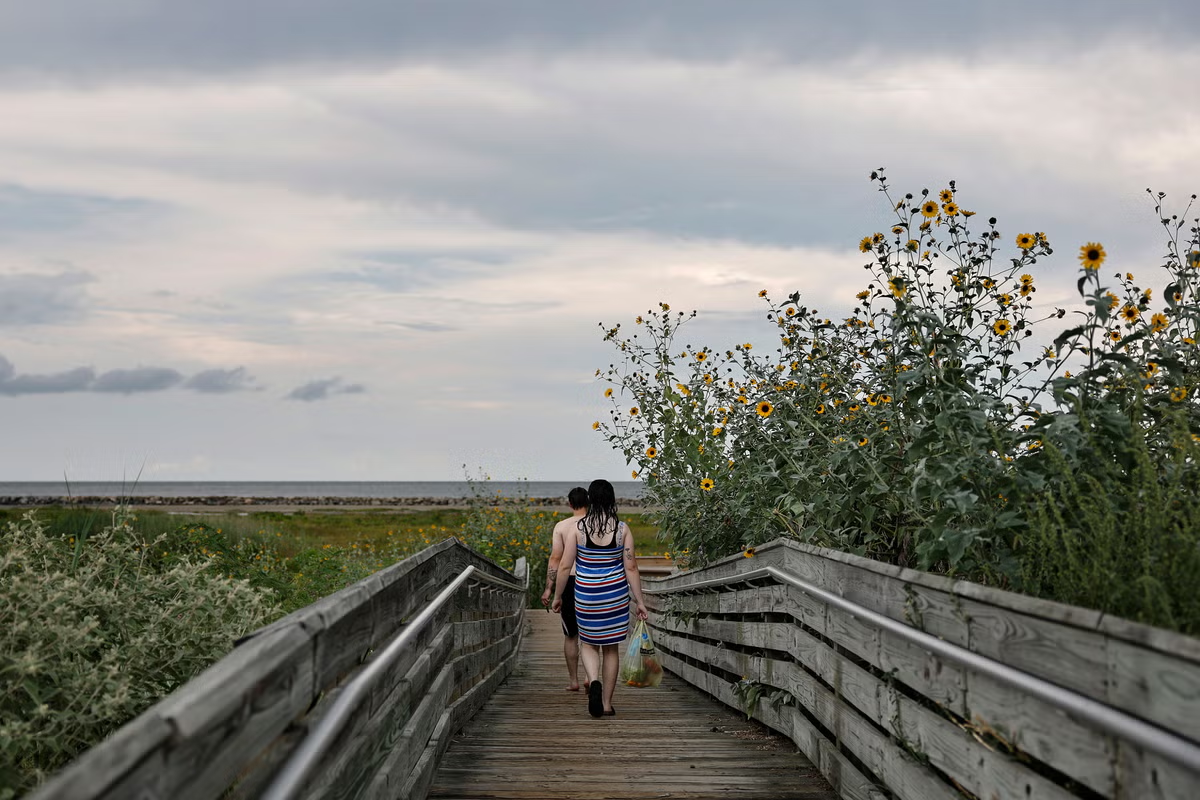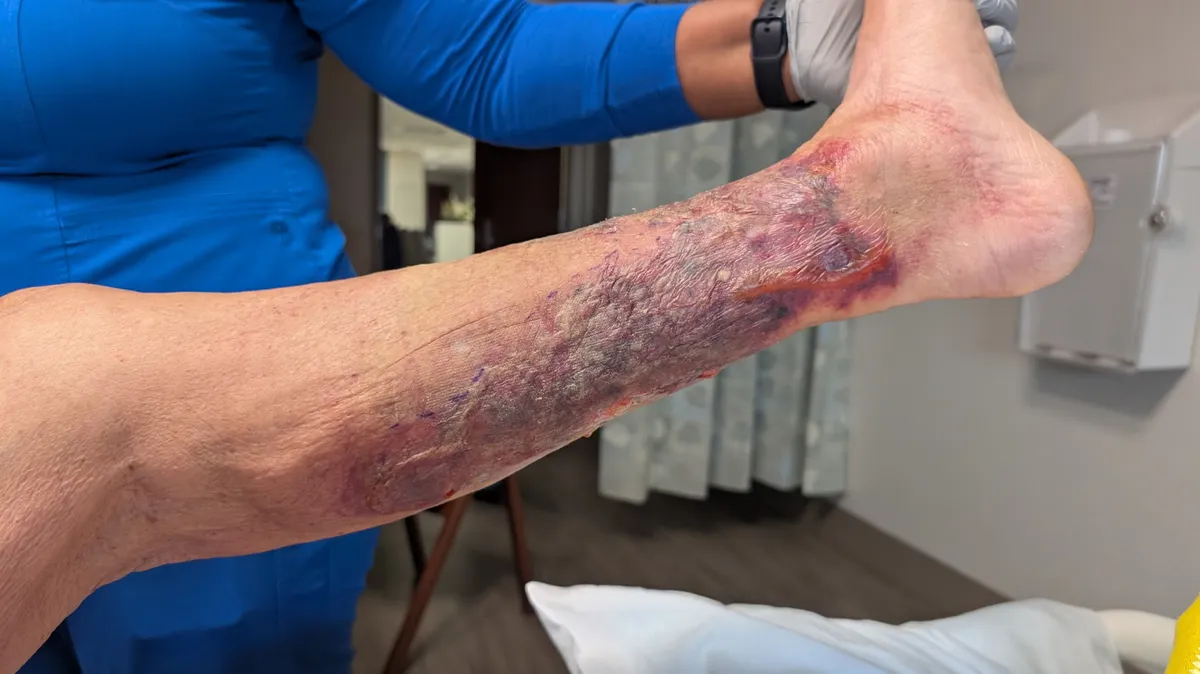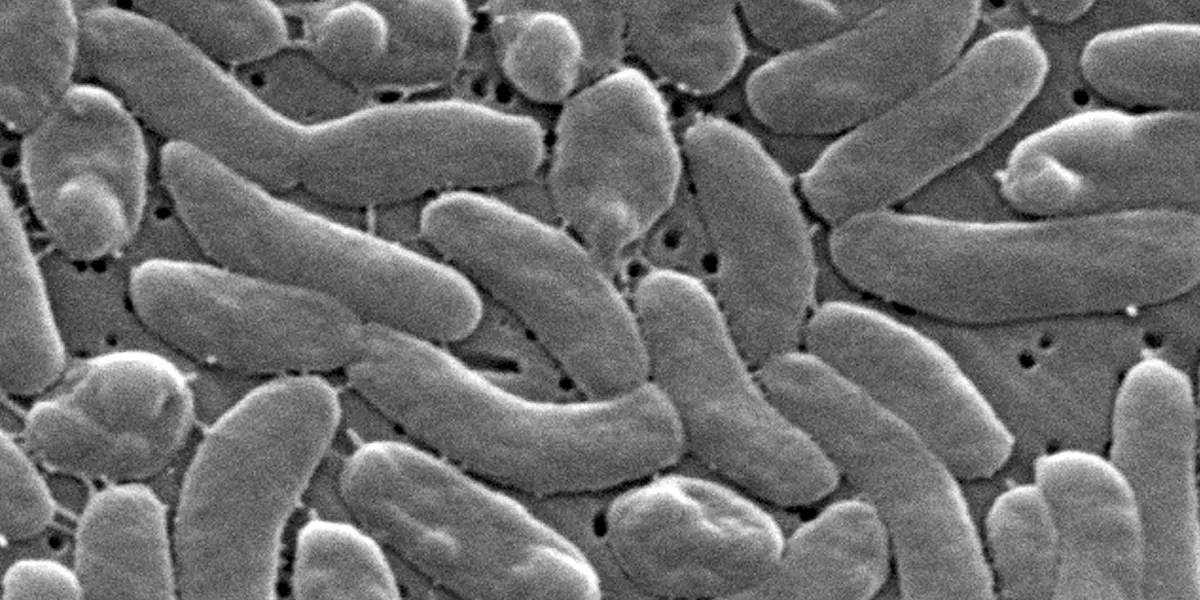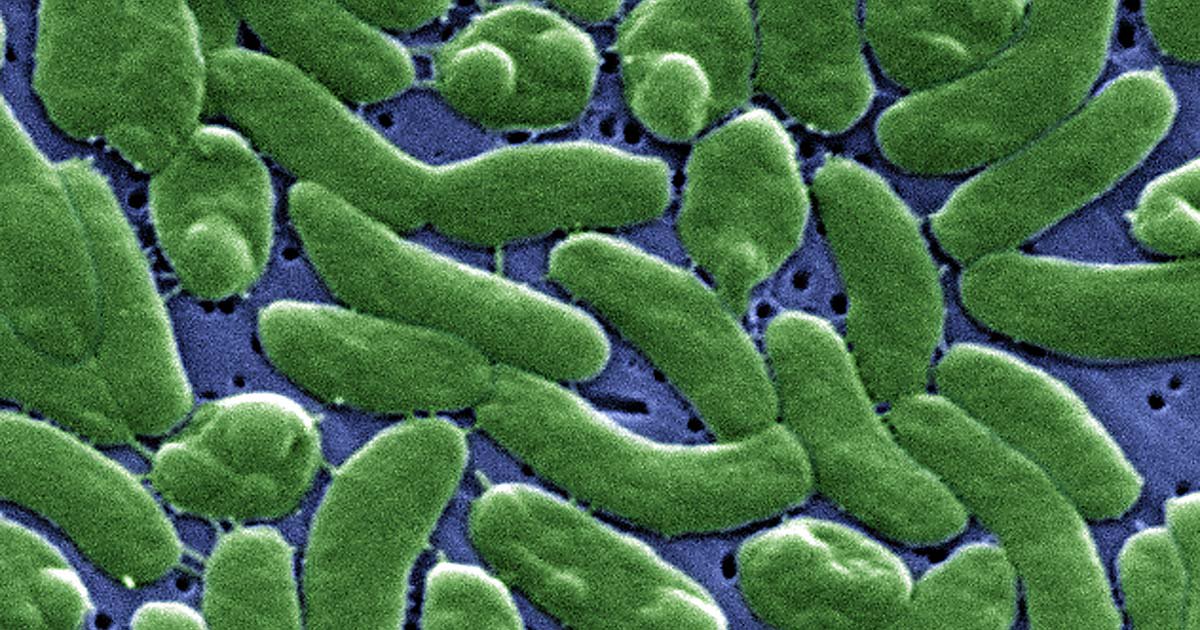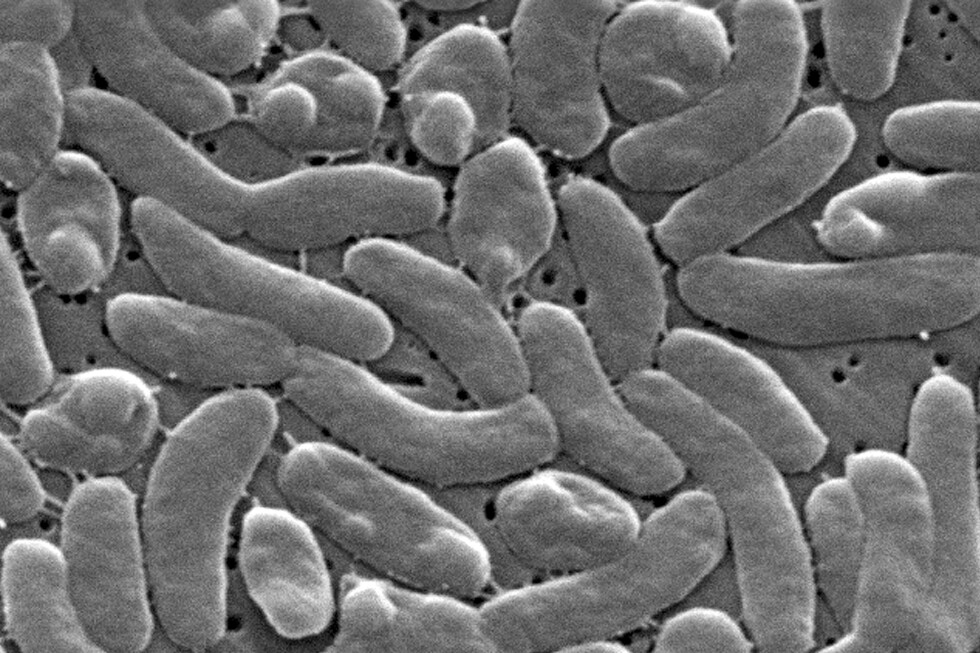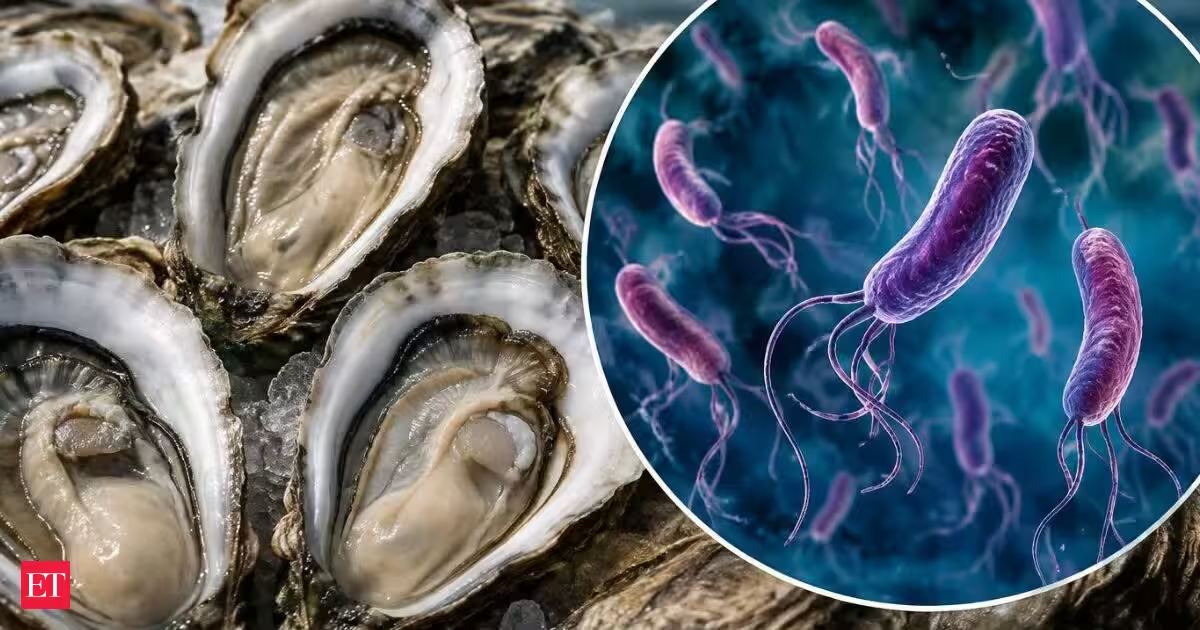
Louisiana health officials are warning residents and beachgoers to take precautions after nine people in the state were infected with Vibrio vulnificus this year, with five of those patients dying. The bacterium occurs naturally in warm coastal waters and can cause severe wound infections after entering the body through cuts or other open wounds.The warning comes during the summer months, when warmer coastal water can support higher levels of Vibrio bacteria. Health officials are advising people with open wounds to stay out of coastal water and urging caution when handling or eating raw or undercooked shellfish, particularly oysters.Where is the flesh-eating bacteria in Louisiana?Vibrio vulnificus is not limited to one beach or a single location in Louisiana. The bacteria naturally live in warm coastal and marine waters, meaning exposure can occur in areas along the state's Gulf Coast. Louisiana health authorities have previously noted that Vibrio bacteria are generally found in greater numbers between May and October as water temperatures rise.Also Read: Ceiling fan cleaning tips? Try these simple and affordable home cleaning tricks to remove stubborn dust, dirt and grease from fan bladesThe current Louisiana cases have been associated with wounds exposed to seawater. That means people do not necessarily have to eat contaminated seafood to become infected. A cut, scrape or other break in the skin can provide a route for the bacteria to enter the body.Why is Vibrio vulnificus called a flesh-eating bacteria?The term “flesh-eating bacteria” is commonly used in news coverage because Vibrio vulnificus can cause rapidly progressing and potentially destructive wound infections. In serious cases, the infection can lead to tissue damage, bloodstream infection and other life-threatening complications.However, the nickname does not mean that every person exposed to the bacteria will develop a severe infection. The risk of serious illness is higher for people with certain underlying health conditions, making early medical attention important if symptoms develop after exposure.Vibrio vulnificus and Louisiana oysters: What to knowPeople can also become infected by eating raw or undercooked shellfish, especially oysters. Louisiana health guidance has warned that Vibrio bacteria can cause illness through consumption of raw or undercooked seafood as well as through contact between an open wound and coastal water.This does not mean that all Louisiana oysters are contaminated or that oysters are responsible for the nine cases reported this year. State reporting indicates that the nine cases in the current outbreak were associated with wounds exposed to seawater.Louisiana has a regulatory programme covering oyster harvesting waters along the Gulf Coast, with harvesting areas governed by state sanitary rules and the National Shellfish Sanitation Program.What happens if Vibrio vulnificus enters a wound?An infection can begin after seawater comes into contact with an open wound. Symptoms can become serious, particularly when the infection progresses quickly.People who develop unusual pain, swelling, redness, skin changes, fever or other signs of infection after a wound has been exposed to coastal water should seek medical attention promptly.Also Read: Aluminium foil hack to clean chimney filters: How it works, benefits and steps to remove stubborn greaseLouisiana health information also notes that doctors should consider Vibrio vulnificus when a patient develops gastrointestinal illness, fever or severe illness after eating raw seafood, or develops a wound infection following seawater exposure.How can beachgoers protect themselves?The simplest precautions are aimed at preventing seawater from reaching an open wound and avoiding raw or undercooked shellfish.People visiting Louisiana's coast should:Stay out of saltwater or brackish water if they have an open cut, scrape or wound.Keep wounds clean and covered when around coastal water.Wash wounds with clean water if they come into contact with seawater.Avoid eating raw or undercooked oysters and other shellfish.Seek medical care quickly if an exposed wound develops signs of infection.The Louisiana Department of Health's beach monitoring programme tests water at coastal beach sites during the state's beach season, which runs from May through October. Its routine beach advisories are based on testing for enterococci, a different group of bacteria used as an indicator of water quality.Why warm coastal waters matterVibrio bacteria are naturally present in coastal waters and become more common as water temperatures rise. Louisiana health officials have previously identified May through October as the period when the bacteria are found in higher numbers.That seasonal pattern is one reason health officials repeatedly issue warnings during the warmer months. The presence of Vibrio vulnificus in coastal water is not itself evidence that a particular beach is unsafe, but people with open wounds face a greater risk if they enter the water.With five deaths already reported in Louisiana this year, officials are urging residents and visitors to take basic precautions around warm coastal water and raw seafood.
Louisiana Vibrio vulnificus kills 5: Are oysters linked to the flesh-eating bacteria? Where is the outbreak spreading?
Vibrio Vulnificus Louisiana Outbreak: Louisiana has reported five deaths linked toVibrio vulnificusinfections, raising concerns about the flesh-eating bacteria found in warm coastal waters. Here is what to know about the outbreak, oysters, symptoms and safety precautions.
770 words~4 min read