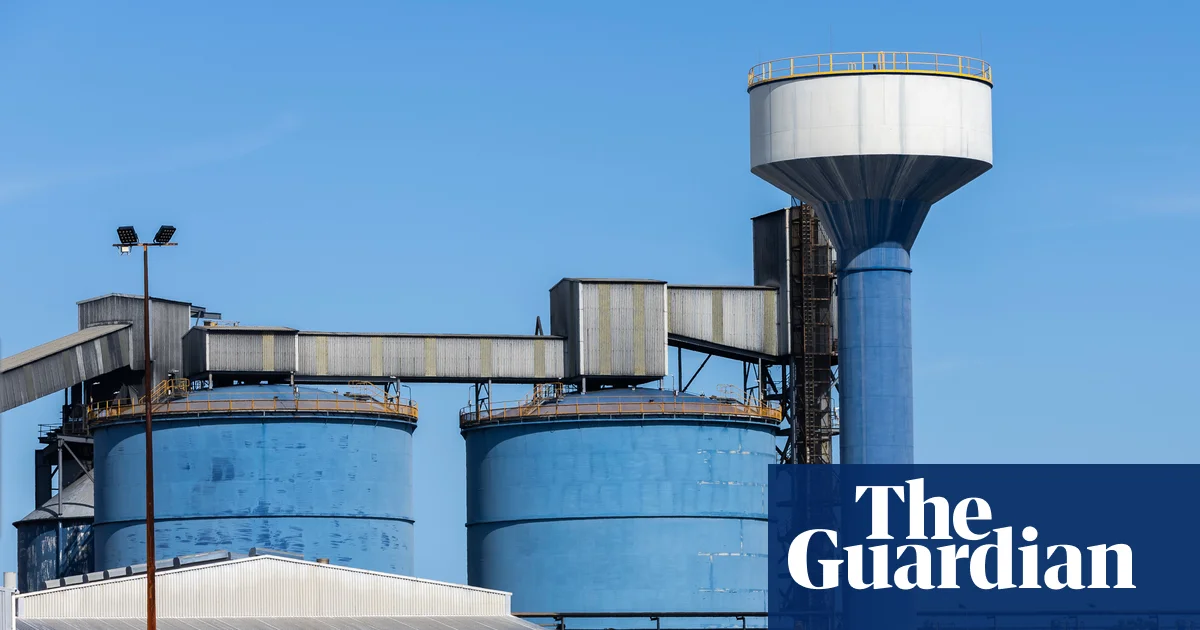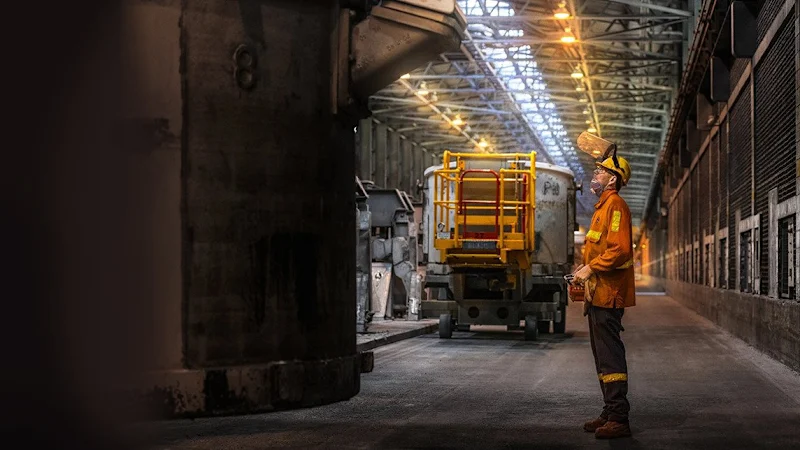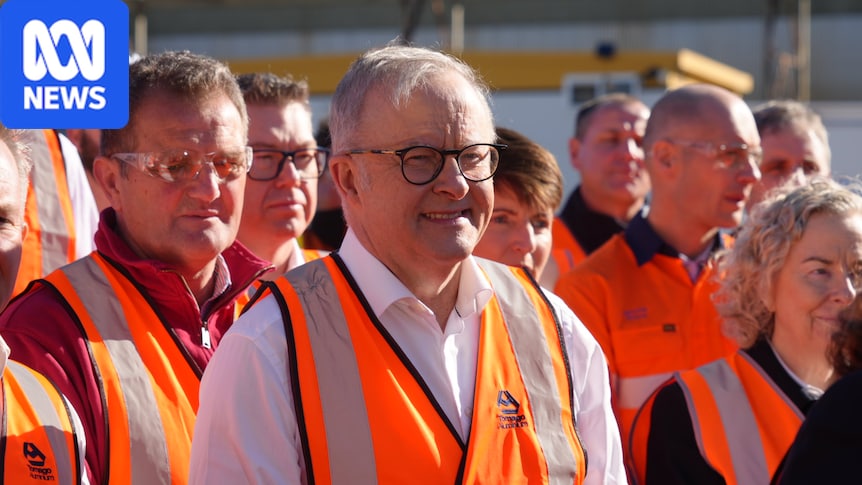
EditorialAugust 13, 2026 — 4:41pmAustralian taxpayers will pay $2.5 billion to Tomago Aluminium, majority-owned by Rio Tinto, to keep its Hunter Valley smelter open after 2028. But who knows for how long?Amid falling commodity prices, rising power prices and the impact of the high Australian dollar, Rio Tinto has been playing bluff poker with Australian governments for more than a decade, even warning last year that surging power costs would close Tomago when its energy supply contract ran out in 2028. Tomago is the latest in a series of taxpayer-funded rescue packages to prop up struggling metals processors. Chris ElfesThe smelter is the single largest user of electricity in NSW. It consumes more than 10 per cent of the state’s power supply.The federal and NSW governments have agreed to split the Tomago bailout bill down the middle. With a 1000-strong workforce, the deal means taxpayers will fork out $2.5 million for each job saved.Tomago is the latest in a series of taxpayer-funded rescue packages to prop up struggling metals processors over the past two years. The Albanese government has contributed to bailouts worth $2 billion for Rio Tinto’s Boyne smelter in Queensland, $2.4 billion for South Australia’s collapsed Whyalla steelworks and $600 million for Glencore’s copper smelter and refinery in Mt Isa.Rio Tinto’s most recent annual profit was a $14.1 billion, its weakest result since 2021. However, it reported a $9.5 billion half-year profit just last month, up 47 per cent.The multinationals claim that competition from China is hurting them. China’s state-led industrial development has enabled heavily subsidised overproduction by state-owned enterprises to distort global markets for metals and critical minerals.The Bank of China and Chinese aluminium giant Chinalco control 27.8 per cent of the Rio Tinto Group shares. Australian taxpayers would be entitled to wonder why the Tomago bailout is needed to subsidise a company to compete against its own owner.Announcing the bailout, the Prime Minister Anthony Albanese said Tomago was important for Newcastle and the Hunter, but was a critical asset for the country and Australia’s manufacturing future.NSW Premier Chris Minns said jobs were at the heart of the bailout: “If we’re going to be a country that says with a straight face that we will continue to build things in Australia, we could not turn our back on Tomago. Would Australia be better off or worse off if these jobs went to [South] Korea, China or India? The answer is, we would be worse off.”But if the fix was partly about protectionism, there are bigger issues at stake.Australia lost its cheap energy competitive advantage due to delays and uncertainties of the renewables rollouts. We can no longer keep propping up mining, resources and jobs and sometime soon must bear the pain of transitioning to new energy.Rio Tinto can hardly be blamed for deciding against throwing investors’ good money after bad and propping up Tomago with other people’s taxes. Rio Tinto is only the latest multinational to hold government over a barrel. Regrettably, history suggests many take the money and eventually do what they were always going to do.Start the day with a summary of the day’s most important and interesting stories, analysis and insights. Sign up for our Morning Edition newsletter.The Herald's View – Since the Herald was first published in 1831, the editorial team has believed it important to express a considered view on the issues of the day for readers, always putting the public interest first.From our partners
The eye-watering job costs of keeping Tomago smelter open
Governments have staved off closure of Australia’s biggest aluminium shelter.
573 words~3 min read