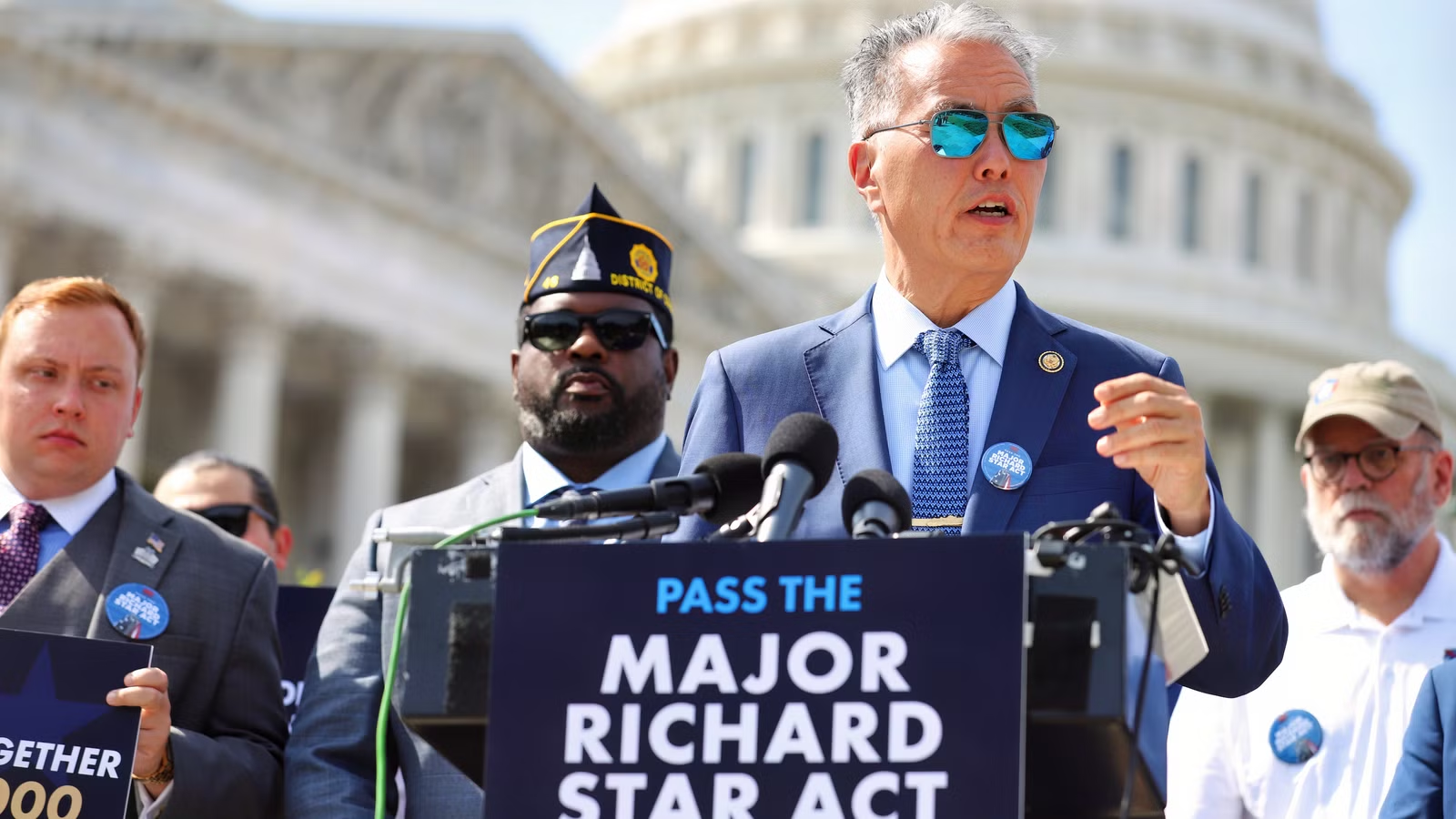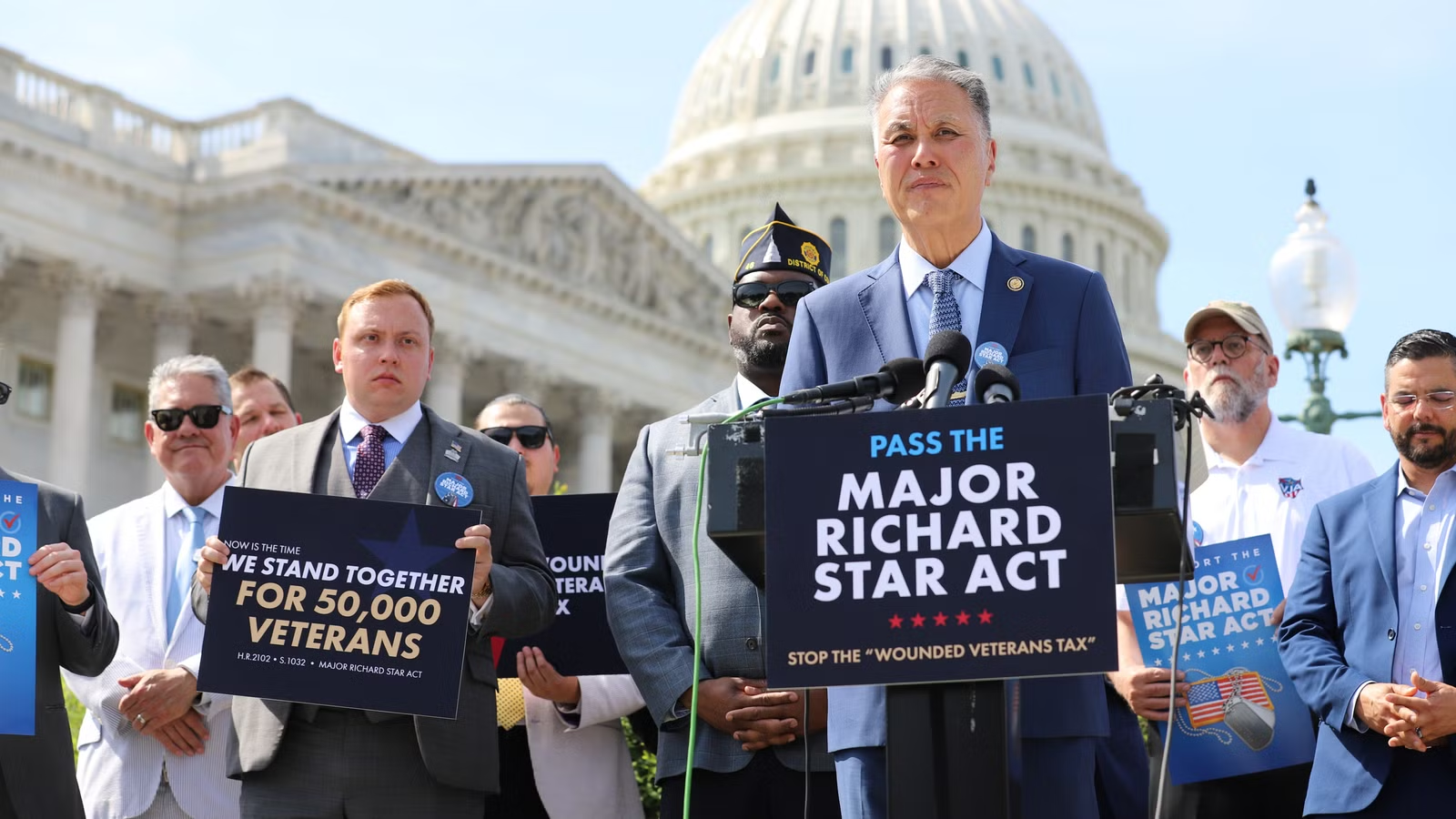
More than 300 members of the House support it. More than three-quarters of the Senate support its companion bill. Republicans support it. Democrats support it. Major veterans organizations support it. Yet thousands of combat-injured veterans have spent years waiting for Congress to fix a problem nearly everyone seems to agree should be fixed. The Major Richard Star Act would allow certain veterans whose military careers were cut short by combat-related injuries to receive both military retirement pay and Department of Veterans Affairs disability compensation without the offset they face today. For nearly 59,000 medically retired veterans receiving Combat-Related Special Compensation, the Congressional Budget Office estimates the change would increase their total compensation by an average of roughly $1,450 per month. The current House bill has 315 cosponsors. Its Senate companion has 77. Both remain short of becoming law. The problem isn't primarily whether Washington believes those veterans deserve the money. It's figuring out how to pay for it. That dilemma helps explain how Congress arrived at the sprawling Take Care of America's Veterans Act, or TCAVA, and one of the biggest fights over veterans benefits in years. Military.com has spent months speaking separately with lawmakers and leaders of major veterans organizations about the legislation, including Senate Veterans' Affairs Committee Chairman Jerry Moran, House Veterans' Affairs Committee Chairman Mike Bost, Military Officers Association of America President and CEO retired Air Force Lt. Gen. Brian Kelly and American Legion Executive Director of Government Affairs Mario Marquez, to name a few. Their interviews point to a problem bigger than TCAVA: Congress can overwhelmingly agree that veterans deserve a benefit and still struggle for years to find a politically viable way to pay for it.
300+ Lawmakers Back Veteran Boost. What's the Hold Up?
Bipartisan support for veterans benefits is strong, but money issues keep combat-injured heroes waiting. What gives?
1,778 words~8 min read