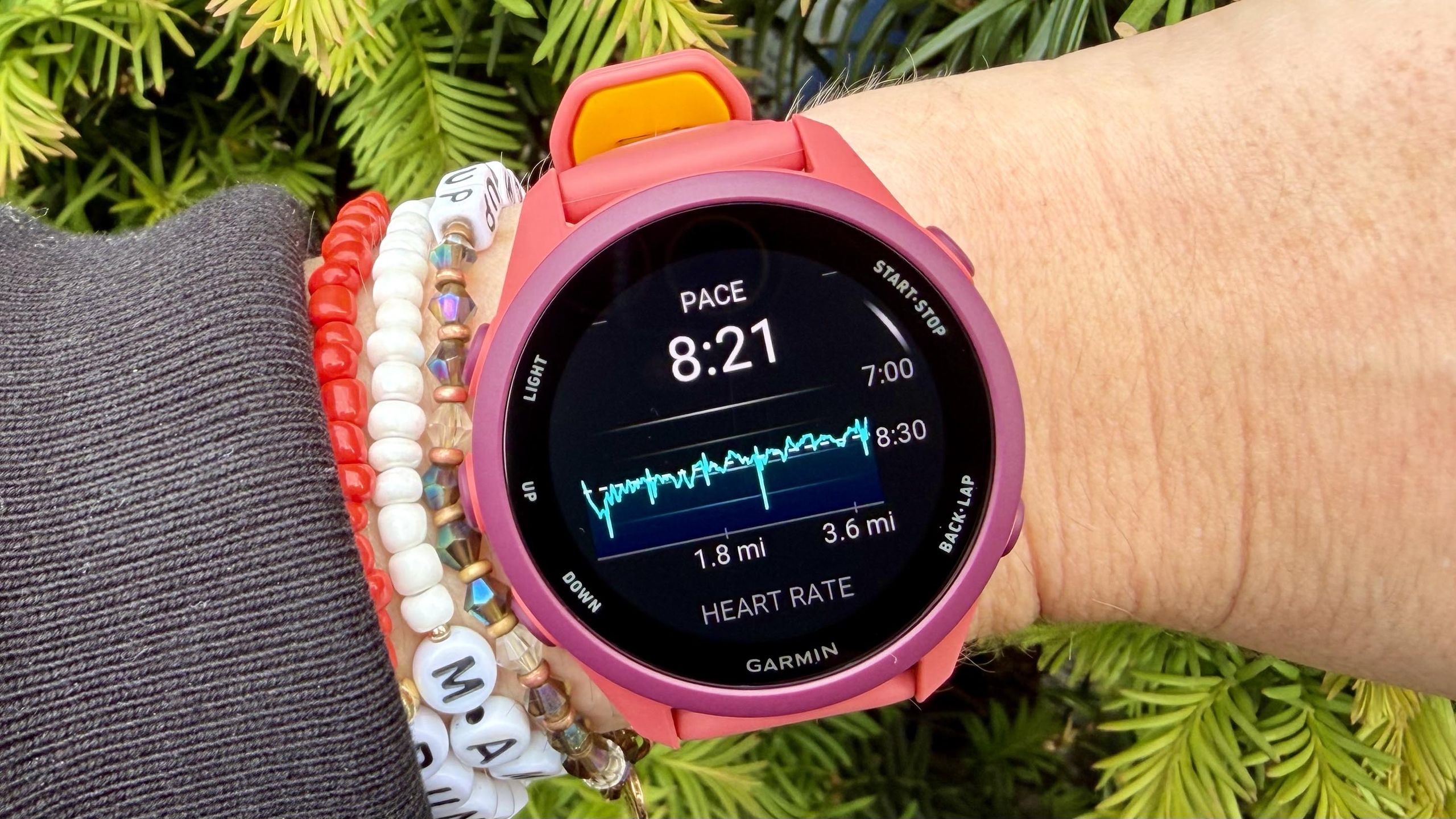
(Image credit: Future)
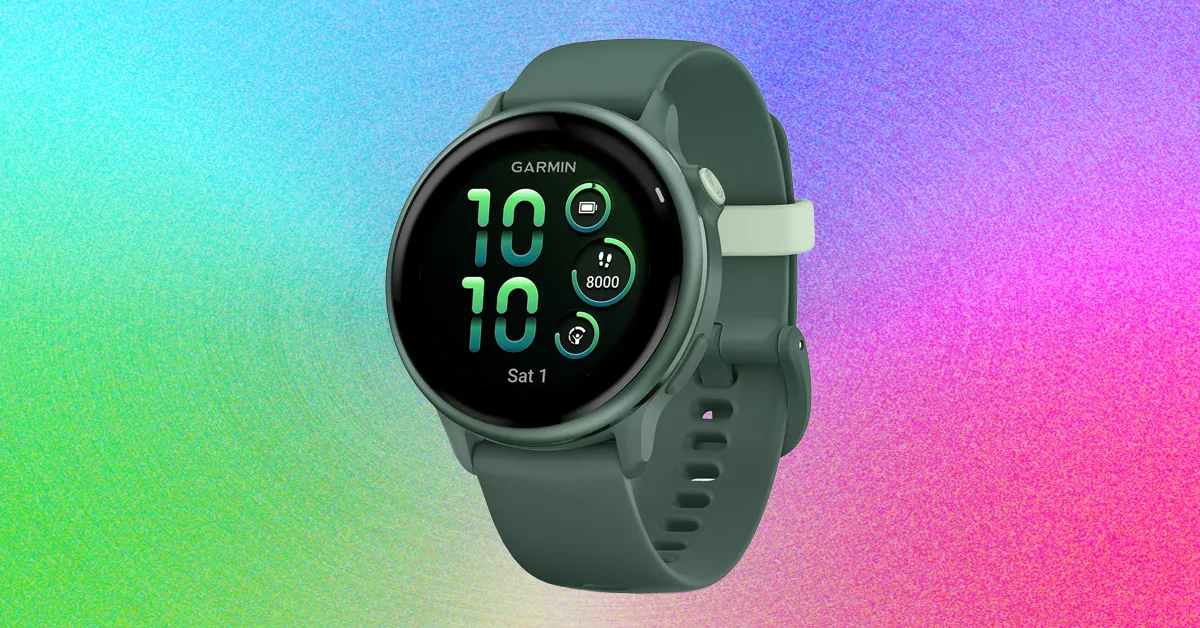
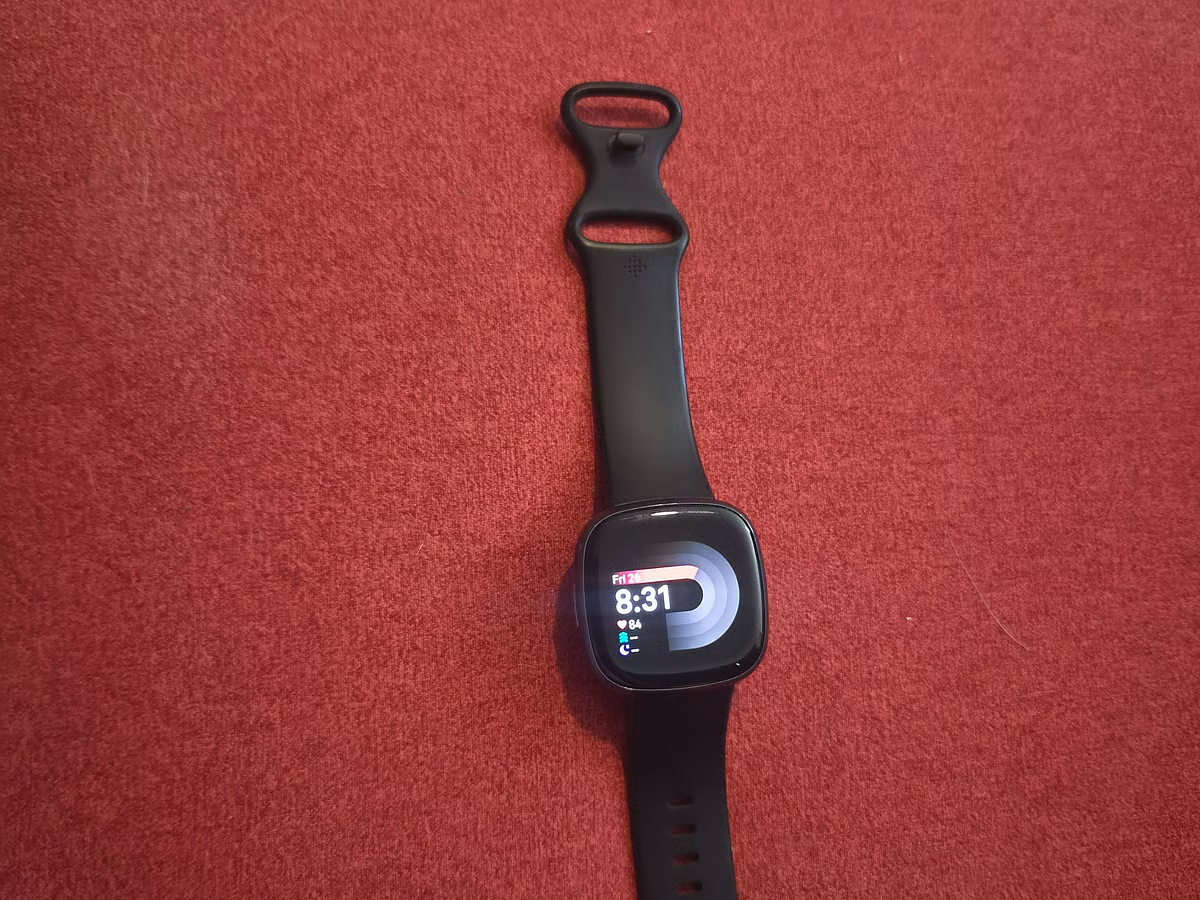
I’ve been writing about fitness trackers before any of them could track a period. It was Fitbit that first added female health tracking to its app in 2018, launching alongside the Fitbit Versa.Other major players followed suit, with Apple adding native Cycle Tracking to the Apple Watch Series 5 in 2019, and Garmin adding Menstrual Cycle Tracking to its Connect platform soon after. In 2022, wearables shifted from manual logging to sensor-driven predictions based on skin temperature, largely down to the rise in popularity of fitness trackers like the Oura Ring.Yet eight years later, there’s still a lot of room for improvement. I’ve trusted all the major devices with tracking my periods, and some do it better than others. My Oura Ring knew I was pregnant before I did back in 2023, but at the time the wearable didn’t have any means of tracking the physical and hormonal changes occurring during pregnancy. That has since changed.Here’s the work that still needs to be done.Core metrics of most fitness trackers are still based on male physiology Before joining Tom’s Guide, I worked for Runner’s World, where I’d frequently hear that shoes were designed for men and then tweaked for women, even though women have a physiologically different body shape and stride.The same applies to fitness trackers. Core metrics, including Heart Rate Variability (HRV), VO2 max, and “Readiness” scores, have historically been benchmarked on male physiological data.