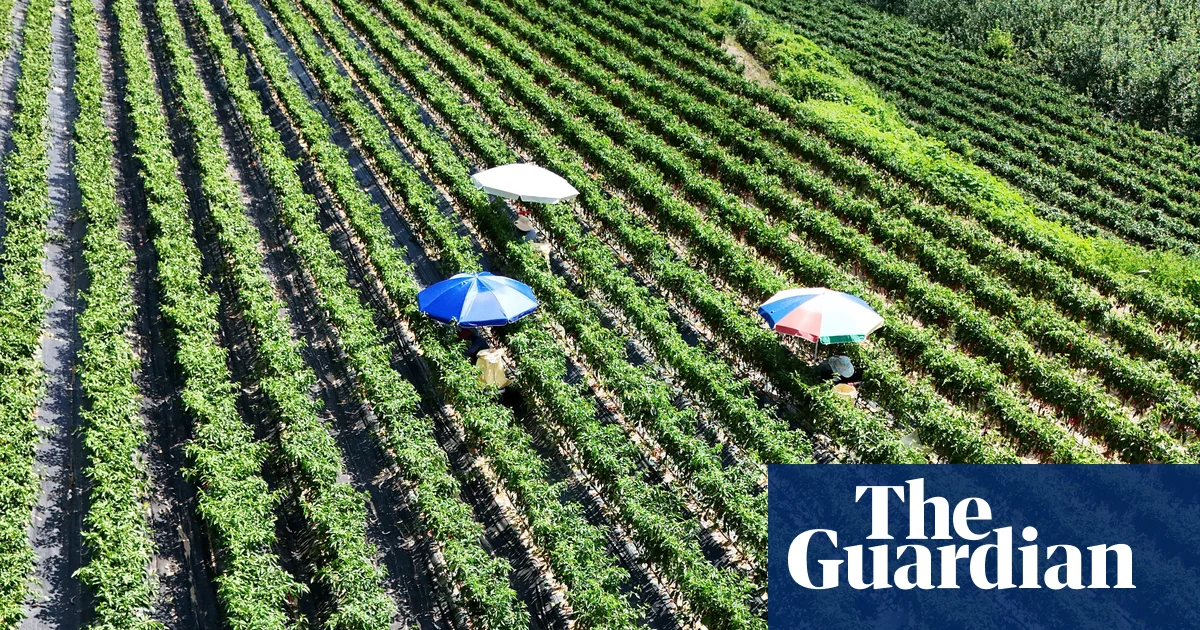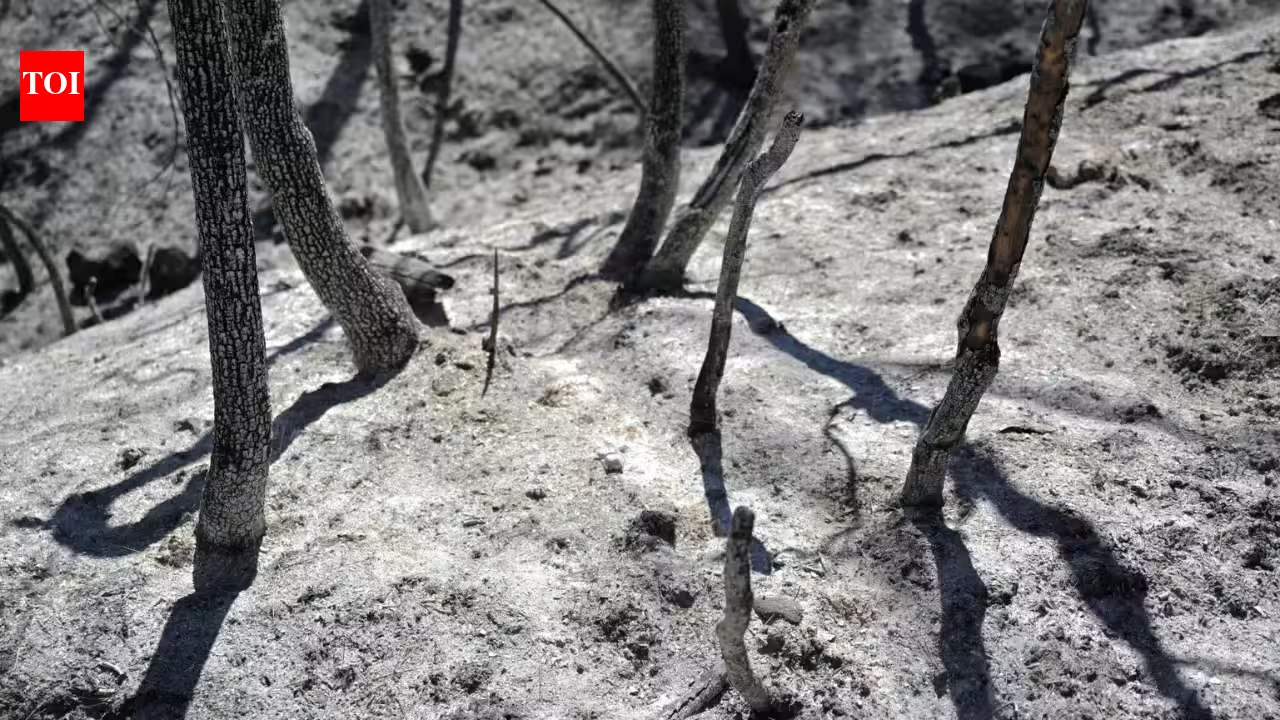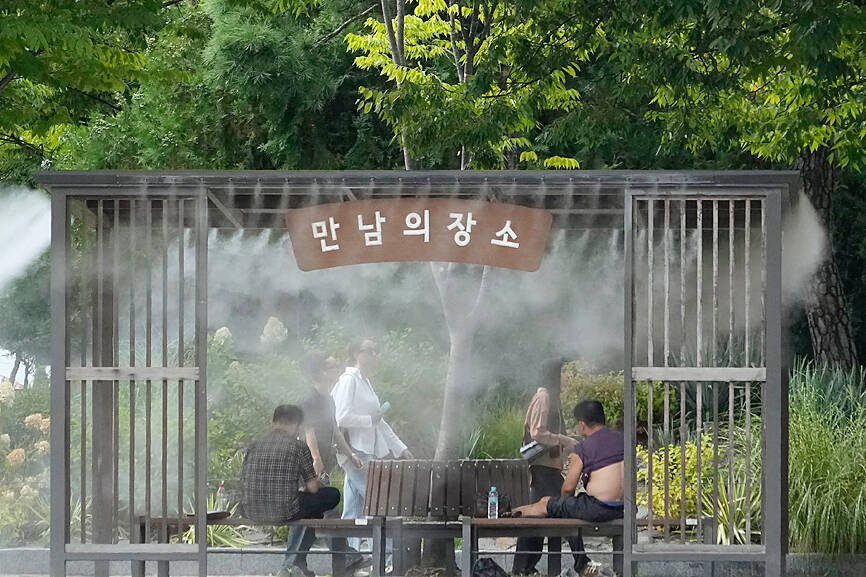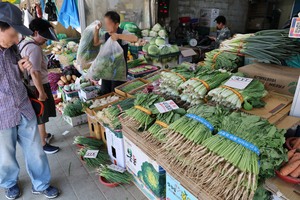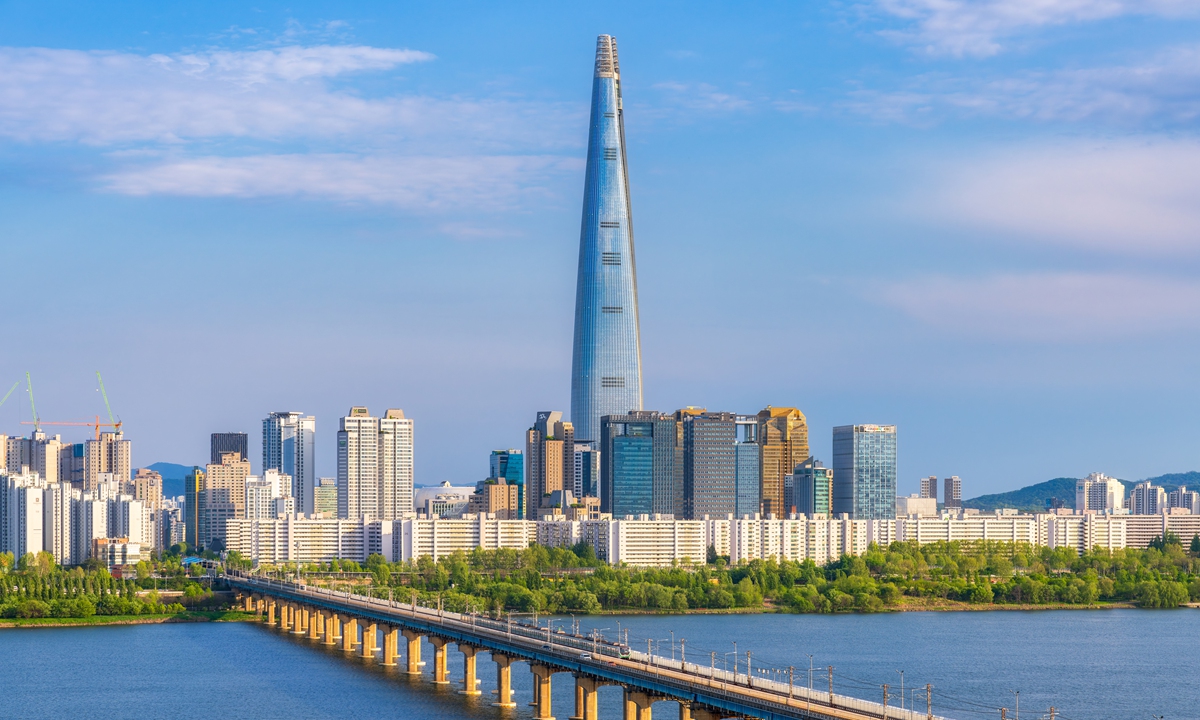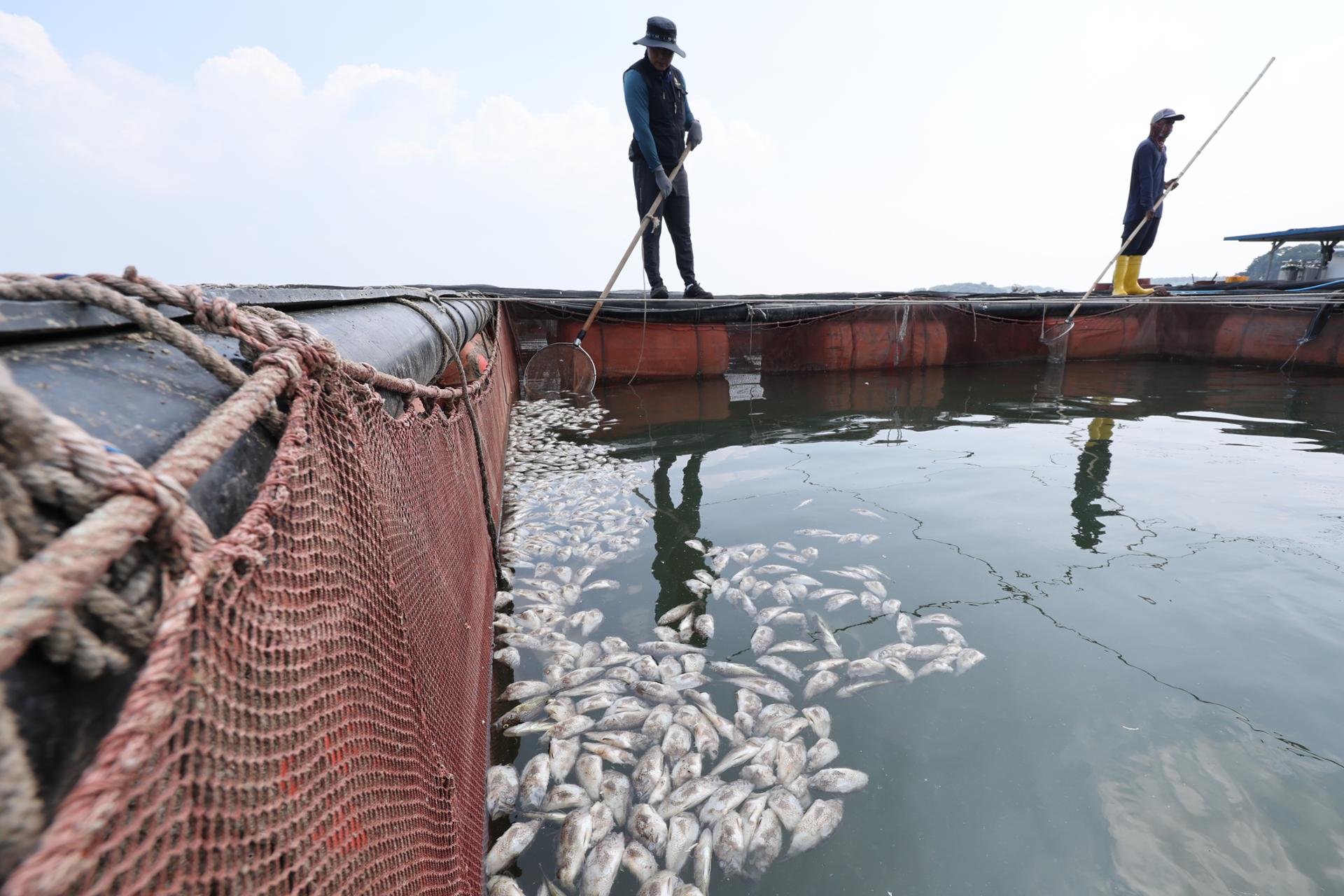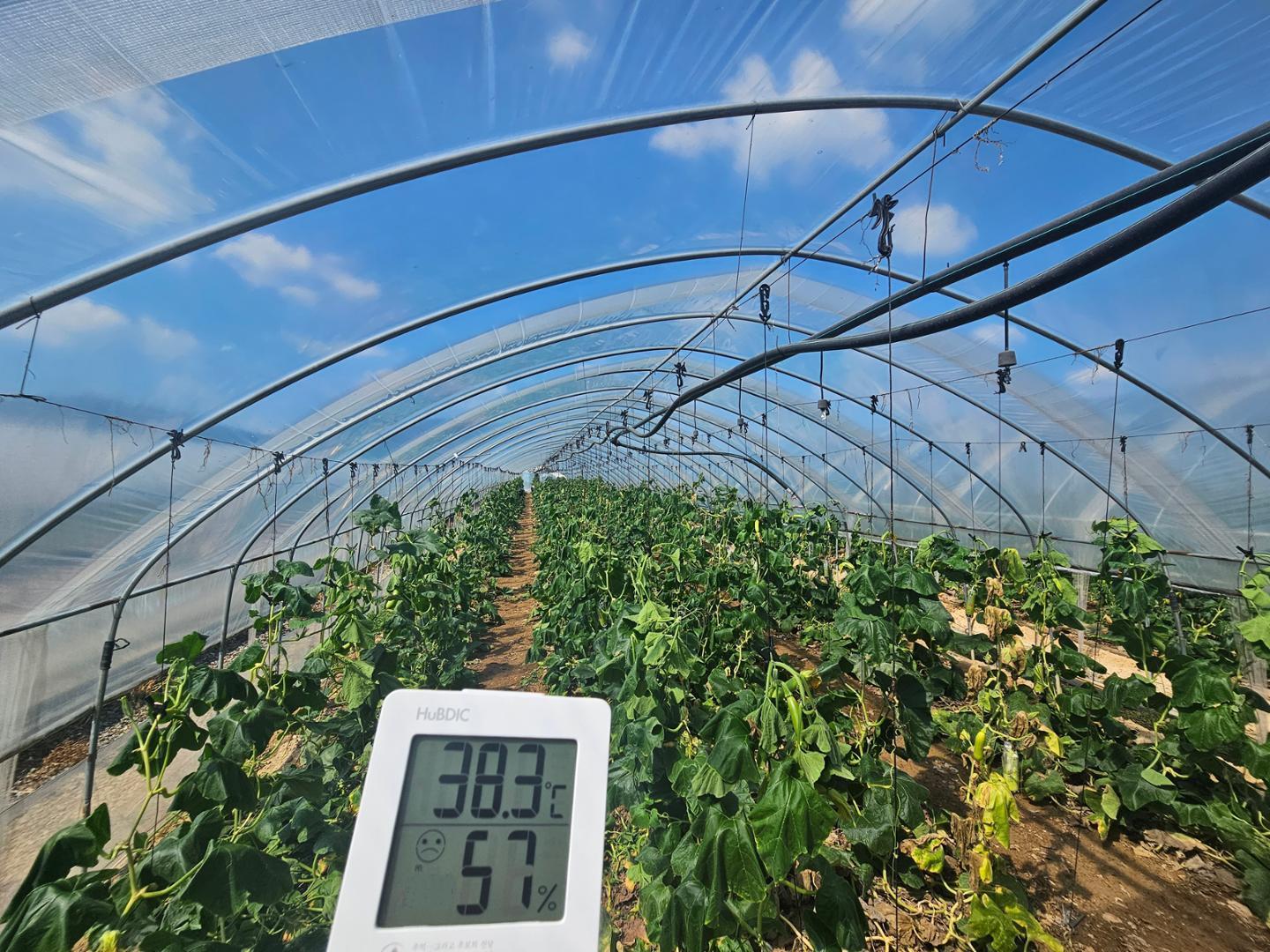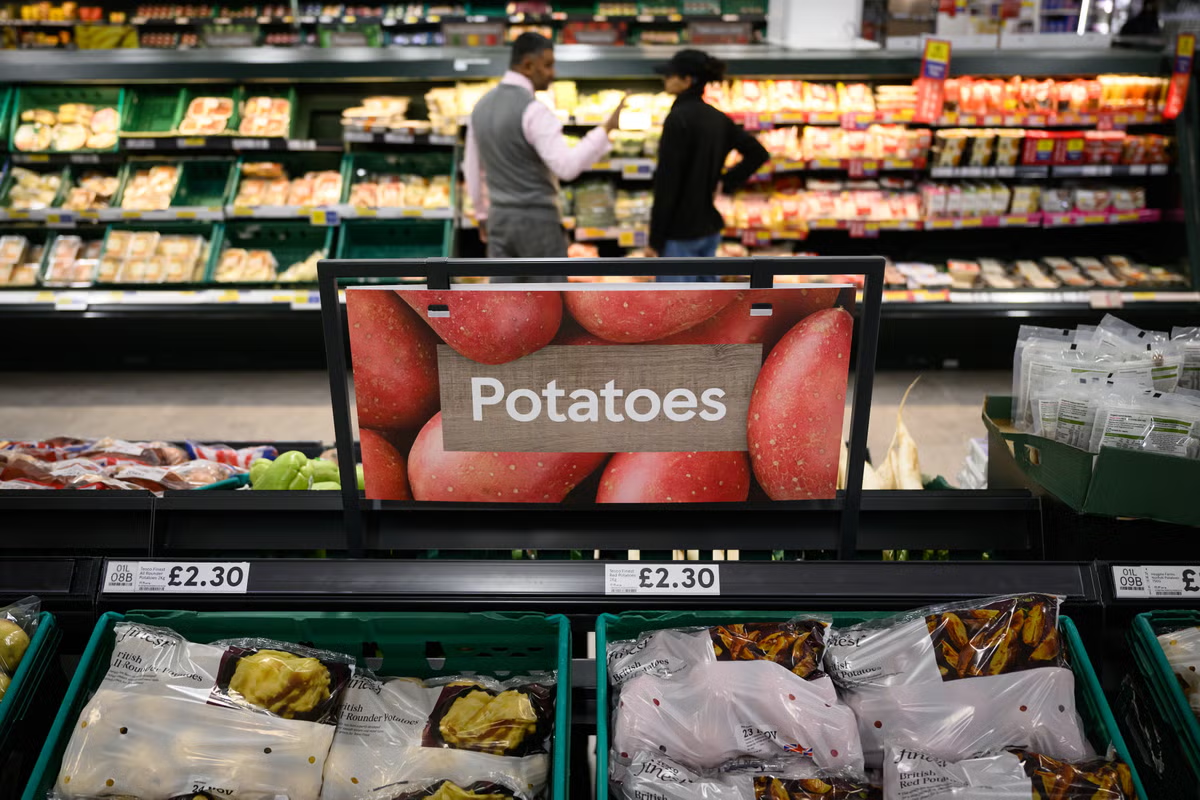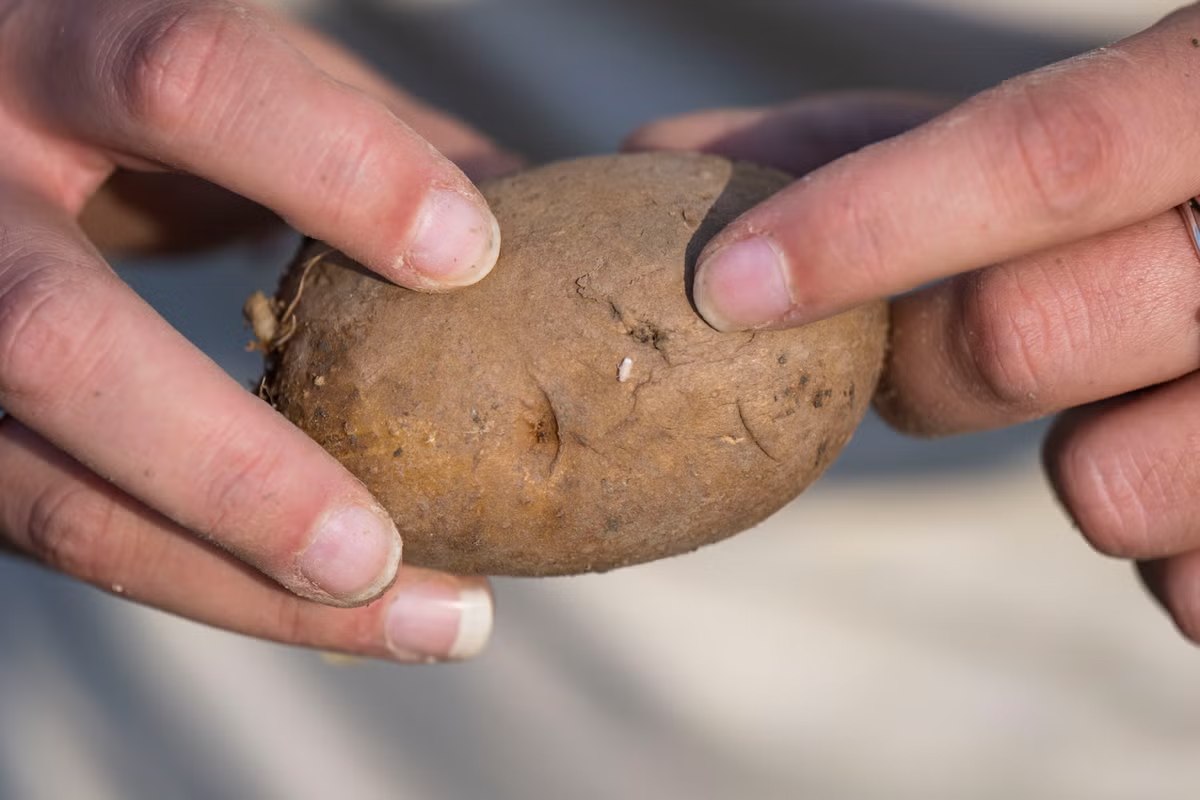
Potatoes are coming out of the ground already spoiled in parts of South Korea, becoming soft as though they had been boiled after weeks of heat that set the country's highest temperature on record.Farmers in Gangwon province, the mountainous region in the north-east, have dug through fields that looked healthy a week earlier and found nothing worth lifting, local media reported. "It's not just one or two fields like this. How can I even put it into words? I'm so upset," Lee Sang-hyuk, who farms at Haean in Yanggu county, near the border with North Korea, told the local broadcaster SBS. He said he had farmed for 40 years and never seen anything like it. Thousands of pyeong of cabbage nearby, a Korean unit equivalent to about 3.3 square metres, have been ploughed back into the soil after the crop burned in the field while farmers held off harvesting to wait for a better market price. The lost cabbage would have been worth tens of millions of won, running into thousands of pounds.Gangwon province, the mountainous region in the north-east where both farms sit, issued its first severe heat warnings this month for the towns of Chuncheon, Hongcheon and Hoengseong.Not just vegetables, fruit crops too have been affected, farmers said. Apples are suffering sunscald, where skin exposed to direct sun burns and discolours, and peaches are splitting. Cheon Jeong-tae, an apple farmer, told SBS that trees which should be colouring up for the Chuseok harvest festival at the end of September had stopped developing, with only the sun-facing side turning red and the risk that it will bleach white if the heat continues.A boy plays at a ground fountain during a heatwave in central Seoul, South Korea (Reuters)The heat has been blamed for at least 31 deaths across South Korea, according to the Korea Disease Control and Prevention Agency, along with more than 900,000 livestock and 1.4 million farmed fish. On 2 August the south-eastern city of Yangsan reached 42.5C, the highest temperature measured in the country since modern observations began in 1904. Britain's own record, set at Coningsby in Lincolnshire in July 2022, is 40.3C.Not just crops, farmers themselves have also been affected severely due to heat stress. They say they cannot follow official advice to stay indoors during the hottest hours while their crops rot."They tell us not to go out and work during the day, but these peaches keep rotting," the peach grower Park Won-seon said.President Lee Jae Myung told his cabinet the weather was unlike anything the country had experienced and called for an overhaul of the national crisis system, saying such extremes were becoming the new normal.South Korea's summer heat has killed 16 people so far this year (AFP/Getty)Damage assessments so far have concentrated on deaths and livestock losses, and officials have not yet been able to measure the scale of crop damage. Farmers expect food prices, already high, to climb further before Chuseok, the three-day autumn harvest festival in South Korea, when families buy in bulk for holiday meals.Potatoes are among the crops researchers have already flagged as vulnerable. A study published in Potato Research in 2024 by scientists at the Leibniz Centre for Agricultural Landscape Research and the Brandenburg University of Technology found that South Korea's summer potato crop will need varieties bred for heat tolerance under any climate scenario, while spring potatoes could benefit from earlier planting.South Korea has seen temperatures close to 40C before storms brought brief relief to the country’s brutal heatwave. Japan recorded 40C or above at several locations and logged its first officially designated cruelly hot day, a category its weather agency introduced this year. Hong Kong reached 36.9C, its highest since records began in 1884. A weather station in China's Xinjiang region recorded 50C in July.Asia has been warming at roughly twice the rate over the past 35 years that it did in the preceding three decades, according to the World Meteorological Organisation's most recent State of the Climate in Asia report.
South Korean farmers find potatoes ‘boiled’ in ground by record heat
Apples are suffering sunscald, where skin exposed to direct sun burns and discolours, and peaches are splitting
665 words~3 min read