Part 2 of a series on building an AI-native platform. This one is about the thing that actually determines output quality — and a feature we shipped because of it.
The determinism gap
Code is deterministic. Same input, same output, every time. That property is the whole reason we can test it, cache it, and reason about it.
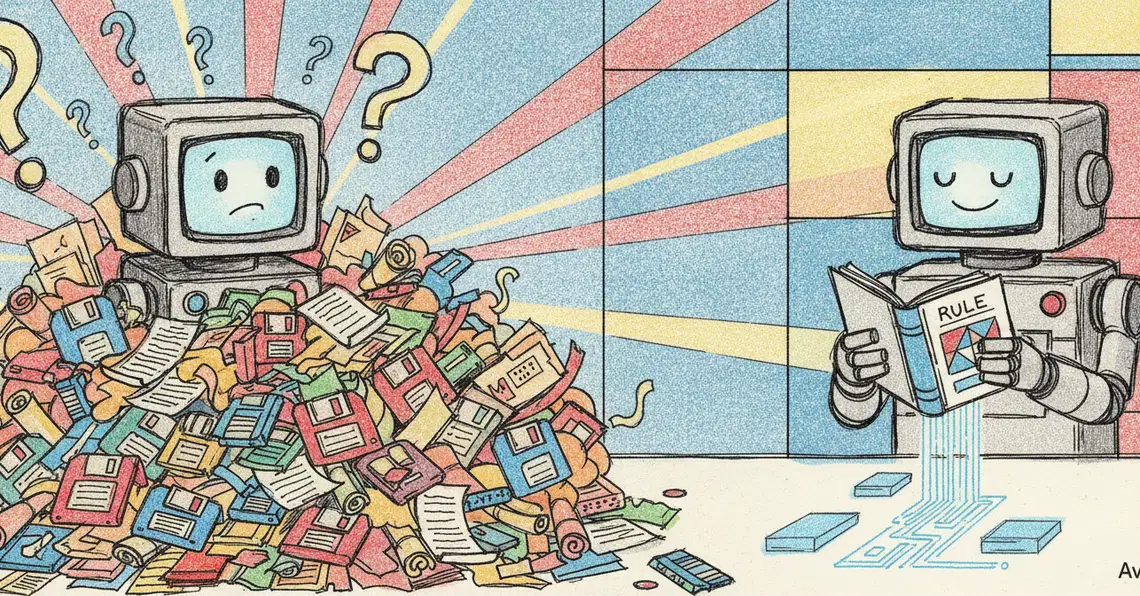
AI is not that. Same prompt, different answer, and no amount of shouting in capital letters changes the underlying fact that you're sampling from a distribution. If you've built anything real on top of an LLM, you already know this in your bones: the demo works, the eval is flaky, and the difference between "ship it" and "delete it" often comes down to something you can't quite point at.
So here's the question that matters for anyone building with these models: if the model doesn't guarantee quality, where does quality come from?