To engineer-turned-corporate executive Guillaume Lucci, there’s a straightforward solution to the Philippines’ ongoing energy emergency.
“What we need is more energy of all sorts, not only more renewable energy,” Lucci, the CEO of Filipino infrastructure firm Prime Infra, tells Fortune at the firm’s headquarters in Pasay City, Manila. “We don’t see energy reliability and affordability as being decoupled from decarbonization, but for now, we need a bit of everything.”
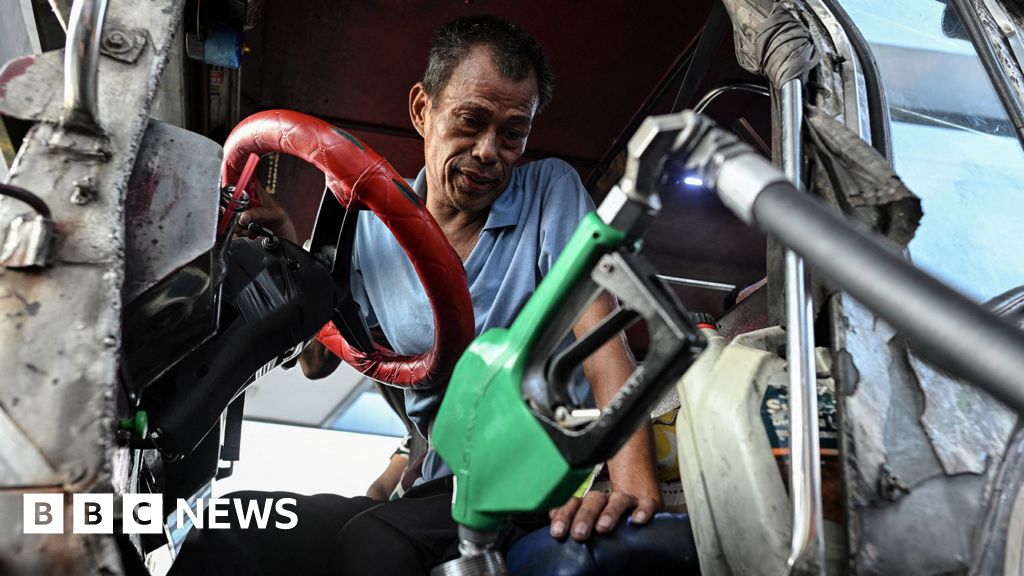
When the U.S.-Iran war broke out in February, shuttering the Strait of Hormuz and halting oil flows from the Gulf, there were few countries as hard hit as the Philippines. The archipelagic Southeast Asian country, which imports 98% of its oil from the Gulf, declared a nationwide energy emergency on March 24, which President Ferdinand Marcos Jr. said would remain in effect for a year.
Lucci’s pragmatic all-of-the-above approach cuts against some of the more purist energy transition narratives dominating Western capitals. In a country that imports almost all of its fuel from the Gulf, and had just 45 days of buffer supply during one point in the Iran crisis, he argues that reliability, affordability, and decarbonization can’t be sequenced neatly but must be pursued in parallel.