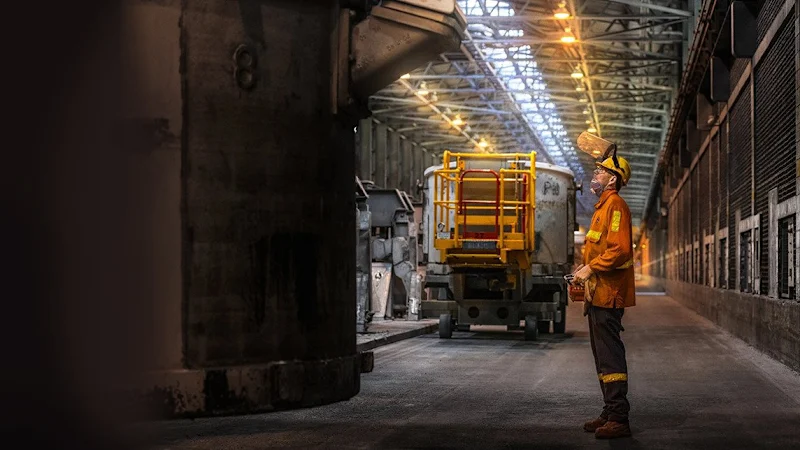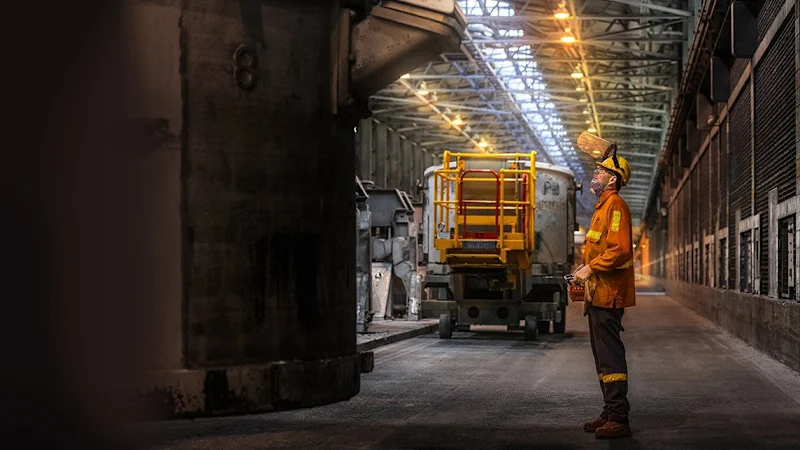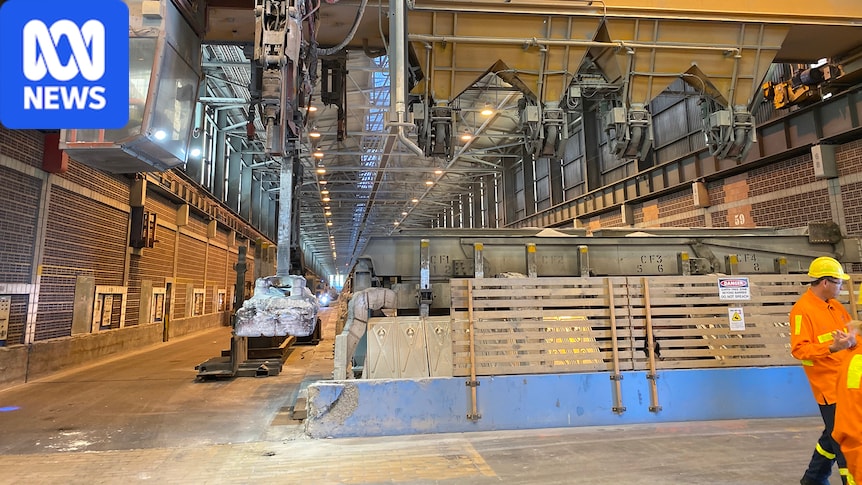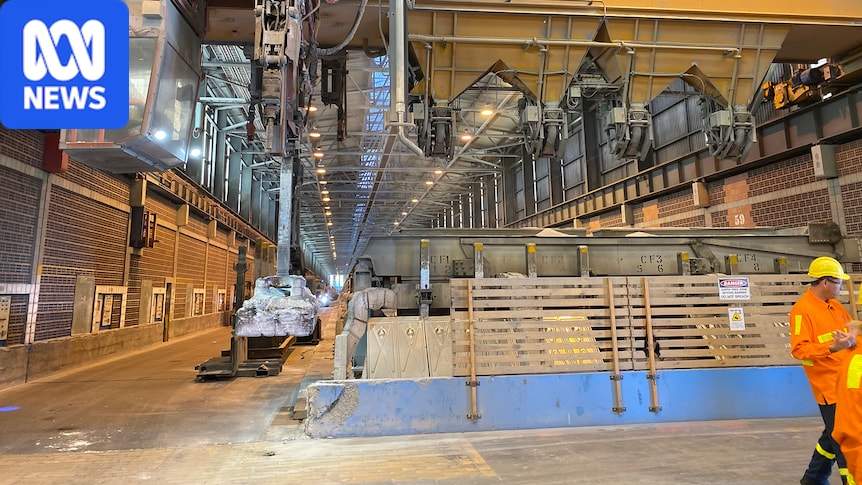
The landmark decision to provide $2.5 billion to support the transition of Australia’s biggest aluminium smelter and biggest electricity user from coal to renewables is being hailed as a major breakthrough for the country’s energy transition.
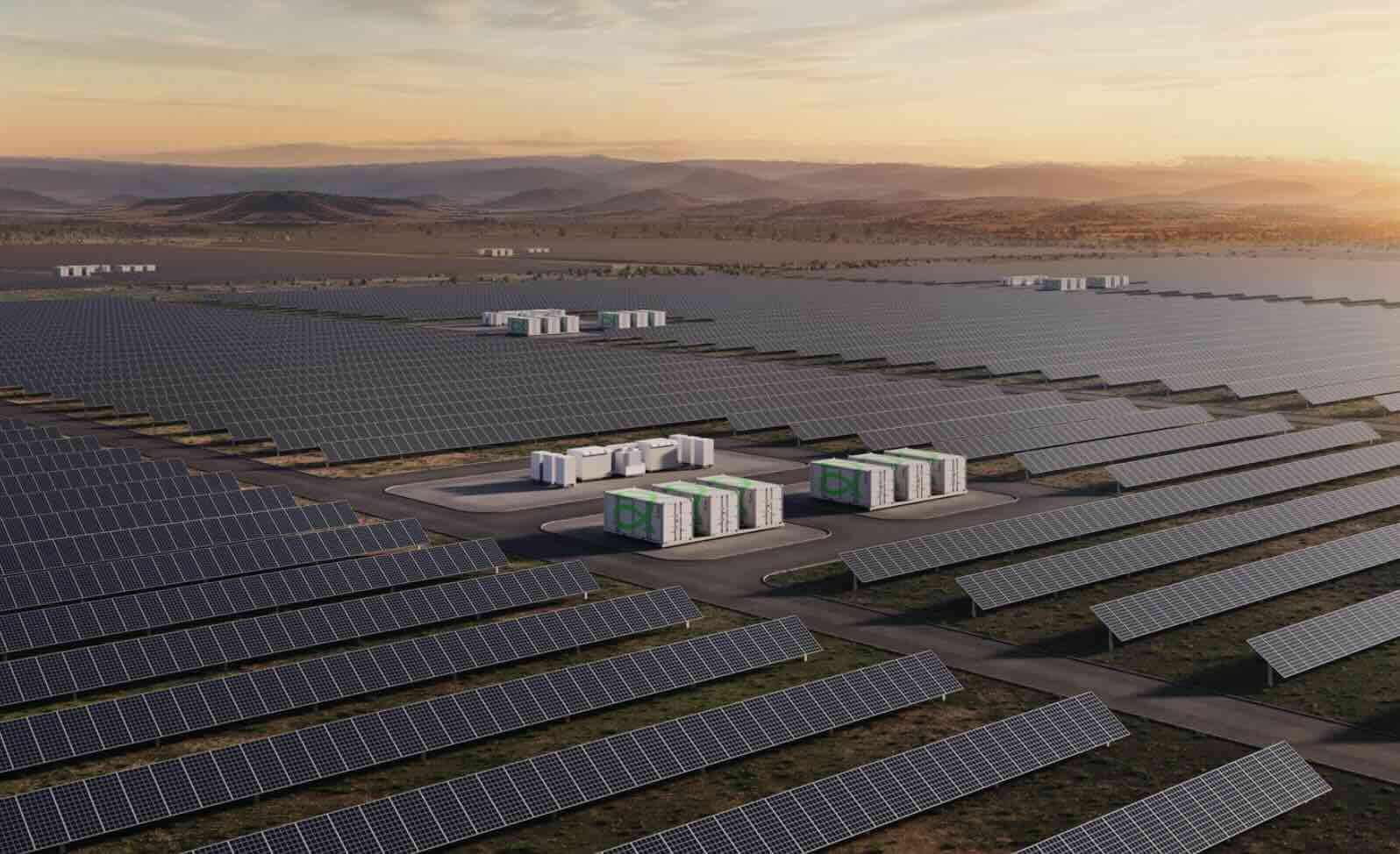
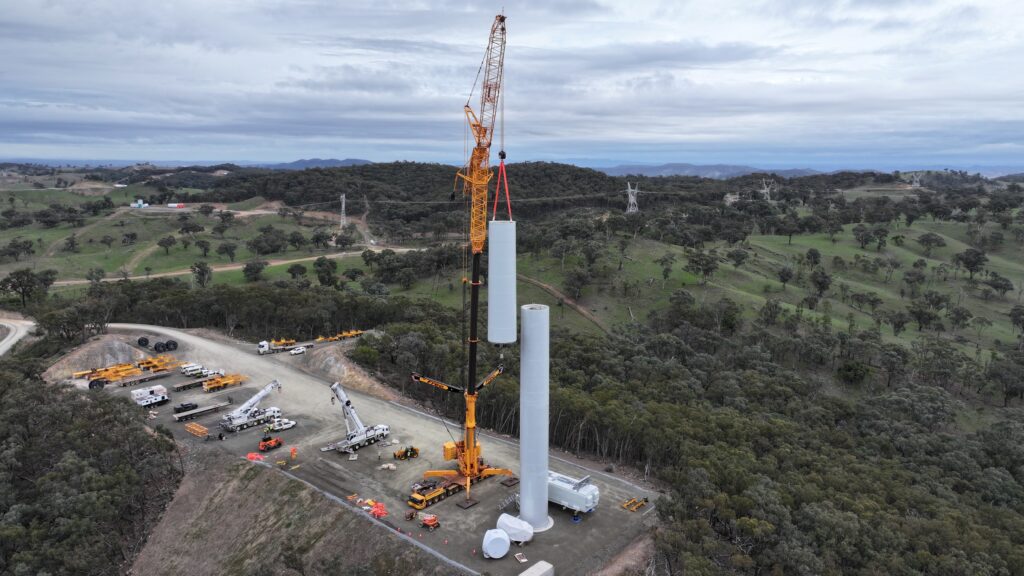
The decision is likely to break the massive road blocks in new project investments and unleash at least 3 gigawatts of new wind and solar capacity, possibly more. But it will take time, with Rio Tinto not expecting the new electricity supply to be 100 per cent renewable until 2033.
That timeline seems slow, but probably realistic given the time it takes to get financing, financial approvals and construction in Australia these days, and the potential limitations on transmission, with work still underway in the Central West Orana renewable energy zone, and yet to start in others such as New England.
There are concerns, however, over how the transaction will be managed, and who will get the final call on which projects go ahead and why.
The funding deal between the state and federal governments puts Snowy Hydro in centre stage, as it will be writing the contracts for new wind and solar and providing the power until those new projects are built.