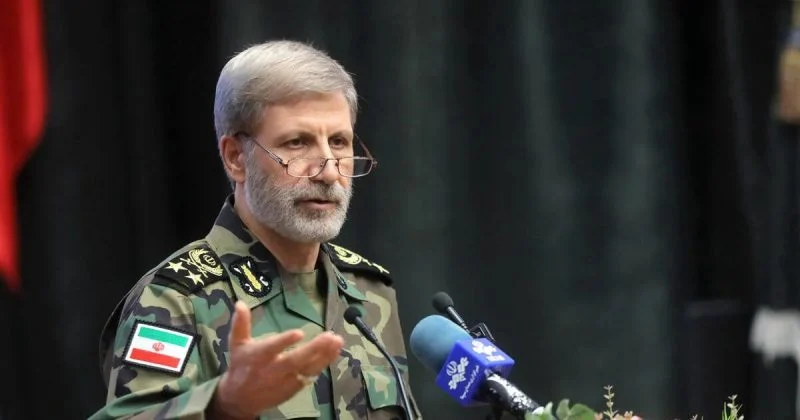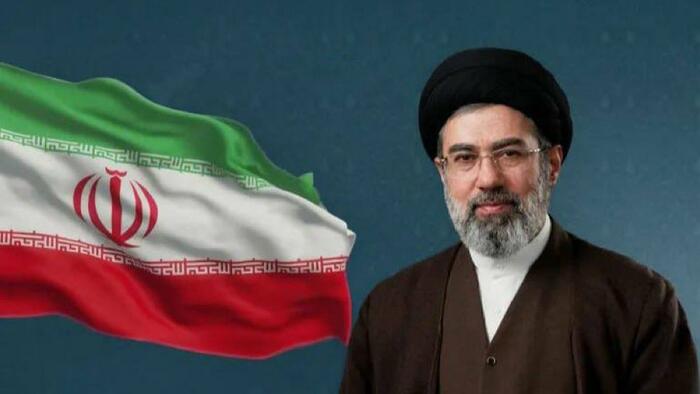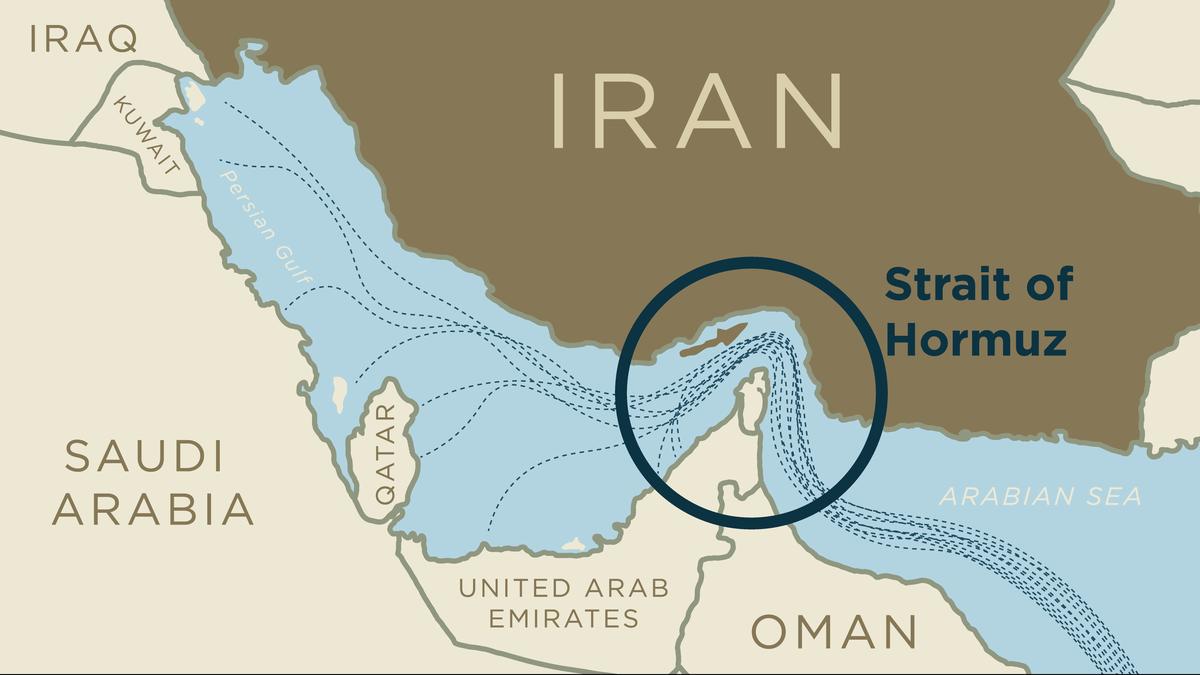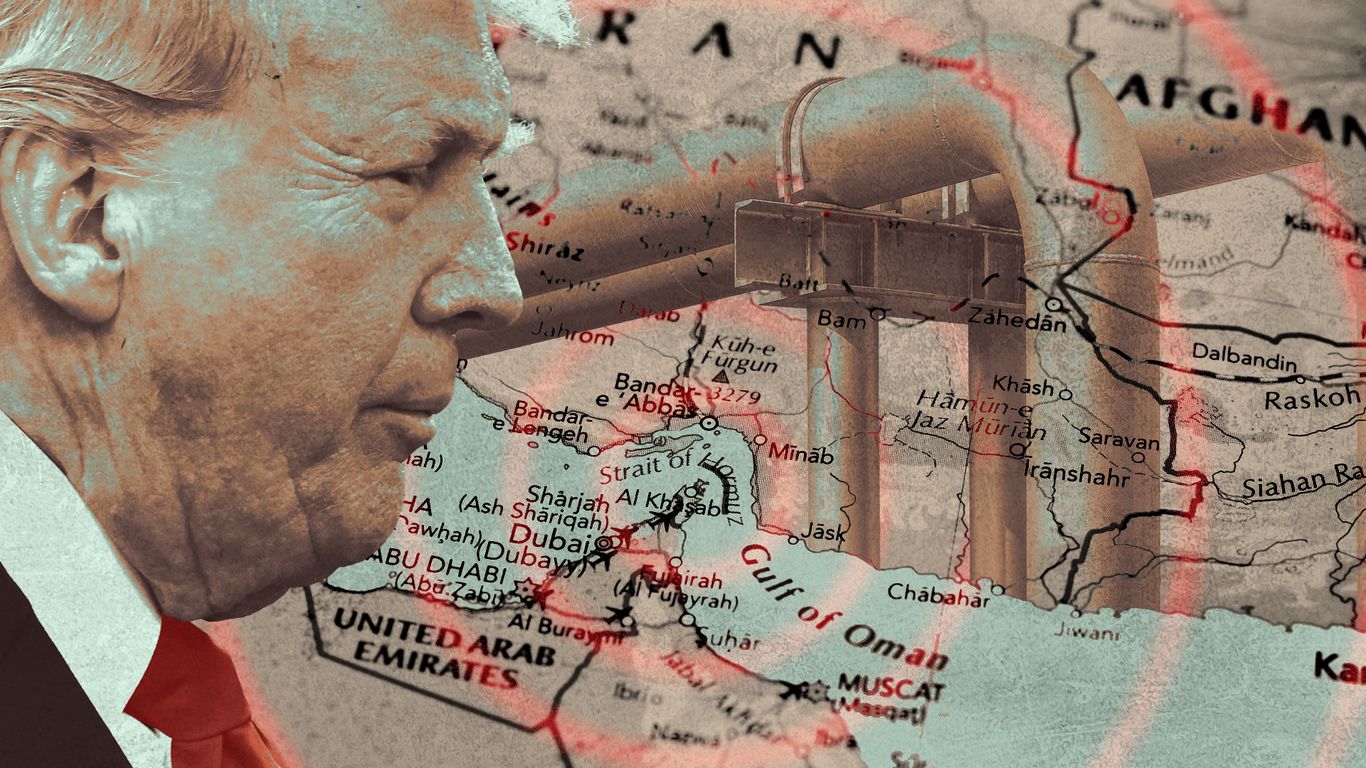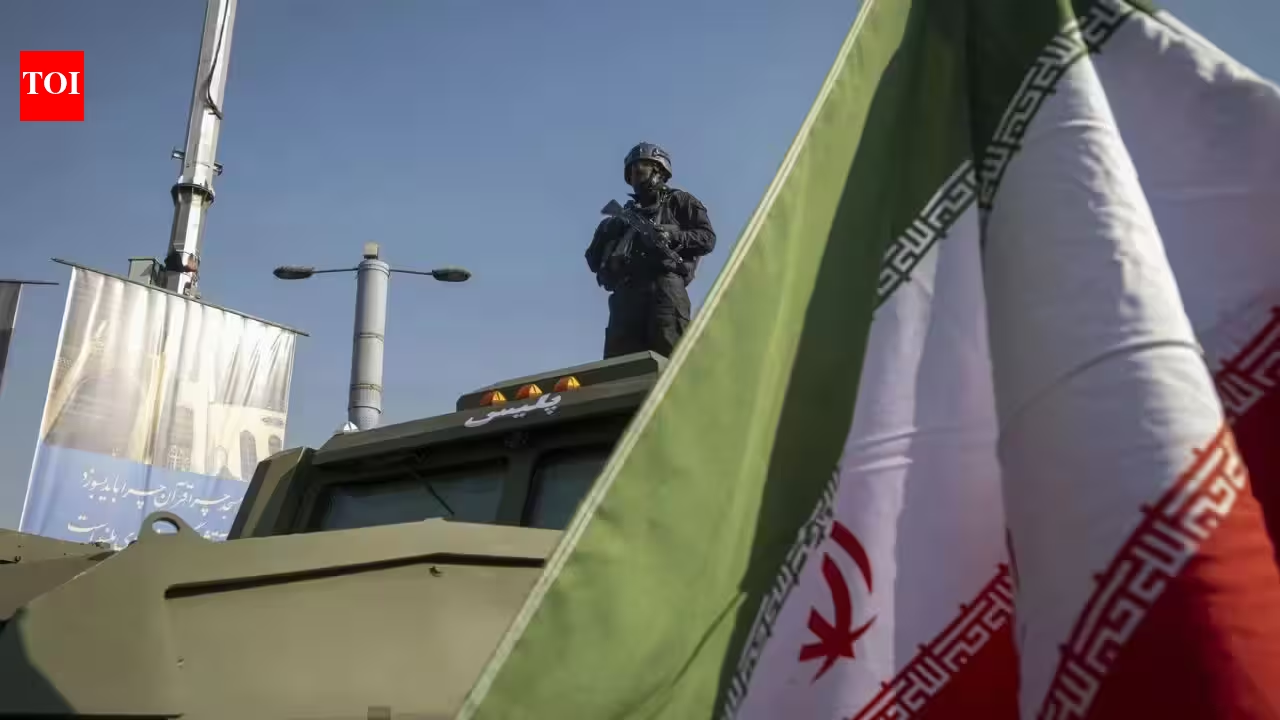
An armed member of Iran's special forces in Tehran. Morteza Nikoubazl Getty ImagesIran has begun reshaping its military posture as the conflict with the United States enters a more uncertain phase, with Tehran preparing its forces for the possibility of a prolonged confrontation.According to Bloomberg, a series of senior military appointments by Supreme Leader Mojtaba Khamenei marks a shift towards what Iranian officials describe as an “offensive doctrine”. The changes come as US-Iran talks remain deadlocked, with Tehran and Washington still divided over the terms of a possible agreement and the future of the Strait of Hormuz.Mohammad Reza Naqdi, an Islamic Revolutionary Guard Corps general advising the force's new commander, said Iran must be capable of conducting operations on enemy territory when conditions permit and orders are given.There has been little progress between Iran and the US over the Strait of Hormuz, with both sides claiming control of the key waterway and demanding concessions from the other. Although fighting has eased after nearly six months of war, efforts by Pakistan and Qatar to broker a lasting peace have yet to produce a breakthrough.Trump claims control over HormuzUS President Donald Trump has for months alternated between threatening to resume attacks on Iran and expressing confidence that negotiations to end the war are progressing.On Wednesday, he claimed “total control over the Strait of Hormuz”, while Iran has repeatedly rejected the claim and continued to challenge US efforts to control traffic through the waterway.Trump has also maintained that Iran’s military has been destroyed and that the country is running out of money because of economic pressure. Mohammad Reza Naqdi disputes this assessment and said Iran’s ballistic missile production is continuing at a rate “much greater” than its use, although he did not provide figures.The Strait of Hormuz remains at the centre of the standoff. Before the US and Israel began attacking Iran on February 28, around a fifth of the world’s oil and liquefied natural gas passed through the waterway. Traffic is still moving, but at a much lower rate, with producers using alternative routes and other measures to keep energy supplies reaching global markets.Pakistani defence minister Khawaja Asif told Bloomberg that the US and Iran are “close to some sort of arrangement”, although he did not provide details. Pakistan's Interior Minister Mohsin Naqvi also delivered messages from Prime Minister Shehbaz Sharif and army chief Field Marshal Asim Munir to Iran’s leadership as part of the mediation effort.Iran has begun reshaping its military posture as the conflict with the United States enters a more uncertain phase, with Tehran preparing its forces for the possibility of a prolonged confrontation.According to Bloomberg, a series of senior military appointments by Supreme Leader Mojtaba Khamenei marks a shift towards what Iranian officials describe as an “offensive doctrine”. The changes come as US-Iran talks remain deadlocked, with Tehran and Washington still divided over the terms of a possible agreement and the future of the Strait of Hormuz.Mohammad Reza Naqdi, an Islamic Revolutionary Guard Corps general advising the force's new commander, said Iran must be capable of conducting operations on enemy territory when conditions permit and orders are given.There has been little progress between Iran and the US over the Strait of Hormuz, with both sides claiming control of the key waterway and demanding concessions from the other. Although fighting has eased after nearly six months of war, efforts by Pakistan and Qatar to broker a lasting peace have yet to produce a breakthrough.Trump claims control over HormuzUS President Donald Trump has for months alternated between threatening to resume attacks on Iran and expressing confidence that negotiations to end the war are progressing.On Wednesday, he claimed “total control over the Strait of Hormuz”, while Iran has repeatedly rejected the claim and continued to challenge US efforts to control traffic through the waterway.Trump has also maintained that Iran’s military has been destroyed and that the country is running out of money because of economic pressure. Mohammad Reza Naqdi disputes this assessment and said Iran’s ballistic missile production is continuing at a rate “much greater” than its use, although he did not provide figures.The Strait of Hormuz remains at the centre of the standoff. Before the US and Israel began attacking Iran on February 28, around a fifth of the world’s oil and liquefied natural gas passed through the waterway. Traffic is still moving, but at a much lower rate, with producers using alternative routes and other measures to keep energy supplies reaching global markets.Pakistani defence minister Khawaja Asif told Bloomberg that the US and Iran are “close to some sort of arrangement”, although he did not provide details. Pakistan's Interior Minister Mohsin Naqvi also delivered messages from Prime Minister Shehbaz Sharif and army chief Field Marshal Asim Munir to Iran’s leadership as part of the mediation effort.
Iran prepares for prolonged war as US talks over Hormuz remain stalled
Iran has begun reshaping its military posture as the conflict with the United States enters a more uncertain phase, with Tehran preparing its forces for the possibility of a prolonged confrontation.
797 words~4 min read