On the financial side, the results came in somewhat better than Wall Street had expected. Virgin Galactic reported a GAAP loss of $0.50 per share, beating analysts’ estimate by $0.14, while revenue totaled $134,000, falling about 67% from the year-ago period but landing in line with expectations. The company recorded a $56 million net loss, improving from a $67 million loss one year earlier, primarily due to lower operating expenses and an $8.6 million gain related to debt extinguishment.
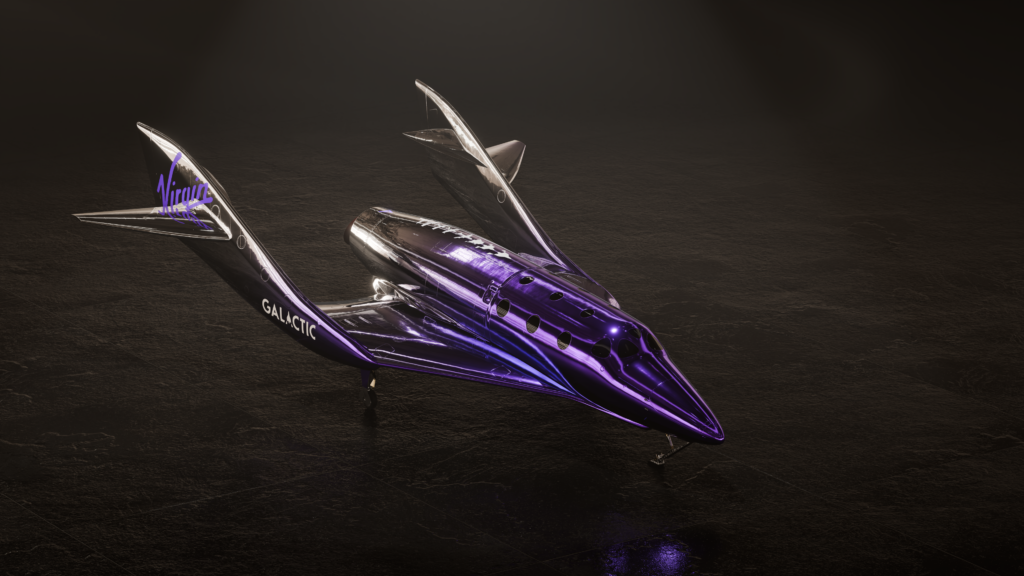
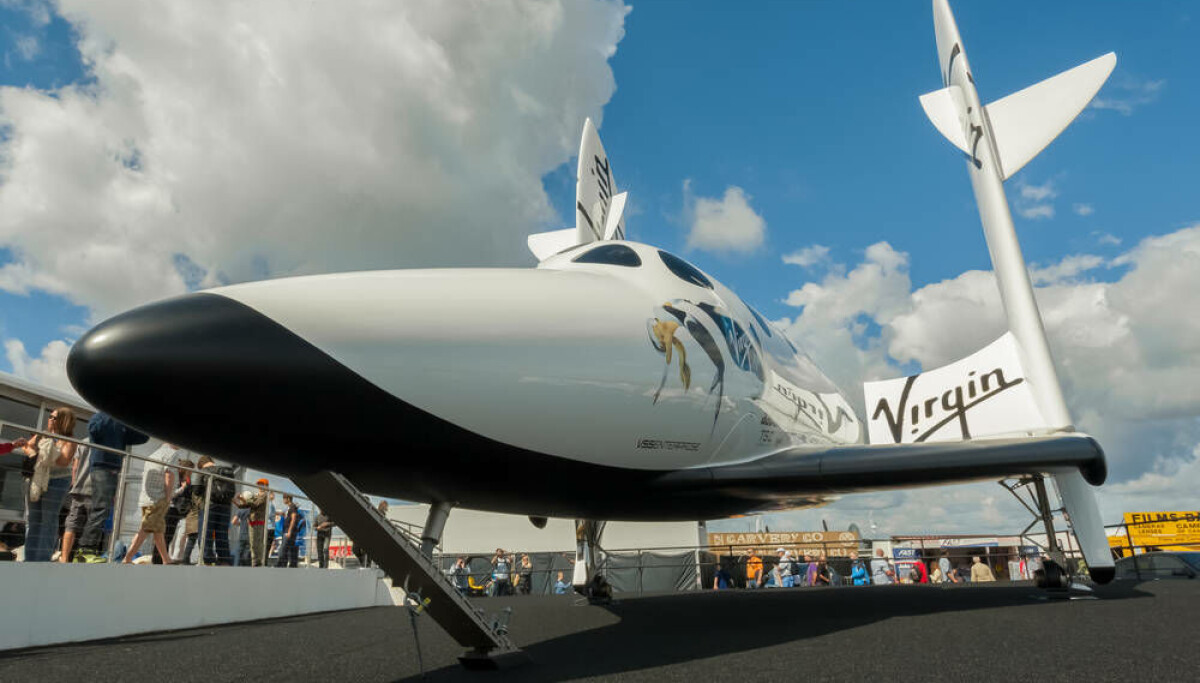
Still, the revised commercial timetable gives investors something more immediate to digest following the report. Virgin Galactic now expects its first new spaceship to begin commercial service in February 2027, compared with its previous target of the fourth quarter of 2026. Management said the additional time will allow the company to complete avionics and systems installations, with the vehicle’s flight-testing phase scheduled to begin in October. A second spaceship is then expected to join the commercial fleet one month later, during March 2027.
Customer demand provides a brighter part of the update while Virgin Galactic works toward those milestones. CEO Michael Colglazier said the recent tranche of spaceflight expeditions priced at $750,000 was oversubscribed and booked out ahead of schedule, representing more than $50 million in expected future spaceflight revenue. The company plans to release another tranche at higher prices this fall, providing another test of customer appetite before commercial operations resume. Virgin Galactic expects to reach positive quarterly cash flow sometime during 2027, following the return of commercial spaceflight operations.