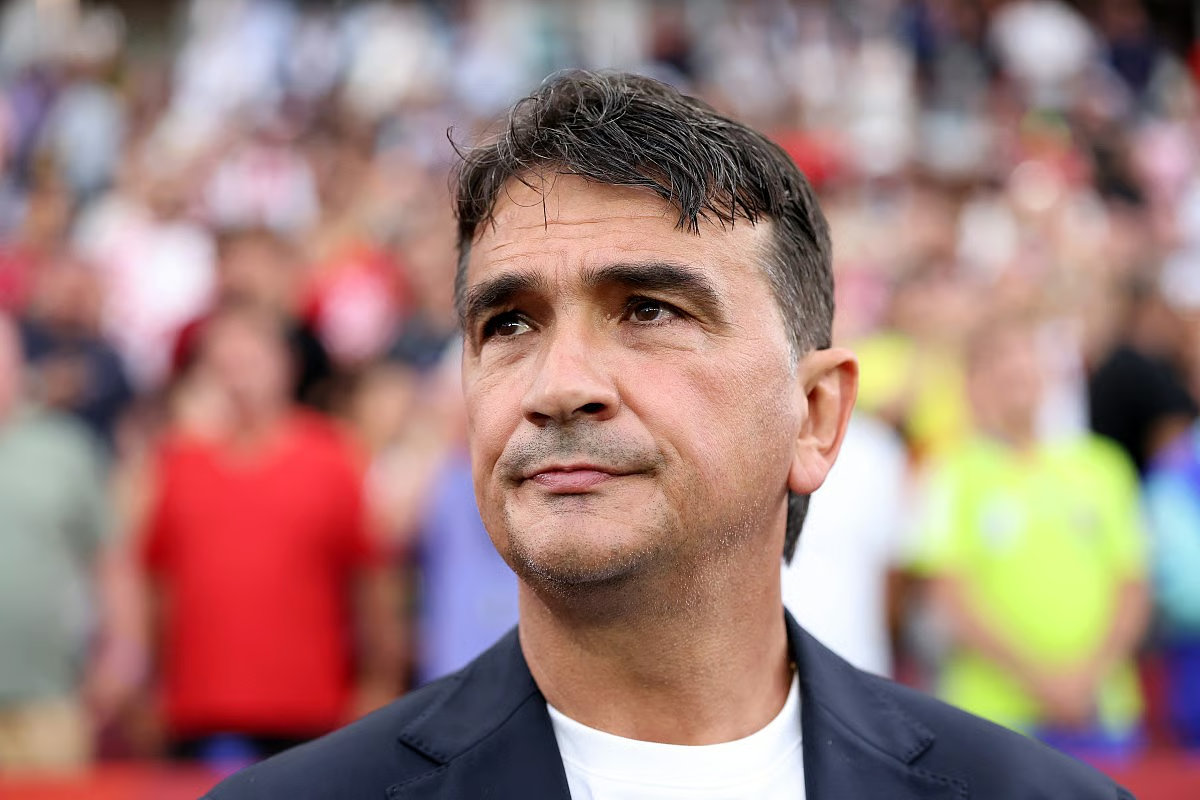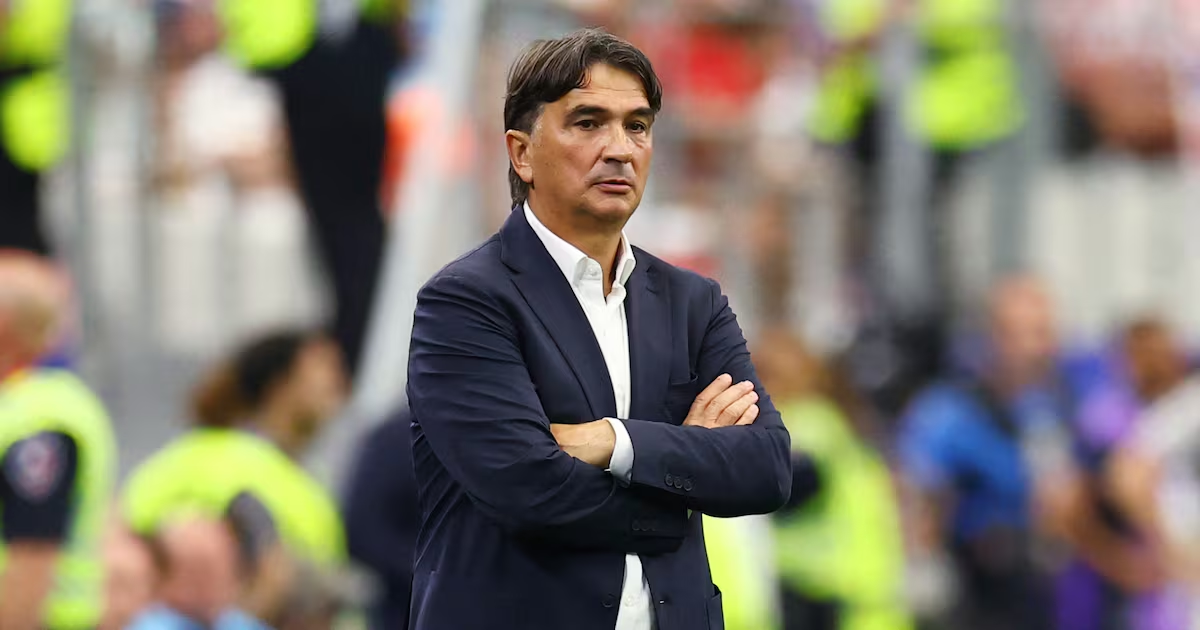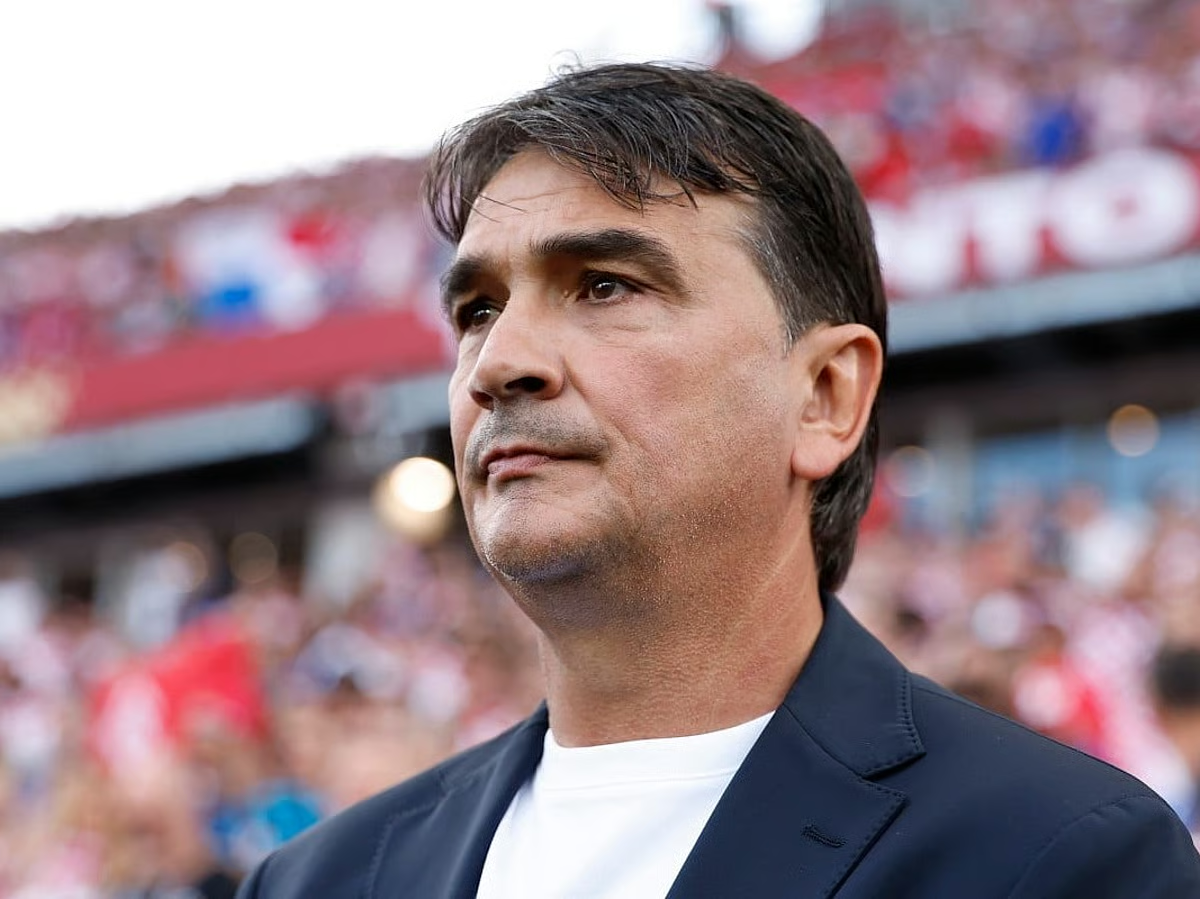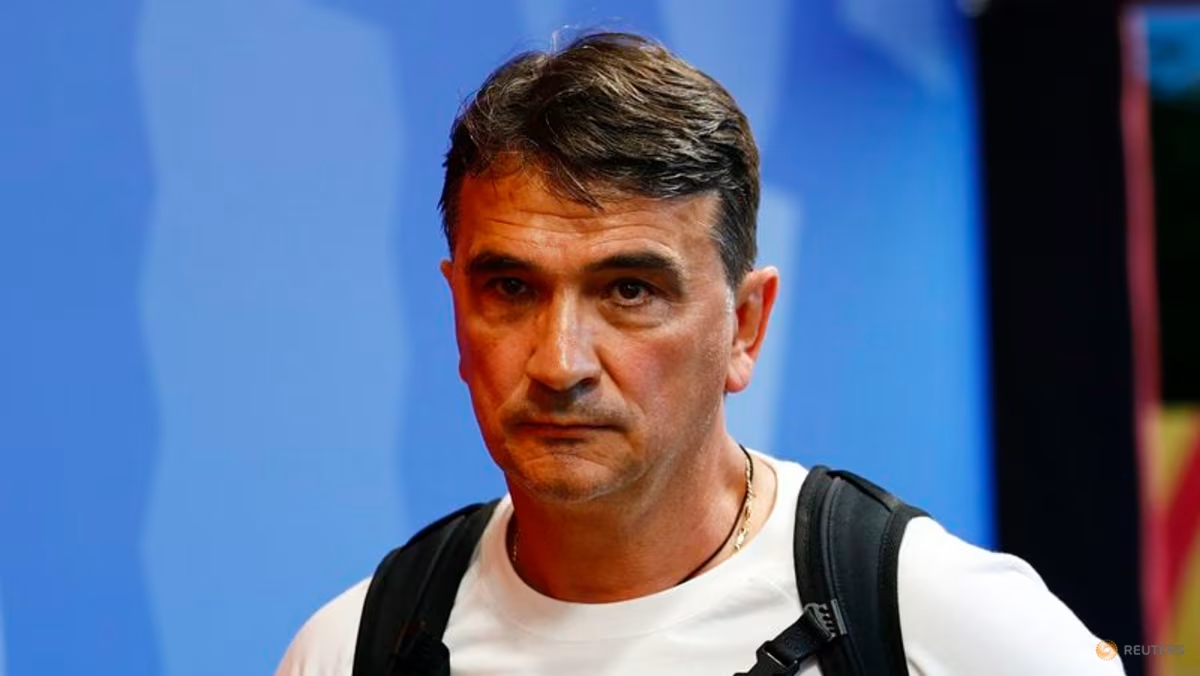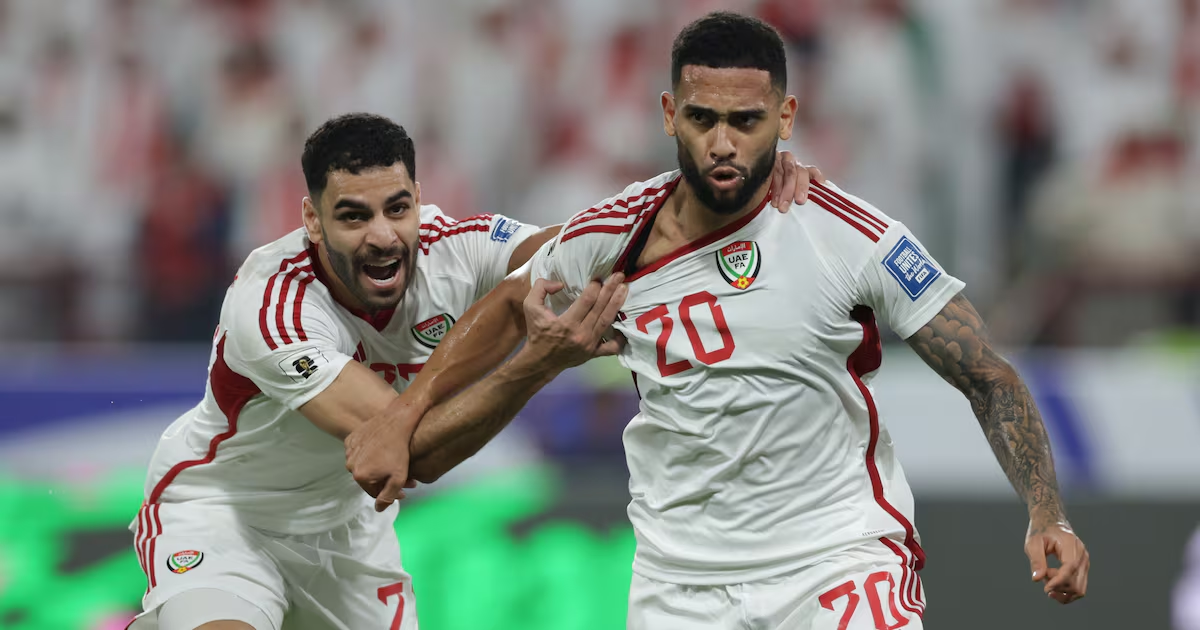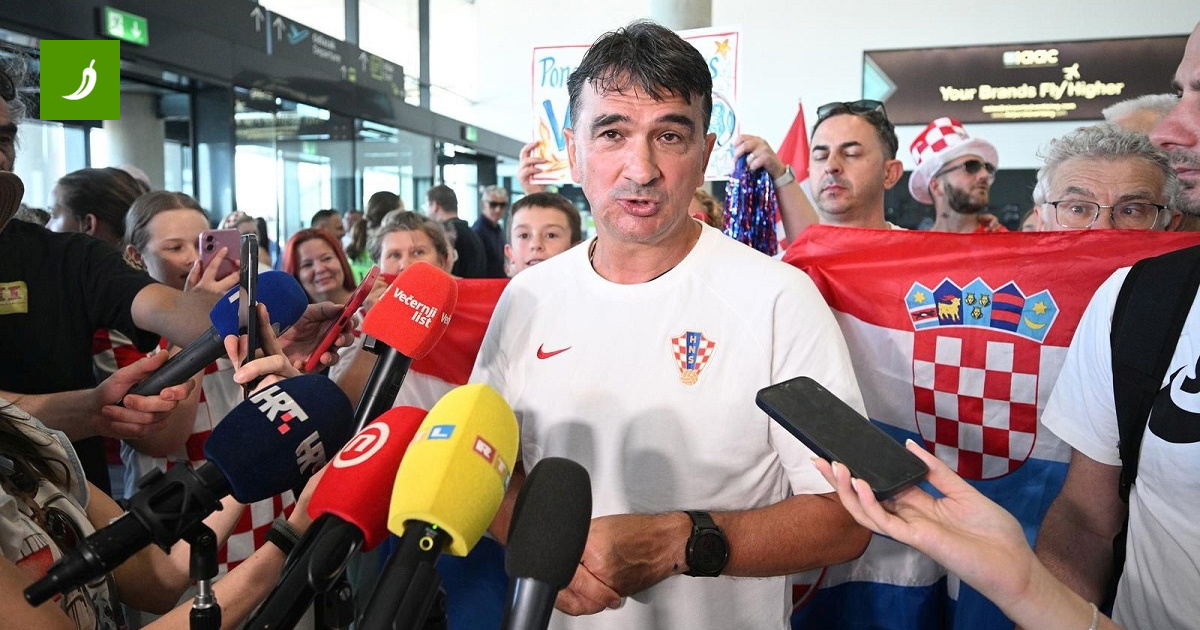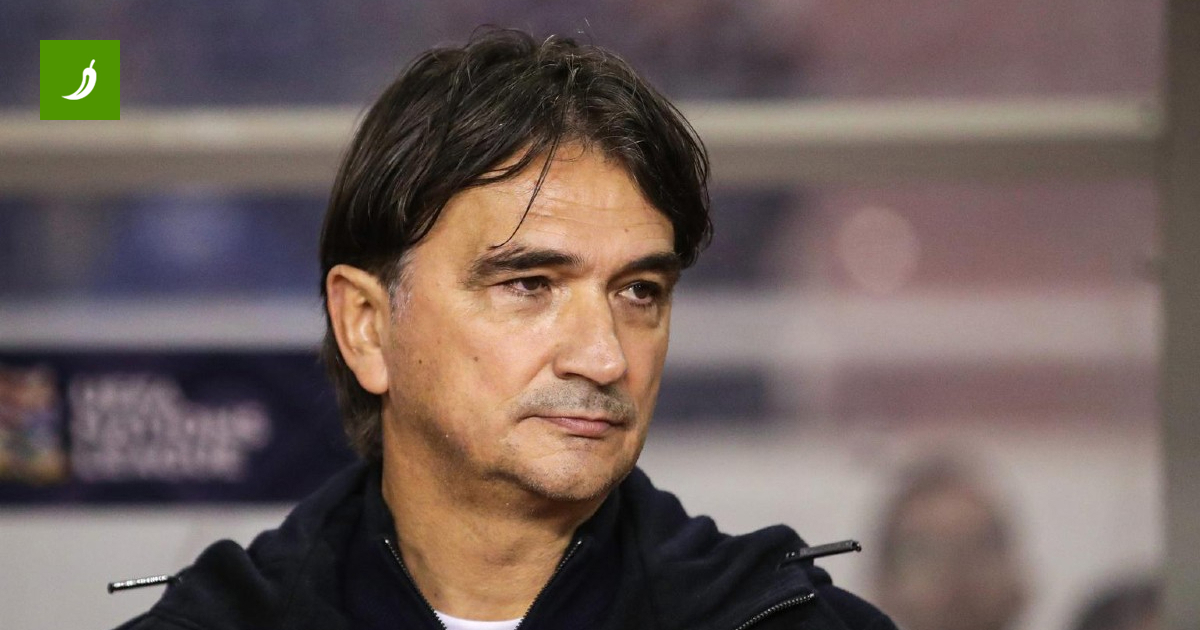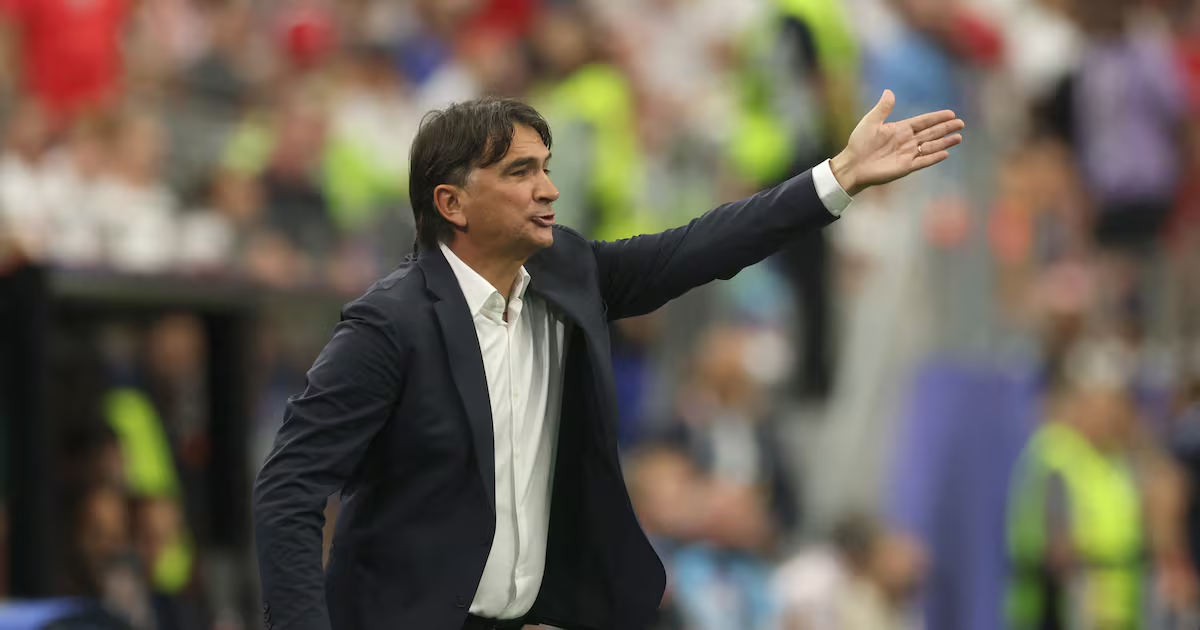
Back in 2019, when he was still basking in the glow of taking his homeland to the World Cup final a year earlier, Zlatko Dalic pondered what the future would look like.A job at a good club in a Big Five league, he said, then get a boat and retire. He would not, he said, “die on the bench” as the job of a football coach is too stressful.Life does not always work out as planned. In the intervening seven years, he has burnished his CV with more impressive feats with Croatia. And now he is taking up the job of coach of the UAE.It’s not a gig in a top European league, but it is Big Five wages, at least. It is said Dalic’s salary will be up there in the very top echelon of international football coaches.Reports in Croatia claim only Carlo Ancelotti, Thomas Tuchel and Mauricio Pochettino will be earning more than him.He is 59 now. What happened to that cushy retirement at home on the water in Croatia? For him to carry on in the Middle East, with a side that did not even make it to the expanded 2026 World Cup, let alone contend, he must be a mercenary, right? Hardly. Dalic has long been paying it forward in dispelling that myth. For him, the UAE job is an itch that needed scratching. Obviously not quite such a labour of love as that of his homeland, but certainly a meaningful second.He has already done his dream job – that of Croatia manager – for the past eight years. And it could scarcely have gone better.Two World Cup medals – a silver in 2018 and bronze four years later – with a country not previously regarded among football’s very elite. It is Boy’s Own stuff.“I reacted emotionally because I always wanted to be the coach of the Croatian football team,” he once said about taking that job, at two days’ notice ahead, of a crucial World Cup qualifier.Croatian football was in a muddle at that point, facing the very real possibility of not making it to Russia. Eight months later they were in the final in Moscow.All the while, he never lost touch with the country where he really made his name as a coach.It was because of his achievements with Al Ain in the UAE that he was considered by his home federation. Now he wants to pay the country back for what it did for him.During that dream run to the 2018 final, he said he was constantly receiving messages of support from the UAE, as well as Saudi Arabia, where he had worked previously.It thrilled him to see that the Burj Khalifa was illuminated with a Croatia flag, during the final throes of the World Cup.At the time, he told The National “I will stay Ainawi for ever,” meaning a supporter of Al Ain.“I learnt at Al Ain where every week I was under pressure, from the fans, from the club, from everyone,” he said back then.“I learnt everything the last three years at Al Ain. Al Ain helped me get to this point.”He has holidayed in Dubai regularly in the time since he left. When his time with Croatia reached a natural conclusion at the end of this summer’s World Cup in North America, there was a very obvious vacancy calling him.The UAE FA and Cosmin Olaroiu had recently parted company. No one is better credentialed to fill the void than Dalic.He will not be the first UAE manager to have previous experience of football’s very biggest fixture.The UAE’s greatest success to date – qualification for the 1990 World Cup – was helmed by someone who had coached in a World Cup final.And not just any old final, either. Mario Zagallo was the coach of Brazil in 1970. He saw the UAE to its lone appearance on the global stage to date, although he had passed on the reins to his Brazilian compatriot Carlos Alberto Pareira by the time they got to Italy.That is ancient history now, with so little relation to modern day football in the UAE. The Class of 1990 was essentially a side of amateur players.The country’s top division has been professional for some time now. While that has raised standards in the domestic league, it is in no way a guarantee of success on the international stage.Play00:38UAE loses chance to qualify for Fifa World CupIn fact, the landscape of UAE football is entirely different to when Dalic left nine years ago.Back then, the only players available to and selected for the national team were Emiratis. Now, the side is drawn from all over the world.When the UAE went out of World Cup qualifying with defeat in Iraq last November, only one outfield player in the starting XI – midfielder Yahia Nader – had been born in the country.Dalic might be intrigued to find there is even a player born in Croatia – centre-back Sasa Ivkovic.Amid the rapid transformation of the national team, each of his two predecessors struggled to forge an identity for the side.Whether Dalic can find a formula remains to be seen, but there is plenty of reason to be optimistic.Unlike the taciturn and dogmatic Paulo Bento, and then the brooding pragmatist Olaroiu, Dalic is congenial and inclusive, encouraging his staff and players to problem solve.At half time during games, he says he waits five minutes for players’ adrenaline to subside and anger to dissipate, so they will ingest what he has to say.Of course, in his new post he will not have a Luka Modric or an Ivan Perisic to run matches for him, or do his thinking for him.But he has a habit of finding able generals wherever he goes, like he did with Ismail Ahmed and Ibrahim Diaky during his glories with Al Ain.Who that will be in the current set up will be intriguing to see. But the fans of the UAE national team will know they have got someone on board who wants to provide long await success just as much as they want to taste it.
UAE is Zlatko Dalic's second home - now he must help national team forge new identity | The National
Coach proved his class at Al Ain and with Croatia but will find the football landscape in the Emirates has changed drastcially
1,016 words~5 min read