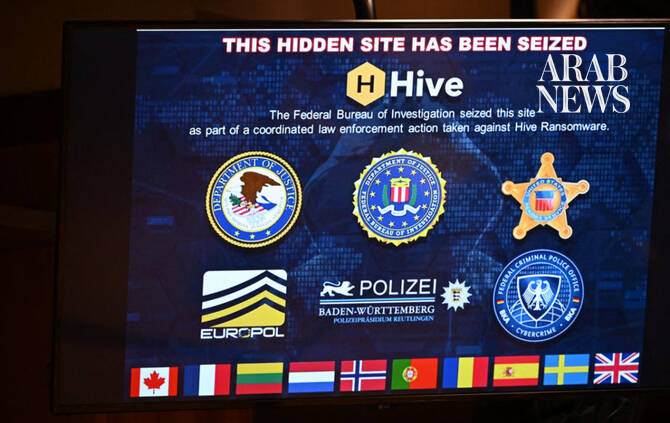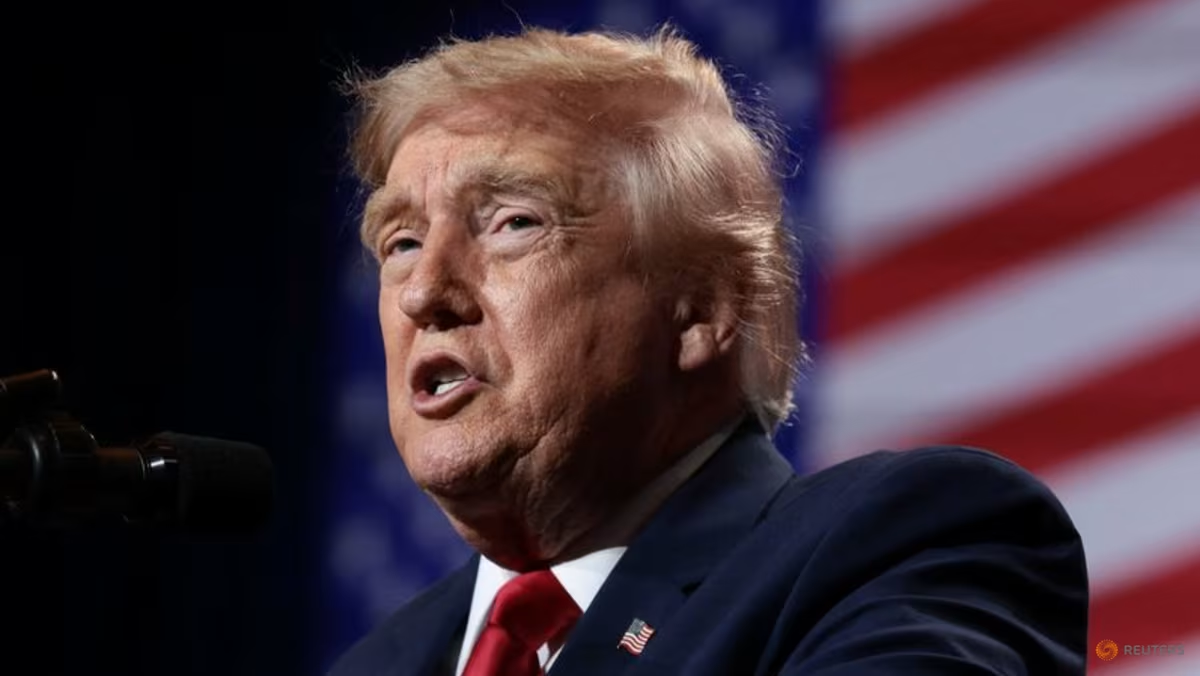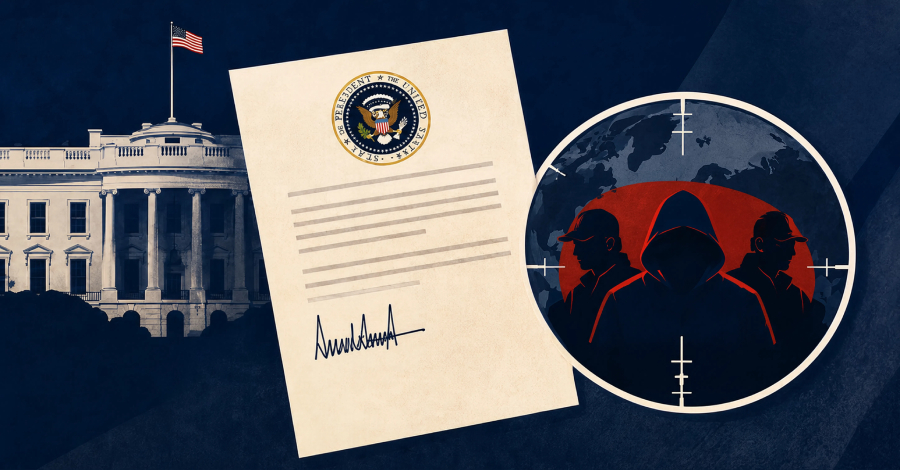
Trump expands cyber tools for US law enforcementUS president Donald Trump signed a memorandum on Wednesday aimed at expanding federal law enforcement’s use of cyber tools against transnational criminal organisations operating abroad, the White House said.Trump signed a national security presidential memorandum directing his administration to “leverage the capability and innovation of the private sector to help conduct these cyber operations under the direction, control, and authority of the US Government,” the White House said, as cited by Reuters.The White House, in a fact sheet on the memorandum, cited ransomware attacks, financial fraud and other crimes carried out by foreign-based criminal organisations, which the memo refers to as “transnational criminal organizations.”The memo directs the department of homeland security, through the Homeland Security Task Force’s National Coordination Center, to establish a programme “to conduct specific cyber operations that disrupt foreign TCOs”, under the oversight of DHS and the Department of Justice.The memo sets out a framework for private-sector companies to work with other private entities and federal, state, local, tribal and territorial agencies to collect intelligence on transnational criminal organisations and recommend cyber operations to tackle the threats they pose, the White House said.According to the memo, vetted participating companies will, under federal government supervision, carry out “cyber surveillance operations” and “cyber effects operations” against designated targets."Cyber effects includes the potential manipulation, disruption, denial, degradation, or destruction of information systems, networks, physical or virtual infrastructure controlled by information systems, or information resident thereon," the memo stated.According to the memo, participating companies will be required to maintain a bond or escrow of at least $1 million. The involvement of private-sector firms in cyber operations against criminal and other targets is not new and has previously drawn controversy over concerns about escalation, unintended consequences and coordination between agencies.
US law enforcement to target 'transnational criminal organistaions' with cyber tools
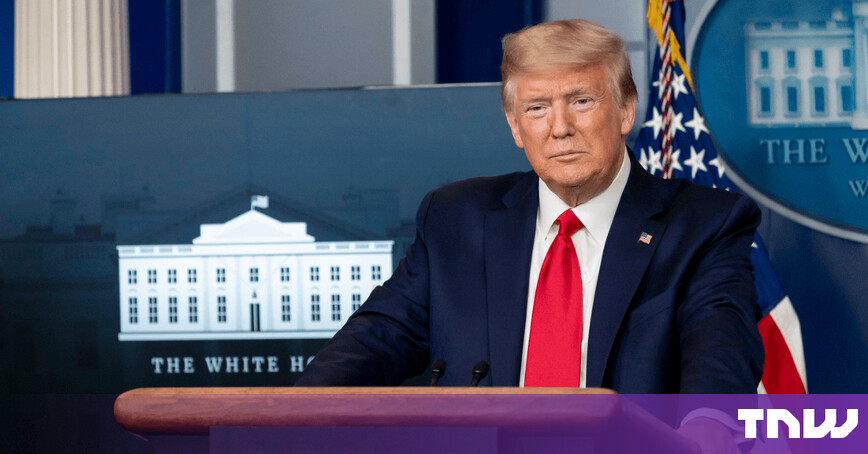
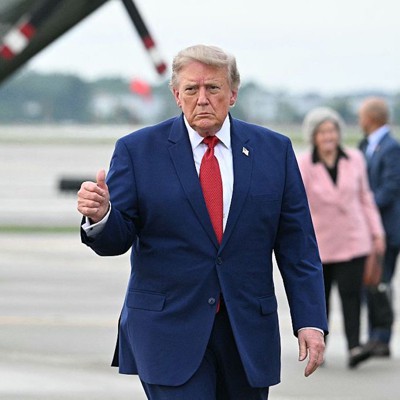
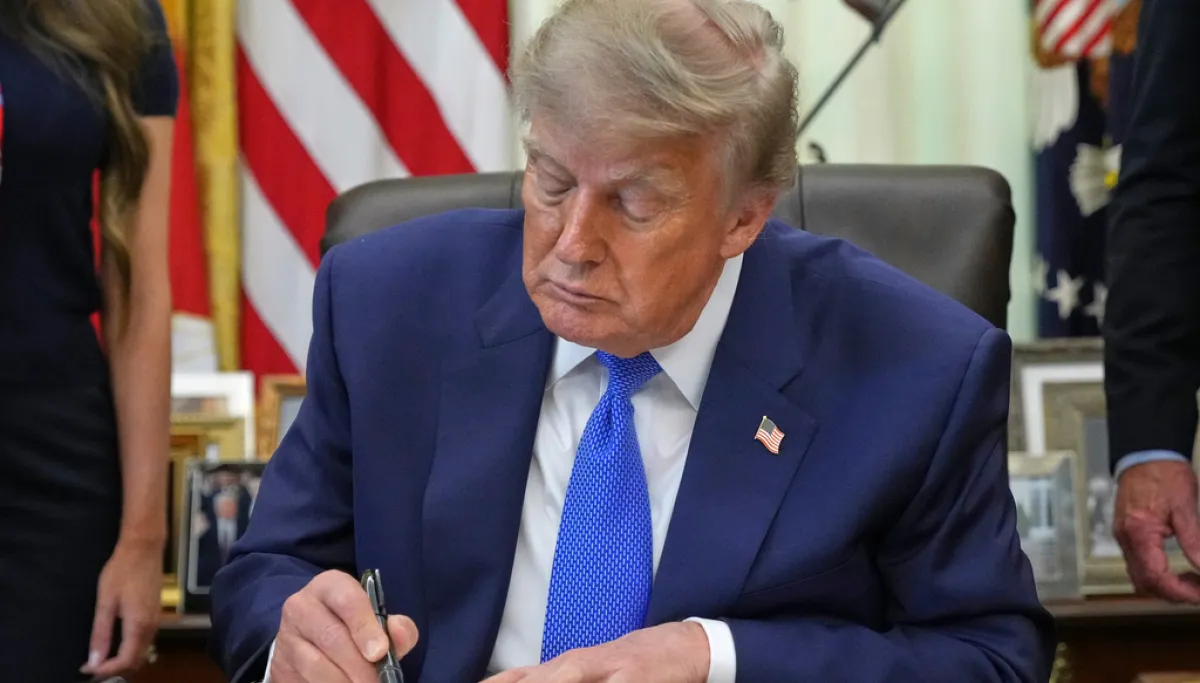
US president Donald Trump signed a memorandum on Wednesday aimed at expanding federal law enforcement’s use of cyber tools against transnational criminal organisations operating abroad, the White House said.
295 words~1 min read