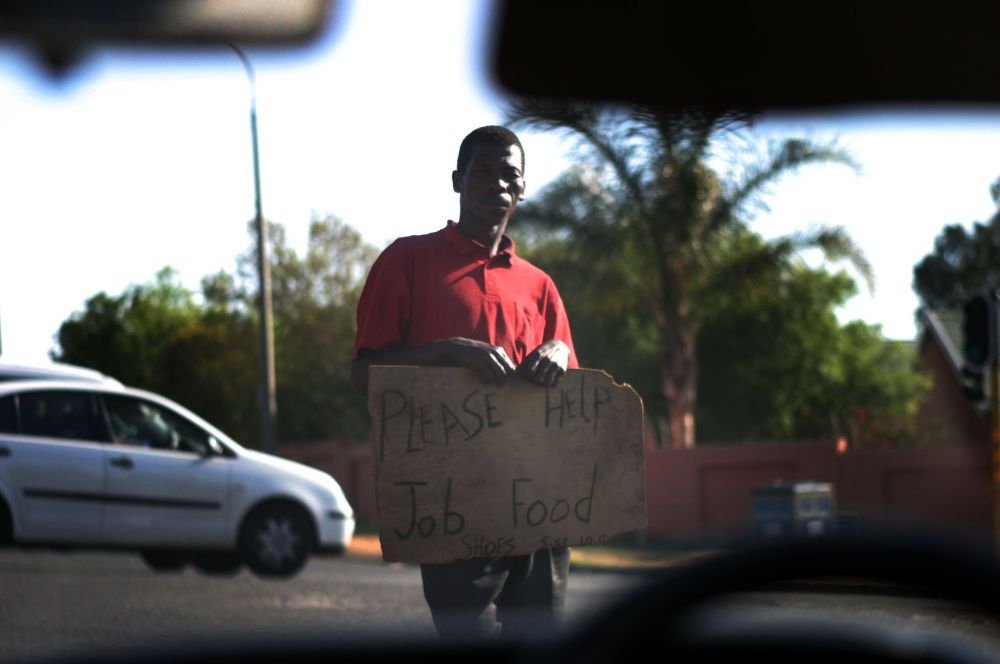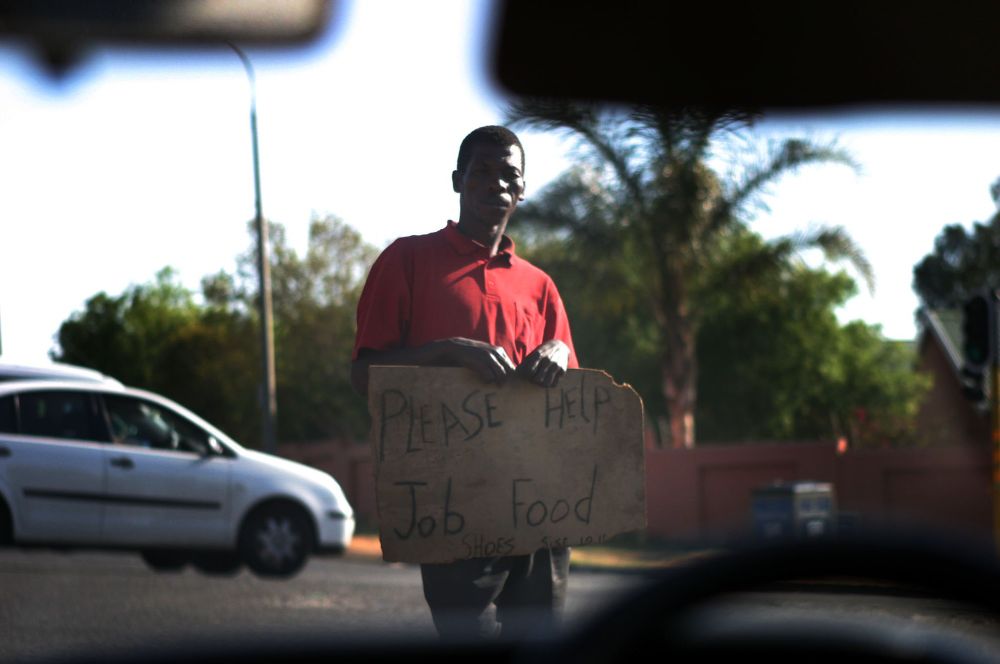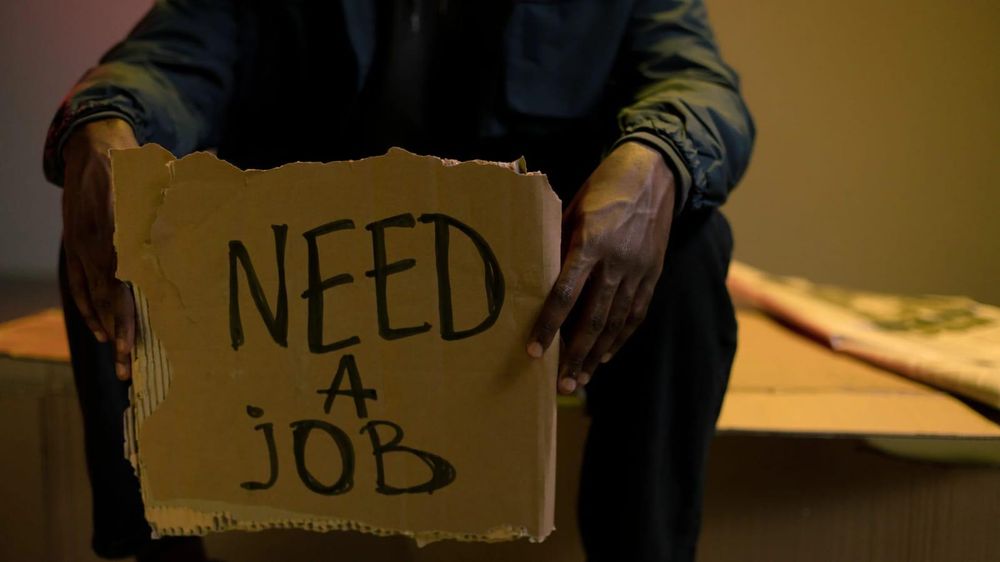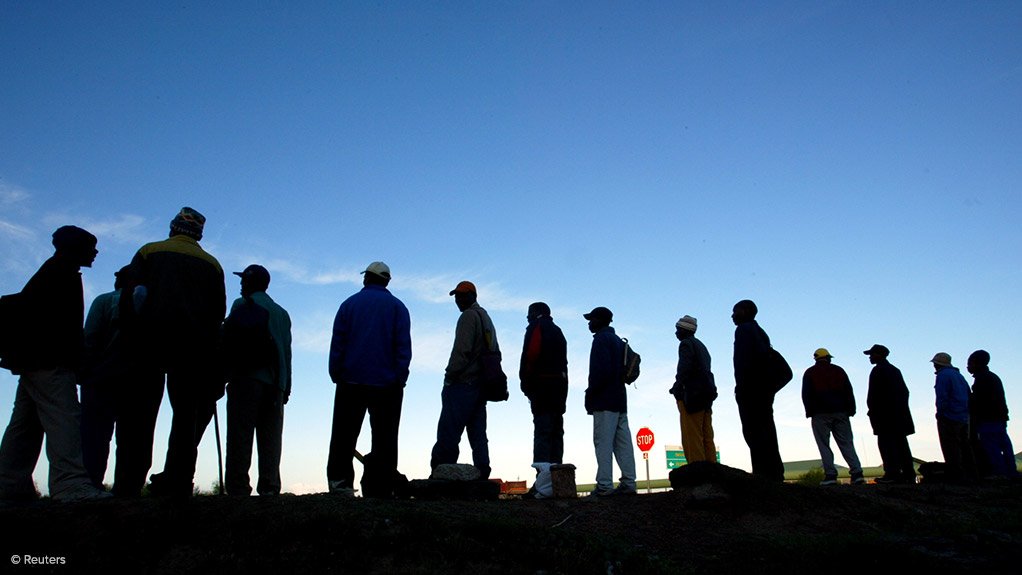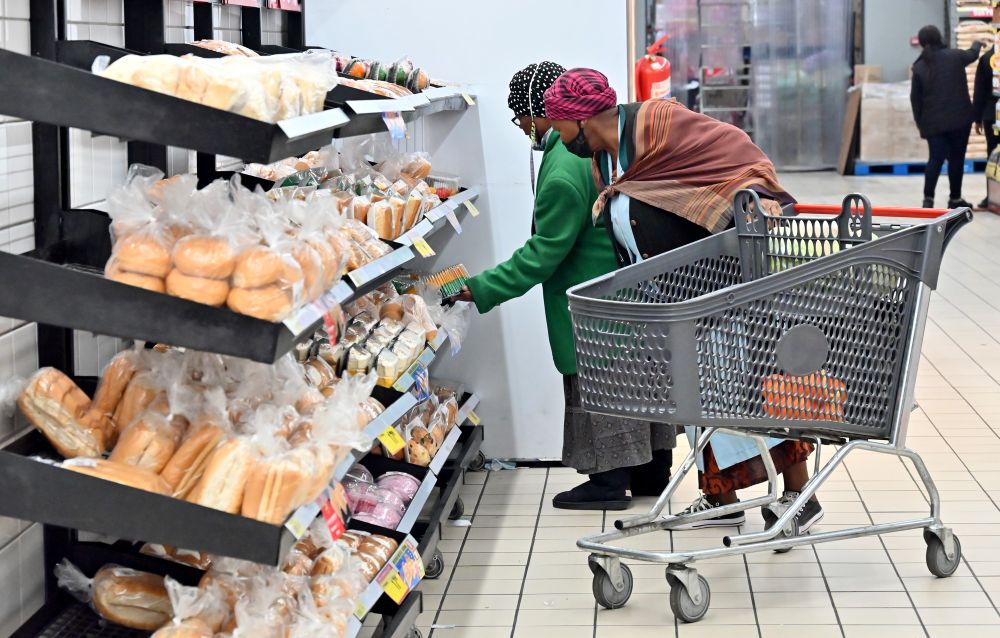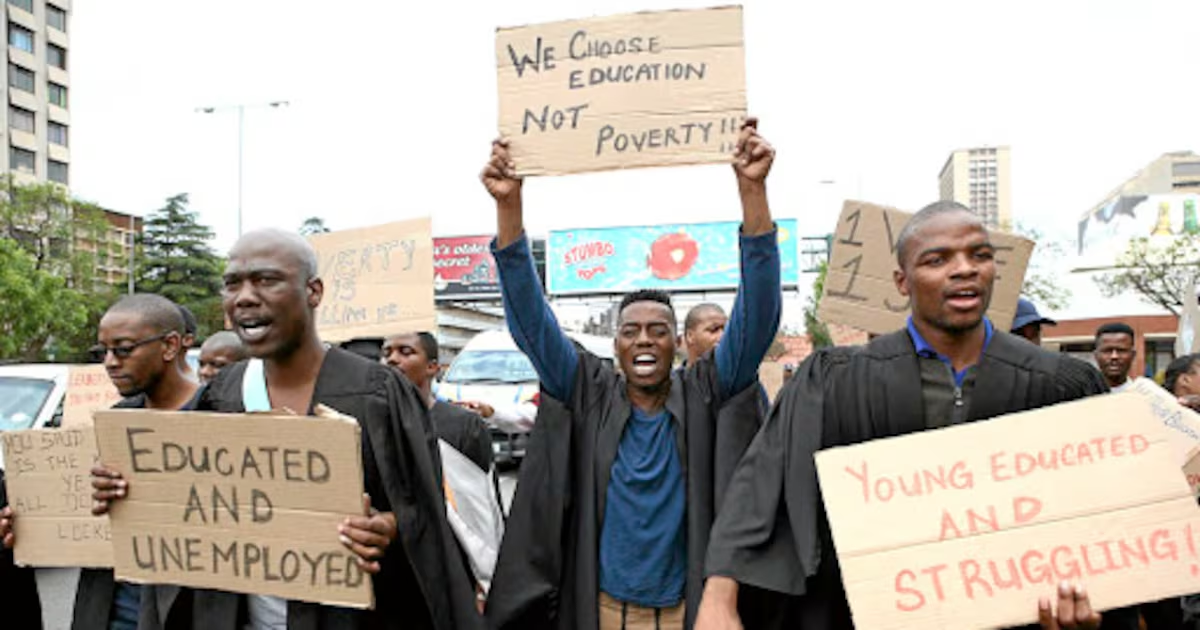
The latest employment data published by Statistics SA reflected an unfortunate increase in the unemployment rate from 32.7% to 33.6%, which is painful but not surprising. It is merely a reflection of the state’s inability to find a solution to the crisis, which is really a crisis of access, affordability and truancy in relation to basic services. In the Stats SA data the national population is stratified into the working-age population of 15-64 years; and everyone else. It is from this working-age population that the employment and unemployment indicators are derived. In the latest figures, 42.3-million citizens fall within this range but just 16.7-million are employed, translating to just 40% of the working-age population. The remainder are then classified as officially unemployed (8.5-million) or outside the labour force. When one maps the fate of the employed against the quality of earnings, a disturbing pattern emerges. According to Sars, the tax register of individuals is more than 27-million taxpayers, but precious few (7-million) are estimated to generate taxable income above the tax threshold and end up paying income tax. As the one tax that is progressive in design — higher earners pay a bigger share — income tax has the best redistributive ability of the main taxes we have. Increasing its contribution to the public purse (not its rate) would result in more funds that could be used to pay for public services. That is where the unemployment crisis intersects with the service delivery crisis. Unlike the stratified Stats SA and Sars data, basic public services are a universal constitutional entitlement that must be adequately funded. The model of funding public services is a hybrid — some services are free at the point of delivery and others are more reliant on a user-pays model. However, with such high unemployment both models operate at risk of underfunding. If a municipality is able to generate its own revenues in addition to its share of the national revenue, it can have some latitude on how to insulate its citizens from cost increases in basic servicesServices earmarked to be free at the point of delivery should be funded from the public purse, which relies on taxes. User-pays models work best when users actually have the ability to pay. In the context of high unemployment and poor incomes, the reliance on the public purse is amplified. When municipalities exist in the zone between service providers such as Eskom and the water boards and citizens, the desire to insulate citizens from unaffordable tariffs emerges. If a municipality is able to generate its own revenues in addition to its share of the national revenue, it can have some latitude on how to insulate its citizens from cost increases in basic services. According to fellow Business Day columnist Neva Makgetla of Trade & Industrial Policy Strategies, almost 30% of the municipalities that are licensed to distribute electricity actually pay more to buy it from Eskom than the revenue they bill to their users. This is reflective of a reluctance to pass on the full scale of increases charged by Eskom. This has not been helped by Eskom’s repeated large tariff increases, but collectively we have ended up with a problem of more than R110bn owed to Eskom by municipalities that clearly cannot recover this from their residents. Last month the National Treasury implemented a process of withholding equitable share grants from municipalities for reasons including failure to pay third parties such as Eskom. A condition of releasing the grant was payments to third parties or evidence of a commitment to pay. While this will ensure some overdue funds trickle in, the underlying unaffordability will persist until a solution is found to the unemployment and low-income crisis. • Sithole (@coruscakhaya) is an accountant, academic and activist.
KHAYA SITHOLE | Rise in unemployment strains public services
Service delivery at risk while solutions to joblessness remain elusive
626 words~3 min read