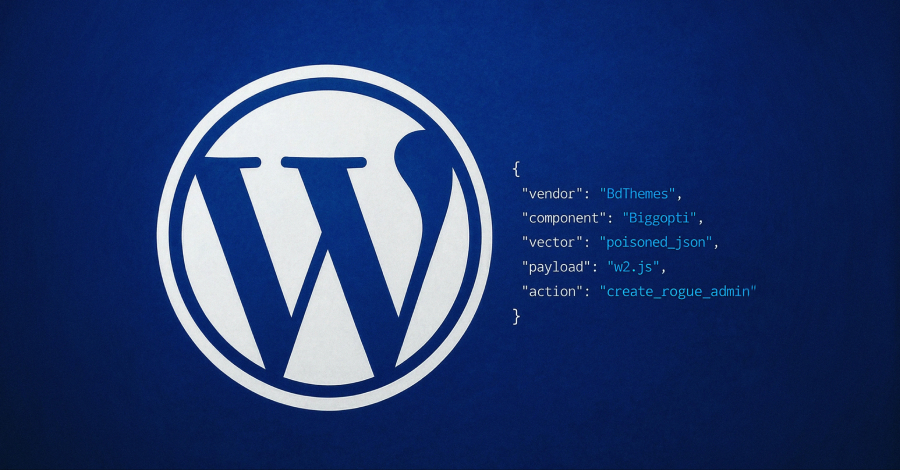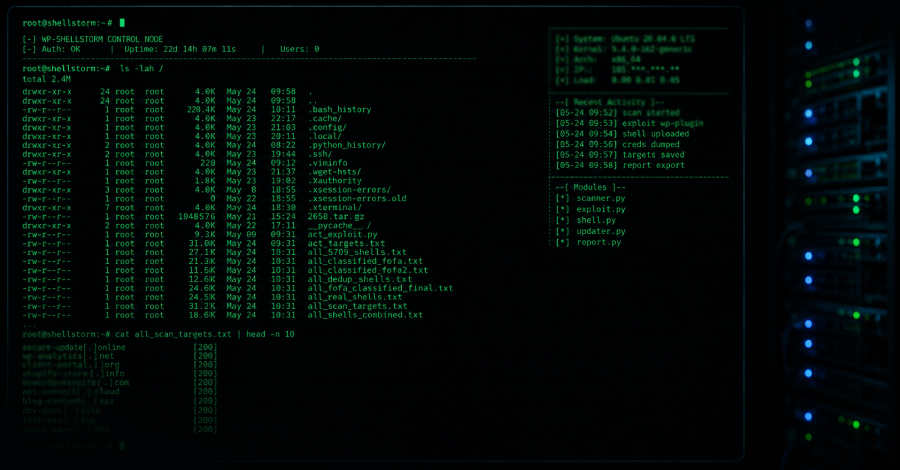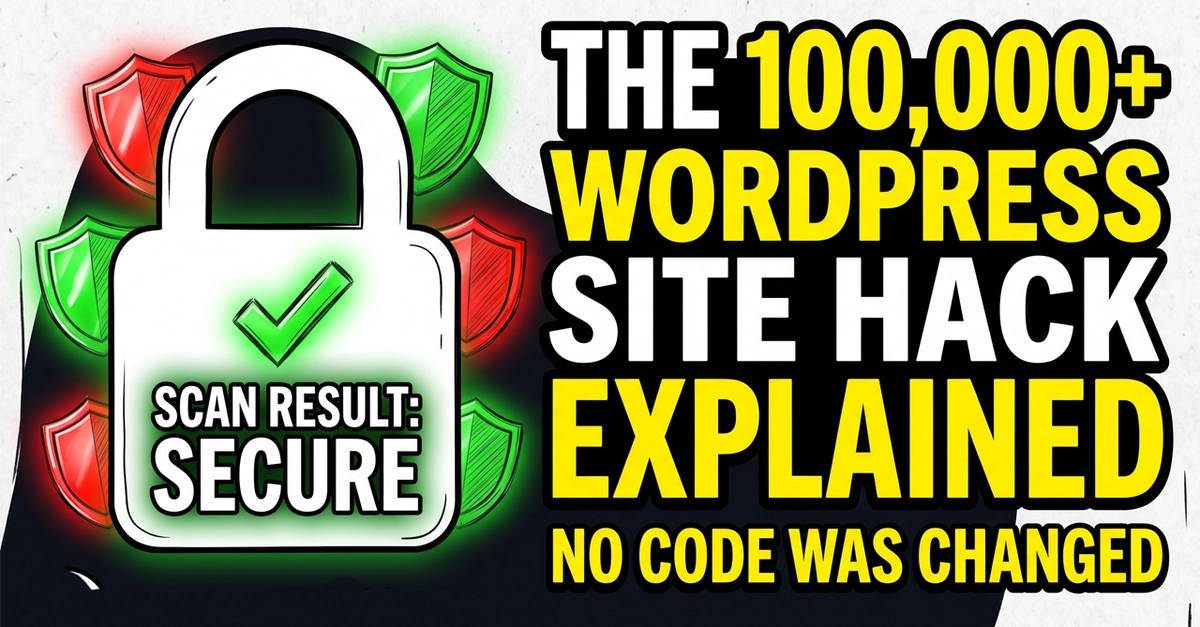
File Integrity Monitoring (FIM) tools reported 0 modifications and a 100% clean status, yet over 100,000 WordPress sites were compromised simultaneously in a single, coordinated supply chain attack.
If you rely solely on local code audits or repository checksums to keep your web applications safe, this breach is a massive wake-up call for modern web architecture.
I just published a full technical video breakdown analyzing how this attack unfolded, and here is a brief rundown of what happened under the hood.
1. Bypassing WordPress.org Repositories Entirely
The attackers didn't bother tampering with the official WordPress.org plugin repository. Instead, they targeted the vendor's upstream cloud infrastructure (specifically, a DigitalOcean Spaces bucket) powering dynamic promotional banners within the BigOpti component shipped with BdThemes plugins.