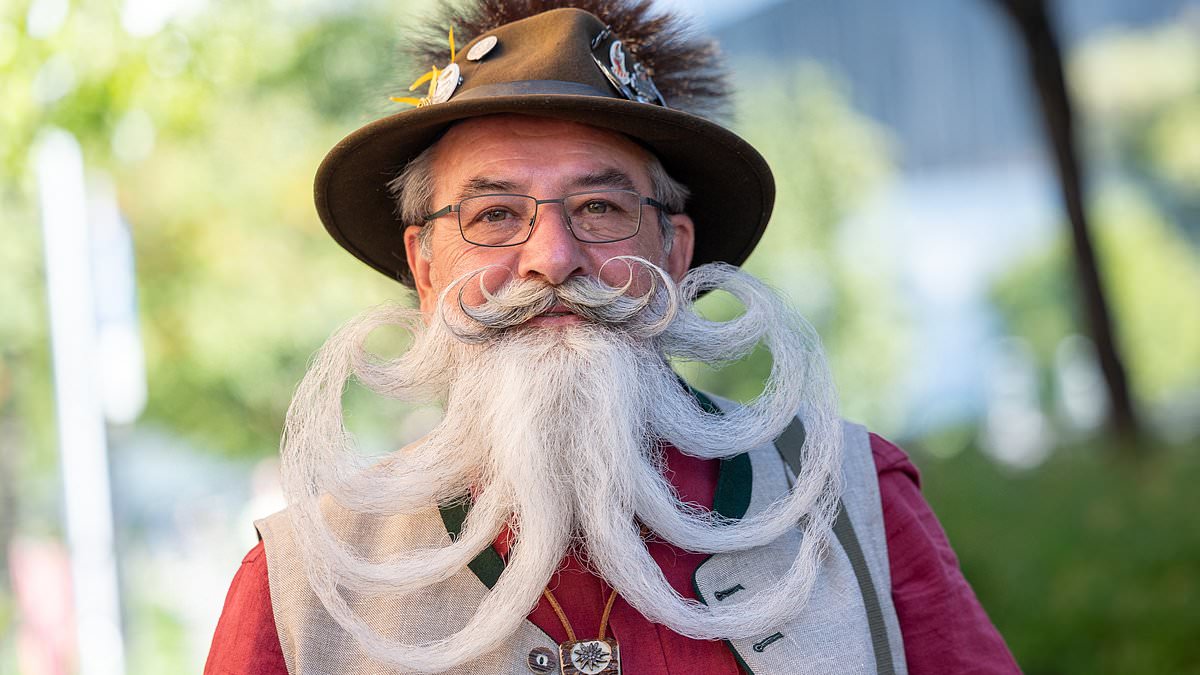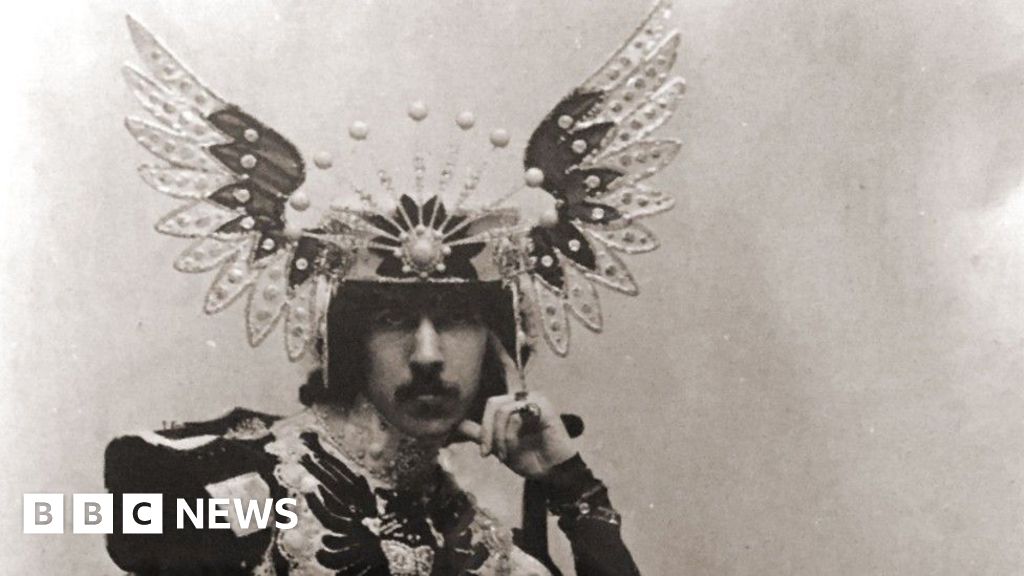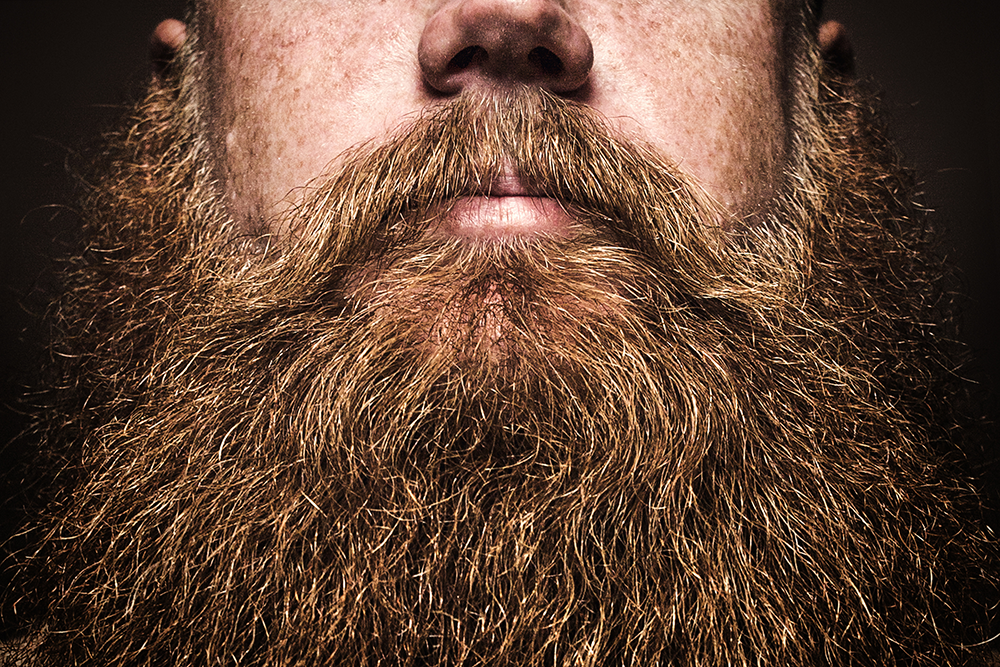
I was looking at a photo of my great-grandfather the other day and admiring his beard. A magnificent spade-shaped affair, it reached halfway down his chest. He was a Victorian, of course, and his era was, above all, the century of the beard. All the eminent Victorian males, such as Darwin, Dickens, the Earl of Salisbury and Prince Albert, wore them. Gladstone and Disraeli may have been political rivals, but they were united in both being devoted pogonophiles.
When President Trump and Pete Hegseth decreed recently that all US military men should be clean shaven, it struck me that, had that rule been around in the 1860s, the American Civil War would never have been fought, since all the leading generals on both sides were endowed with substantial forests of facial hair. One Union commander, Ambrose Burnside, was so notably hirsute in this respect that he lent his name to sideburns. However, the British Army, unlike the Royal Navy, has usually taken a dim view of beards. In the second world war, only the eccentric General Orde Wingate was given exceptional permission to grow one.
Why did the beardies do it? After all, beards are itchy to the wearer, and scratchy to anyone who encounters them intimately. Scraps of food get stuck in them, and some men like me are left feeling inadequate because they can’t ever manage to grow more than a scrubby approximation of one. Much better, surely, to have it all off with a clean and invigorating daily shave?