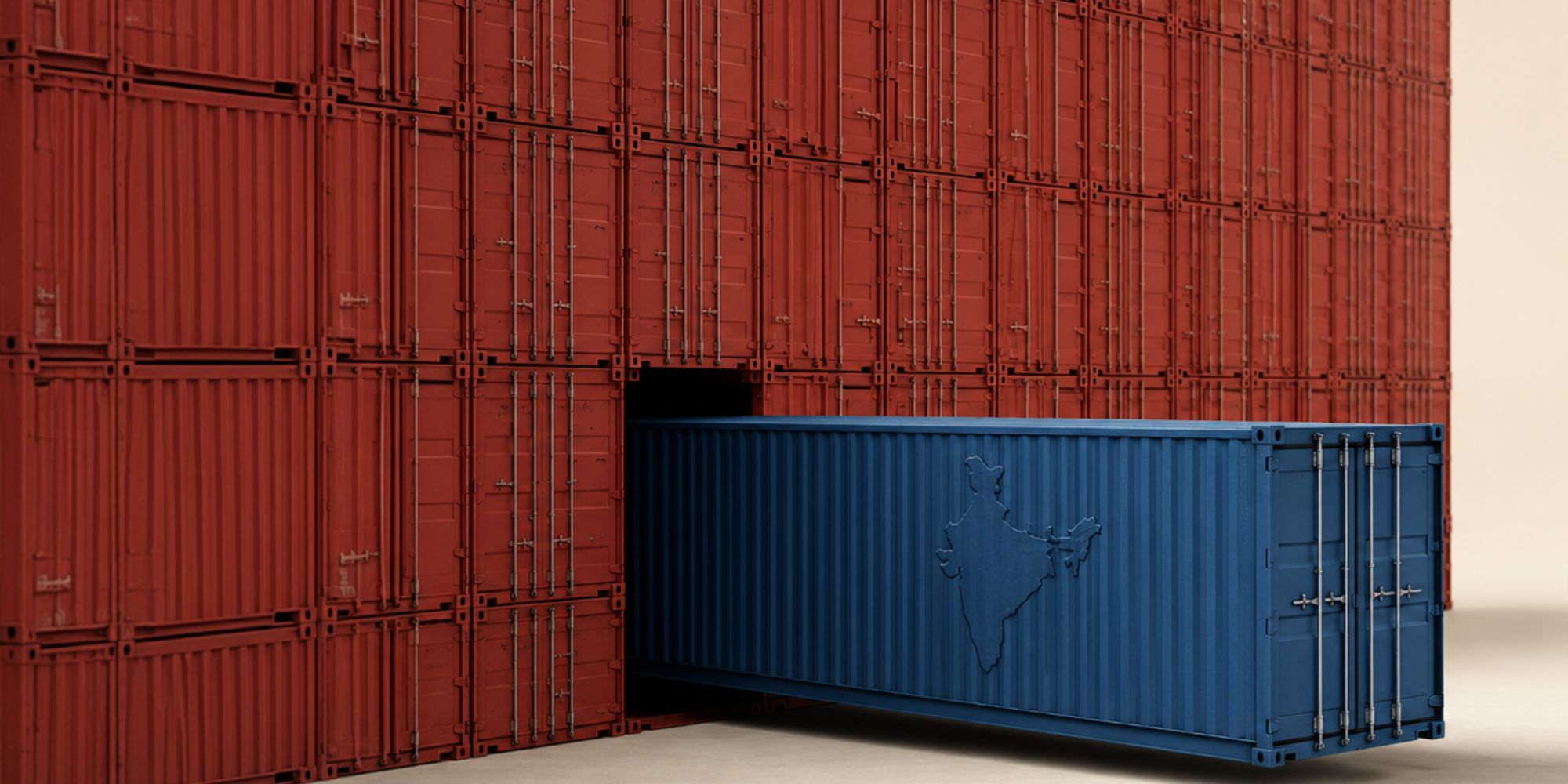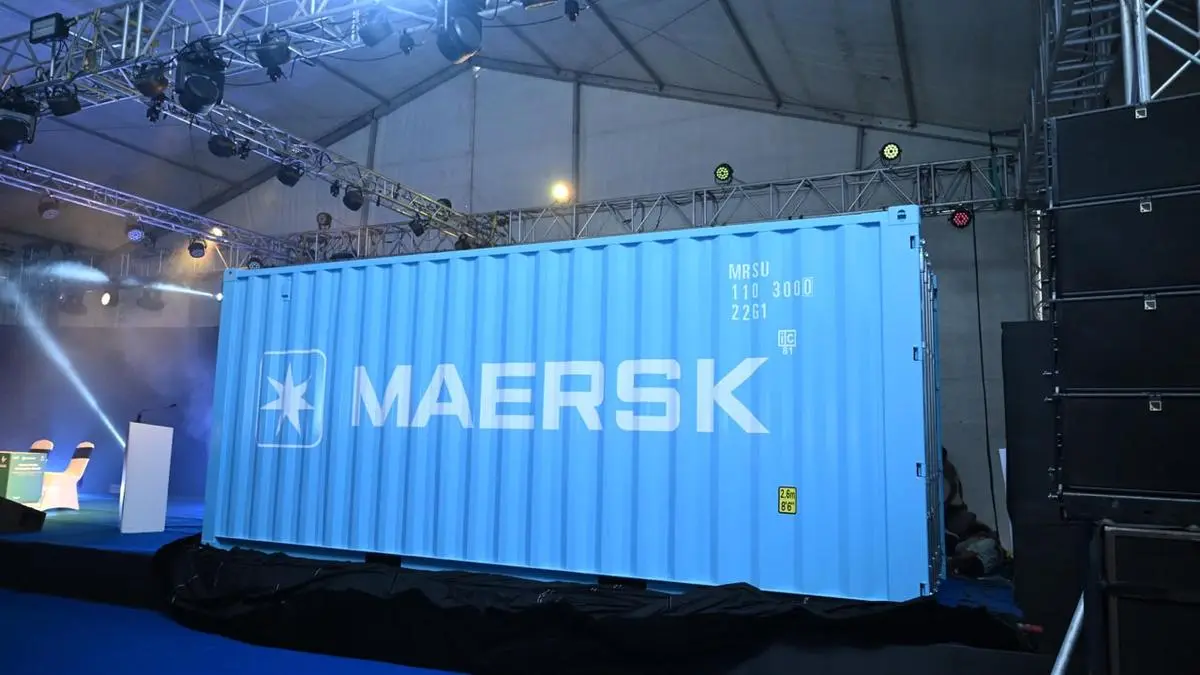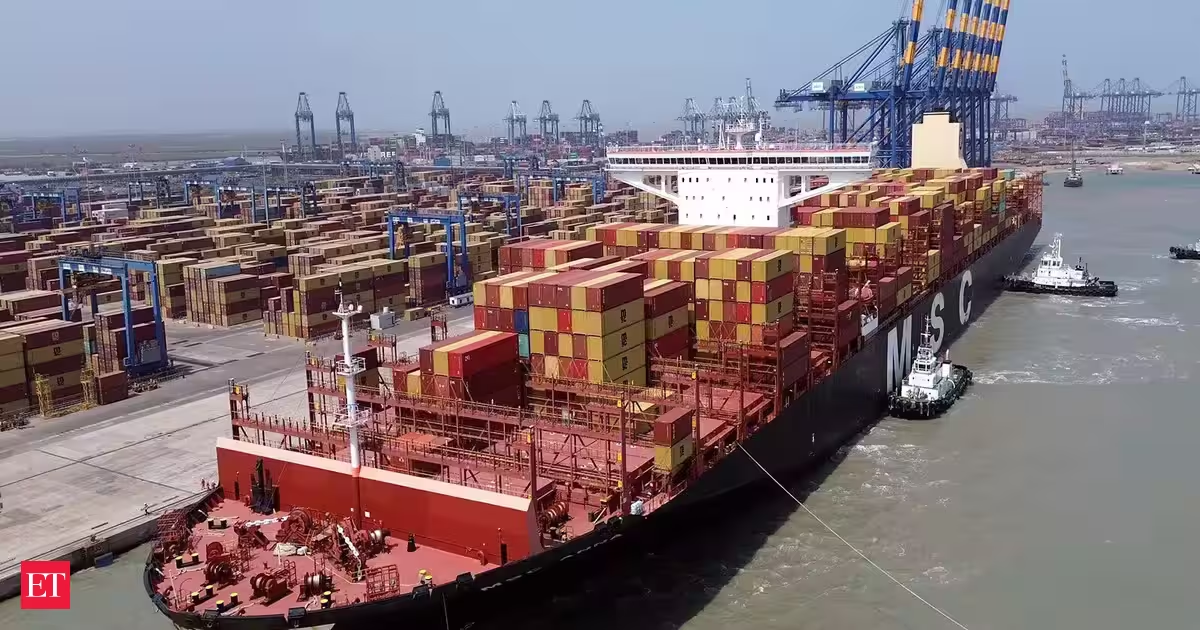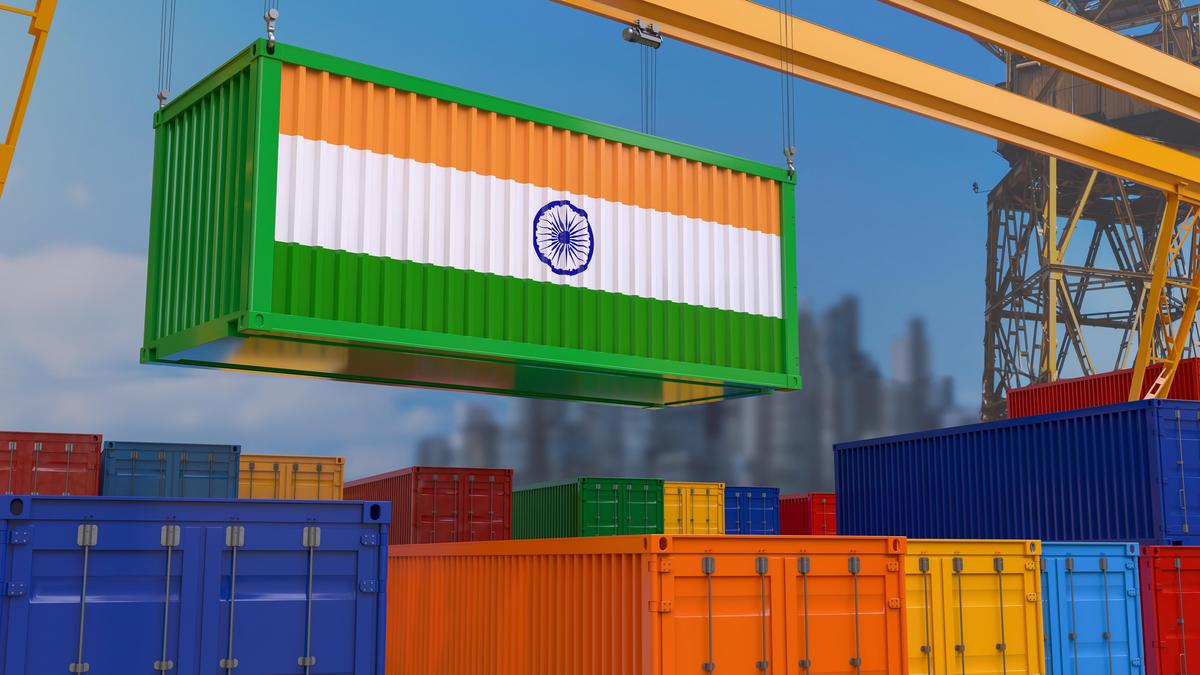
India’s first internationally compliant shipping containers, manufactured at Dadri and followed by Maersk’s repeat order of nearly 1,000 units, mark a strategic breakthrough in a global industry long dominated by a handful of manufacturers while signalling confidence in India’s industrial capabilities. Ranked among the twentieth century’s most transformative innovations, shipping containers standardised cargo handling, enabled seamless multimodal transport, reduced logistics costs, minimised cargo losses and became the backbone of modern GVCs.Historically, Malcolm McLean, US-based trucking entrepreneur, pioneered the commercial use of standardised containers in 1956, while ISO standardisation in 1968 universalised their dimensions, enabling seamless intermodal movement across ships, railways and trucks.As India scales its external engagement through FTAs, modernises logistics infrastructure and improves multimodal connectivity, containers assume growing strategic significance. ISO-standard containers, supported by ICDs, CFSs and Land Customs Stations (LCSs), have streamlined customs, warehousing and cargo movement while strengthening export competitiveness. Let us decode India’s container manufacturing ecosystem, its emerging opportunities and the challenges that lie ahead.India’s Box momentIndia’s entry into international-standard container manufacturing is far more consequential than producing steel boxes; it marks the beginning of strategic capability in an industry that underpins global trade, maritime connectivity and economic resilience. The importance of this development became evident during the Covid-19 pandemic, when severe container shortages disrupted global supply chains, freight rates increased several-fold, exporters struggled to secure equipment and delivery schedules became highly unpredictable.Moreover, the crisis also exposed the risks of excessive dependence on a geographically concentrated manufacturing base, with China, producing over 90 per cent of the world’s containers, exercising overwhelming influence over container availability, production cycles and pricing. As global shipping recovered, access to containers increasingly became a strategic rather than merely commercial consideration.Against this backdrop, domestic container manufacturing can catalyse an integrated ecosystem spanning Corten steel, precision castings, corner fittings, ISPM-15 complied flooring, marine coatings, locking systems, testing and certification, specialised fabrication, container design and innovation. Beyond manufacturing, India must build a ‘container economy’ by developing leasing and financing markets, ownership and asset management companies, repair and maintenance hubs, depots, multimodal logistics parks, API-enabled digital tracking platforms, warehousing, recycling industries and specialised container segments, thereby transforming containers from imported equipment into a strategic domestic logistics asset.Unboxing the boxIndia’s first domestically manufactured container is an important beginning, but not evidence that a globally competitive industry has already arrived. Indicative cost comparisons tentatively show that a standard 20-foot container (TEU) may cost about $1,700-2,050 in India, against roughly $1,450-1,700 in China, while a 40-foot unit (FEU) may cost $2,500-3,000 in India, compared with $2,200-2,500 in China in June 2026. This gap reflects more than labour or steel prices; it reveals differences in scale, supplier depth, automation, finance, leasing demand and lifecycle infrastructure.Correspondingly, India must move beyond manufacturing a container to building a complete container’s economy. This requires competitive access to weather-resistant steel, standardised components, automated production lines, testing laboratories, international certification, repair yards, refurbishment centres and recycling facilities. It also demands leasing companies, low-cost asset finance, insurance products, residual-value markets, digital tracking platforms and predictable demand from trade community, shipping lines, rail operators, ICDs, CFSs and logistics parks.More specifically, specialised segments such as reefers, tank containers, high-cube units, collapsible and smart containers must also be developed.The first container proves technical possibility; repeat orders prove commercial credibility; scale will require integrated policy, finance and infrastructure.Final success, however, will come only when India can manufacture, lease, own, reposition, repair, track, reuse and export containers competitively across their entire lifecycle.Way forwardWe should resist the temptation to measure success merely by the number of containers India manufactures; the true measure will be the scale, resilience and global competitiveness of the ecosystem it creates. Accordingly, first and foremost, India must substantially expand its merchandise exports, containerised imports and transshipment volumes, because sustained cargo movement, not manufacturing capacity alone, is the principal driver of container demand, fleet utilisation and commercial viability.Second, India should establish dedicated container manufacturing clusters near ports/dry ports, industrial corridors and Dedicated Freight Corridors, integrating Corten steel producers, component manufacturers, testing laboratories, fabricators and logistics firms to achieve economies of scale.Third, India should build a globally competitive container finance ecosystem encompassing leasing companies, insurance providers, maritime banks, brokerage firms and specialised investment funds.GIFT City can evolve into Asia’s hub for container leasing, structured finance and maritime insurance, while regulated instruments such as container investment funds, asset-backed securities, fractional ownership platforms and derivatives can attract domestic and global investors, deepen capital markets and progressively reduce India’s dependence on foreign-owned container fleets.Fourth, India should build a world-class container lifecycle ecosystem encompassing repair, refurbishment, remanufacturing, recycling and digital asset management to maximise container utilisation and promote circular economy principles. The proposed Nicobar Transshipment hub, alongside Vizhinjam, Mundra, JNPT, Chennai and strategically located hinterland logistics hubs, should function as an integrated network for container inspection, maintenance, repositioning and refurbishment, enabling India to become the preferred service centre for container fleets operating across the Indian Ocean Region.Fifth, India should invest in indigenous innovation by developing smart containers, reefers, tank containers, defence logistics containers, collapsible units and lightweight designs equipped with IoT-enabled tracking, thereby competing through technology and specialisation rather than volume alone.Finally, India should leverage its FTAs, trusted geopolitical partnerships and the China-plus-one strategy to integrate Indian-built containers into global leasing fleets and shipping networks, reinforcing economic sovereignty, maritime resilience, supply-chain security and Vision 2047 aspirations of becoming a trusted global manufacturing and logistics hub.The writer is Professor & Head (CDOE), IIFT New DelhiPublished on August 13, 2026
India’s quiet container transformation
India must now create a ‘container economy’ by developing leasing, financing markets, repair and maintenance hubs, and logistics parks
904 words~4 min read