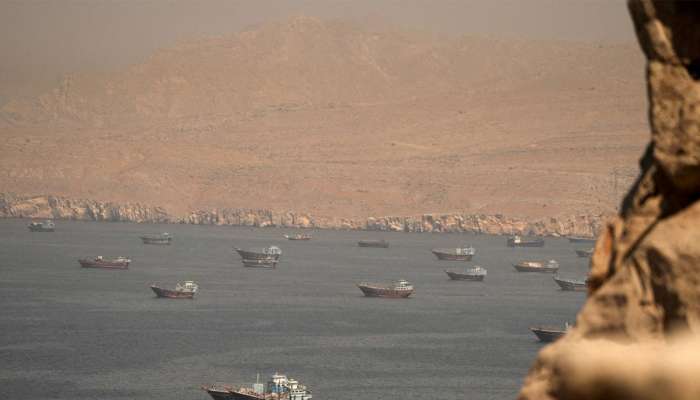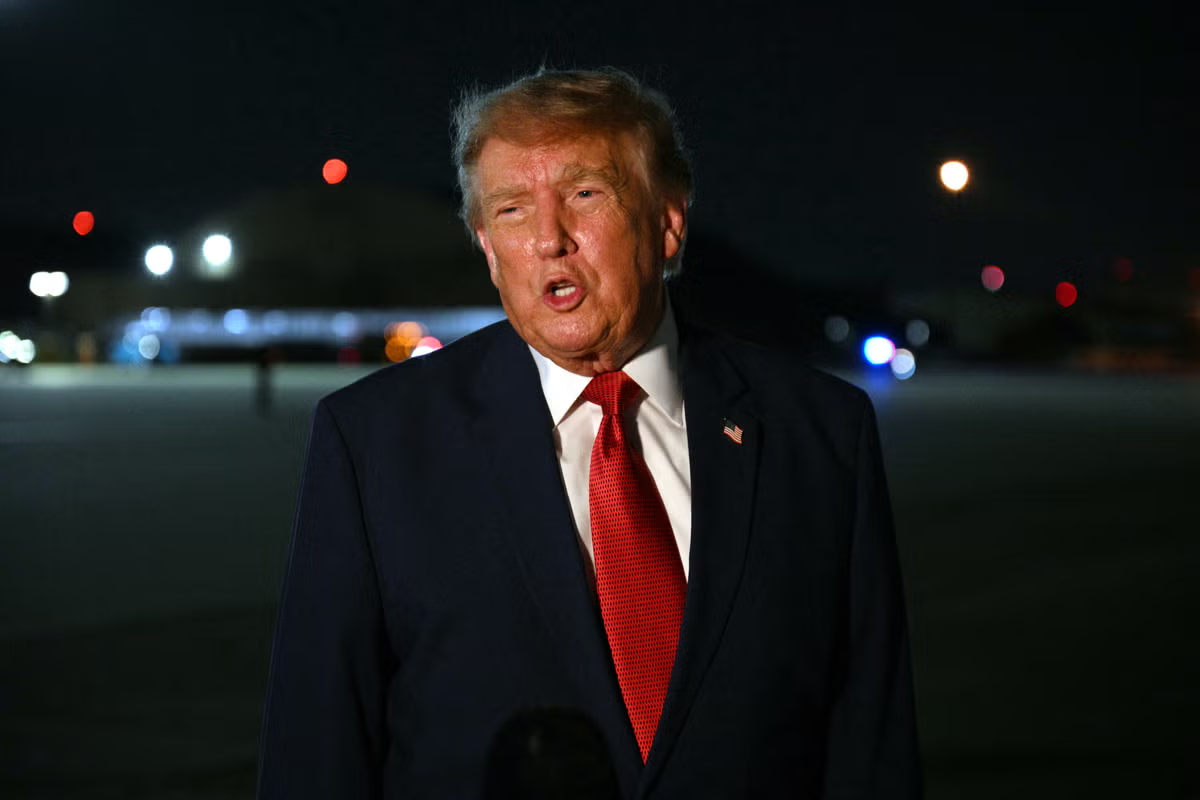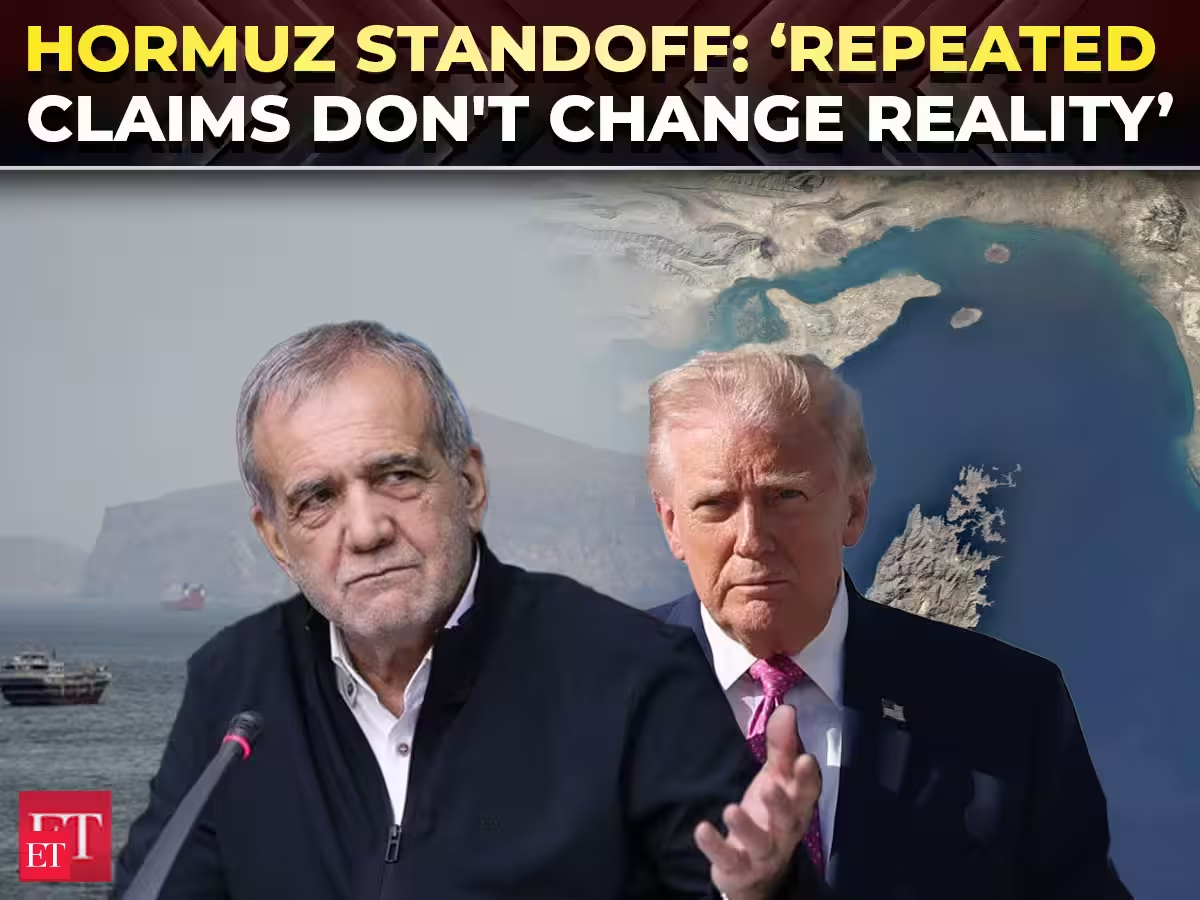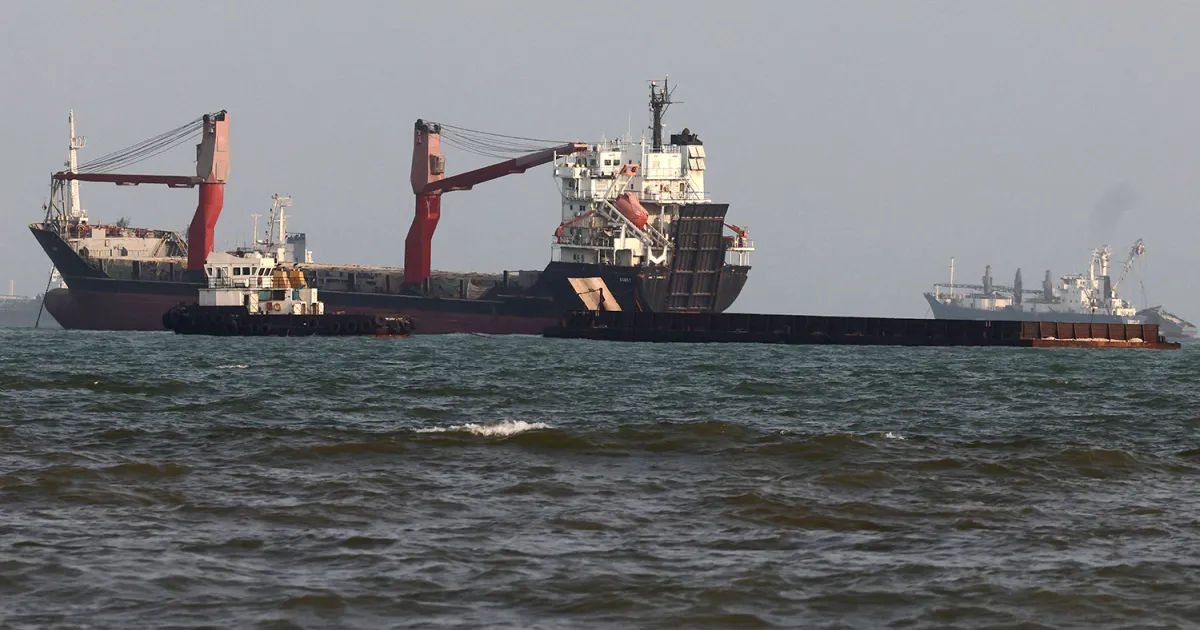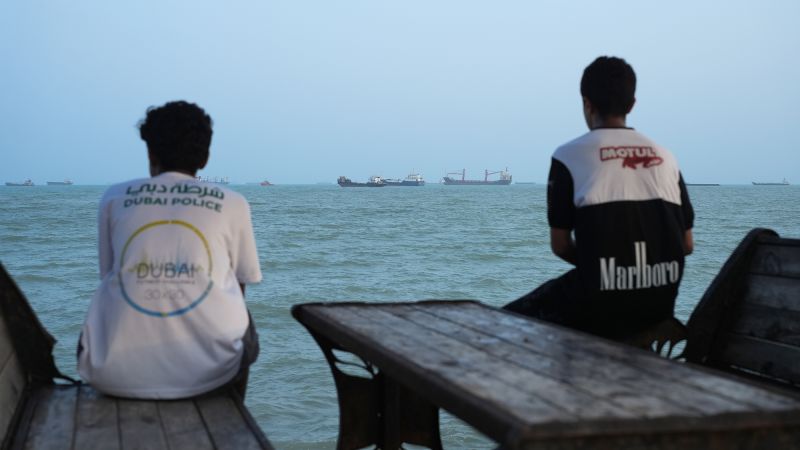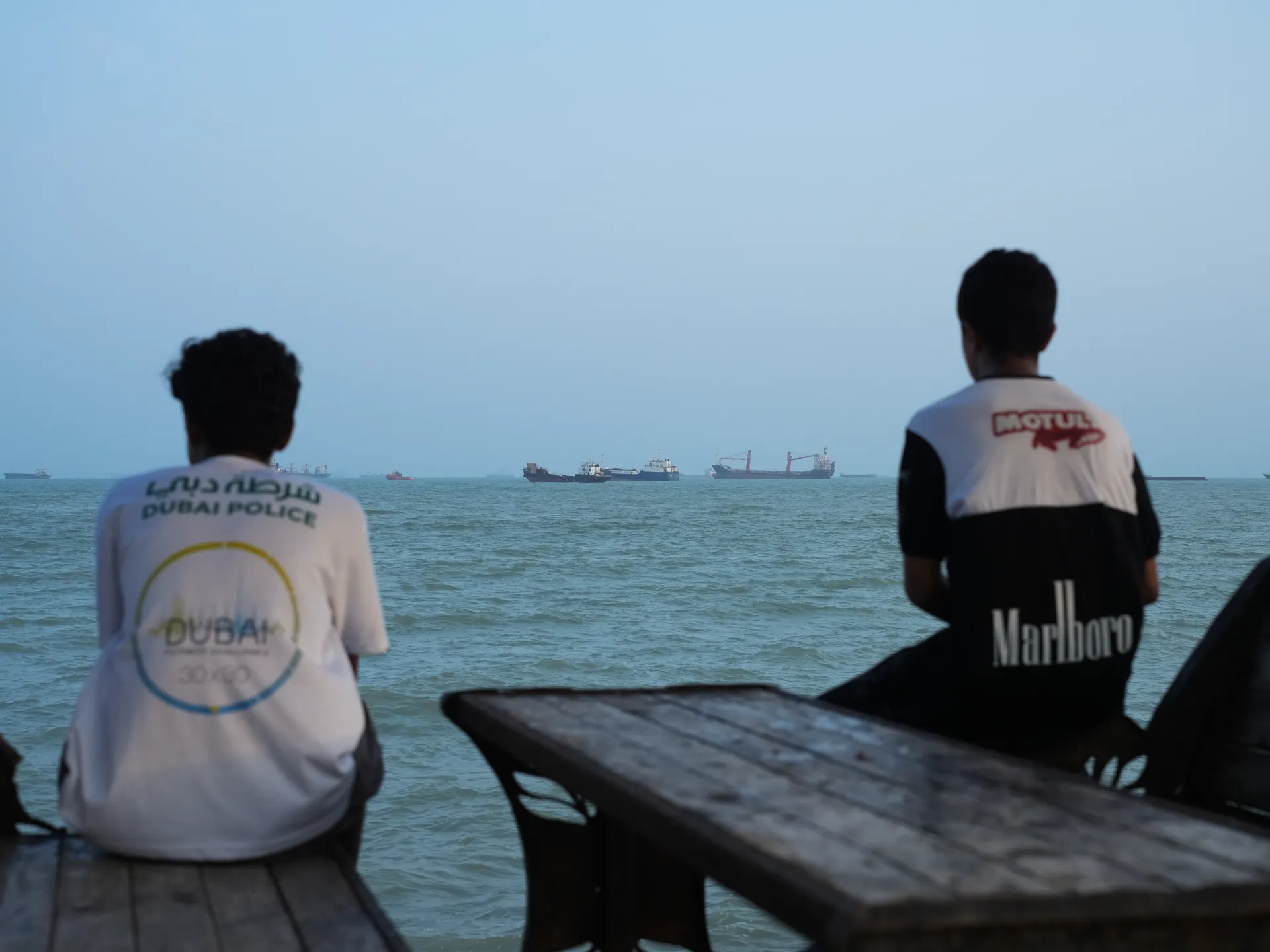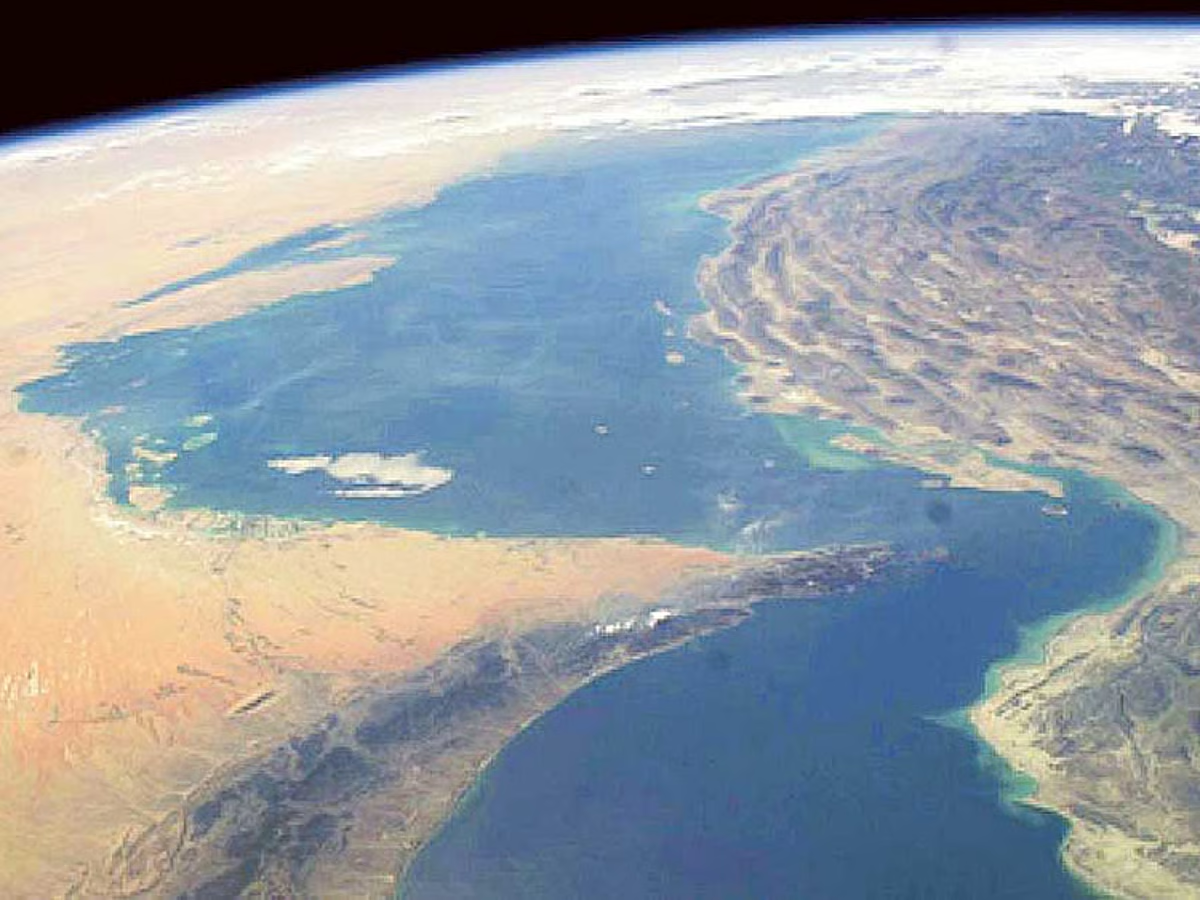
Iran said on Wednesday that the Strait of Hormuz will remain blocked until the United States meets its demands, pushing back against statements by the Trump administration that it is in control of the waterway. What happened: The Persian Gulf Strait Authority said in a post on X that Hormuz “remains blocked.” “Claims and repeated posts by US officials that the Strait of Hormuz is no longer blocked do not change the reality: the Strait of Hormuz remains blocked and will not be reopened until Iran’s conditions are accepted,” said the authority. President Donald Trump said earlier on Wednesday that the US has “total control” over the Strait of Hormuz, referring to the American naval blockade there. “Iran is all talk and no action, the Bully of the Middle East No Longer,” he wrote on Truth Social. US Energy Secretary Chris Wright said on Tuesday that the seven-day average of oil leaving the strait reached nearly 9 million barrels per day. He doubled down on the data in a post on X Wednesday, saying “Many private businesses undercount the number of ships leaving the Strait of Hormuz due to ships moving covertly through the waterway.” The US Energy Information Administration estimated that an average of 4.9 million bpd of oil was transported through the Strait of Hormuz during the second quarter of 2026. Why it matters: Tensions between the US and Iran over the Strait of Hormuz are rising, and disagreements over the waterway’s management have precluded a new agreement between the two states. US Central Command said on Tuesday that it fired missiles at a cargo vessel for attempting to traverse the strait in defiance of its blockade. The US resumed its naval blockade of Iran last month.Iran’s Supreme National Security Council laid out a list of demands on Saturday for the reopening of Hormuz, including the payment of war compensation, an end to sanctions and the US blockade, the unfreezing of Iranian assets and an end to the war on all fronts. Iranian Foreign Minister Abbas Araghchi said on Sunday that Iran was in the “final stages” of an agreement with Oman over management of the strait, but reiterated that such a deal is separate from reopening the waterway. Trump dismissed Iran’s demands on Monday, saying that the Islamic Republic should pay compensation to the families of protesters it has killed, among others. Traffic through the Strait of Hormuz remains subdued, with indications that the majority of ships are using the route set by Iran. The data firm Kpler said that 14 ships crossed on Tuesday, up from 12 each on Monday and Sunday. Around 130 ships traversed the Strait of Hormuz daily before the war, and the waterway received roughly a fifth of the world’s oil and gas supplies.Kpler said 11 of the ships that passed the strait on Tuesday used the route set by Iran. Iran launched the Persian Gulf Strait Authority in May and has said that ships seeking to traverse the strait must receive permission and use the route set by Tehran. Reuters reported on Tuesday that there has been no progress recently toward a new deal between the US and Iran, citing a senior Iranian source. The June memorandum of understanding between the US and Iran collapsed last month over tensions surrounding Hormuz. Mohsen Rezaei, the newly appointed head of the Supreme National Security Council, told the Chinese ambassador to Tehran on Tuesday, “As long as the US does not change its behavior and accept Iran's conditions, the Strait of Hormuz will not be reopened,” state media reported.
Iran’s Hormuz authority denies Trump claims of control over strait: What to know
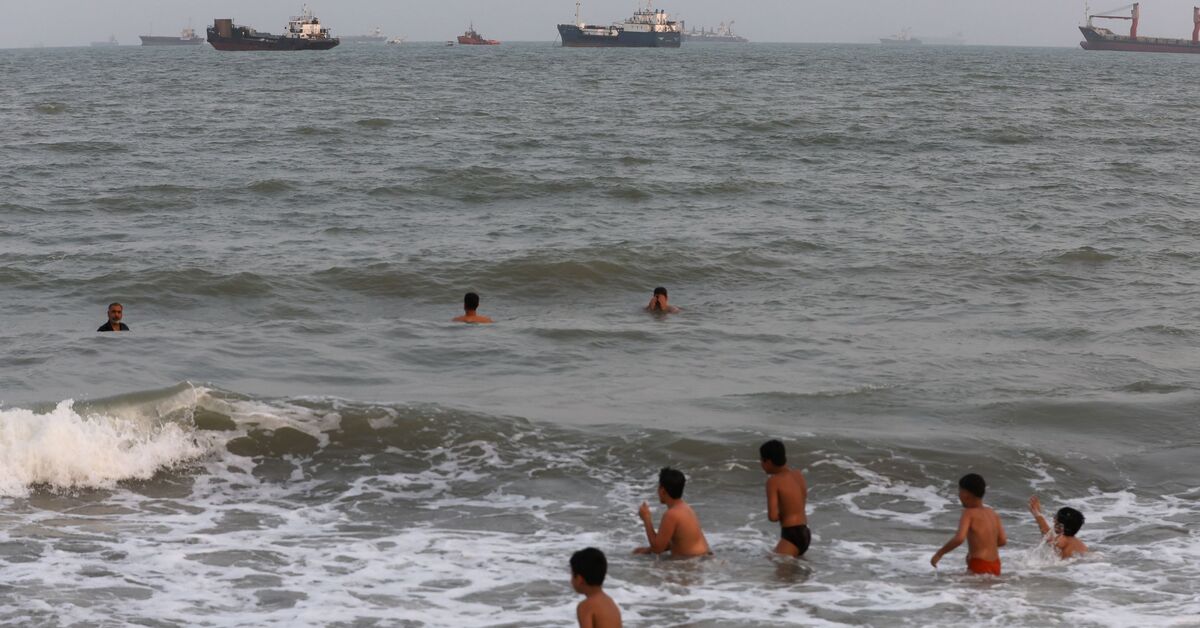
Trump administration officials have said oil shipments through the Strait of Hormuz are rising, but maritime traffic remains diminished.
621 words~3 min read