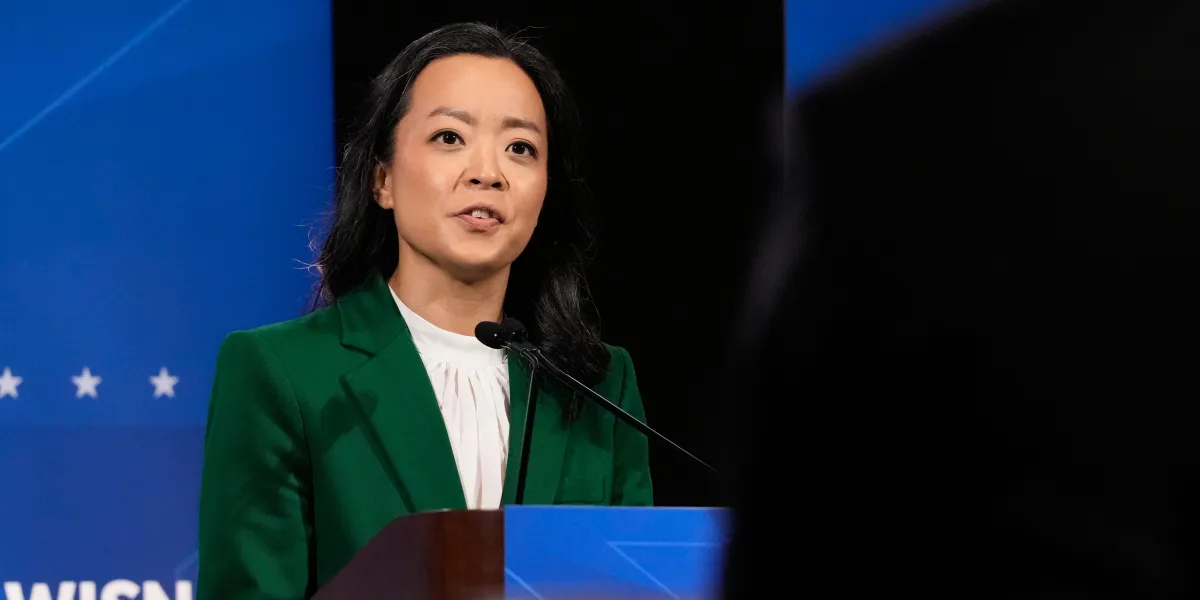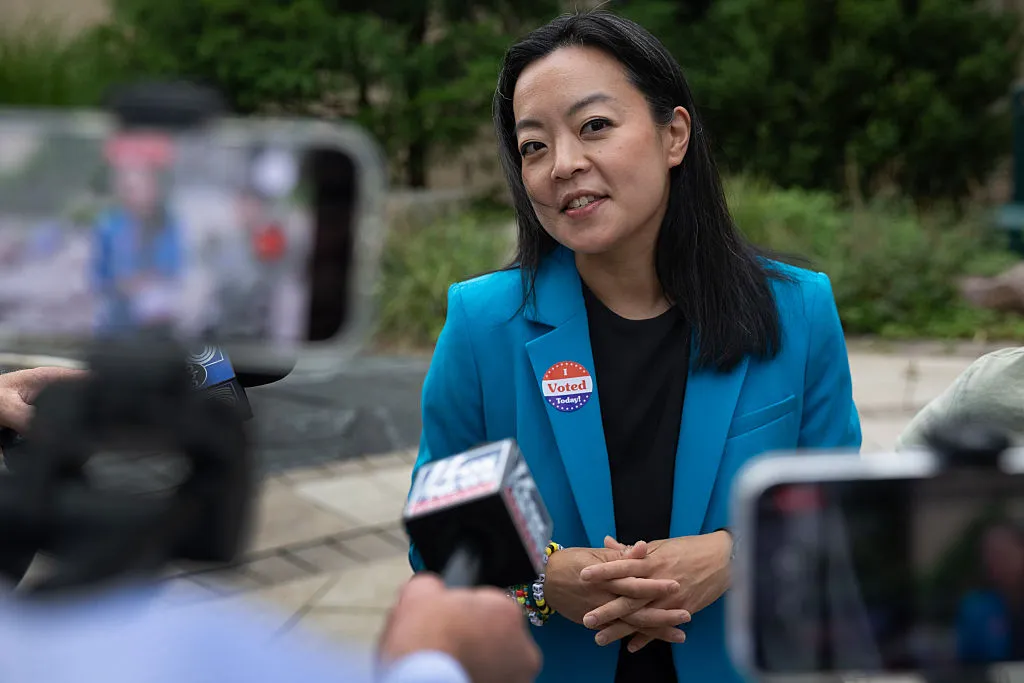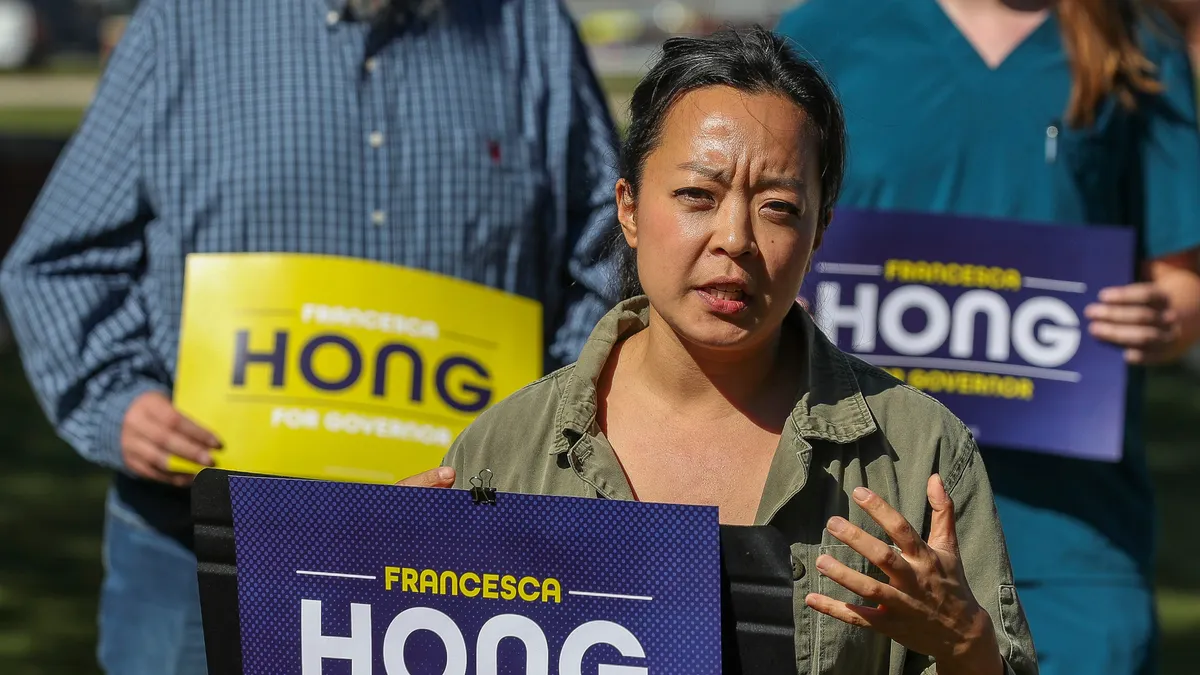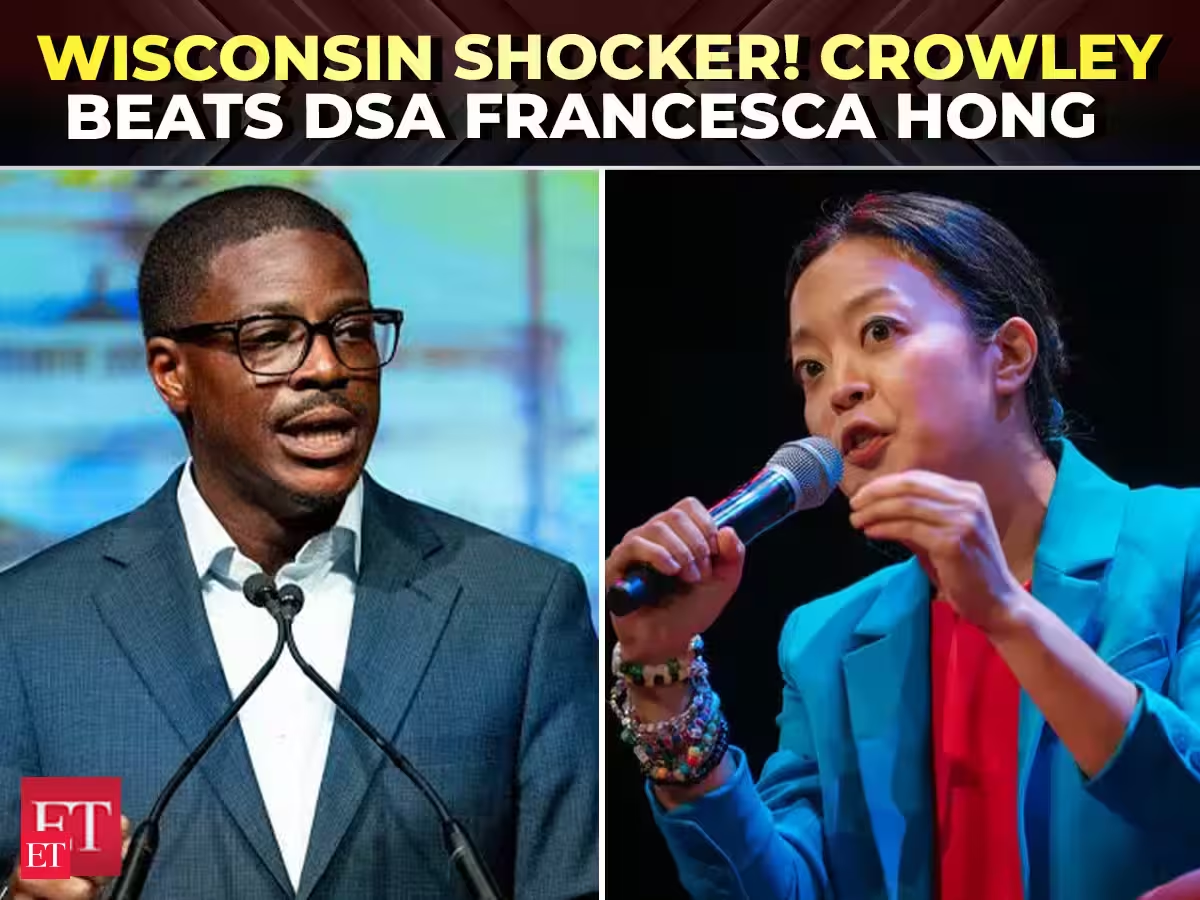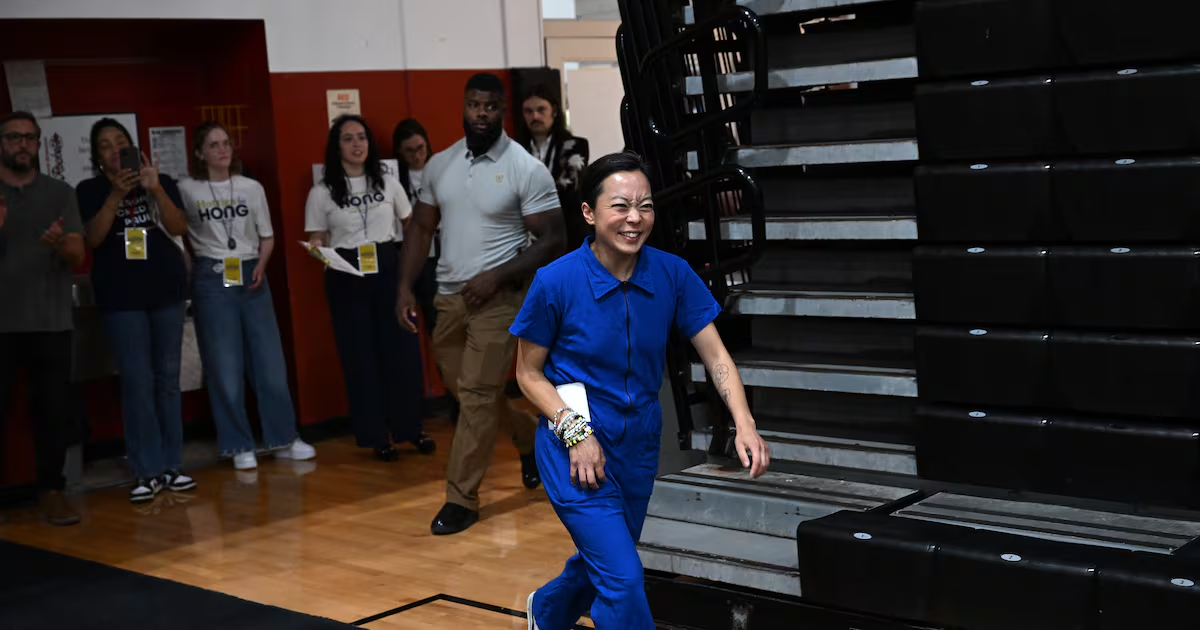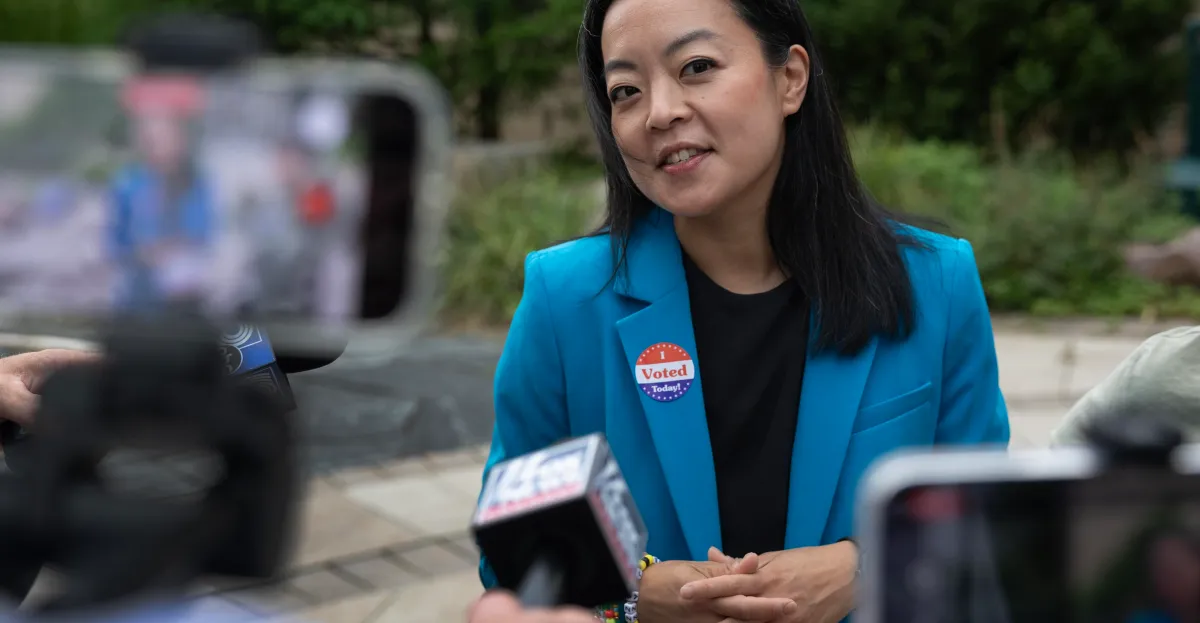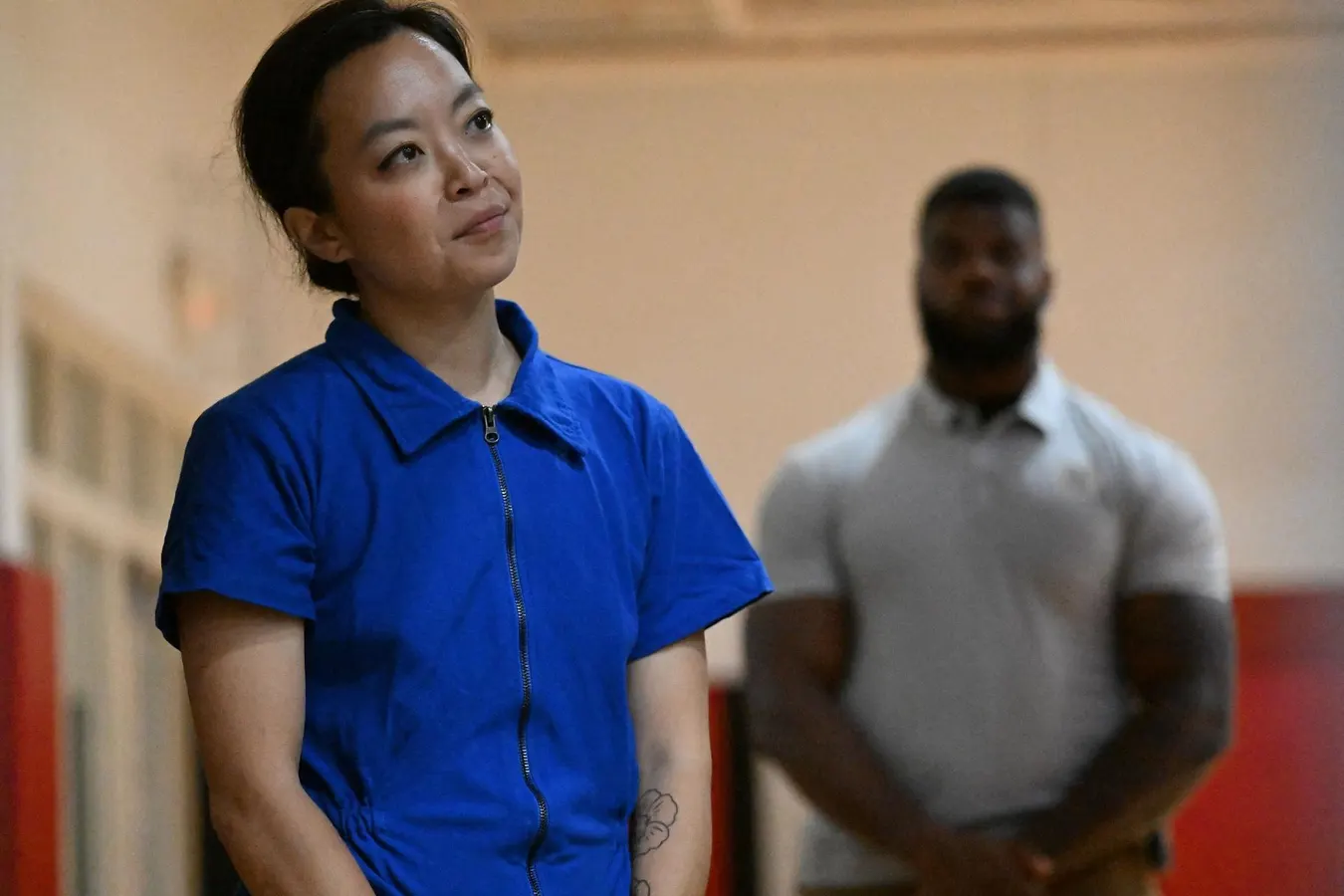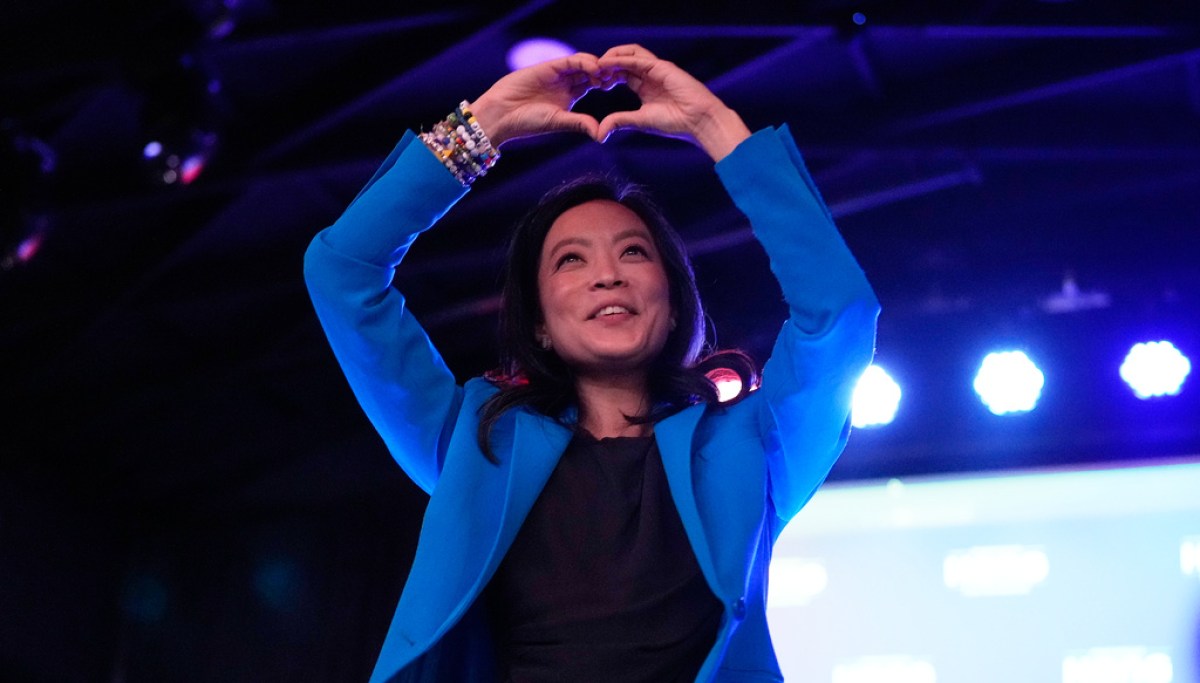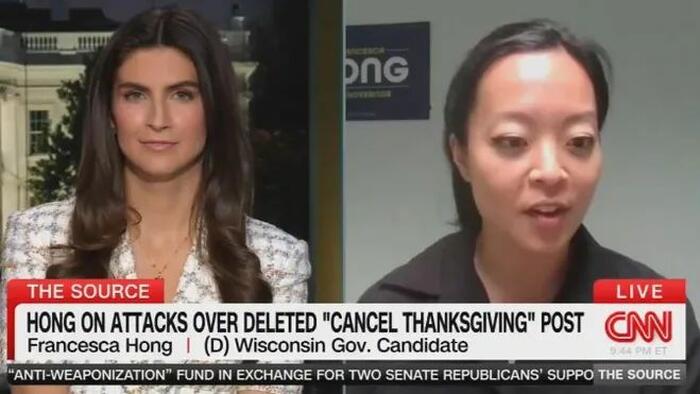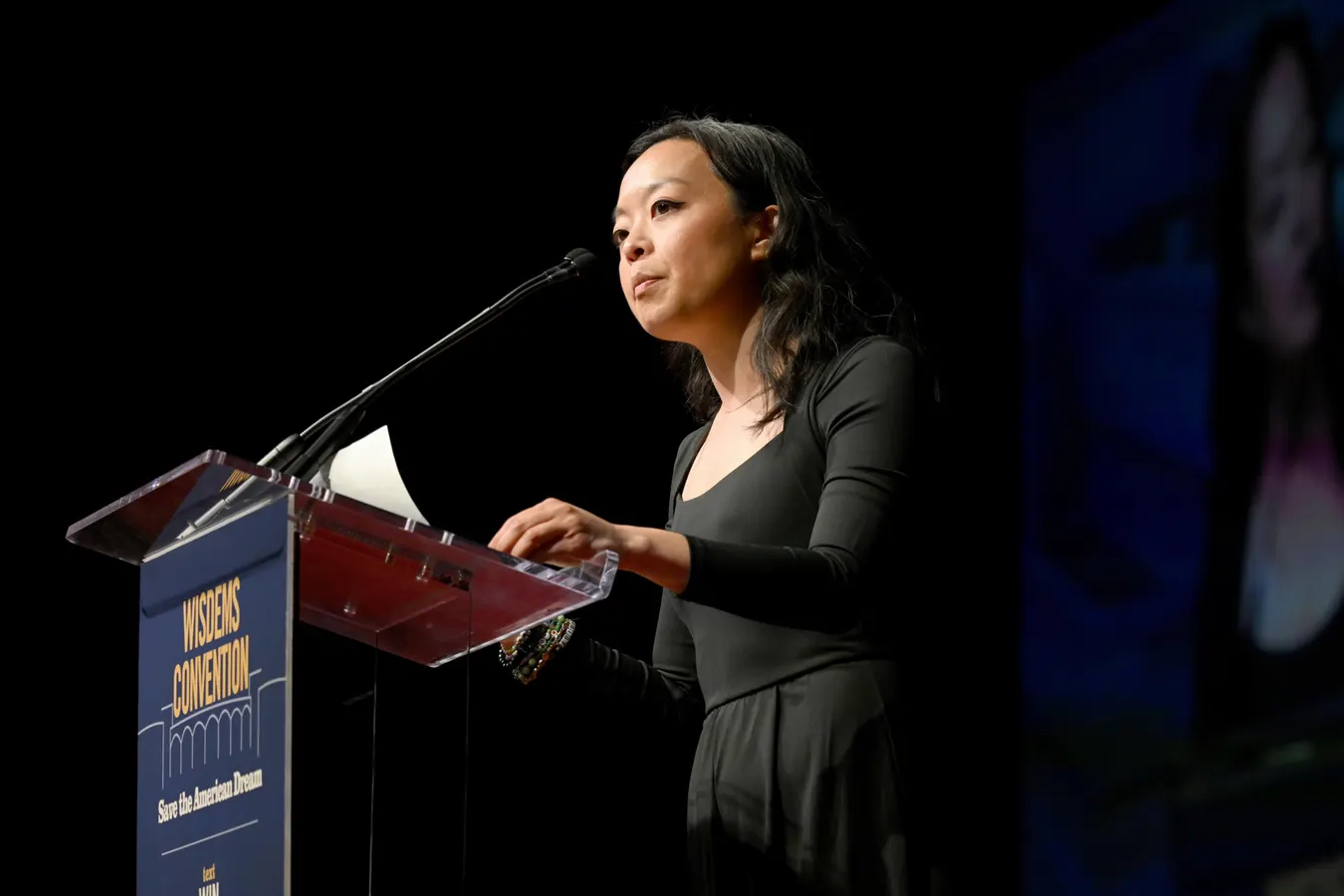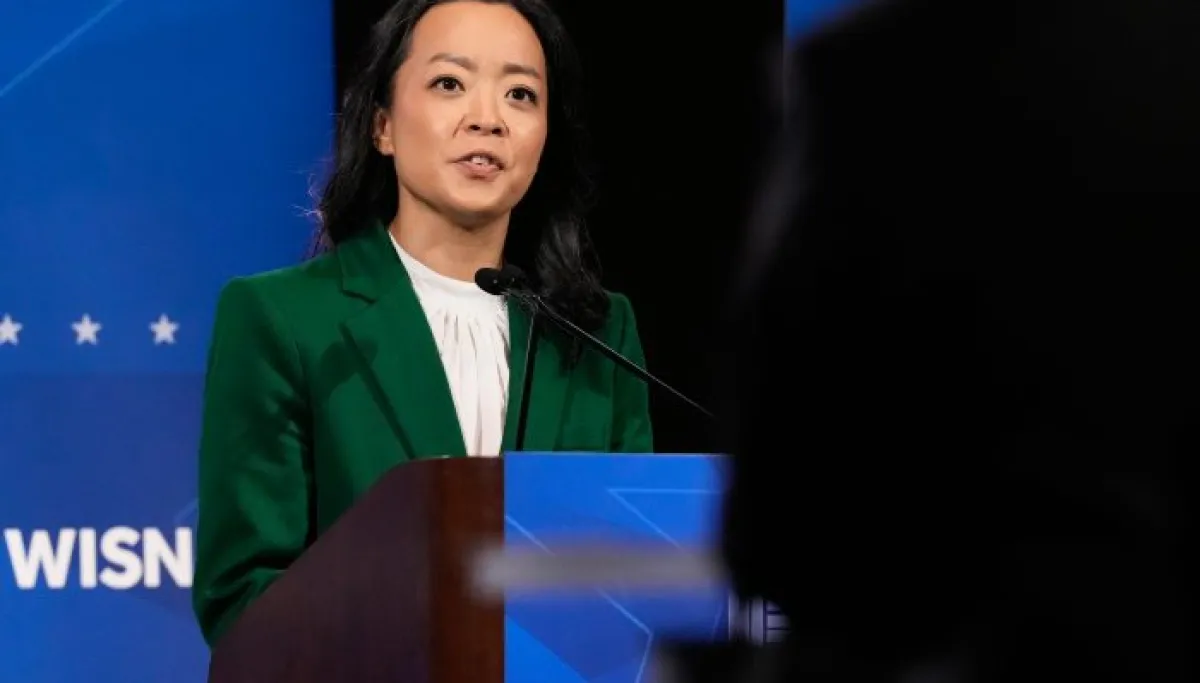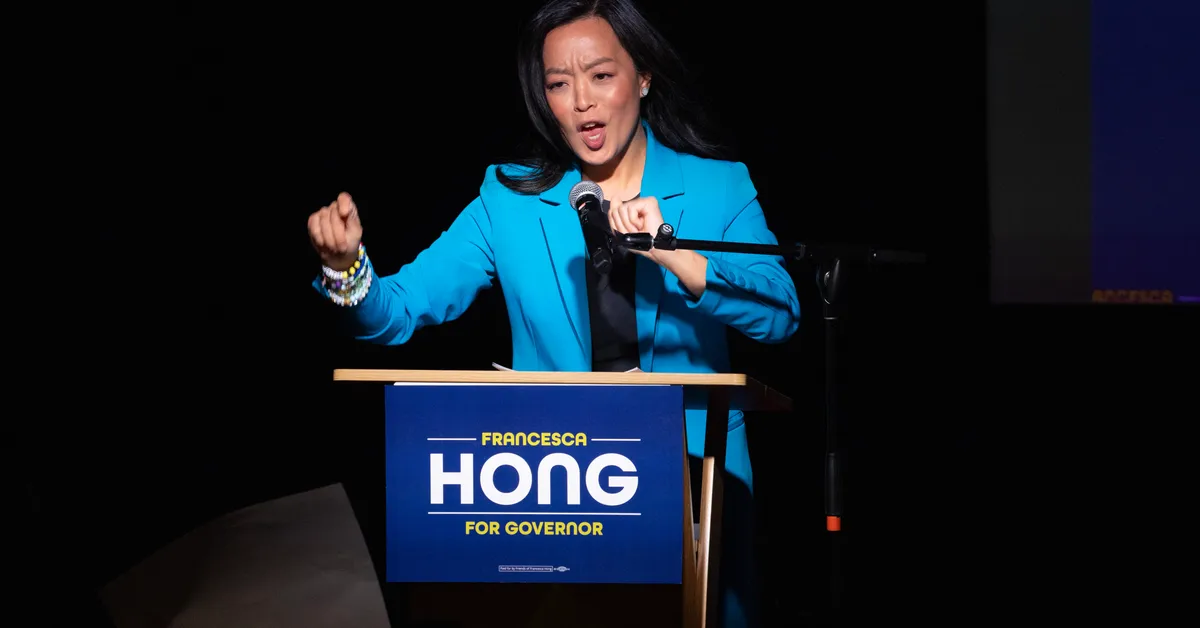
It’s the easy punchline after Assemblywoman Francesca Hong’s loss in Tuesday’s Democratic gubernatorial primary in Wisconsin. “Well, it appears Thanksgiving may be saved this year,” cracked Rep. Tom Tiffany, the Republican candidate for governor, at a campaign stop on Wednesday.But while invocations of the country’s favorite reason to eat turkey and watch football are an easy way to mock Hong, a democratic socialist who came within 3,500 votes of defeating Milwaukee County Executive David Crowley, her failure to explain old social media posts suggesting she wanted to cancel the holiday also played a not-insignificant role in her downfall. Wisconsin Democratic gubernatorial candidate Francesca Hong speaks to supporters during an election-night party on Aug. 11, 2026, in Madison, Wisconsin.Scott Olson via Getty ImagesDemocrats in Wisconsin who worked on the race say her awkward, shifting answers on the topic, paired with knowledge of how Republicans were rooting for her candidacy, clearly sunk in with the high-information, highly educated liberal voters who make up a large chunk of the Badger State’s primary electorate, creating a feedback loop which drove concerns about how she would handle national media attention in the runup to November.Crowley’s come-from-behind victory shows how many college-educated Democratic primary voters, whose rage at the party’s establishment for losing to Donald Trump a second time has led them to back many progressives over the course of the 2026 primary season, still place an ability to win above almost everything.For progressives with troublesome social media histories, Hong’s experience suggests how you respond to them ― she also declined to firmly and totally break with her past calls to defund the police and abolish prisons ― can make or break how the voters-cum-pundits who dominate many primaries will evaluate your ability to win. The end result is the state Democratic establishment landing on a candidate who they are confident can win in November, when the party will be going for total control of state government for the first time in more than 15 years, with the chance to expand healthcare, make childcare more affordable and rebuild the state’s labor movement on the line. The Thanksgiving post in question, from November 2020, was emblematic of progressive rhetoric at the time, which many leading Democrats have since come to regret or treat as an embarrassing burst of exuberance. (“Woke 1.0 was crazy,” Rep. Alexandria Ocasio-Cortez of New York joked on ABC’s “This Week” when asked about Hong’s tweet.) “Cancel Thanksgiving. Should have done this in 1621,” Hong wrote in the post. “If it takes a worldwide pandemic for us to realize we should stop celebrating colonialism and the original superspreader even that killed Indegenous folx and women so be it.” In a CNN interview in early August which first drove attention to the six-year-old missive, Hong never clearly disavowed the post, instead talking about her experience as a chef and how “bringing folks around the table to share conversation and build community is always a good thing.”But she also declared: “Thanksgiving is also a time that’s incredibly painful for many people in our communities.” (A 2025 YouGov survey found 70% of Americans enjoyed Thanksgiving, while just 7% disliked it.)The issue did not go away. By the Friday before election day, she was insisting in an interview with Politico that Thanksgiving was actually her favorite holiday. “I don’t want to cancel it,” she said. “I actually love it.”The inability to escape the issue highlighted the risks of her candidacy, with one pro-Crowley group running an ad saying her “bizarre rants against holidays we love” would be a “distraction we can’t afford.” Wisconsin Gov. Tony Evers, who campaigned aggressively for Crowley, repeatedly said Hong would be focused on “what’s on the Twitter” instead of on the issues if she were to make it to the general election.“She was talking about Thanksgiving,” Evers told Wisconsin Public Radio in an interview at the state fair last week. “And yeah, she really likes it, but she doesn’t like it. Come on.”The interviews on the subject made their way to voters’ nightly local news broadcasts and social media feeds. The highest-educated voters are typically the most aware of the news cycle, and Hong’s loss came in part because she underperformed in areas full of degree holders, who are typically a key part of the progressive coalition in Democratic primaries. The most educated county in the state, Dane, is the heart of Wisconsin progressivism and Hong’s hometown. She won it by a 44% to 37% margin, trailing what operatives on both sides of the race expected. Of the four next highest-educated counties, Crowley won three of them by 10 percentage points or more, while Hong won the remaining county by just a single percentage point.Joe Zepecki, a Democratic strategist in the state, said Hong’s appearances on the campaign trail and on television improved the longer the spotlight was on her. But he acknowledged the early missteps.“Most people do not understand how hard it is to operate under that kind of pressure,” Zepecki said. “I’m sure there will be people who question whether they sought that national spotlight too soon.”The other element which helped convince high-information voters to have doubts about Hong’s electability was the major role Republicans played in elevating her. The Republican Governors’ Association spent $3.6 million on ads attacking Hong, which were not-so-subtly meant to highlight liberal positions which would appeal to primary voters. Another group Democrats have insisted is a GOP front, Middle Class Priorities, spent $1.3 million supporting her. “She was swamping the field with Republican money,” said one Crowley ally who requested anonymity to speak frankly about intra-party tensions. “Her rise was really manufactured in part by the Republicans.” Indeed, within the Crowley camp, the sense was their candidate was competing as much with the RGA’s money as he was directly with Hong. The campaign, which was essentially out of money when he reentered the race in early July after dropping out, was outspent by the RGA for much of the race. But two sources with knowledge of media buys said the campaign and its outside allies were essentially even with the RGA in spending in the final week.And those ads made it clear Republicans wanted Hong to win. The end result was a historic political resurrection. While pre-election polls were not far off in suggesting Hong would earn just over 40% of the vote, they had Crowley earning far lower totals. But he was able to consolidate the undecided voters and win over some voters who were backing other non-Hong candidates. “Fifty years from now, some campaign is going to be down 20 points heading into get-out-the-vote weekend, and some old hat is going to say ’Gather round, kids, and let me tell you the story of the Crowley comeback,” Zepicki joked. Despite the rancor of the primary, both candidates appeared together at a unity brunch and rally on Wednesday. Democrats felt more confident in their chances at both the governor’s mansion and both chambers of the still GOP-controlled state legislature, even while acknowledging big wins are rare in a tightly contested battleground. Republicans, who were confident in their chances against Hong, acknowledged their task became much more difficult.“We had about 500,000 Republicans come out and vote in our primary, 700,000 Democrats,” Sen. Ron Johnson (R-Wis.) said on Fox Business on Wednesday morning. “That’s a 200,000-vote differential. That’s what ought to concern Tom Tiffany, and of course he’s not gonna run against Francesca Hong; he’s probably going to have a more formidable opponent.”Democrats’ holiday problems might not be over yet. On Wednesday afternoon, Tiffany highlighted a message sent out from a long-abandoned Twitter account linked to Crowley with the handle “Dirt McGirk.” (Crowley has said most of the accounts’ occasionally off-color messages were written by a now-deceased friend of his.)“I hate Christmas dinners.... I can never find anything to eat!” reads a message posted on the account on Christmas Day in 2010. “Turns out he and Francesca Hong aren’t so different after all,” Tiffany responded.
How Thanksgiving Ended Francesca Hong’s Hopes
The socialist candidate’s inability to avoid Turkey Day talk raised doubts among voters.
1,328 words~6 min read