Academia
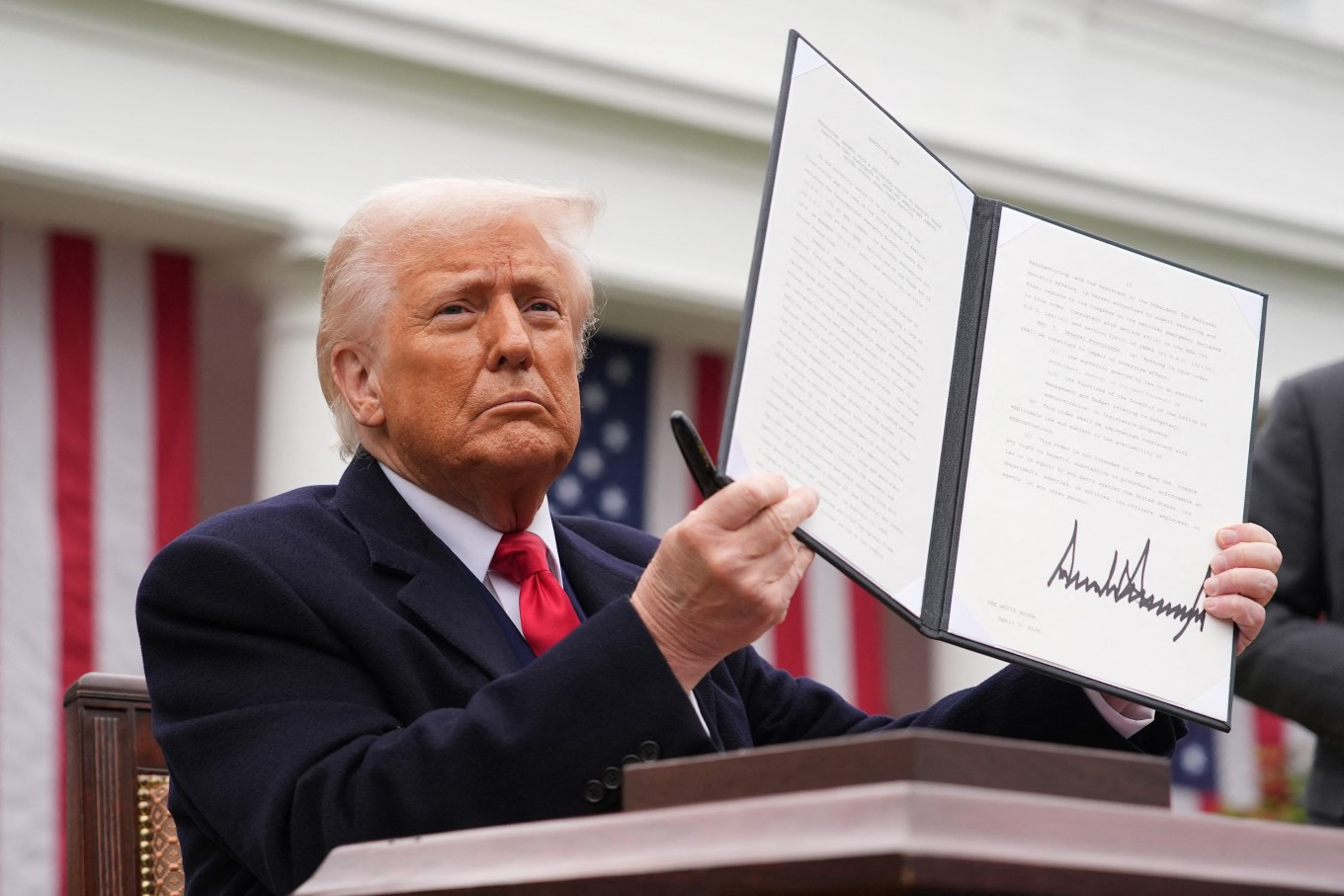
US President Donald Trump displays a signed executive order imposing tariffs on imported goods during a “Make America Wealthy Again” trade announcement event in the Rose Garden at the White House in Washington, DC, on April 2, 2025. (AFP/Andrew Hanik)
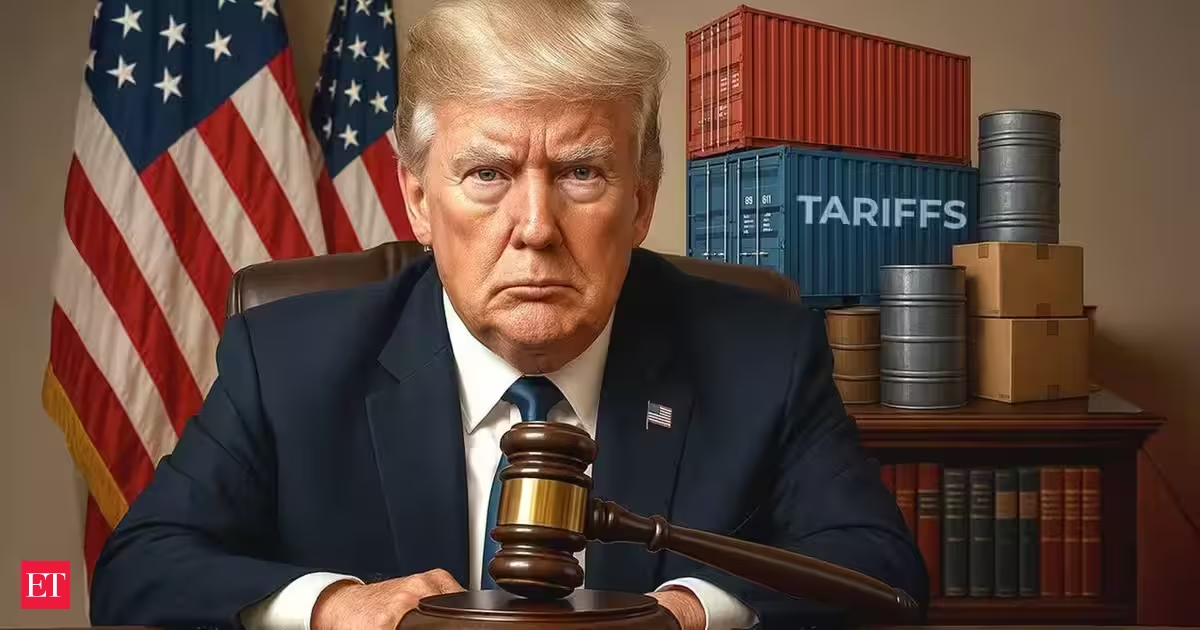
United States President Donald Trump has revived his tariff agenda under a new legal justification. After the Supreme Court struck down his "Liberation Day" tariffs in February, his administration turned to Section 301 of the Trade Act of 1974, accusing trading partners of failing to prevent forced labor in their supply chains. Indonesia is among the affected countries, which has raised questions about how effectively it is tackling forced labor at home.Trump first invoked Section 122 of the 1974 Trade Act to impose a temporary 10 percent tariff on nearly all imports for 150 days. When that expired on July 24, Washington replaced it with tariffs of 10 to 12.5 percent on goods from the 60 largest trading partners under Section 301, citing their alleged failure to address forced labor.
Under this policy, covered products from Indonesia have been subject to an additional 10 percent duty since July 31. These products’ longer-term future remains uncertain, however, due to product exemptions, continuing negotiations and ongoing legal challenges. Nevertheless, Indonesia's inclusion warrants closer scrutiny.