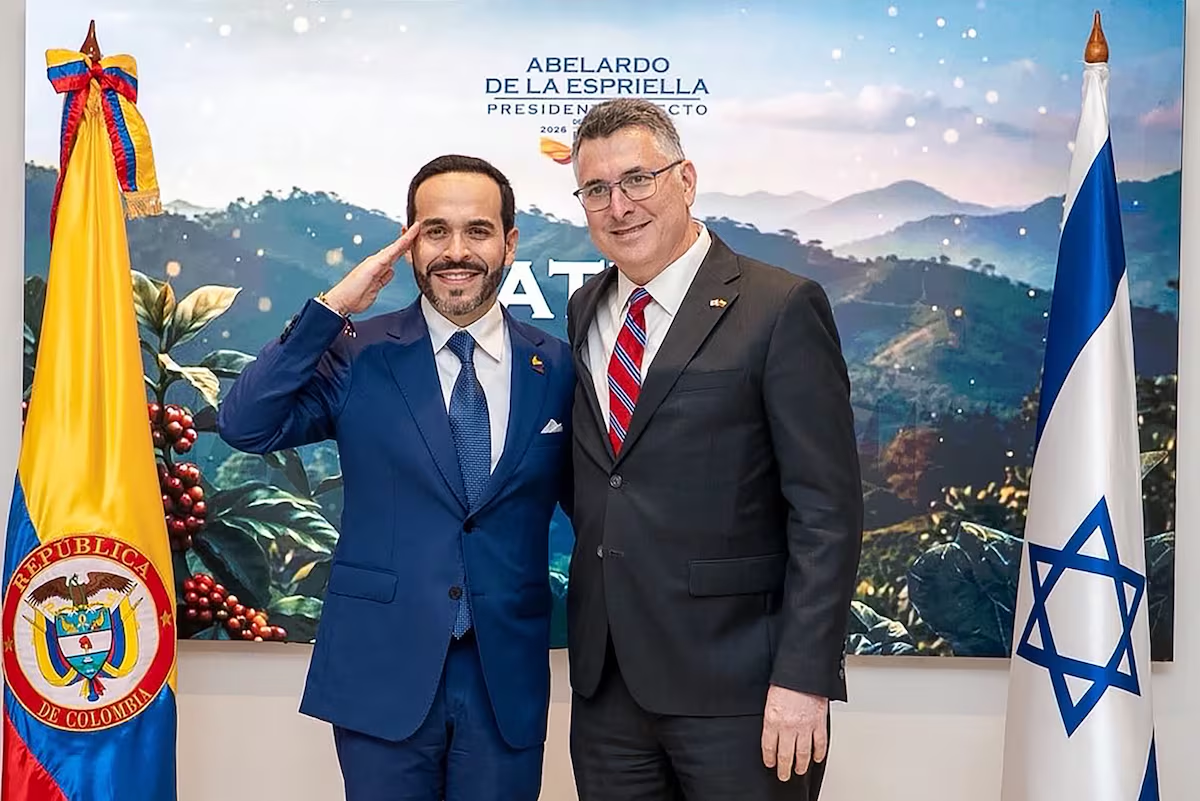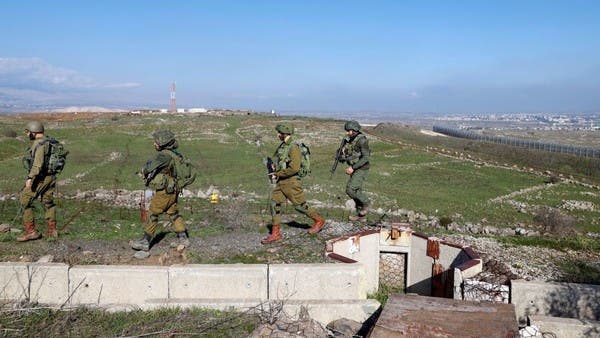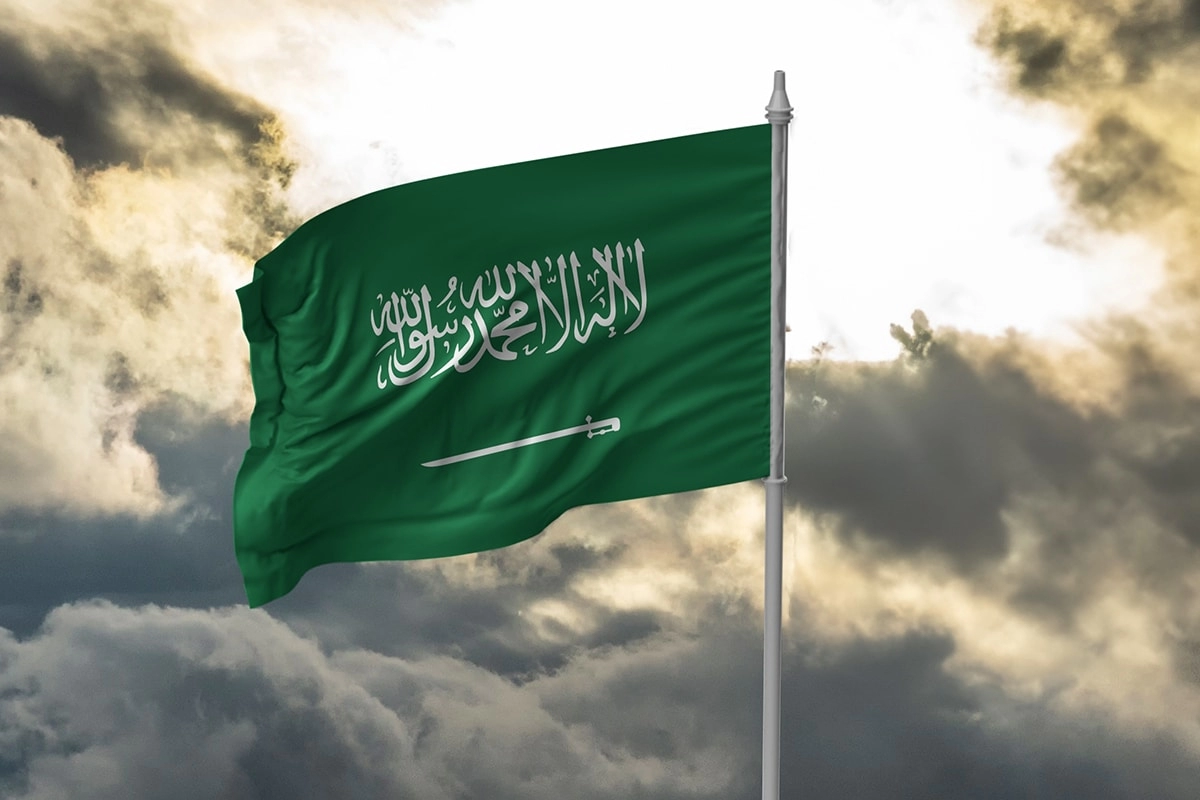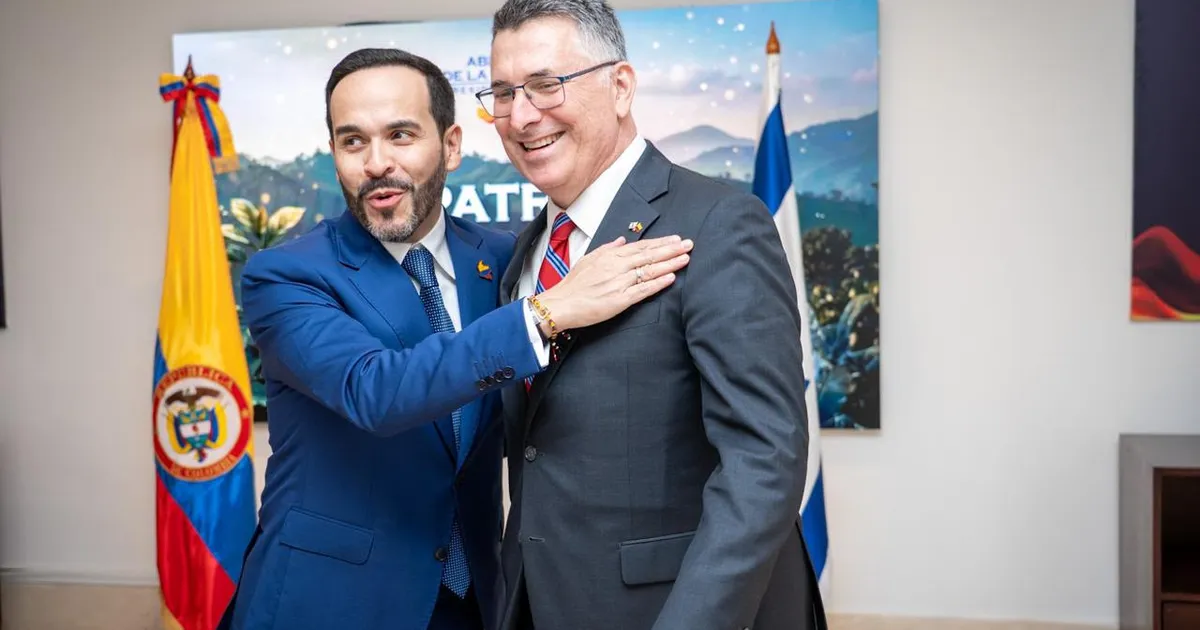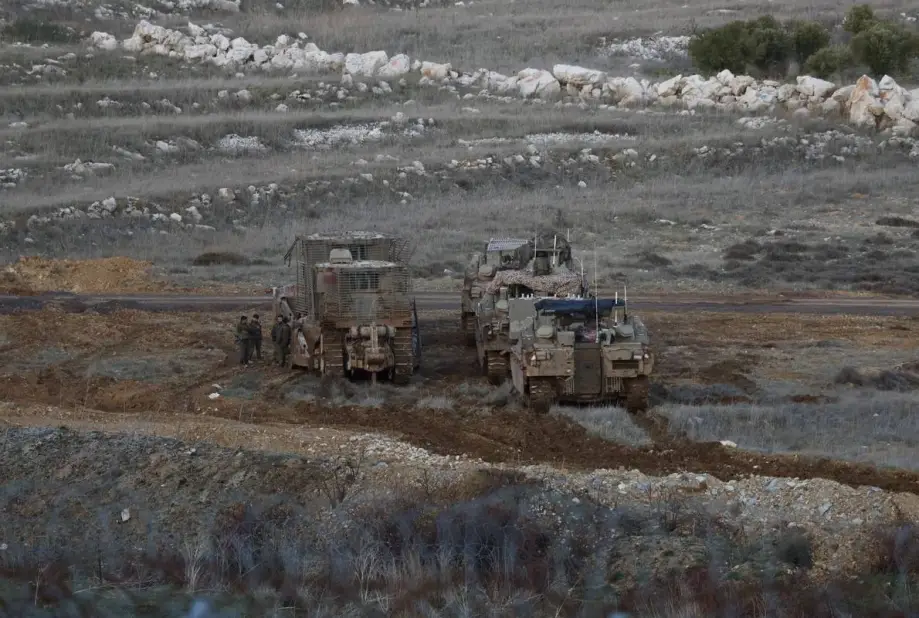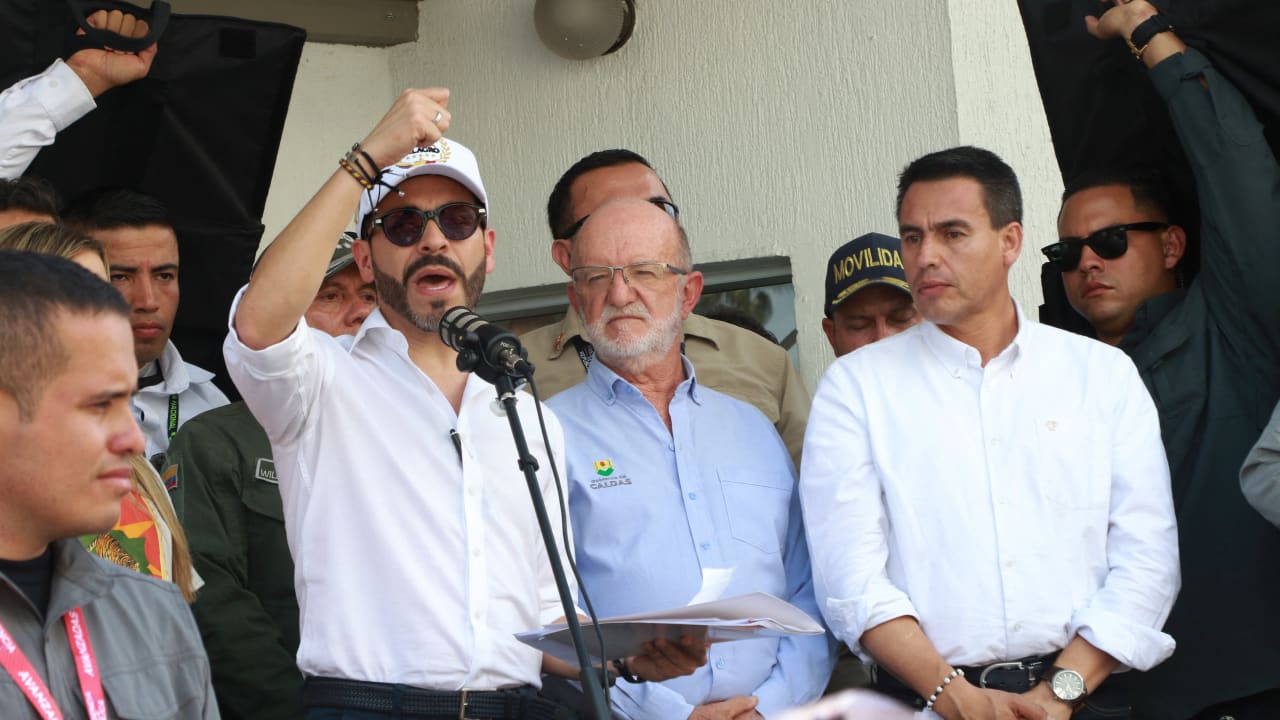
Spanish media have already described the move as a "diplomatic crisis with Arab countries," while Colombian media have reported extensively on the wave of condemnations.Follow us on GoogleColombia's President Abelardo De La Espriella speaks before visiting sites damaged by Monday's earthquake, in Manizales, Colombia, August 11, 2026. (photo credit: REUTERS/Andres Camilo Valencia)ByELI LEONAUGUST 13, 2026 02:19The decision by Colombia's new president, Abelardo de la Espriella, to recognize Israeli sovereignty over the Golan Heights sparked a sharp diplomatic crisis between Bogotá and a number of Arab countries within days.Spanish media have already described the move as a "diplomatic crisis with Arab countries," while Colombian media have reported extensively on the wave of condemnations from Damascus, Riyadh, Cairo, Doha, and other capitals.Colombia's Foreign Ministry announced on August 10 that the government recognizes Israeli sovereignty over the Golan Heights, citing "the ongoing regional instability in the Middle East" and the strategic importance of the area to Israel's security. Colombia thus became the second UN member state, after the US, to recognize Israeli sovereignty over the area.The Arab response was swift. The Arab League rejected the move, saying the Colombian declaration has "no legal effect," and called on Bogotá to reverse its decision.Egypt said the recognition was contrary to international law and UN resolutions, stressing that it continues to regard the Golan Heights as Syrian territory.A supporter of Israel holds flags during a protest, following Hamas' biggest attack on Israel in years, in Bogota, Colombia October 9, 2023. (credit: REUTERS/LUISA GONZALEZ)Saudi Arabia issued a similar statement and warned that recognizing annexation does not contribute to achieving peace in the region.Syria also strongly condemned the decision. The Foreign Ministry in Damascus said the Golan Heights are an "integral part" of Syrian territory and that the country would use diplomatic and legal means to defend its sovereignty. Qatar, Kuwait, and Iraq also joined the condemnations, while the Gulf Cooperation Council described Colombia's recognition as "null and void."Colombia president strengthening ties to IsraelSpanish newspaper El País noted that the move is part of a much broader shift being led by de la Espriella in Colombia's relations with Israel.The new president intends to strengthen security and intelligence cooperation, move Colombia's embassy to Jerusalem, resume coal exports to Israel, and withdraw his country's participation in proceedings against Israel at the International Court of Justice in The Hague. The moves represent an almost complete reversal of the policies pursued by his predecessor, Gustavo Petro, who was considered one of Israel's harshest critics in Latin America.Colombian media outlets, including Semana and Caracol Radio, emphasized that the decision has placed Colombia at odds with a broad coalition of Arab and Muslim countries.However, as of today, there have been no reports of ambassadors being recalled, diplomatic relations being severed, or economic punitive measures being imposed.For now, the dispute remains a developing political and diplomatic crisis, the scope of which may depend on whether Bogotá continues taking additional pro-Israel steps, foremost among them moving its embassy to Jerusalem.Follow us on Google
Arab countries condemn Colombia over Israeli sovereignty over Golan Heights | The Jerusalem Post
Spanish media have already described the move as a "diplomatic crisis with Arab countries," while Colombian media have reported extensively on the wave of condemnations.
497 words~2 min read