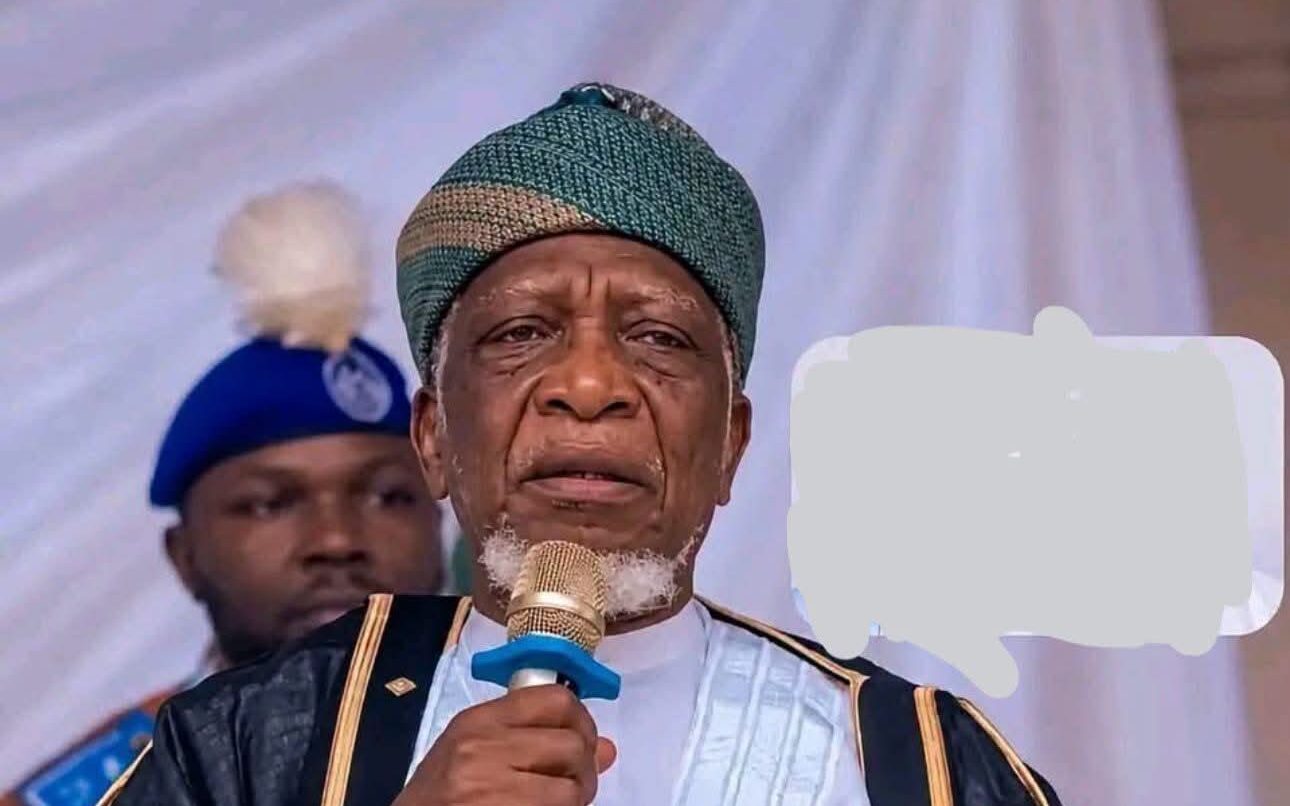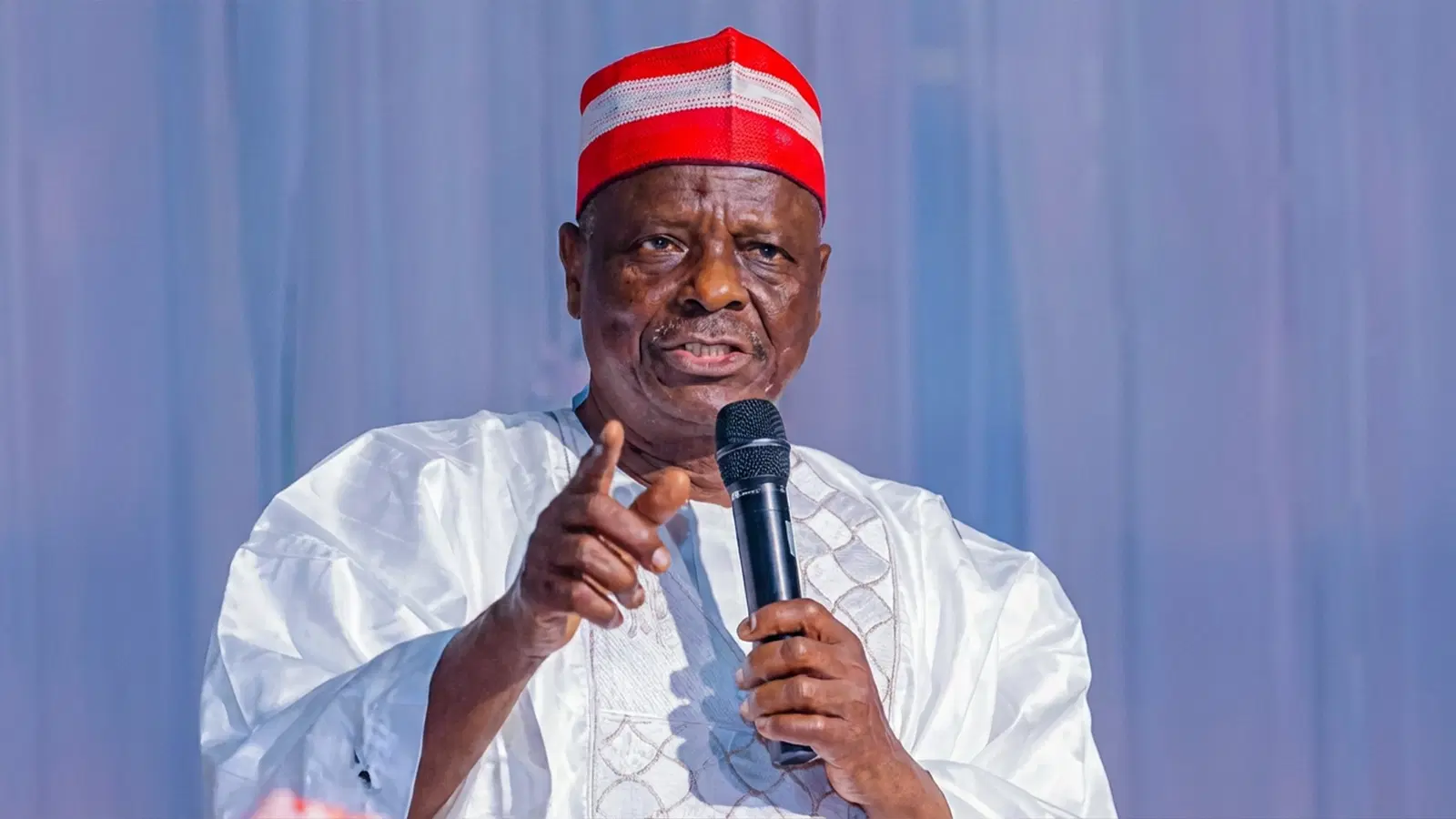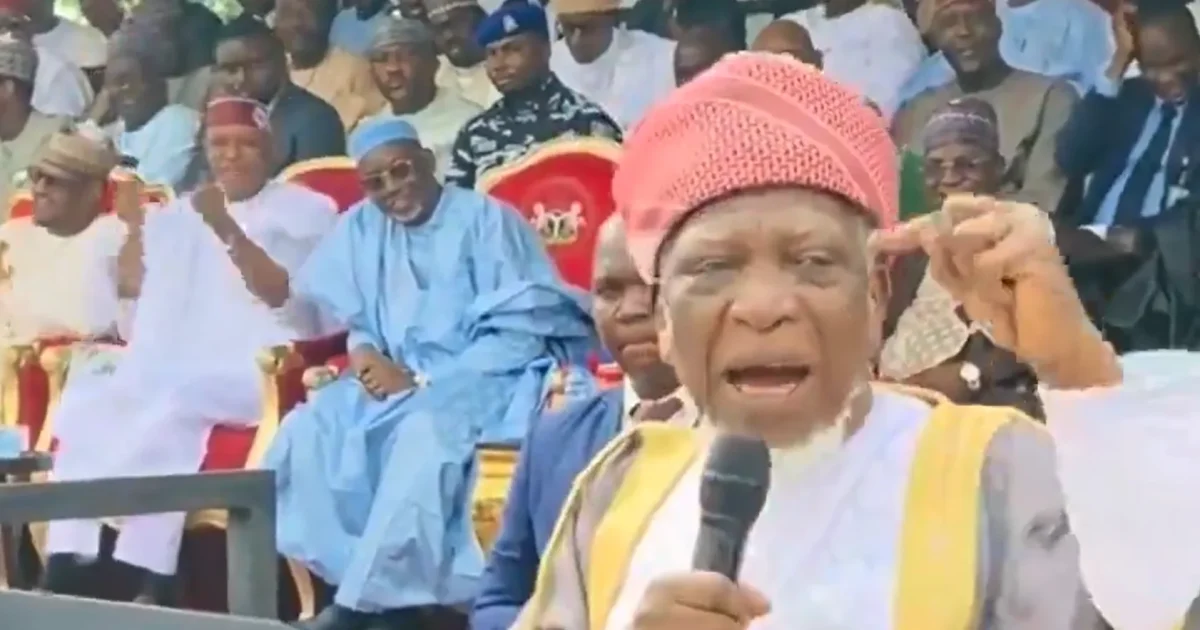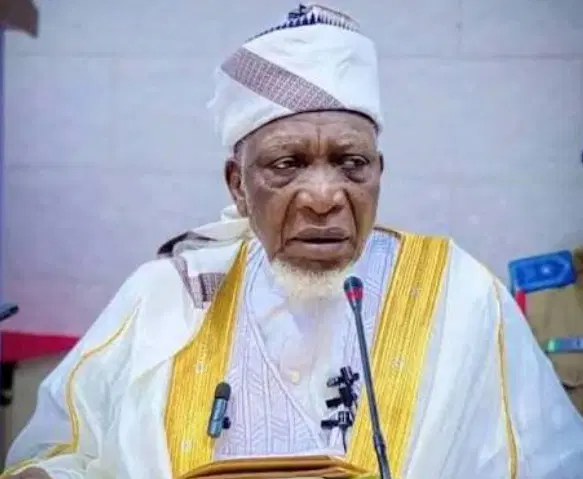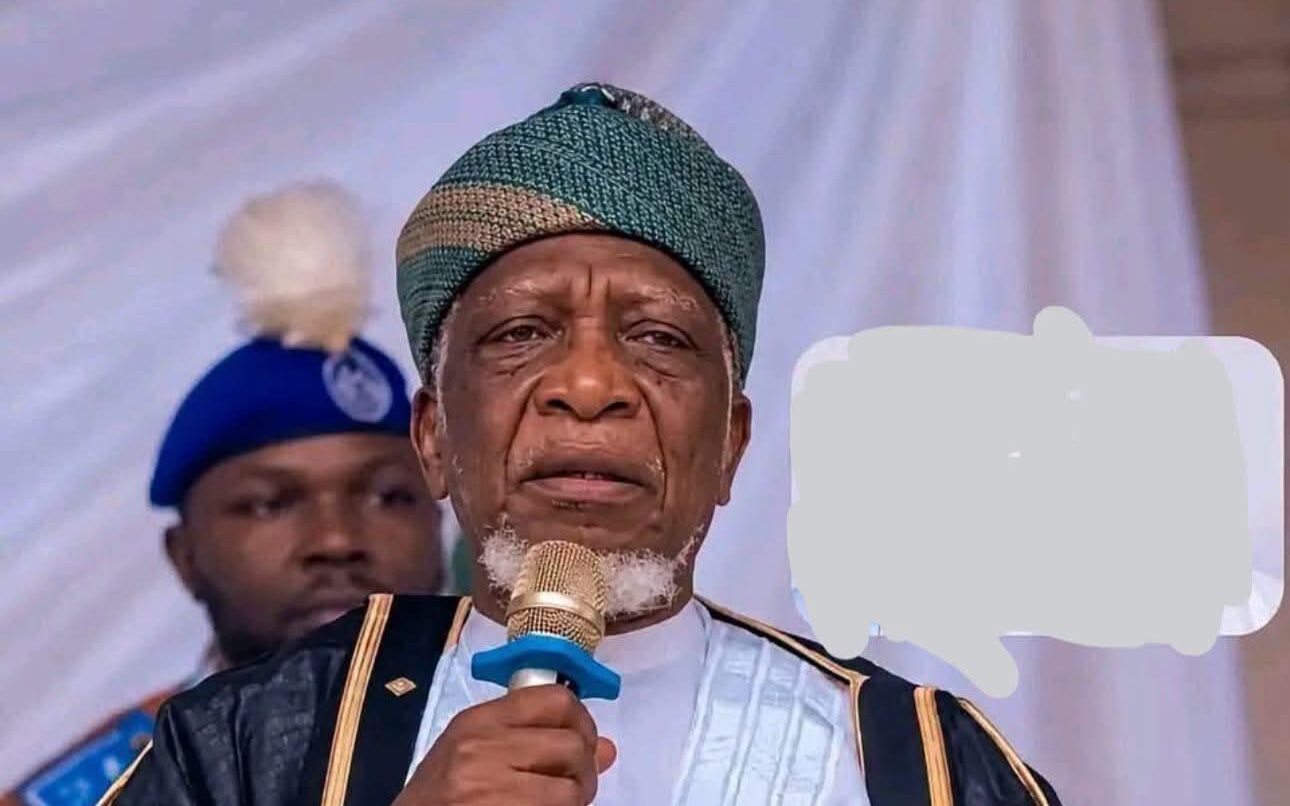
For all the condemnations that followed the words of Islamic cleric Sani Jingir, who recently asked Muslims to support the Muslim-Muslim presidential ticket in 2027, the man did not say what many are not already thinking. The justification he provided was no different from what we heard in 2023 when we were told that the only way a Muslim southerner could ever win the presidency is to choose a Muslim northerner as his vice because—and this is significant—the average Muslim northerner is too parochial to vote for a Christian northern minority, and they cannot bear to see a fellow Muslim deputise a Christian. The only ticket they can respond to, we were told, is the one that over-represents them. That was how they upstaged a political arrangement that had previously maintained religious balance in the calibration of political leadership.
A quick caveat is necessary at this point. Nigeria hardly holds free and fair elections. We also do not conduct election polls; we simply project how people will vote (or voted) based on blocs of religion and region. Those calculations have become self-fulfilling prophecies, obscuring our ability to break down demographics, voter behaviour, and voting patterns beyond amorphous coalitions. We therefore cannot know for a fact whether Muslim northerners are more open-minded than the analyses predict.