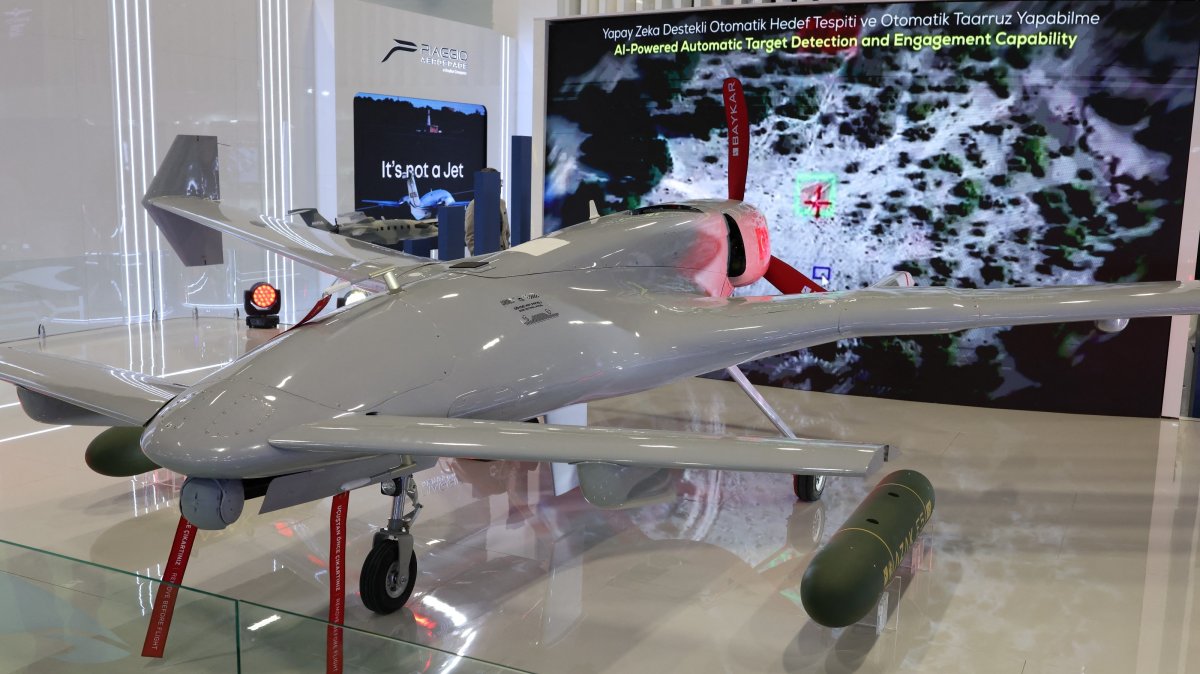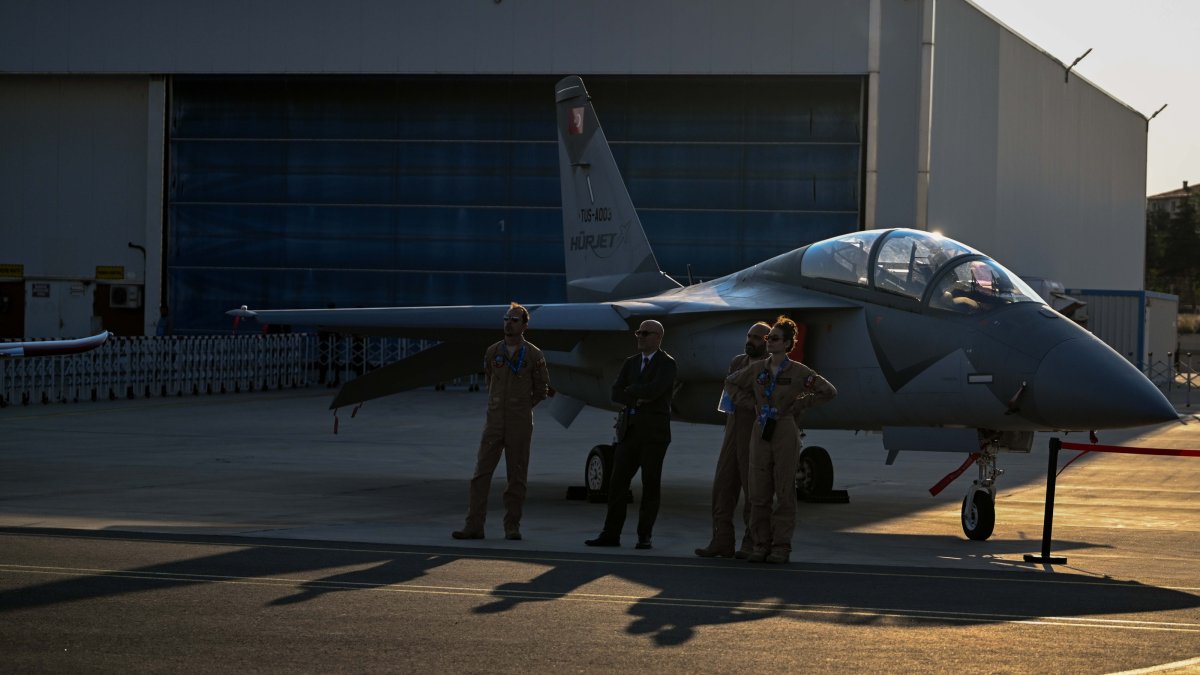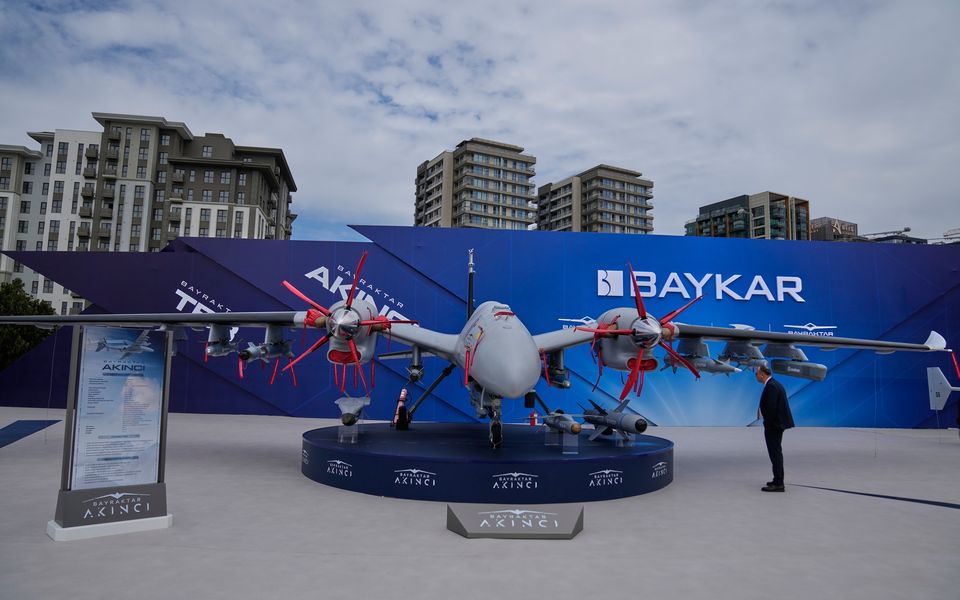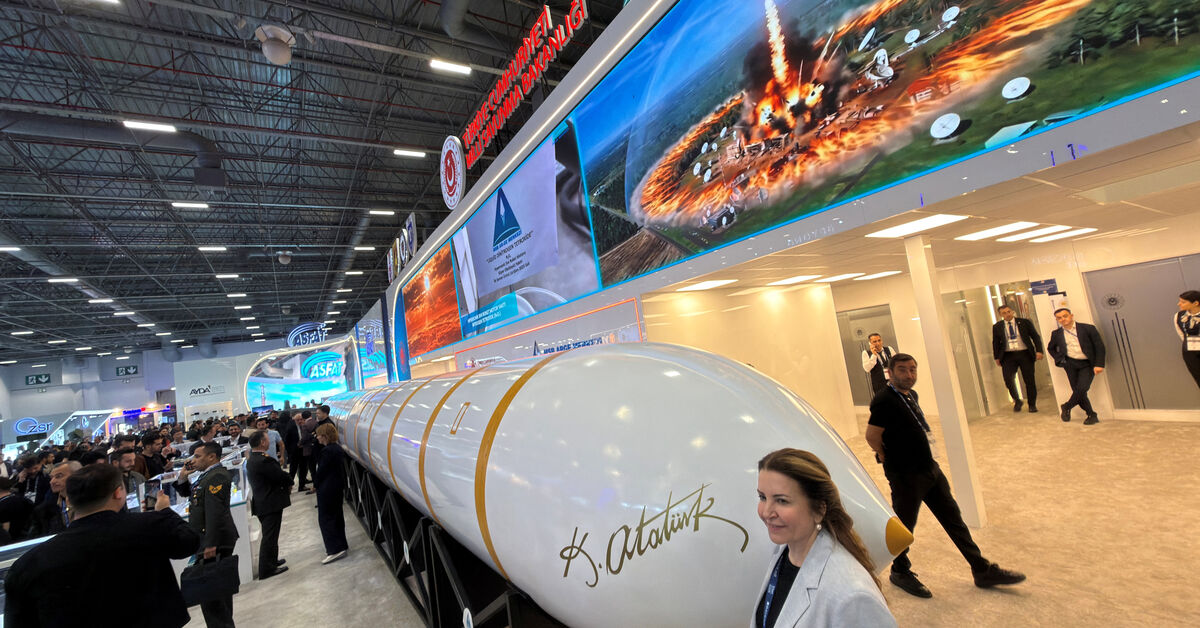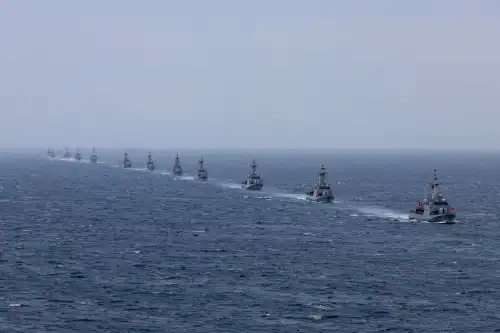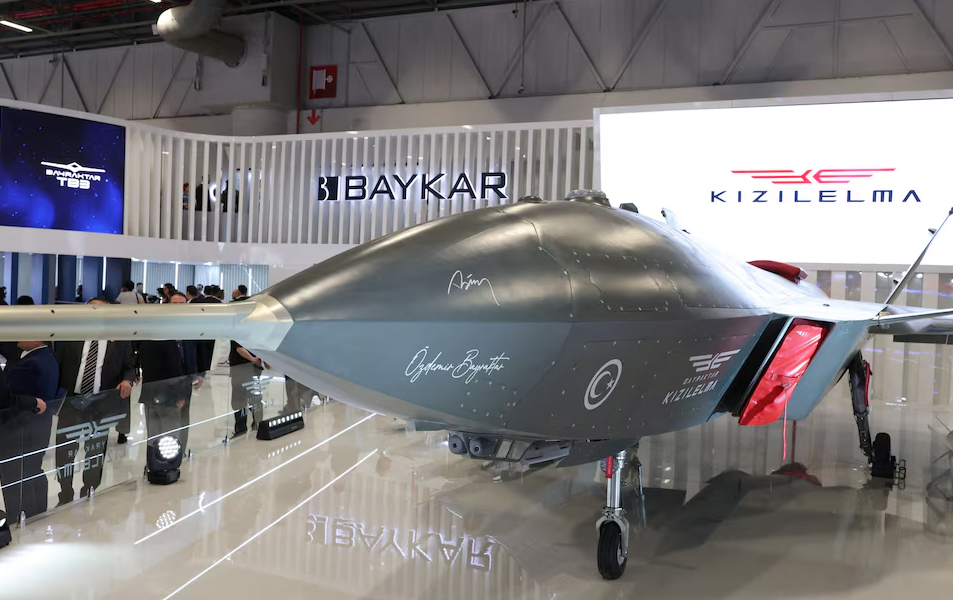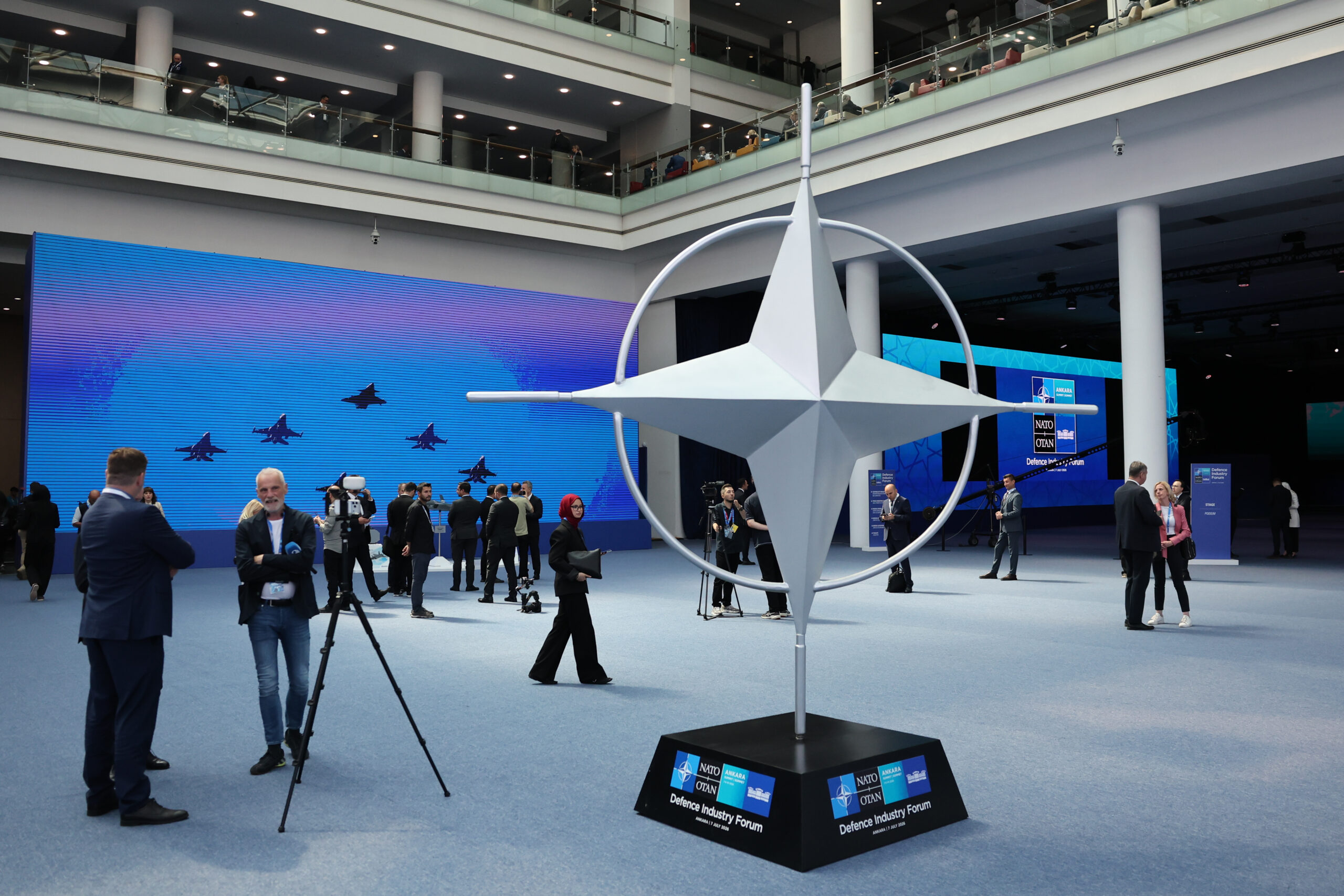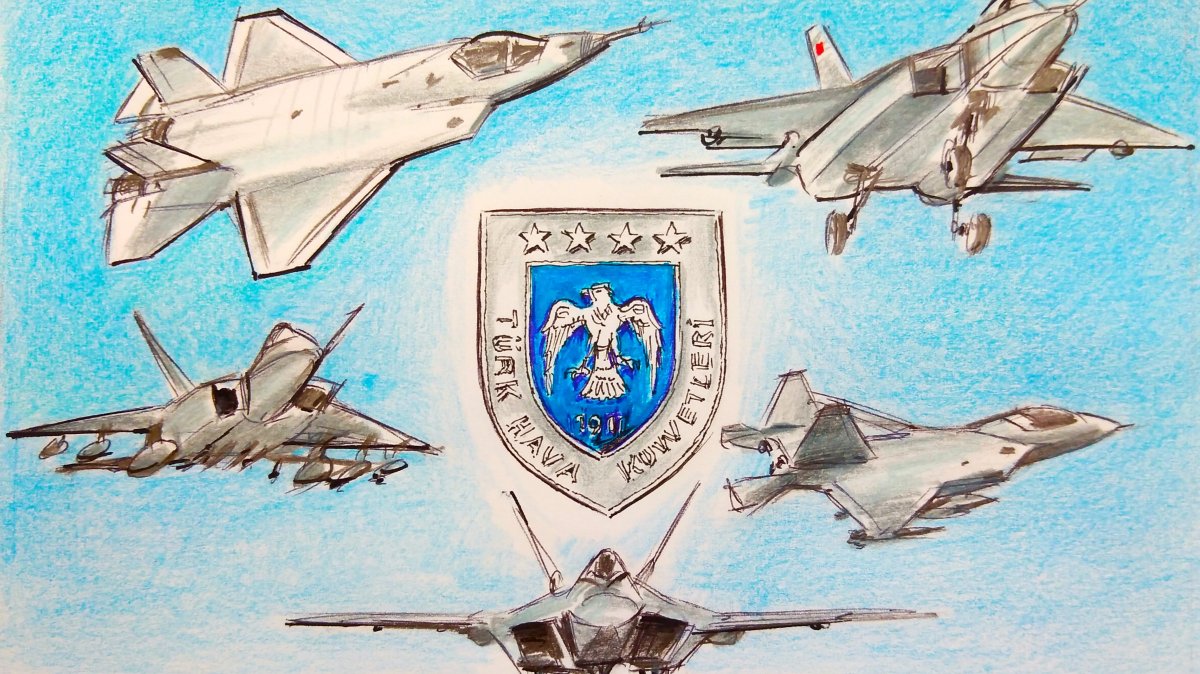
The aviation and aerospace sector is one of the key areas in which global powers are engaged in intense competition for technological and strategic supremacy. Indeed, from a military history perspective, the Allies, who achieved air superiority in World War I and World War II, emerged as the victors. During the Cold War, the competition for air superiority between NATO and the Warsaw Pact marked the beginning of a new era, followed by the Vietnam War, the Arab-Israeli conflicts, and finally the 1991 Gulf War. Today, the competition between fifth- and sixth-generation fighter jets continues at full speed. In this context, the Russia-Ukraine war, the U.S.-Israel-Iran war, the brief Pakistan-India war, and new aerial battles supported by beyond-visual-range missiles and intelligence systems have demonstrated that the wars of the future will be very different.
Türkiye, which possesses NATO’s second-largest military force, faced arms embargoes following the 1974 Cyprus Peace Operation. In response, it adopted a new strategic doctrine and, through its national aerospace industry, including the Turkish Aerospace Industries (TAI), TAI Engine Industries (TEI) aircraft engine factory, Havelsan, Aselsan and others, achieved significant gains in a short period. In this context, TAI produced a total of 308 F-16 fighter jets between 1987 and 2012 and sold 46 units to the Egyptian Air Force.