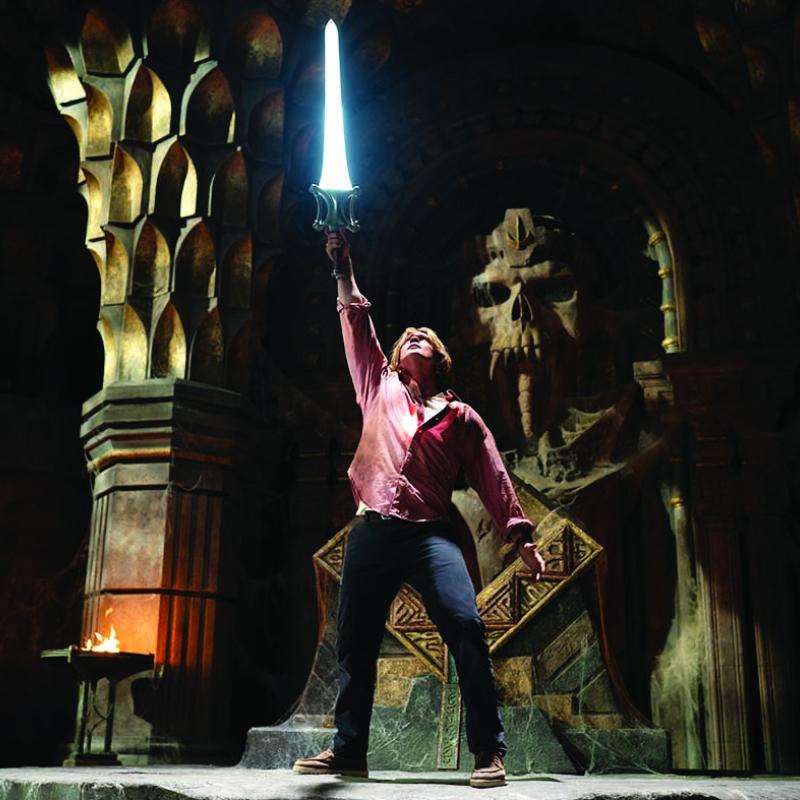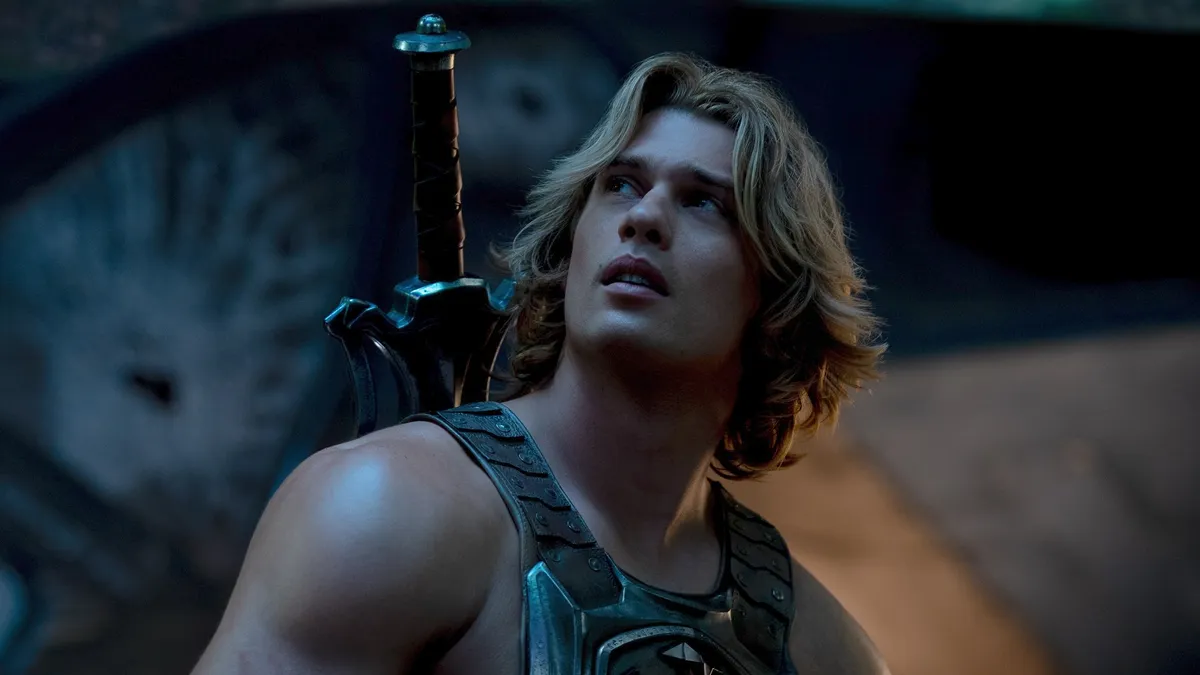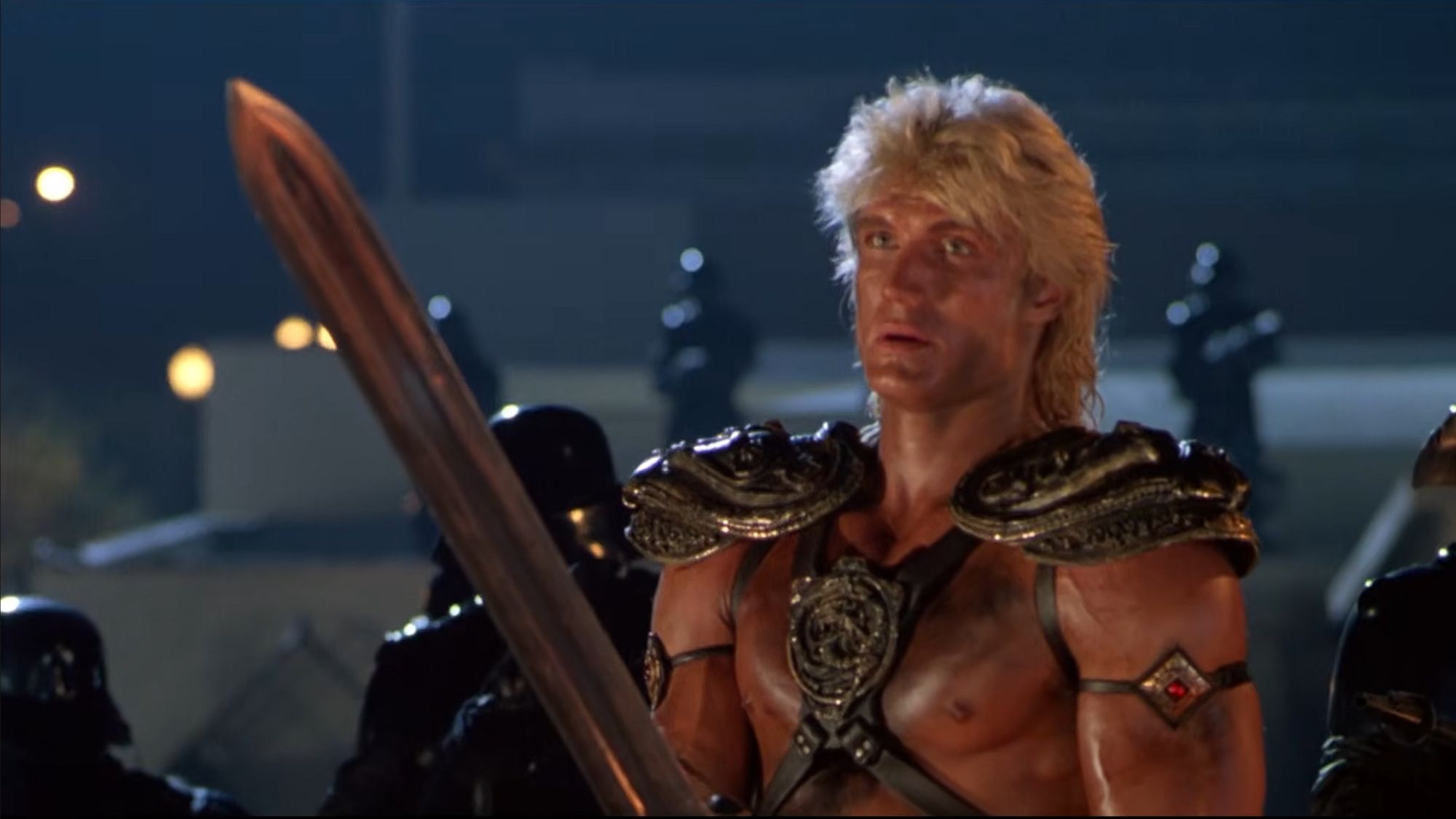
(Image credit: Mattel / The Cannon Group)
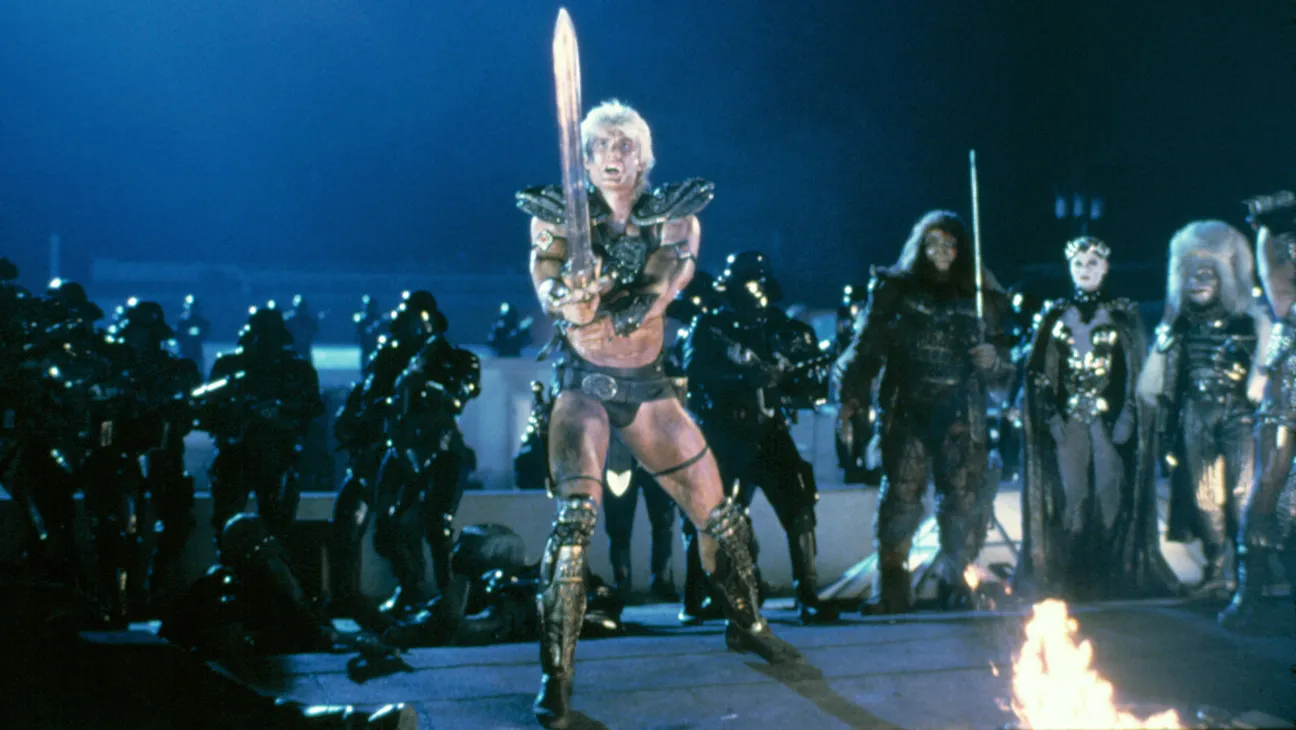
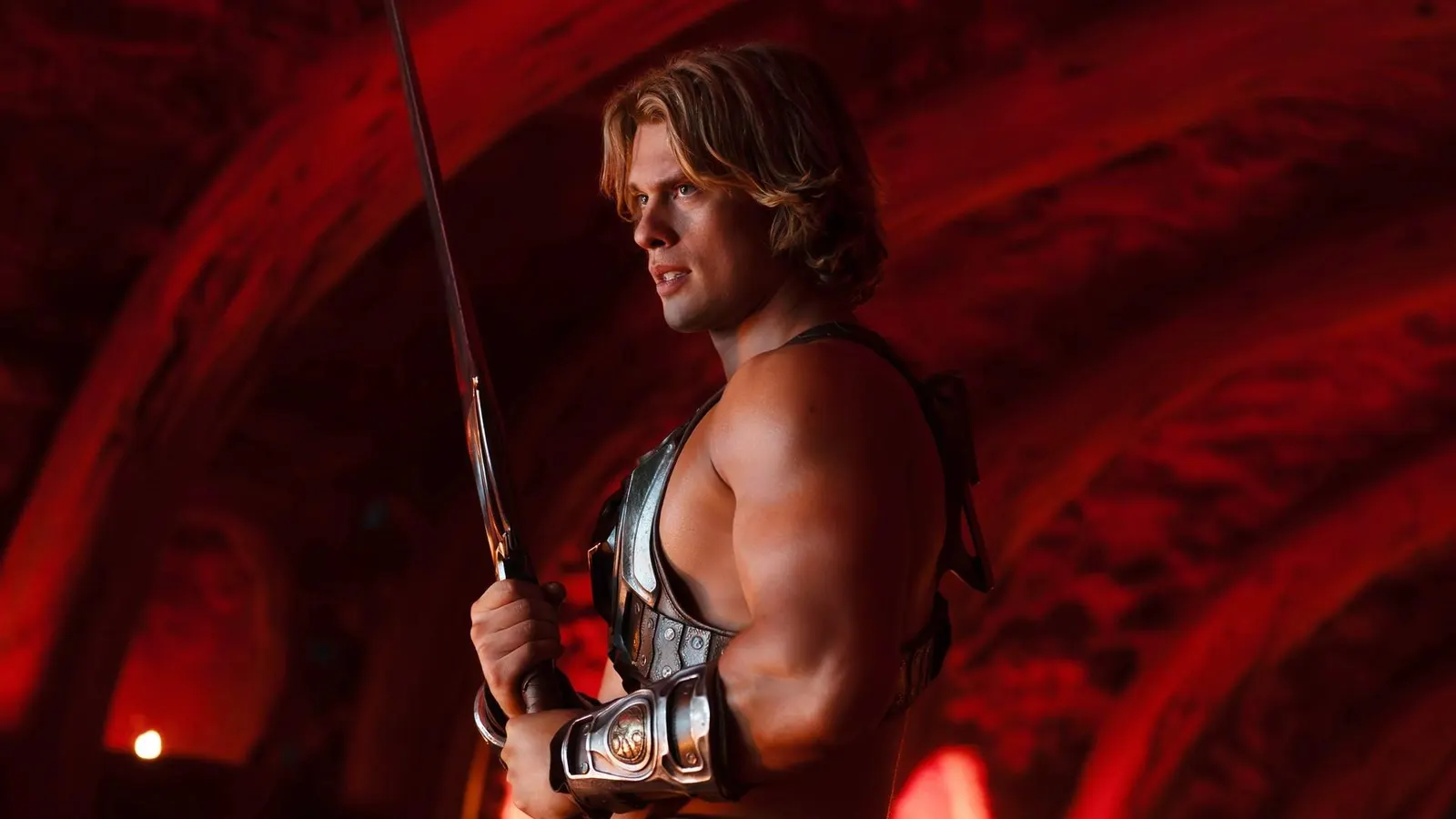
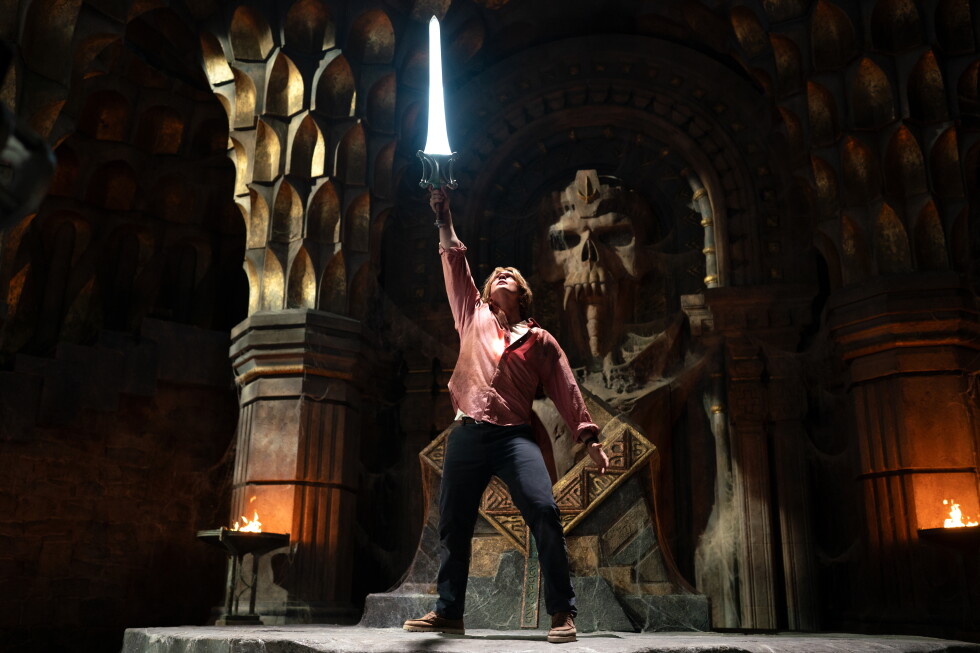
For the generation that grew up in the 1980s, the release of the recent big-budget "Masters of the Universe" movie would undoubtedly have conjured up a sense of déjà-vu.Picture the scene. The year is 1987. You've got the action figures and the Castle Grayskull playset, you've watched every episode of the cartoon again and again, and you can recite He-Man's opening credits voiceover by heart. He has the power!Then someone tells you there's a live-action film adaptation coming out.You persuade your parents to take you to the theater, pick up a great big bucket of popcorn, and get ready to be transported to the familiar surroundings of Eternia. And then…Well, it's fair to say this is not the "Masters of the Universe" you know and love. Sure, leading man Dolph Lundgren is big, but why does he look and dress nothing like He-Man? Who's that Gwildor guy, and what the hell happened to Orko, BattleCat and Prince Adam? Why do He-Man and Skeletor spend so much of the movie on planet Earth? And when are we going to hear that famous theme tune? (Spoiler: you won't.)
(Image credit: Mattel / The Cannon Group)By the power of Grayskull, this was not the film '80s kids expected, or indeed wanted. But disappointing a pre-teen fanbase was the least of "Masters of the Universe"'s worries. Sales of Mattel's previously all-conquering toyline were way past their peak, while the appetite for films trying to capture "Star Wars"' unique blend of sci-fi and fantasy had all but disappeared. Perhaps more importantly, "MOTU" 1987 had been bankrolled by an ambitious but eccentric studio, whose efforts to break into the mainstream had left it in a financial state so perilous that not even the most powerful man in the universe could save it."Masters of the Universe" was one of the undoubted pop culture success stories of the 1980s. Although Mattel had made the mistake of turning down the licence to make "Star Wars" toys, the toy giant responded in spectacular style by launching a fantasy behemoth of its own in 1982. He-Man, Skeletor and their Eternian colleagues would soon become household names, largely thanks to the advertising power of an immensely popular cartoon series.Decades before "Transformers", "The Lego Movie" and "Barbie" made big money at the box office, producer Edward Pressman had seen the potential in taking a toy franchise to the big screen. There had been early interest in "He-Man" from major studios (including Warner Bros), but — largely thanks to delays caused by management changes at Mattel — interest had waned by the time Cannon Films stepped in to foot the bill.