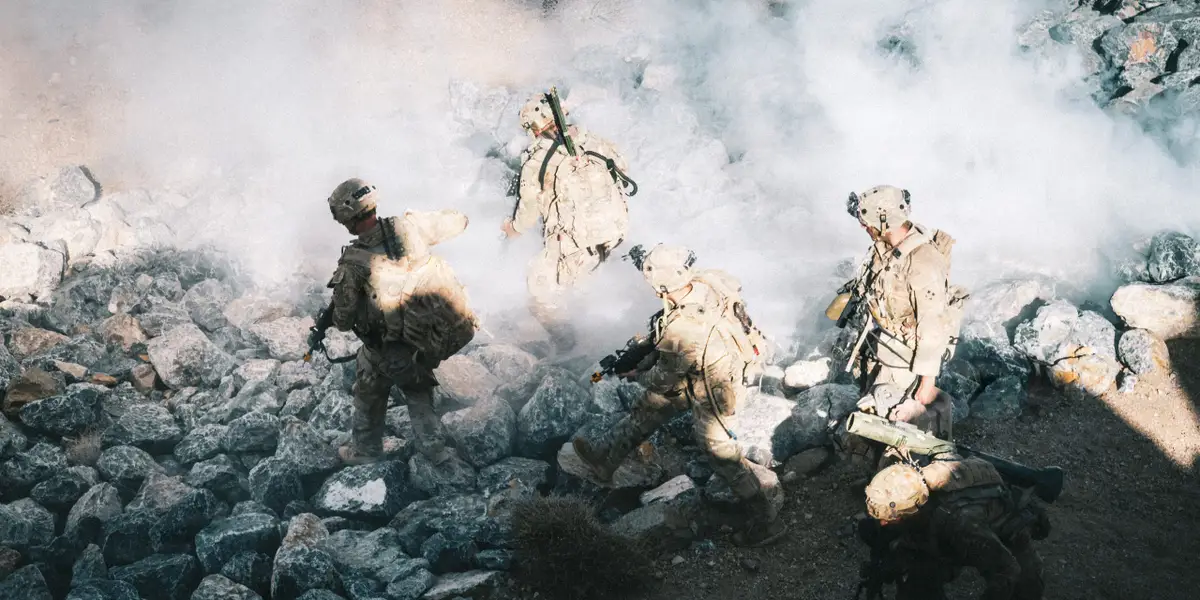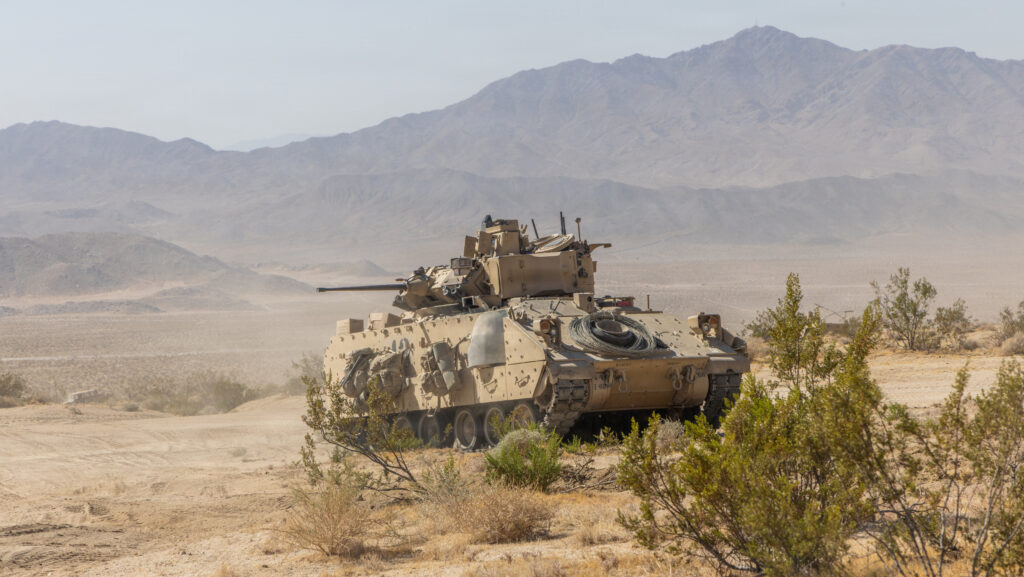
An M1A2 Systems Enhanced Package Abrams tank assigned to 4th Infantry Division holds position during Project Convergence Capstone 6 (PC-C6) at Fort Irwin, California, July 22, 2026. (U.S. Army photo by Sgt. Sar Paw)
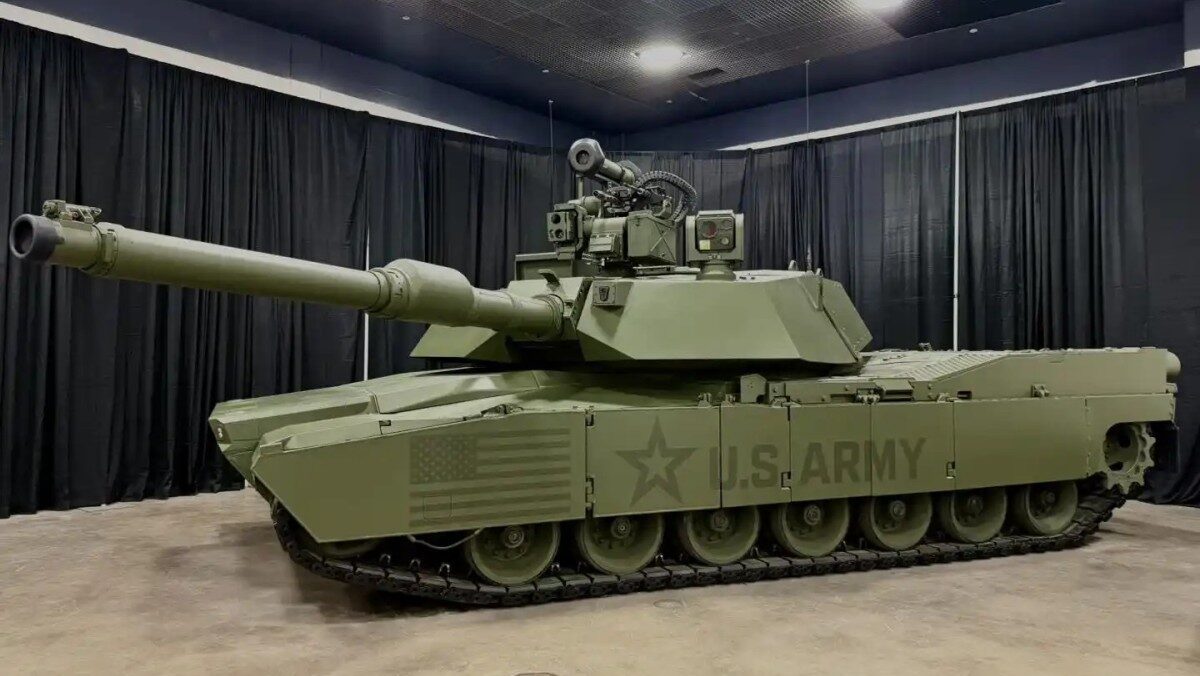
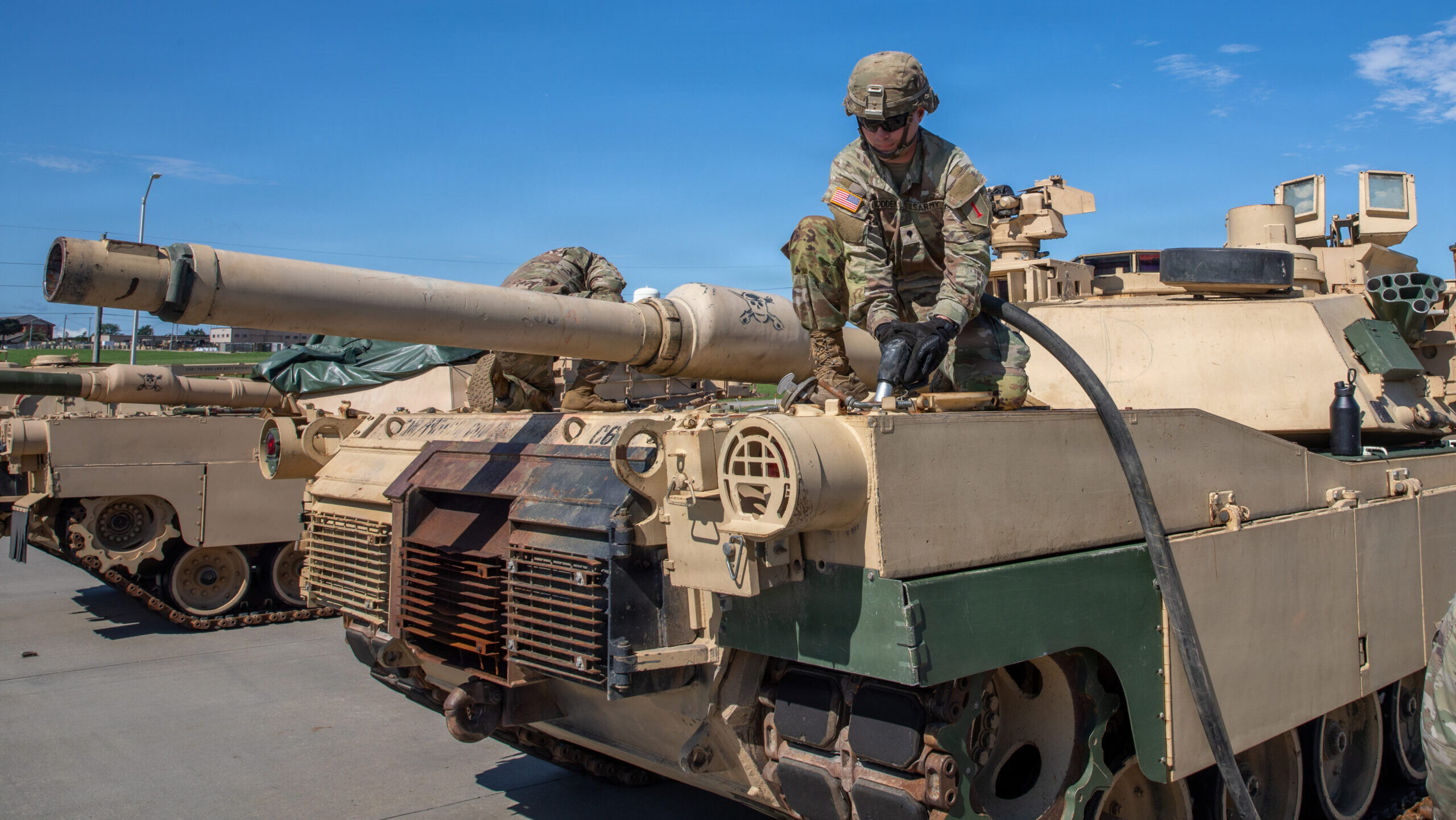
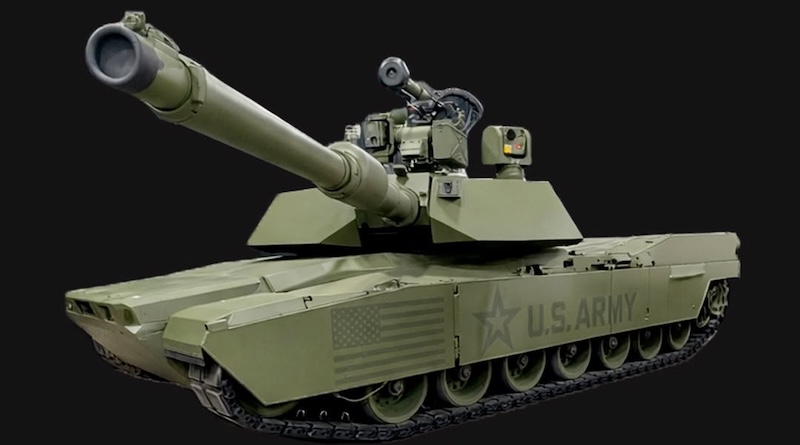
DETROIT — The Army is awaiting new fleets of M1E3 Abrams and XM30 Infantry Fighting Vehicles, but in the meantime, some of the legacy platforms its using face a “readiness crisis,” in part due to supply chain woes, a top official in the Army’s office responsible for managing the sustainment of its ground vehicle fleet told Breaking Defense. “We have an aging fleet, and we have modernization on the horizon, but it’s not coming fast enough. We’re going to be maintaining some of these legacy platforms for decades, and so obsolescence issues that we have now, we have to live with for 20 or 30 years,” Brig. Gen. Beth Behn, commanding general of the Army’s Tank-Automotive and Armaments Command (TACOM), told Breaking Defense in an interview here at the GVSETS conference.
To help counter this crisis, TACOM is planning on holding more engagements with industry to help fix supply chain woes, Behn said, similar to the TIGER hackathon TACOM hosted last month. As Breaking Defense previously reported, the goal of that hackathon was to attempt to mend bottlenecks affecting subcomponents of the Abrams’ AGT1500 engine, nicknamed the Tiger, made by Honeywell Aerospace. (Despite its name, the event did not involve any hacking.)