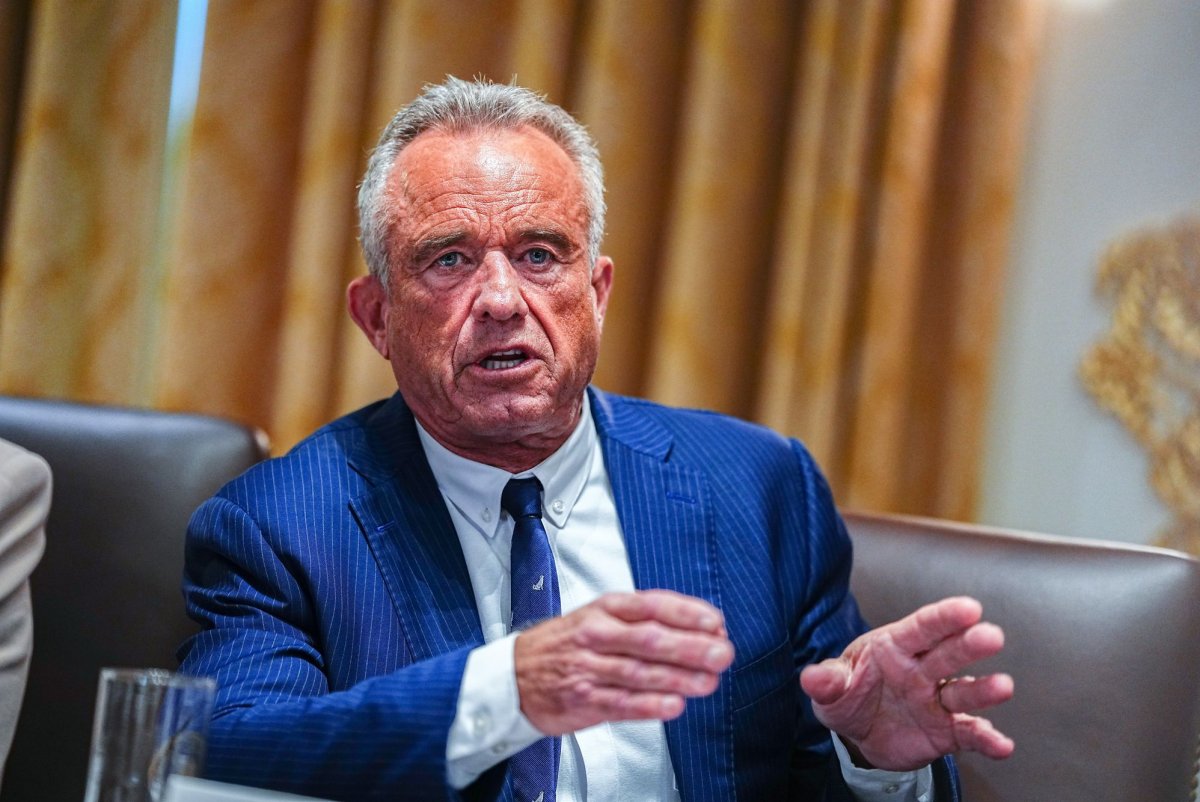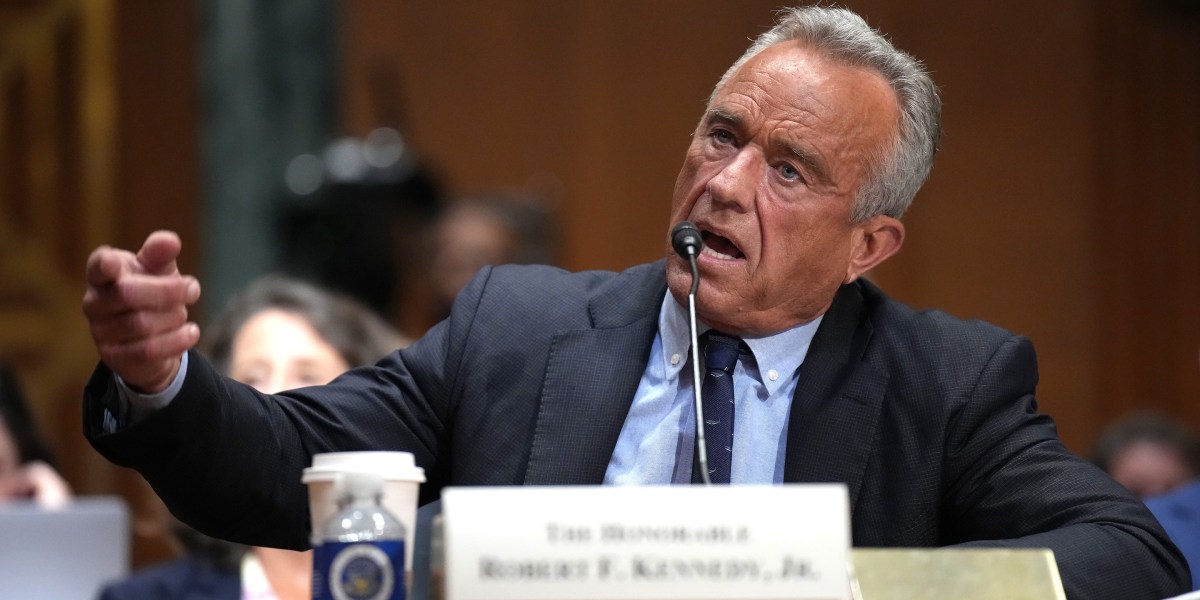
Health and Human Services Secretary Robert F. Kennedy Jr. insists that autism cases are only on the rise for children, but recent autism prevalence studies find that autism diagnoses are increasing for adults, too. During an Oval Office event on autism and vaccines on Monday, Kennedy said the rise in childhood autism diagnoses since the early 2000s proves that there is an “environmental toxin” causing the proliferation of the neurodevelopmental condition, rather than changes to the diagnostic criteria for autism.
But experts in autism research say autism diagnoses are indeed increasing for adults, too, refuting Kennedy’s claims.The claim
Kennedy, who has long speculated that vaccines given during childhood cause autism, said it is “an absurdity” to suggest that autism diagnoses have increased because of expanded diagnostic criteria and improved access to resources for school-age children.“If we were just noticing it more, we would notice it in older groups. We’re not,” Kennedy said. “We’re only noticing it in kids who were born around 1989 or after. The older generations are not seeing those increases.”The health secretary went on to say “something happened in the mid 90s” that made autism more prevalent. He acknowledged the decades of research that point to various genes that, when combined, present as autistic symptoms but said an environmental exposure of some kind is responsible for the society-wide increase in cases, referring to the concept of epigenetics.“It has to be an environmental exposure because genes don’t cause epidemics,” Kennedy said. “It can provide a vulnerability, but you need an environmental toxin.”The Washington Examiner contacted HHS with a request for comment.The reality