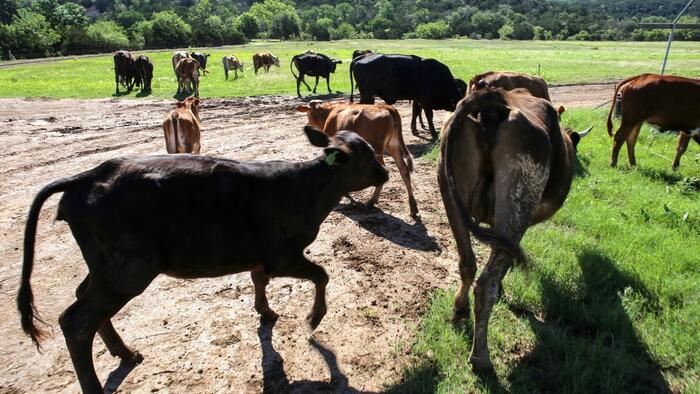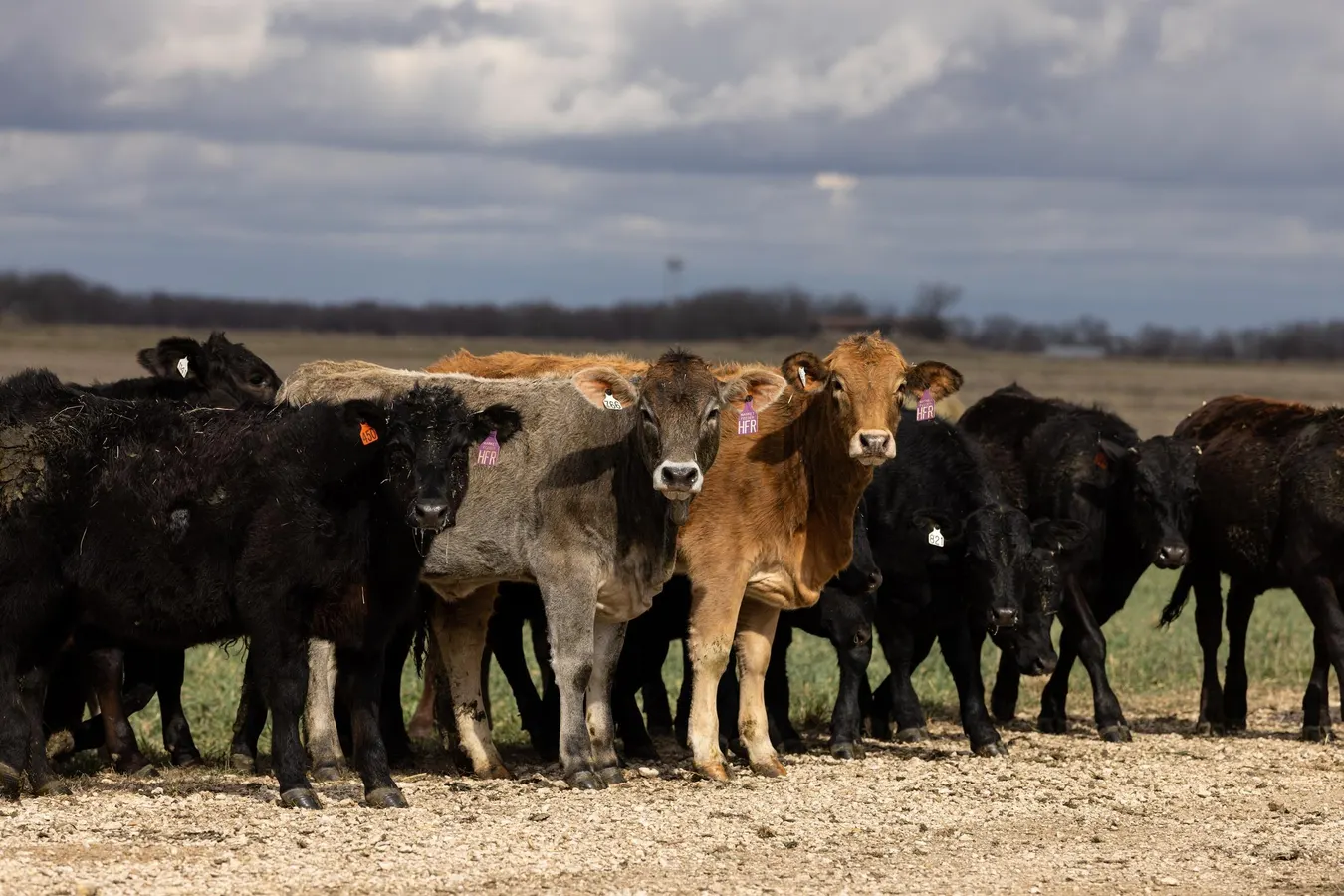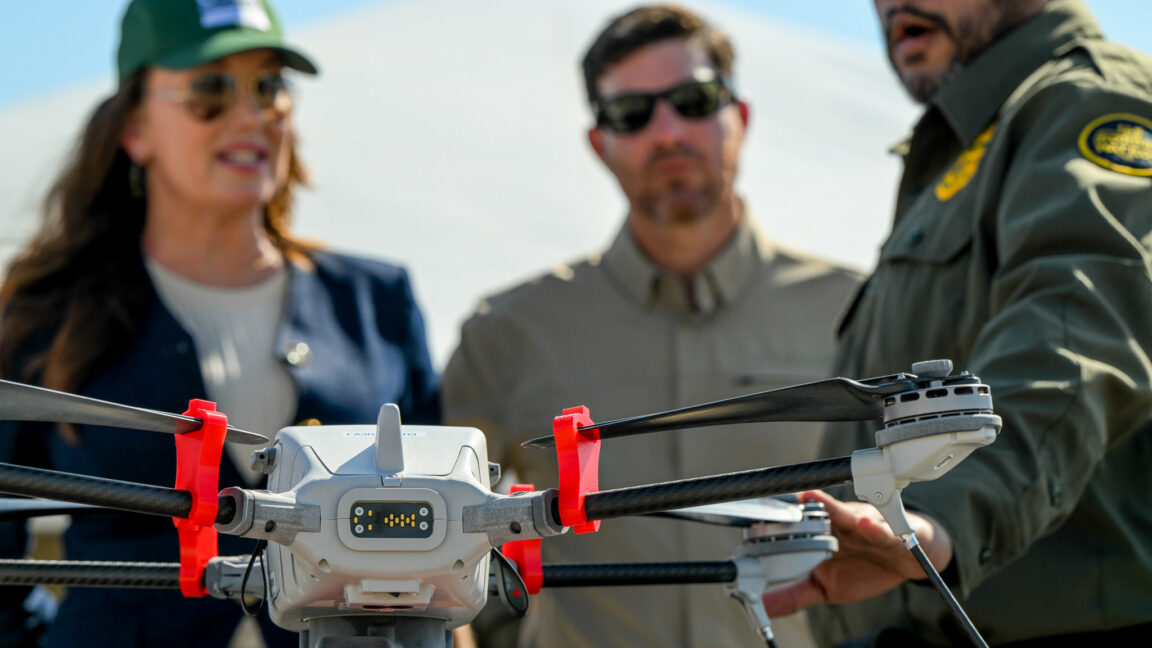
With the landowner’s permission, the drone teams arrived shortly after sunrise to survey both livestock and wildlife on the ranch. That is because the early morning work hours made it easier for the drone’s infrared sensors to detect warm-blooded animals against the relatively cooler ground.
The USDA is currently researching ways to use AI to “analyze drone imagery to detect wounds, identify animals and prioritize inspections,” according to the department.
Besides using drones for aerial surveillance, USDA has also relied on stationary cameras installed near trails to make more than 26,000 animal observations. It has also established and monitored more than 8,000 fly traps—although there have been no fly trap detections related to screwworm despite the recorded animal cases in the United States.
From detection to eradication
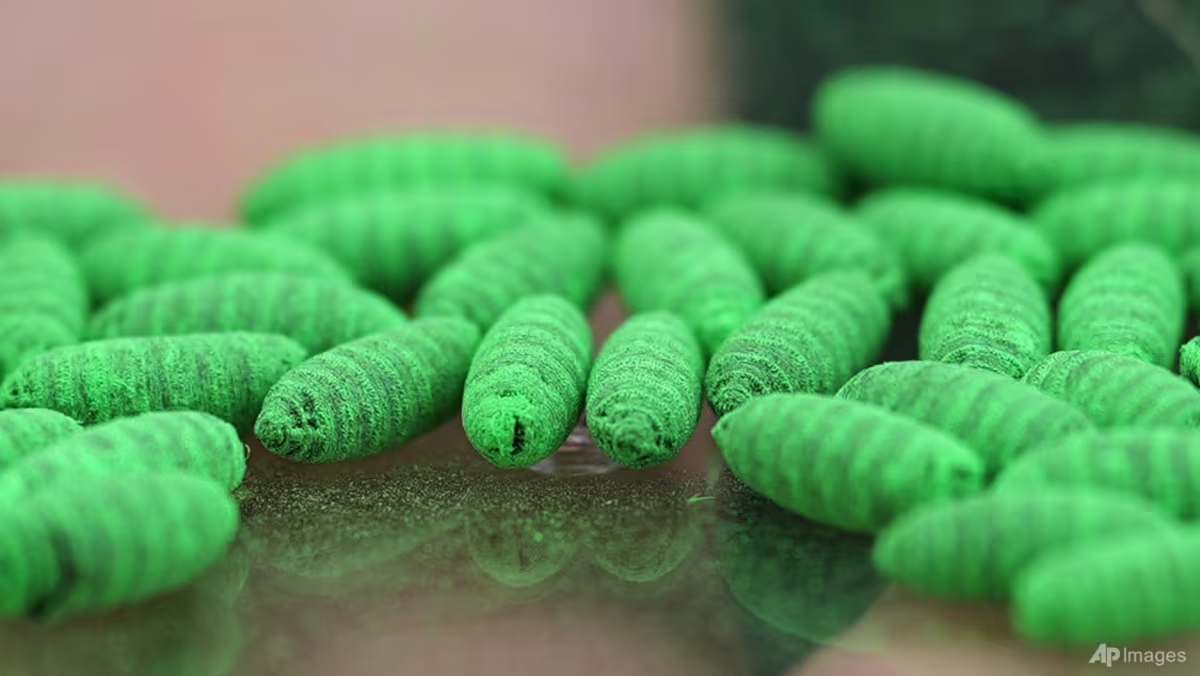
The drones represent “an important force multiplier” for surveying larger numbers of animals in potentially rough terrain but do not replace the “proven eradication method” of releasing sterile male flies to keep down the New World Screwworm fly population in the wild, according to the USDA article.