(Image credit: Getty Images)
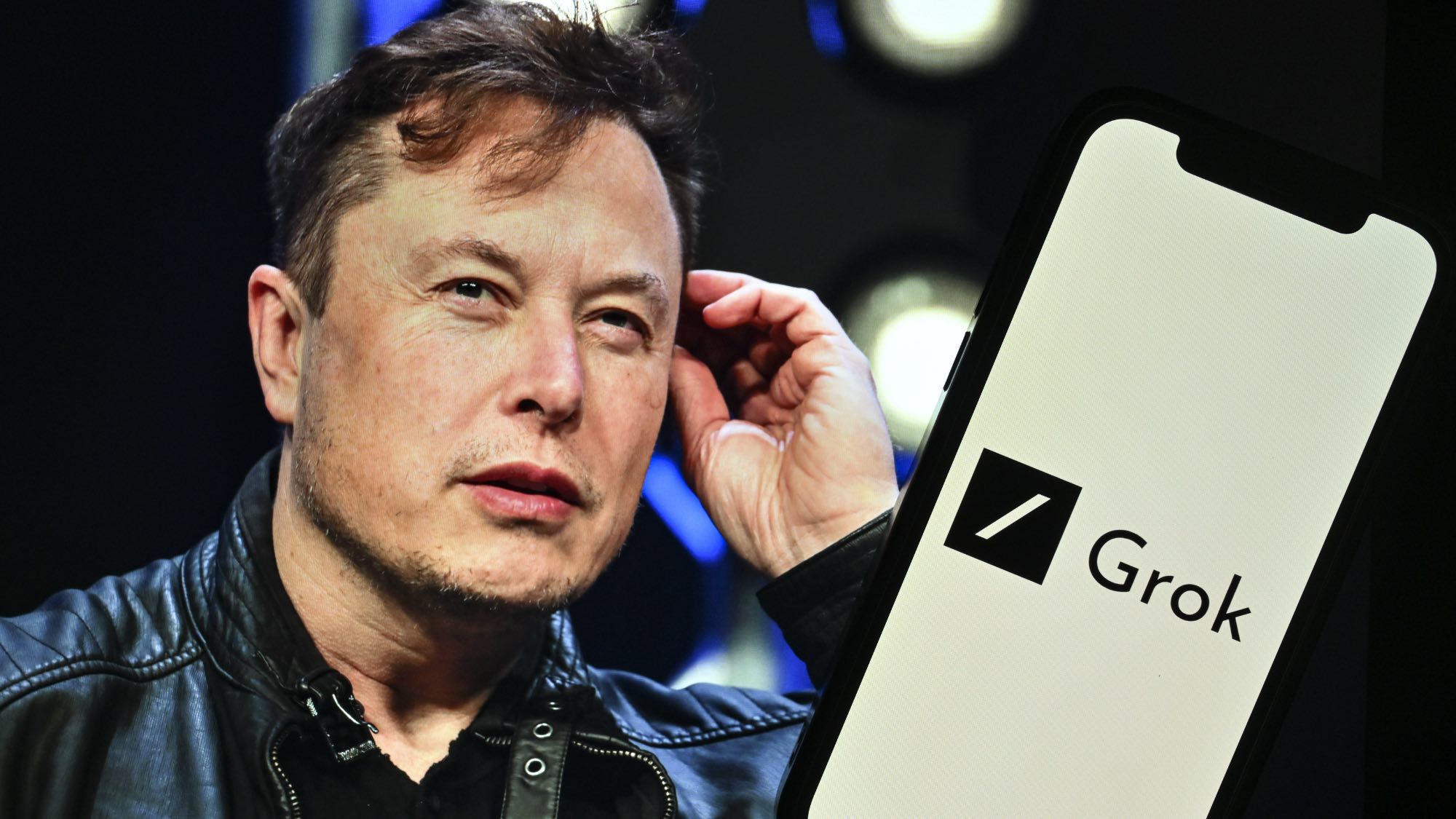
Elon Musk's Grok AI accounted for 87% of AI-generated files connected to deepfake attacks during the first half of 2026, according to a new report from Resemble AI.Researchers examined 1,760 news reports and identified 821 separate attacks involving at least 15,736 documented victims. Together, those incidents included approximately 3.46 million synthetic images, videos and audio files. Resemble AI’s dataset is based on publicly reported incidents, and its percentage applies only to files that researchers could count and attribute to a particular tool.Even with that caveat, the figure shows how quickly a widely available AI image generator can be turned into a tool for misuse and abuse.The findings arrive as Elon Musk places a large financial bet on Grok. Following SpaceX’s acquisition of xAI, Musk said during a company-wide meeting that SpaceX’s AI revenue would surpass revenue from all its other products as soon as September, according to Business Insider.SpaceX reported $2.56 billion in AI revenue during its most recent quarter, putting Grok and the infrastructure behind it at the center of the company’s future. That makes questions about how the tool is being used difficult to separate from its rapid commercial growth.One in six attacks involved explicit contentResemble AI found that 137 of the 821 attacks — roughly one in six — involved non-consensual sexual imagery of adults or children.Grok faced widespread criticism earlier this year after users began asking the chatbot to digitally undress people or place them in sexualized situations. Some of the images reportedly depicted minors, prompting investigations from regulators around the world.Get instant access to breaking news, the hottest reviews, great deals and helpful tips.The European Commission opened a formal investigation into X over sexualized images generated with Grok, while California Attorney General Rob Bonta launched an investigation into the creation and spread of non-consensual explicit material through the platform. Authorities in the UK, Australia and other countries have scrutinized the tool as well.Resemble AI estimates that companies permitting or distributing the documented images could face as much as $2.24 billion in potential civil liability under US law. That number is an estimate, rather than a record of penalties or lawsuits already filed.The verified direct financial losses identified by the researchers were much smaller, totaling $6.95 million. However, many of the incidents involved reputational damage, harassment or sexual exploitation rather than a straightforward financial scam.Deepfake attacks are becoming harder to count