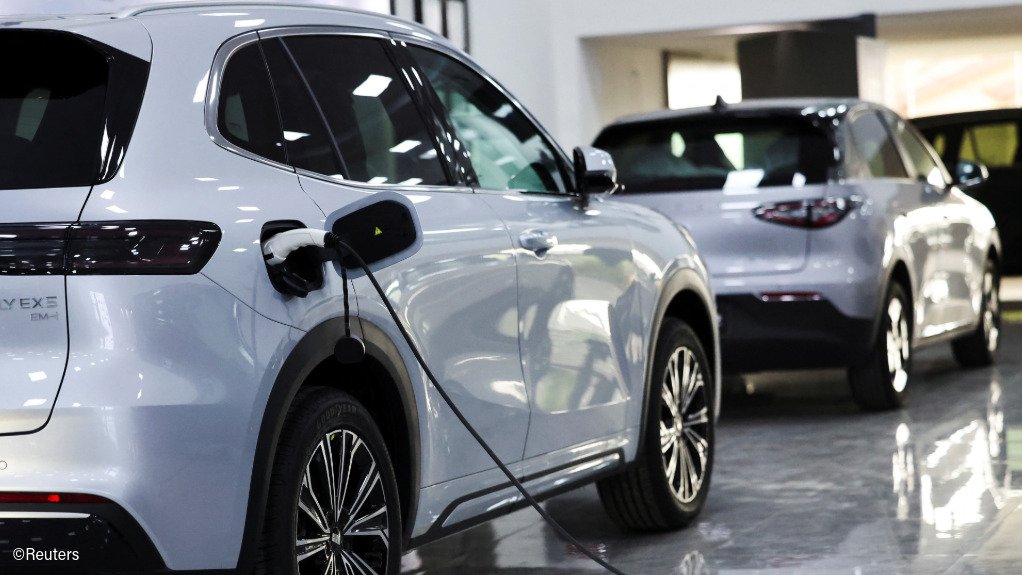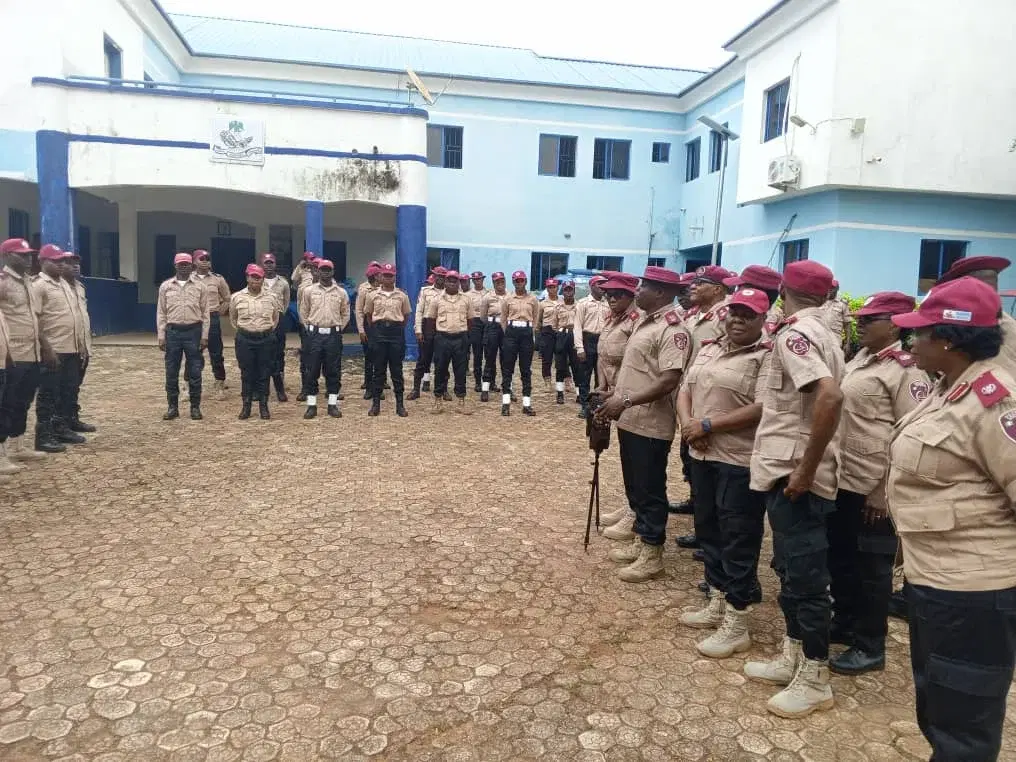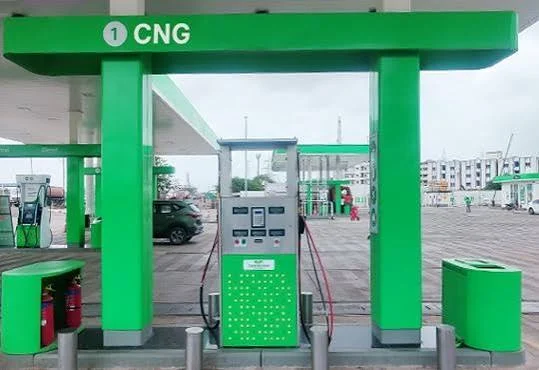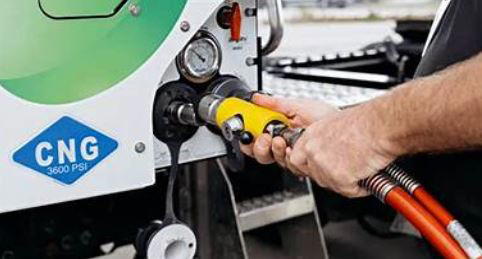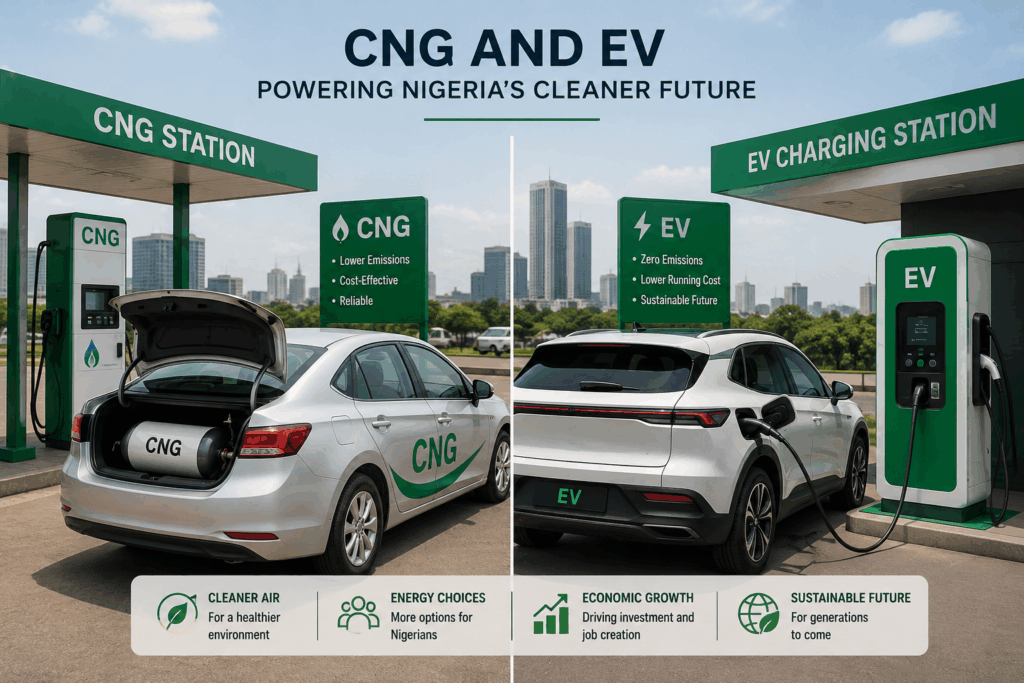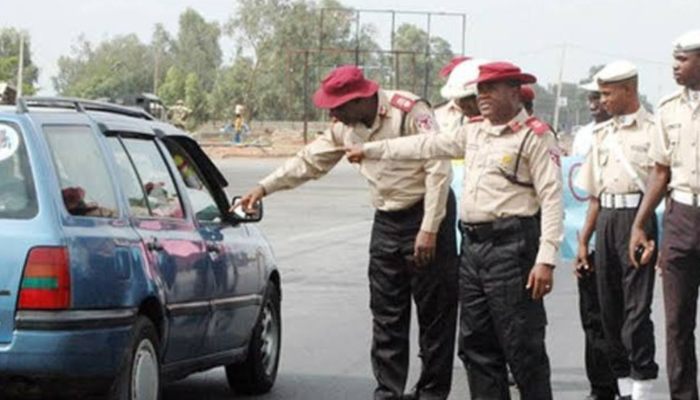
The Federal Road Safety Corps (FRSC) has called for stronger safety standards, regulation and emergency-response capacity as Nigeria accelerates the adoption of electric vehicles (EVs) and compressed natural gas (CNG)-powered vehicles.
The Corps said the transition towards cleaner and alternative-energy mobility should not be treated solely as an energy or environmental issue, but also as a critical road-safety concern requiring corresponding changes in regulation, training, vehicle inspection and emergency response.
Osondu Ohaeri, deputy corps commander and corps public education officer at the FRSC National Headquarters, Abuja, in a report said the position reflected the strategic direction of Shehu Mohammed, the Corps Marshal on technology, innovation and safer mobility.
According to Ohaeri, while EVs and CNG vehicles offer opportunities to reduce emissions and support more sustainable transportation, changes in vehicle propulsion do not automatically eliminate road crashes.
He explained that a vehicle powered by electricity, CNG or petrol still operates alongside pedestrians, motorcycles, trucks, cyclists and other road users and remains exposed to risks associated with speeding, poor road design, mechanical failure, driver distraction, fatigue and reckless driving.