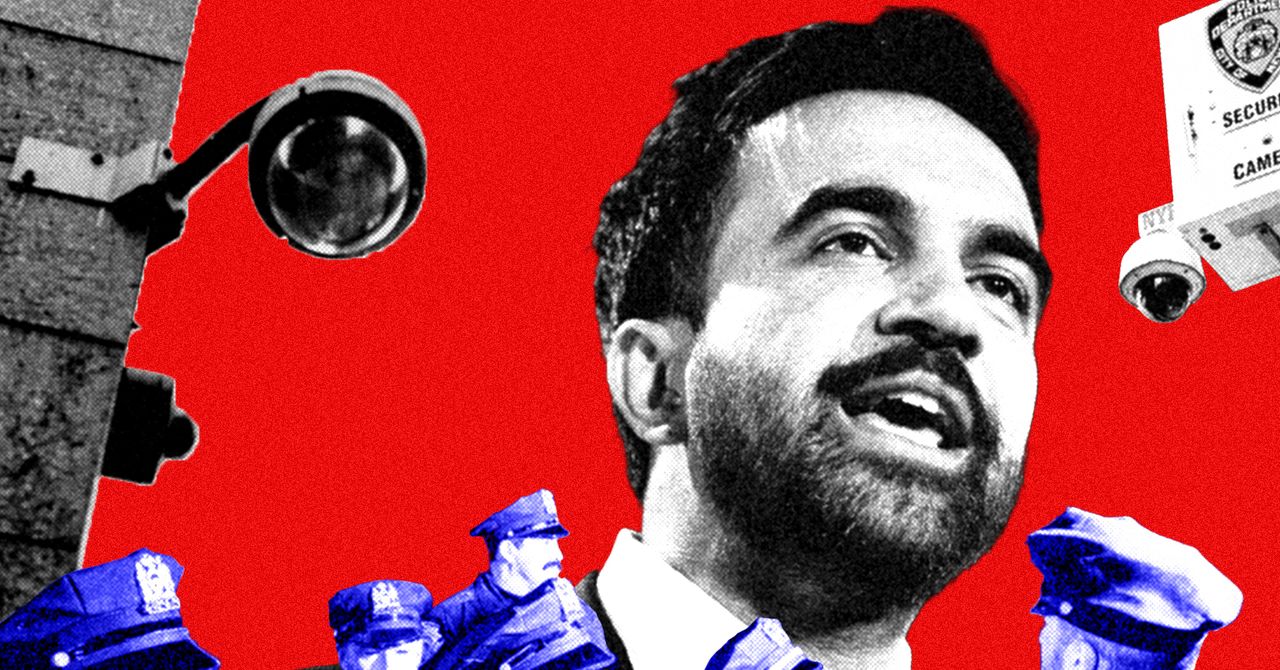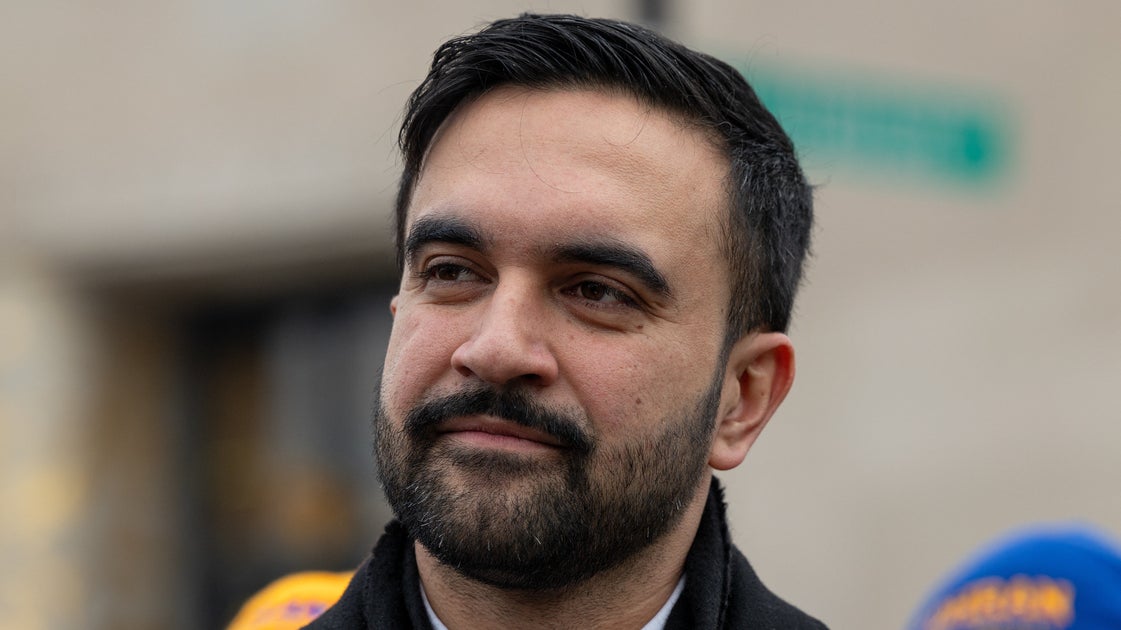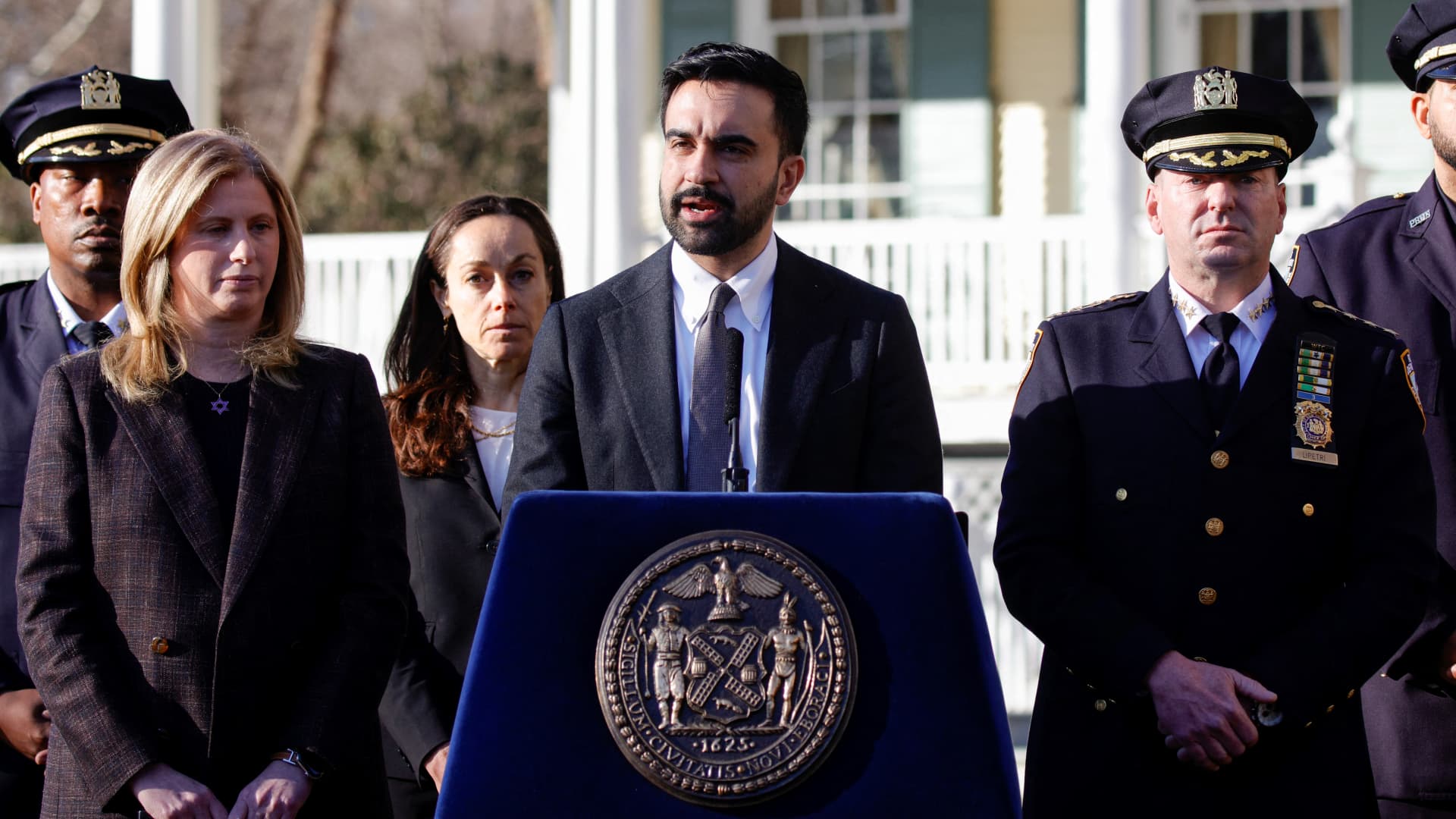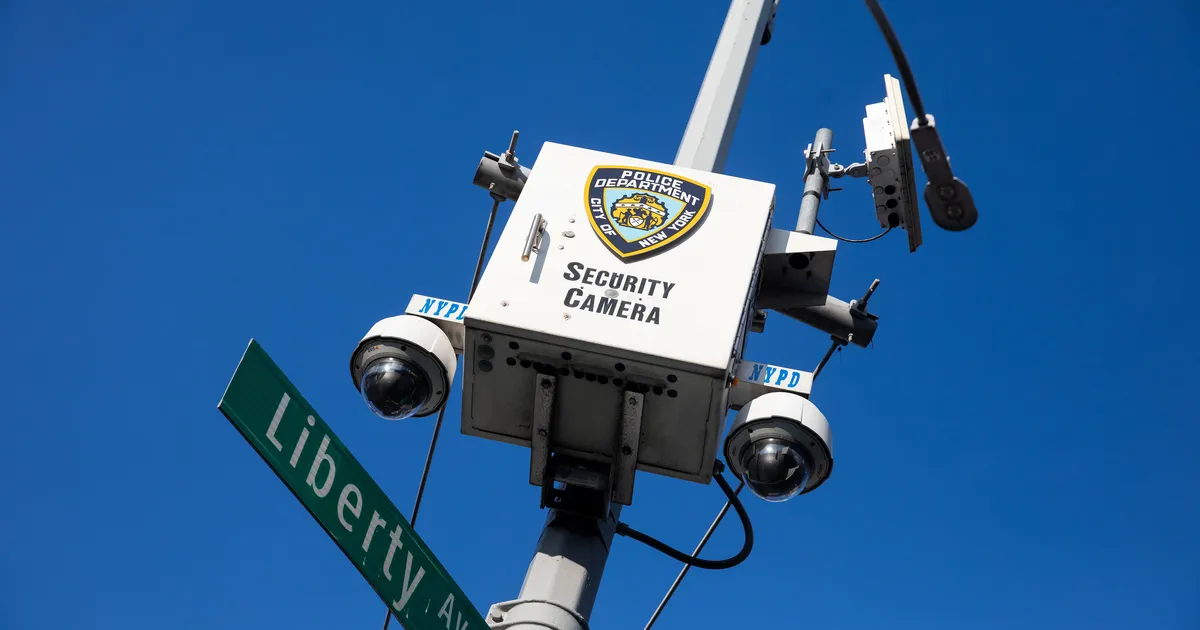
On January 6, Mayor Zohran Mamdani, Governor Kathy Hochul, and Police Commissioner Jessica Tisch all stood together at One Police Plaza celebrating the safest year in New York’s recorded history. Shootings and transit robberies had fallen to their lowest levels ever, while retail theft saw a double-digit decline. As of August, this is still the safest start to a year. One reason for the improvement, said Tisch, was the expansion of “precision policing” — the NYPD’s use of surveillance to drive officer deployment toward the specific places and people driving crime.
One central piece of Tisch’s precision-policing strategy is the NYPD’s Criminal Group Database or “gang database,” established in 2013 to track suspected gang members and affiliates in anticipation of retaliatory violence. In theory, the database, which contains 8,563 names as of last year, only aids ongoing investigations and doesn’t necessarily encourage or influence them. In a February 2026 impact and use policy report, the NYPD claimed that the database provided only an “investigative lead” and was not “grounds for a stop, arrest, or any enforcement action.” Names are added to the database in one of two ways — self-identification, meaning explicitly saying that you’re a gang member on social media or to a member of the NYPD, or the NYPD could simply, using its own criteria, decide you belong there.