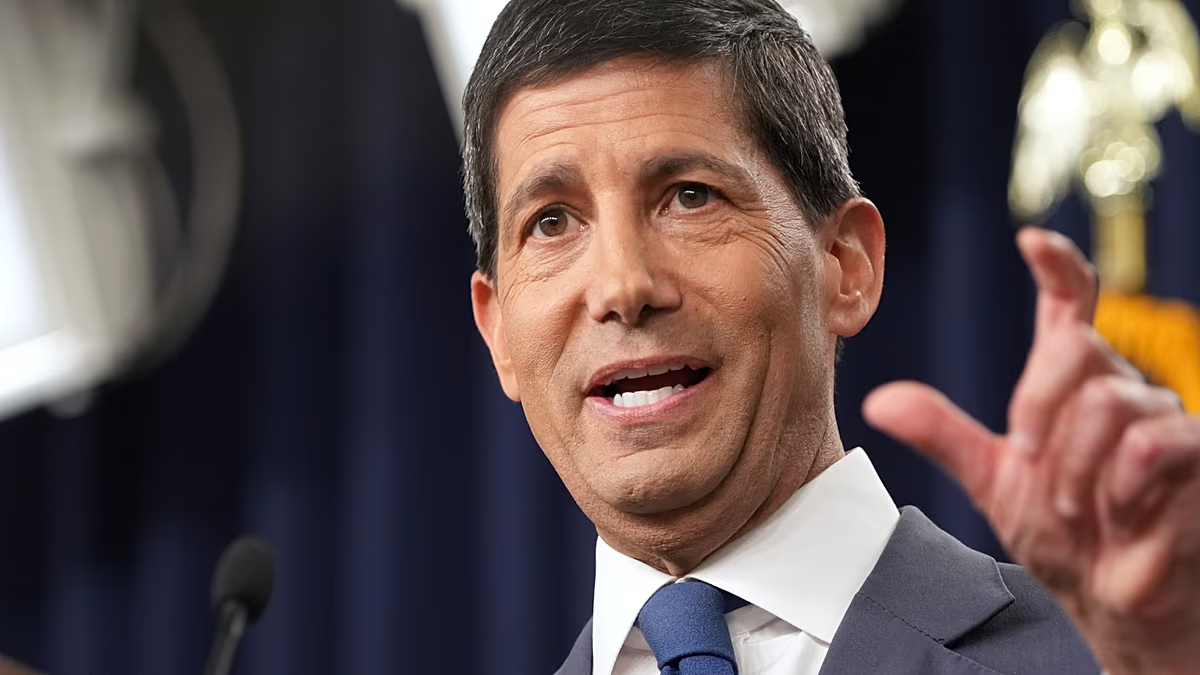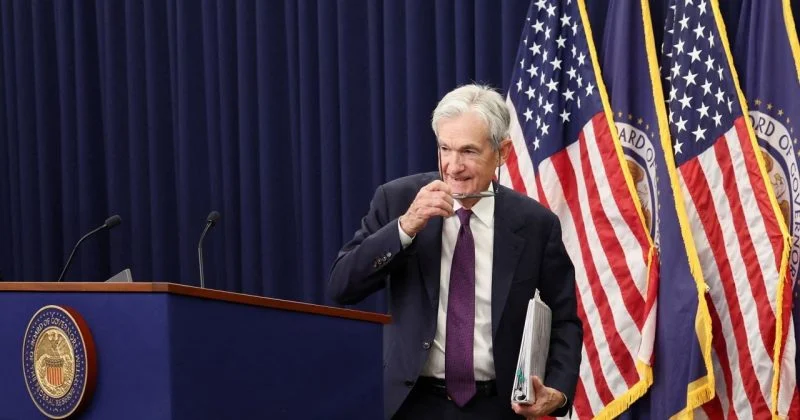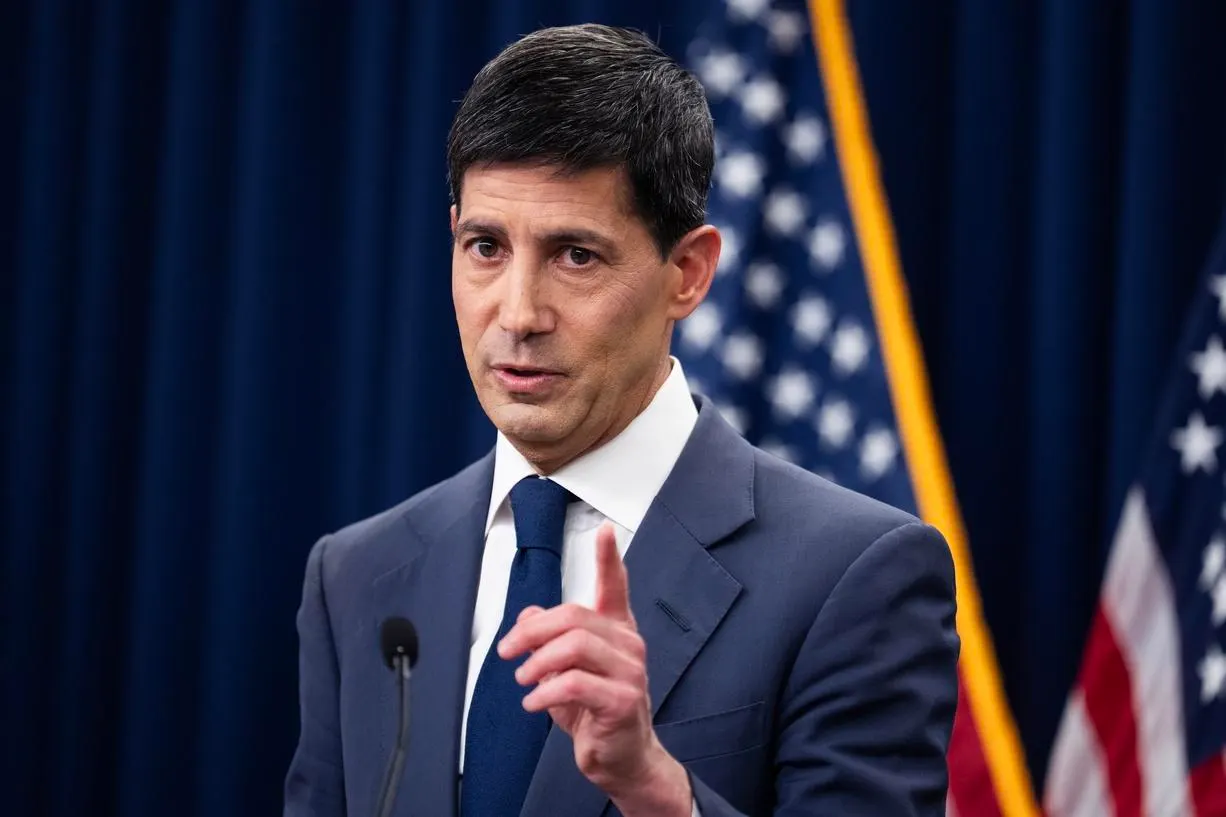
Federal Reserve Chairman Kevin Warsh (Tom Williams/CQ-Roll Call, Inc via Getty Images)CQ-Roll Call, Inc via Getty ImagesInflation was a touch cooler in the latest report, but the Fed still seems likely to begin tightening interest rates at its next meeting. The Consumer Price Index rose 3.4% over the past 12 months, with the core measure, which excludes food and energy, up 2.5%. This is not the measure that the Fed targets, but it’s close enough that we have a good idea of the trend.Although the policymaking group, the Federal Open Market Committee, voted to keep rates level at its last meeting, I think it was nearly baked in the cake that the Fed would tighten in September. Futures market as of August 12, 2026 sees the odds of a rate hike next month at 40%, with no change having a 60% probability. I continue to expect a quarter-point increase in the Federal Funds rate.Inflation Data’s VariabilityMost economists pay little attention to the month-to-month change in the Consumer Price Index—or most any other economics data series. Financial economists and market analysts do look closely at the numbers, because their time horizon is often days or weeks. Those who look out quarters or years ahead tend to find that the data move around too much to rely on a single month’s report. monthly change in Consumer Price Index excluding food and energyDr. Bill Conerly using data from the Bureau of Labor StatitsticsThe nearby chart shows the monthly change in the CPI since 2021. A brief look shows the big story: declining inflation from 2021 through 2024, but less change in the past year and a half. But we also see odd months. Some were abnormally low, especially when we look at the months immediately prior and after the low. Other months were abnormally high, relative to neighboring months. Looking at the data every month trains us to place very little weight on a single month’s value, particularly if that month is noticeably different from prior months.MORE FOR YOUNone of our economic data are perfect. Not every sale of goods and services to consumers is tracked. Instead, the Bureau of Labor Statistics collects data from a sample of stores and other providers. And even then they don’t look at every item for sale. The BLS offers this: “For example, in a given supermarket, the Bureau may choose a plastic bag of golden delicious apples, U.S. extra fancy grade, weighing 4.4 pounds, to represent the apples category.” This approach is reasonable for an agency with limited resources, even though I usually buy Cosmic Crisp apples, four or five at a time.From month to month, the outlets being surveyed change, as do the specific products that they include. In the aggregate, BLS does a good job of capturing the big picture of inflation. However, their methods cannot really tell us whether inflation is accelerating or decelerating in a given month. Still, that monthly data will eventually help us see the entirety of the price level.Inflation Interpretation For Monetary PolicyInterpreting the inflation data is even harder for monetary policymakers. Inflation is the rate of change of the price level. The Fed is concerned about the underlying inflationary pressures, not every idiosyncratic change in the price level. A significant factor for the last year and a half has been tariffs, which cause some consumer prices to increase. When a tariff is imposed, the price level for that product jumps up sharply. If the tariff is left unchanged, the price level does not change further. But the inflation data reported as the 12-month percent change will show an increase from the pre-tariff level over that entire 12-month period. Then there will be no additional inflation due to the tariff. The Fed knows this and does not believe that tighter monetary policy makes sense when inflation is caused by tariffs.Similarly, the Fed does not respond, typically, to changes in food and energy prices. It’s not that food and energy are unimportant; rather, those products tend to jump around a great deal, frequently reversing their large movements. This is especially relevant given how the war with Iran has pushed oil prices around, leading to large swings in gasoline prices.Fed economists try to parse just how much inflation in this month’s reports comes from underlying pressure--which they can fight--and how much from the transitory factors that the Fed cannot influence. It's a decidedly imperfect science, so the Fed proceeds with humility—perhaps the most humble of any federal agency.The August 2026 CPI report will be released a few days before the Fed’s September meeting, so they don’t have to make a decision based on the July release.The Fed Will Raise Interest Rates In SeptemberI believe that the Fed will raise interest rates at the September meeting of the FOMC. That rate hike, most likely one-quarter of a percent, will be based on long-standing inflationary pressure. But as Cleveland Federal Reserve Bank president Beth Hammack said recently, a quarter point does not do much. She declined to say how many interest rate hikes would be needed to slow inflation, but I believe that number is certainly more than one.The course of the Iran War will play a role in the Fed’s thinking. The war impacts oil prices, which could have a negative effect on the general economy, as well as an upward impact on non-energy goods that move to stores in trucks. The AI data center surge and AI-driven productivity will also enter the Fed’s estimates of what they need to do.The Fed is, as Chair Warsh recently emphasized, committed to its two-percent inflation target. With the economy showing moderate growth but excessive inflation, the Fed will tighten policy. But this week’s inflation report is not the trigger. Years of excessive inflation will drive the decision.
Why The Fed Will Raise Rates In September Despite Cooler CPI
Core inflation held at 2.5%, and that underlying pressure, not tariffs or oil prices, is why the Fed hikes interest rates in September
963 words~4 min read