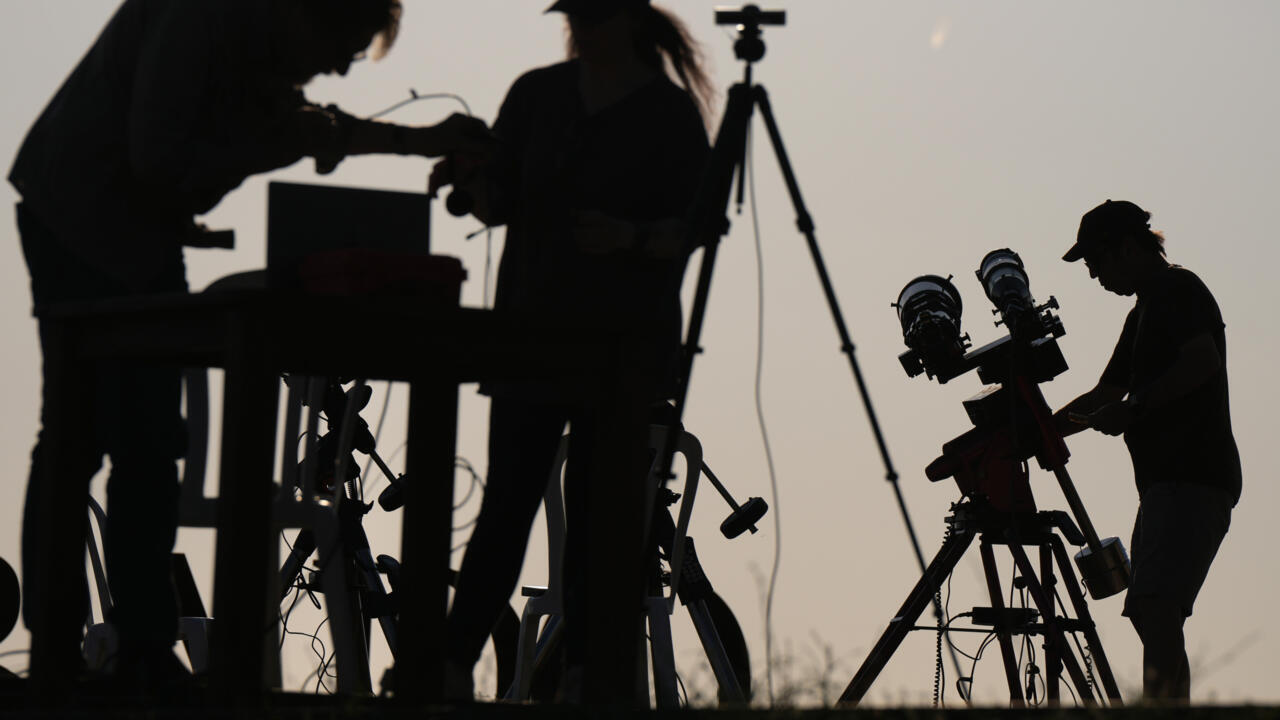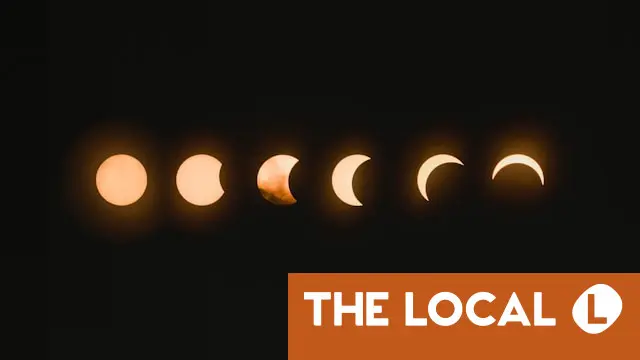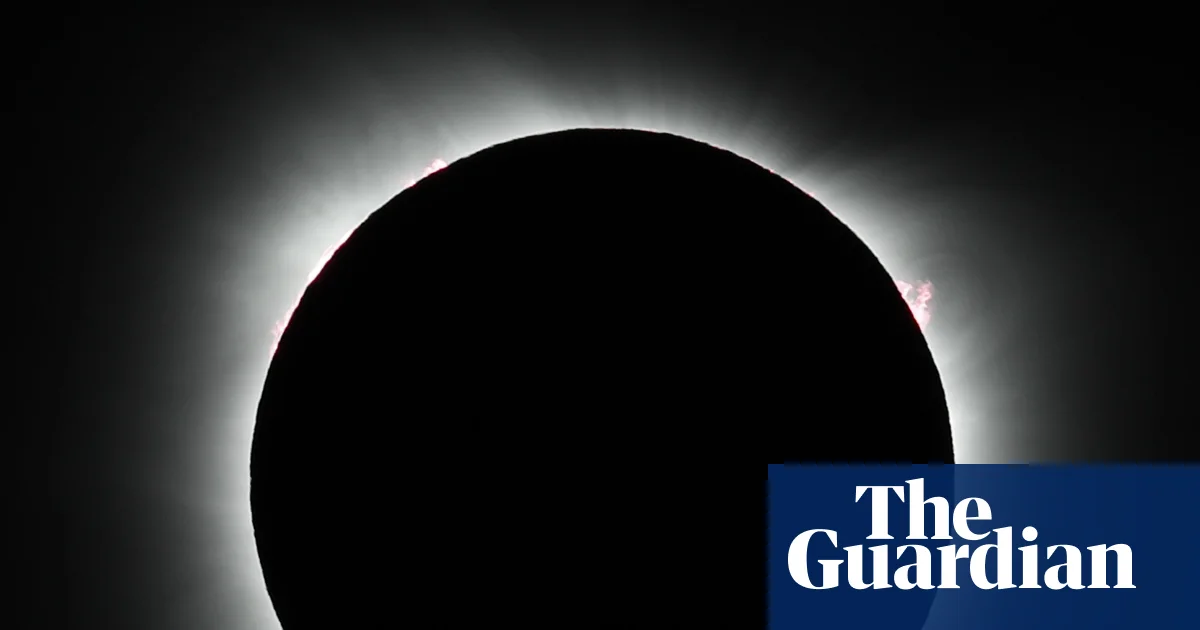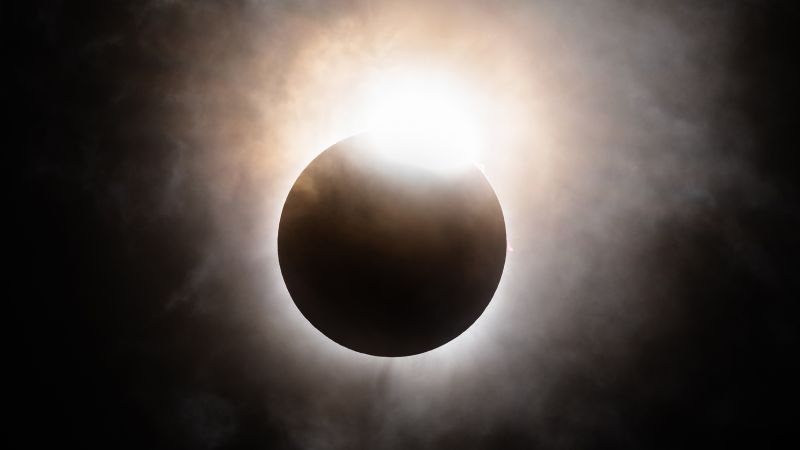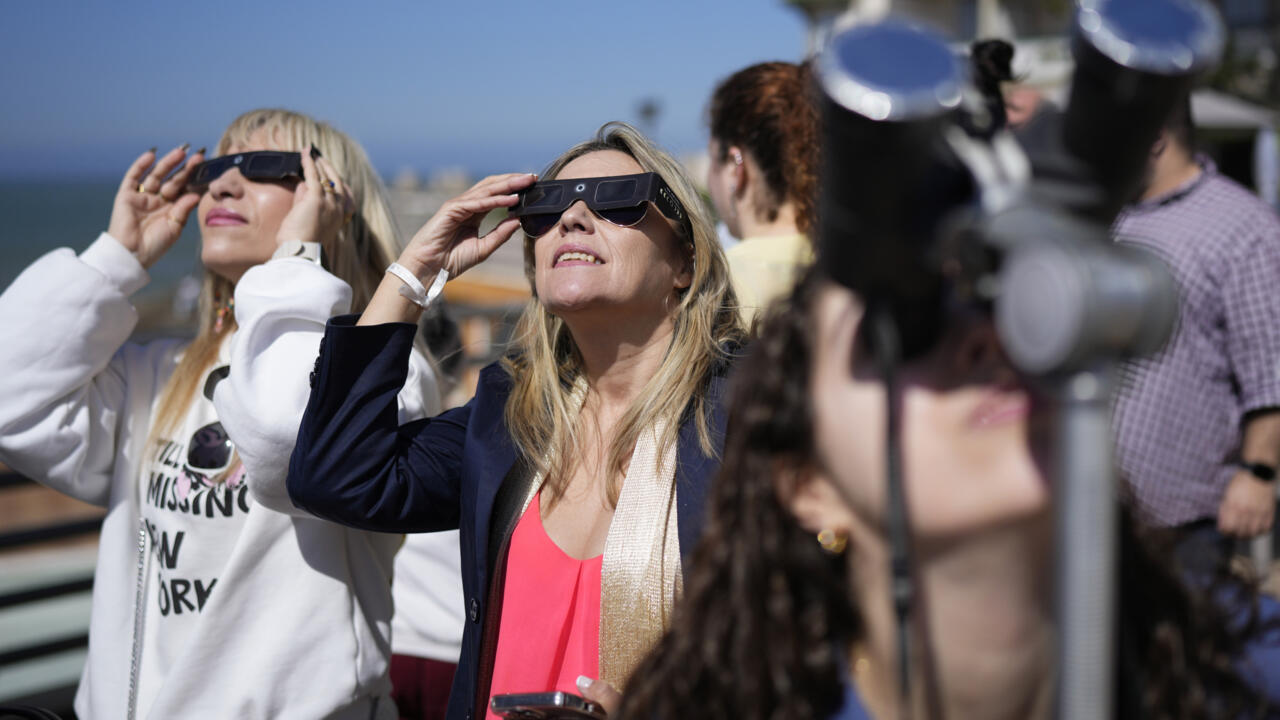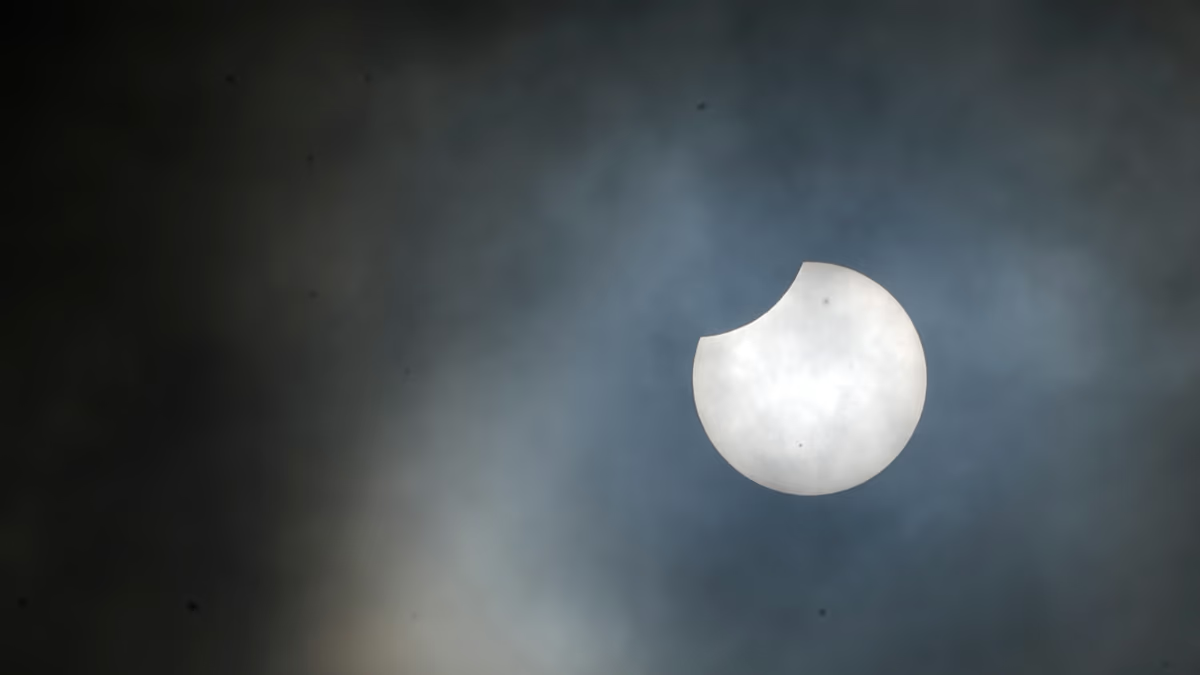
Millions of people are turning their gaze skywards in the hope of witnessing one of nature's greatest spectacles, a rare total solar eclipse, as it sweeps over mainland Europe to briefly turn day into night.
The Moon is first expected to blot out the Sun, leaving only the shimmering glow of its outer corona, in Russia's remote Arctic north, before parts of Greenland and Iceland are enveloped in the arc of its eerie shadow.
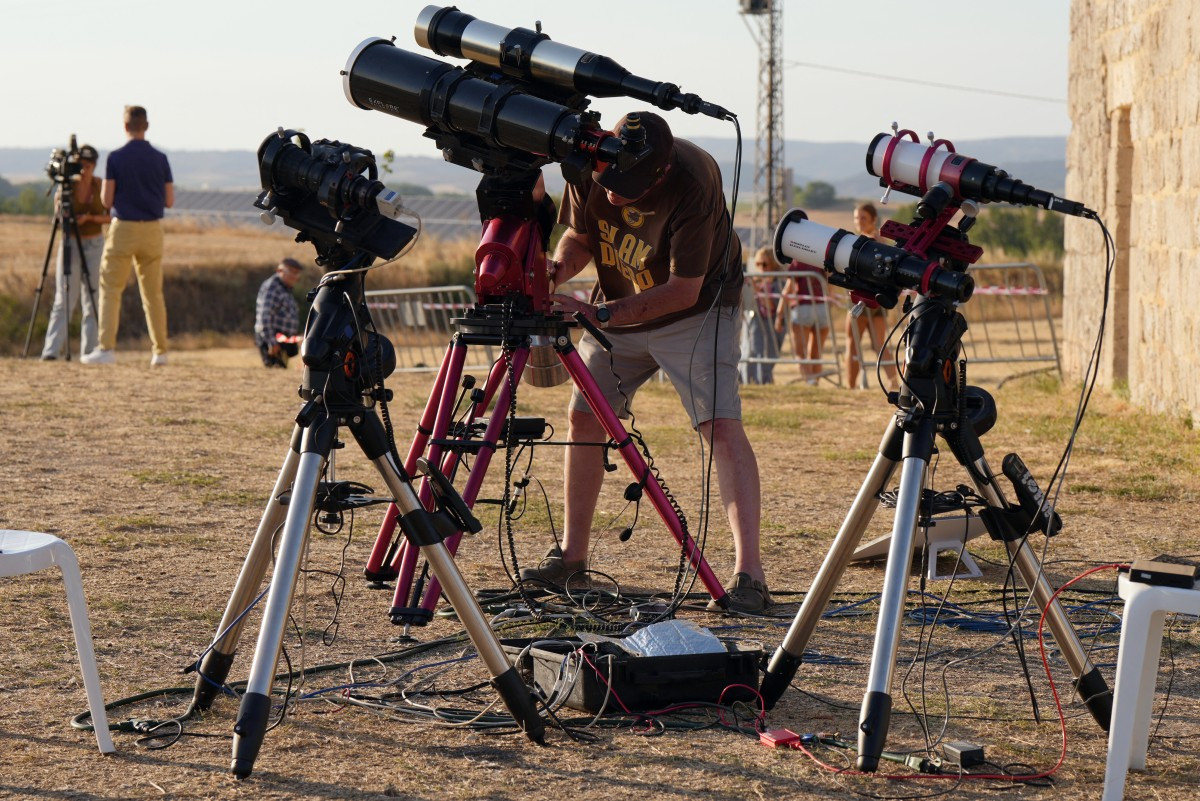
Excitement is highest in Spain, where tourists thronged the streets of normally quiet villages to experience the dramatic natural phenomenon as the eclipse's narrow path cuts across the Iberian Peninsula from the northern Atlantic coast to the Mediterranean Sea in the south.
Mainland Europe has not experienced a total solar eclipse for 20 years while Spain has not witnessed one in more than a century.
Iceland's capital, Reykjavik, however, has not seen a total solar eclipse since 1433.