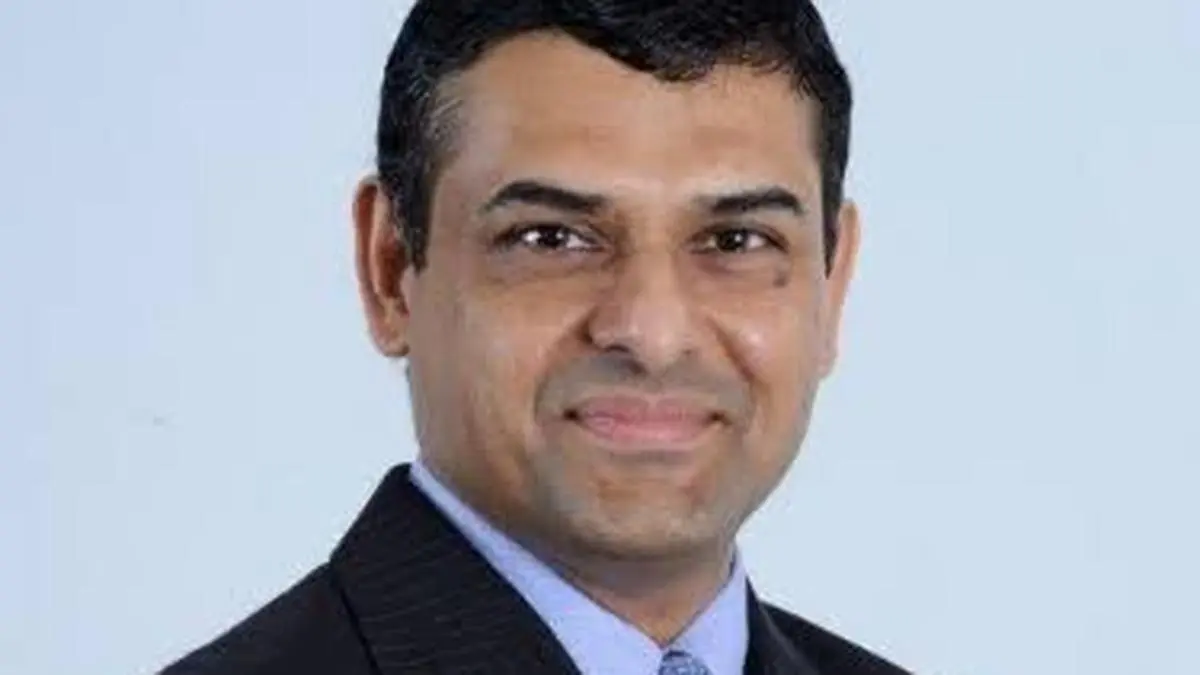
Mukund Rajan, former senior executive, Tata Sons
Noel Tata, Chairman of Tata Trusts, should not be ruled out from playing a larger role in the Tata Group merely on the grounds of experience, former Tata Sons senior executive Mukund Rajan said on Wednesday. The comment follows N Chandrasekaran’s announcement that he would not be seeking another term as Tata Sons Chairman after his tenure ends in February 2027.Rajan said questions over Noel Tata’s experience echoed those raised when JRD Tata was considering Ratan Tata as his successor, arguing that the latter went on to demonstrate his leadership despite having never previously run a business remotely comparable with the scale and complexity of the Tata Group.Noel Tata currently holds leadership positions across several major Tata companies, including as the Chairman of Trent, Voltas, and Tata Investment Corporation, and Vice Chairman of Tata Steel and Titan Company. As Chairman of the principal Tata Trusts, he also represents the trusts that collectively control about 66 per cent of Tata Sons.Need clarityThat said, Rajan called for a swift clarity on the succession, a stronger governance, and management continuity to restore confidence across a conglomerate whose businesses, employees, and shareholders span India and global markets.“When Ratan Tata was being considered for the chairmanship, there were many similar voices about his experience,” Rajan told businessline in an exclusive interview.He cited Ratan Tata’s stewardship of NELCO, then a relatively small and struggling Tata company, saying he had not previously run an enterprise remotely comparable with the Tata Group before succeeding JRD Tata. Yet Ratan Tata went on to “demonstrate tremendous vision and leadership qualities”, Rajan said, despite setbacks including acquisitions and investments that did not work as planned and the Tata Nano.The lesson, he argued, was that experience alone should not become the overriding test for Noel Tata.“He is a fairly experienced business leader in his own right,” Rajan said. “The question is, how will the board work with him and support him as a large shareholder and representative of the largest shareholding to ensure the right outcomes?”Controlling shareholderNoel Tata chairs the Sir Ratan Tata Trust and Sir Dorabji Tata Trust, the two principal Tata Trusts that holds the controlling stake in the holding company. “I don’t think you could say or have a proposition that large shareholders should not have a deciding voice in any board,” Rajan said. “If somebody has 66 per cent of the shareholding, they can call the shots.”Rajan cautioned against reducing the situation to a personality clash between ownership and professional management. Shareholders have a legitimate right to question strategy, investments, risks, and performance, while the boards must approve strategy and demand course correction when results fall short, he said.Clarity on successionChandrasekaran’s decision puts the focus on how the group manages the transition.Rajan laid out a detailed action plan: quickly identify a successor with the necessary “credibility” and “credentials”; decide whether the next Tata Sons chairman should be executive or non-executive; appoint a strong CEO or managing director to hold the operational reins; remain open to talent from outside the Tata system; review the Tata Sons board and bring in “new and different voices” where required; and preserve management continuity across key group companies.The structure, he argued, should allow the controlling shareholder to exercise legitimate oversight while giving professional management clearly defined operational authority.Management continuity is particularly important given the group’s large investments across businesses, its “many, many lakhs” of employees in India and overseas, and millions of shareholders. Rajan cautioned against changes cascading through group companies during the transition and adding to uncertainty.While expressing surprise at Chandrasekaran’s announcement that came without a simultaneous indication of what happens next, Rajan described it as an “unnecessary creation of uncertainty”.“Clarity in the short term is very important,” he added. His roadmap, therefore, goes beyond naming the next chairman: settle the leadership structure, establish who runs operations, strengthen the board, preserve management continuity, and clearly define how the controlling shareholder and professional management will work together.Published on August 12, 2026