The U.S. faces a genuine public health challenge. Rates of chronic disease such as diabetes and hypertension, obesity, substance use, mental health conditions, and health inequities remain stubbornly high despite decades of medical interventions. In that context, the Make America Healthy Again (MAHA) movement reflects an appropriate public frustration with the status quo. Many Americans are asking why a nation that spends more on healthcare than any other country continues to produce outcomes that often lag behind its peers.
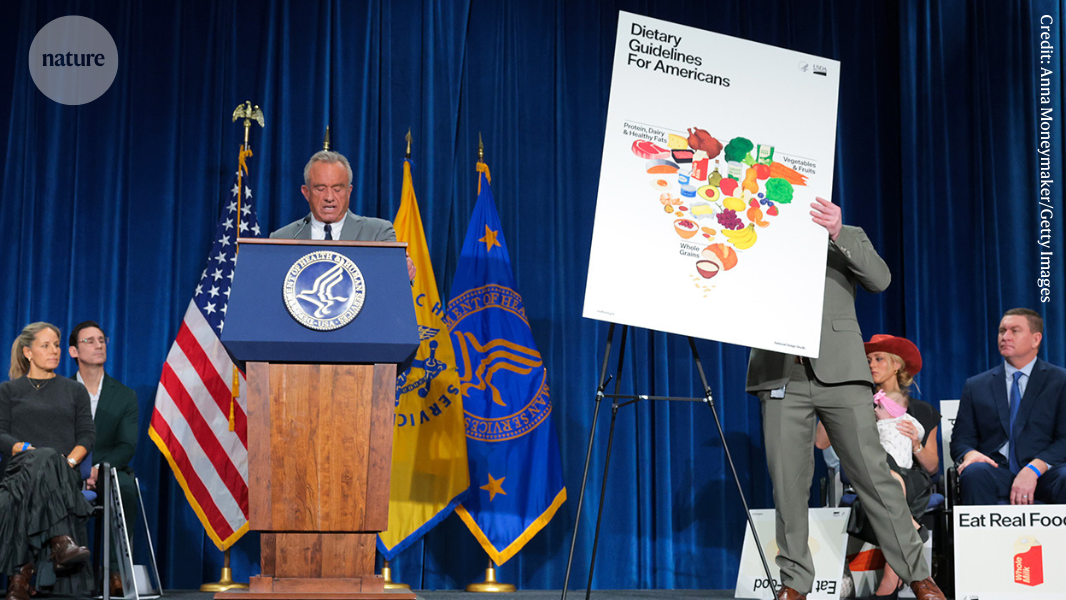
The MAHA movement gained traction by focusing attention on issues that deserve serious consideration, including poor nutrition, ultraprocessed foods, environmental exposures, sedentary lifestyles, and the growing burden of chronic disease among children. The White House's MAHA report identifies these concerns as major contributors to worsening health outcomes and calls for renewed attention to prevention and wellness.
But public health is not just a brand, a slogan, or a personality-driven campaign. It is a commitment to creating the conditions that allow all people to achieve health. That requires a healthcare system designed around patients and communities, with universal and affordable access to preventive services, primary care, mental health care, medications, and vaccines. Good nutrition, physical activity, and social connectedness must also be part of a focus on whole-person health.