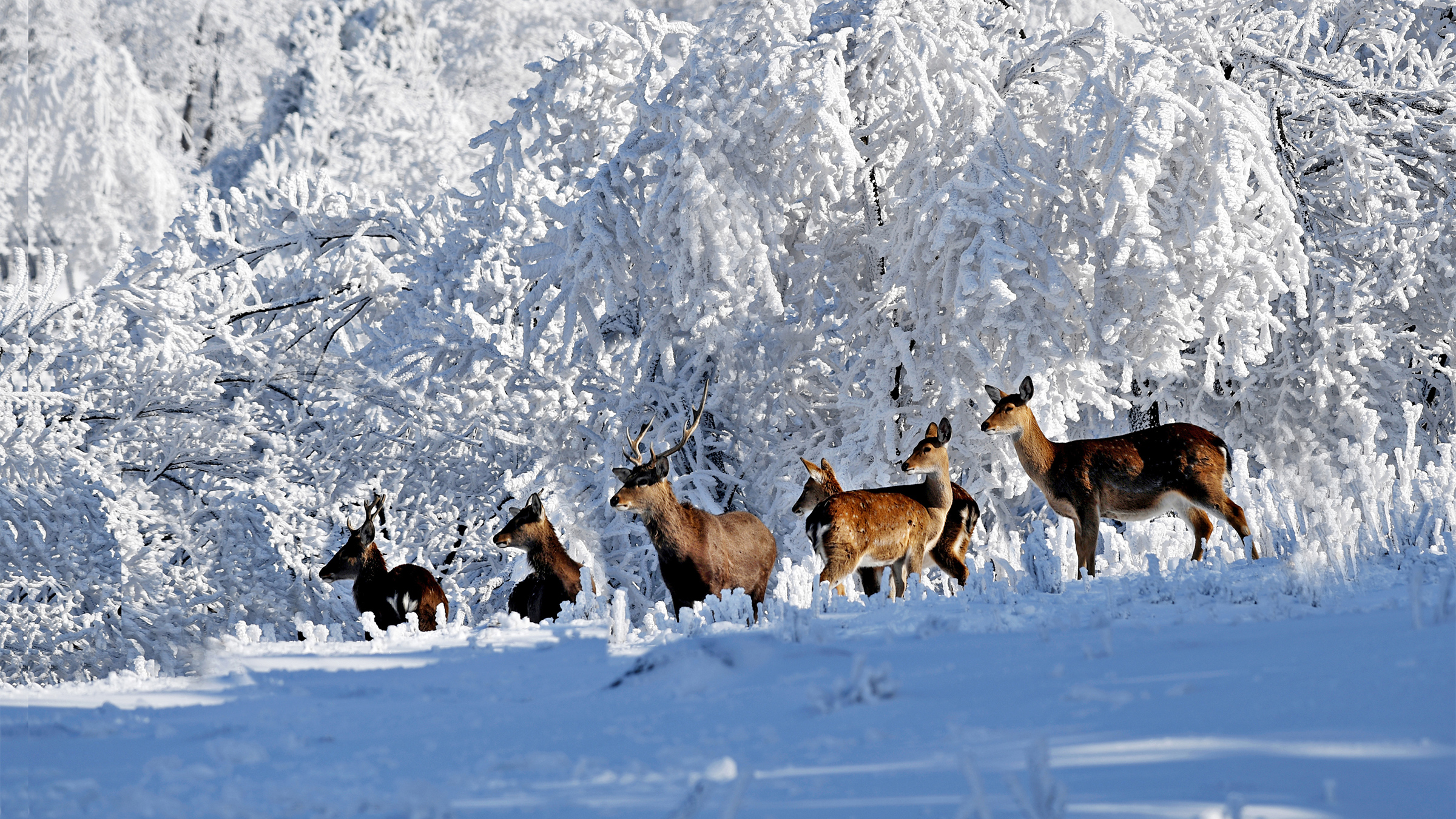
For more than a millennium, Buddhist, Daoist and Confucian traditions in China have shaped conservation practices at Tianmu mountain, with beliefs in the sacred connection between humans and nature influencing how communities protect its forests, wildlife and ecosystems.Today, state regulations provide the legal framework for the protection of the expanded Tianmushan–Qingliangfeng UNESCO Biosphere Reserve and establish a management plan developed with local communities to tackle challenges the rich ecosystem faces and negotiate sustainable development following past land conflicts. Authorities and a study show efforts have increased plant productivity.Authorities say religious values continue to influence conservation efforts, as monks, residents and officials work on education, ecotourism and monitoring programs to preserve the mountain’s biodiversity.Despite progress, the reserve faces ongoing challenges including climate change and tree disease.
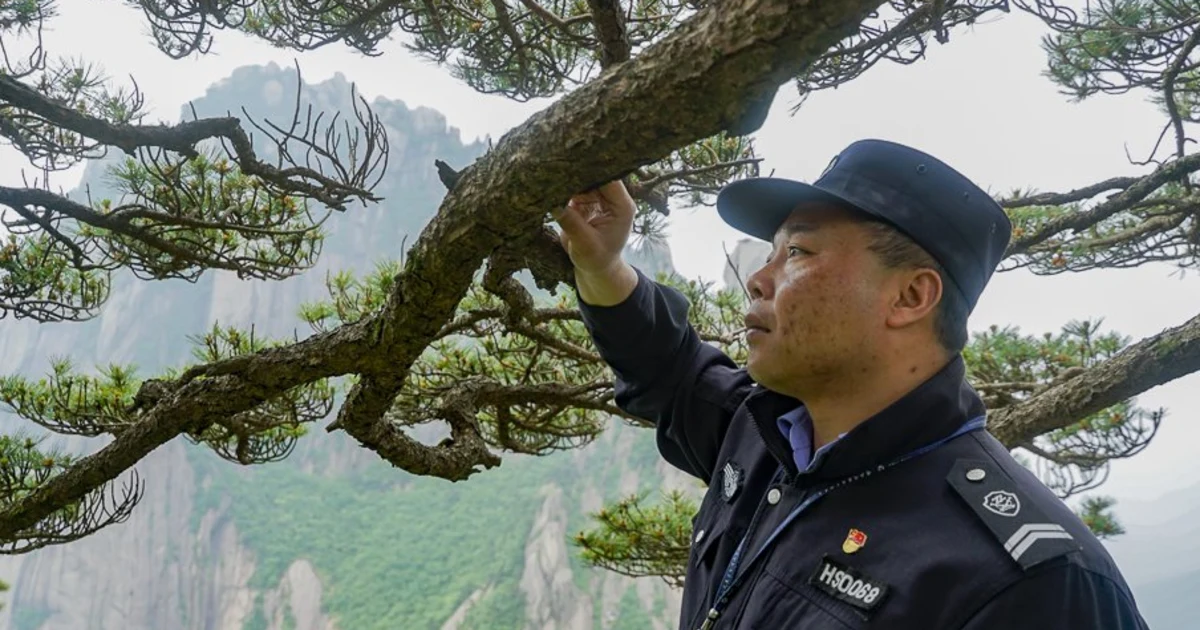
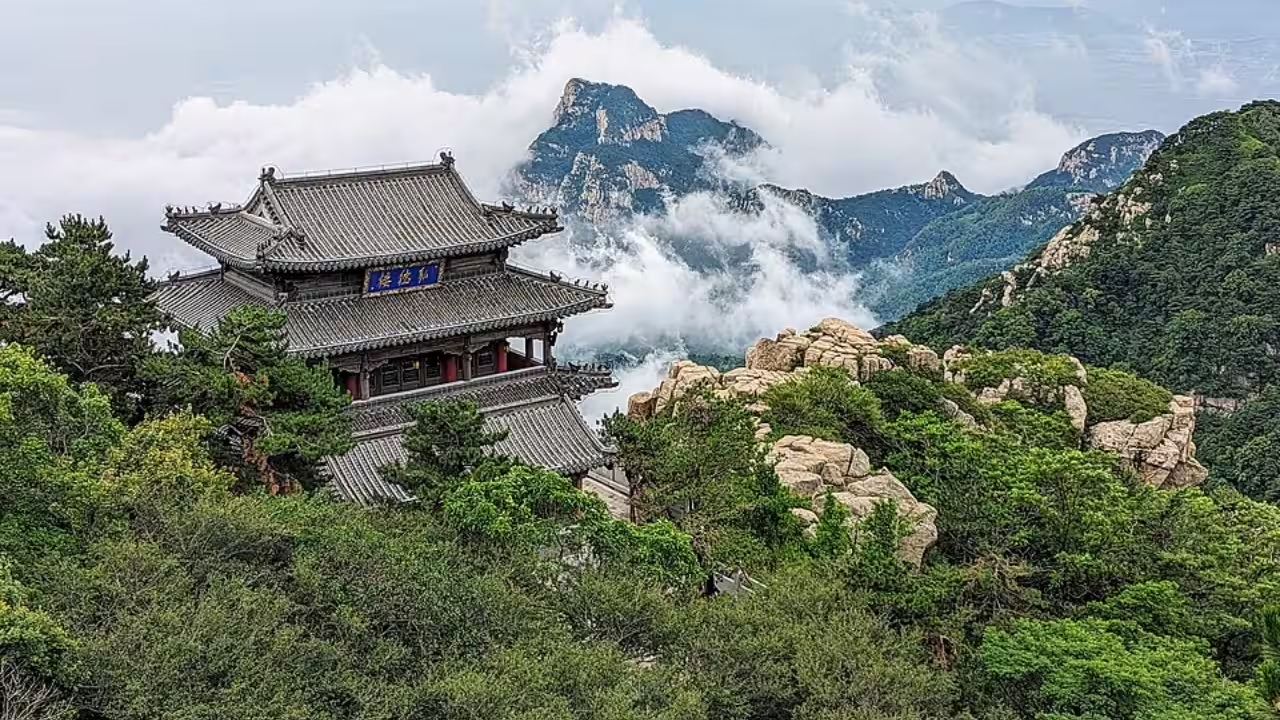
HANGZHOU, China — On a misty morning in Zhejiang province, the peaks of Tianmu Mountain rise like sentinels above the forest canopy, their slopes wrapped in shifting veils of cloud. For centuries, monks and many villagers revered every tree and stream as sacred, a belief that researchers say has guided protection long before the word “conservation” entered common use.