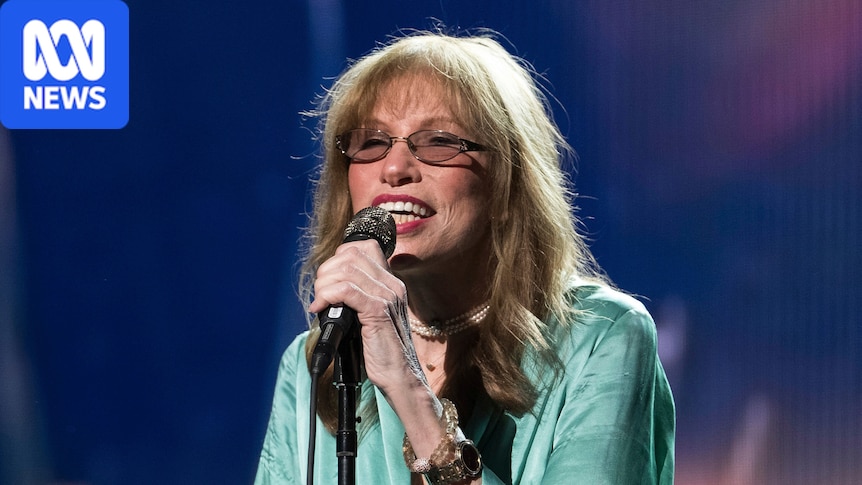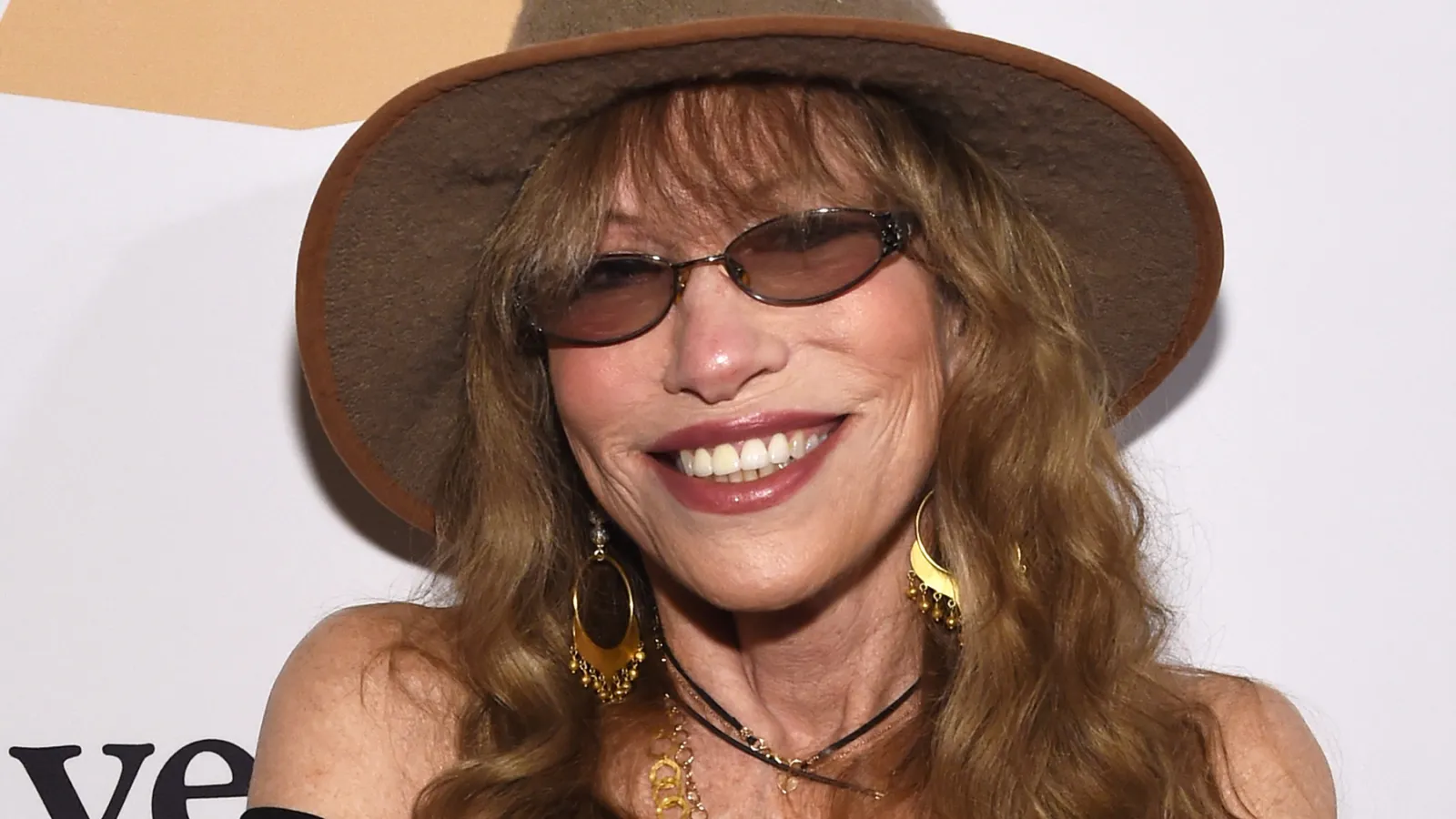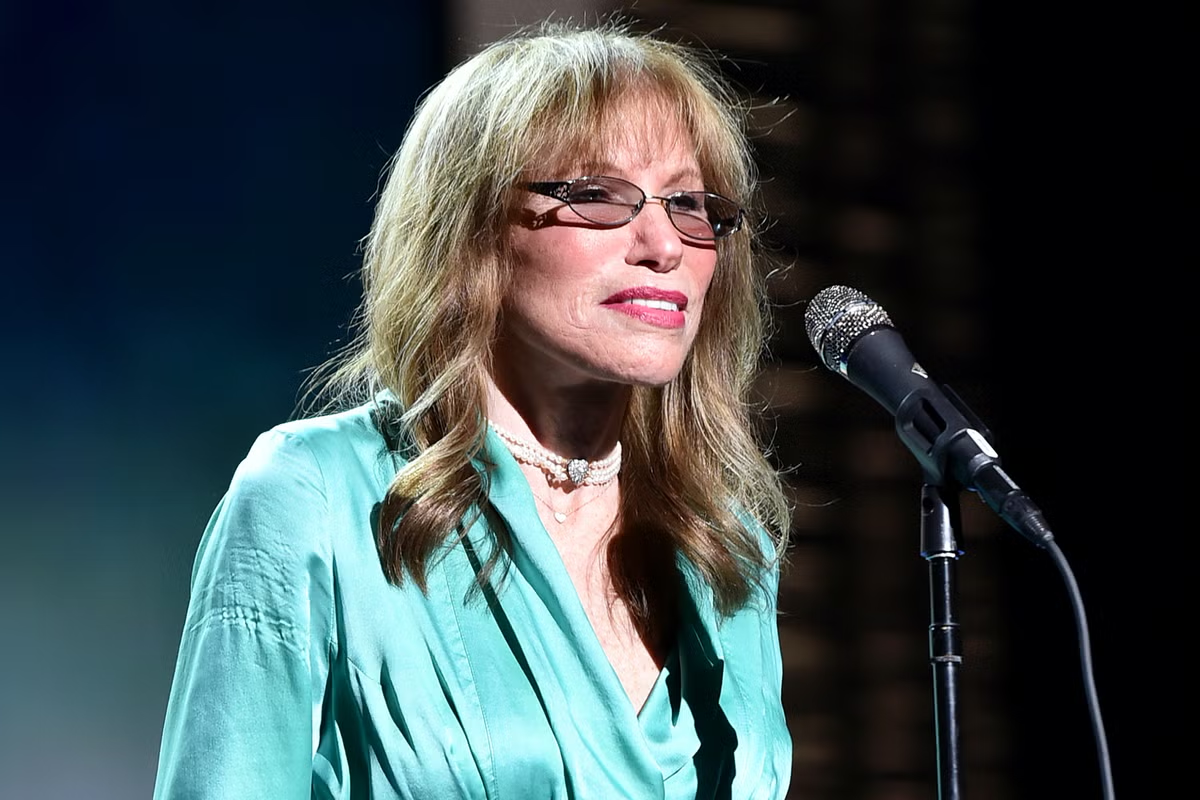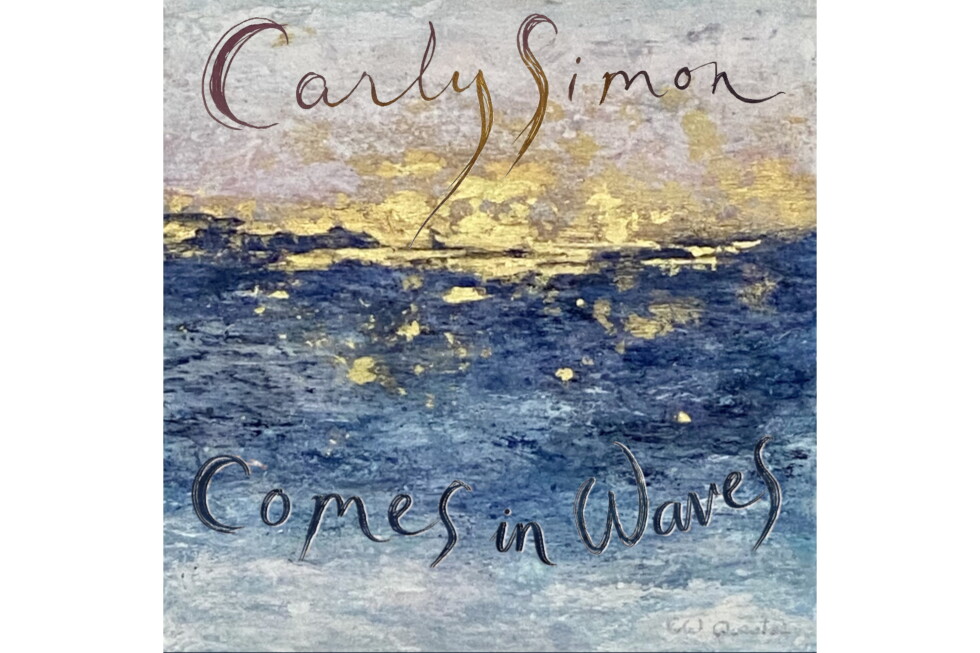
On her first album with original songs in nearly 20 years, Carly Simon is still working on some old demons and still determined to outlast them.“Maybe I never loved you / But anyway, I thought I did / I married you, we had a kid,” she sings in a ballad you could imagine Simon addressing to her ex-husband, James Taylor. “And maybe you never loved me / Although God knows you said you did.”Simon announced last month that she had been diagnosed with Parkinson’s disease while recording “Comes in Waves,” and that she also had surgery to remove a cancerous skin growth. But this album feels less like an ending than a continuation of themes and events that have inspired and defined her from early in her career — yearning, discontent, desire, uncertainty, her marriage to Taylor and the loss of her father, the publisher Richard Simon, who died when Carly was in her teens.
“Howl” is the album’s lead track, first single and table setter — a midtempo rocker addressed to a heartbroken friend (or to herself?) whom Simon urges to “Get it out of your system / Bang your fists and beat your brow.” The other songs unfold as if to dramatize the album’s title, as Simon’s mood shifts from defiance to regret to melancholy to resolve and a willingness to try again, a cycle cushioned (to a fault) by the literal-minded production and arrangements of David Spencer, Frank Filipetti and son Ben Taylor among others.“Comes in Waves” includes a remaster of Simon’s decades-old political song “Share the End,” and elsewhere echoes moments from her previous records. “Maybe I Never Loved You,” inspired by the late playwright Tim Mayer, feels like Simon’s version of “I Get Along Without You Very Well (Except Sometimes),” the Hoagy Carmichael standard she covered on her 1981 “Torch” album. “The Father-Daughter Dance” suggests the pain of a ballad about her father from the early 1970s, “Embrace Me, You Child.”