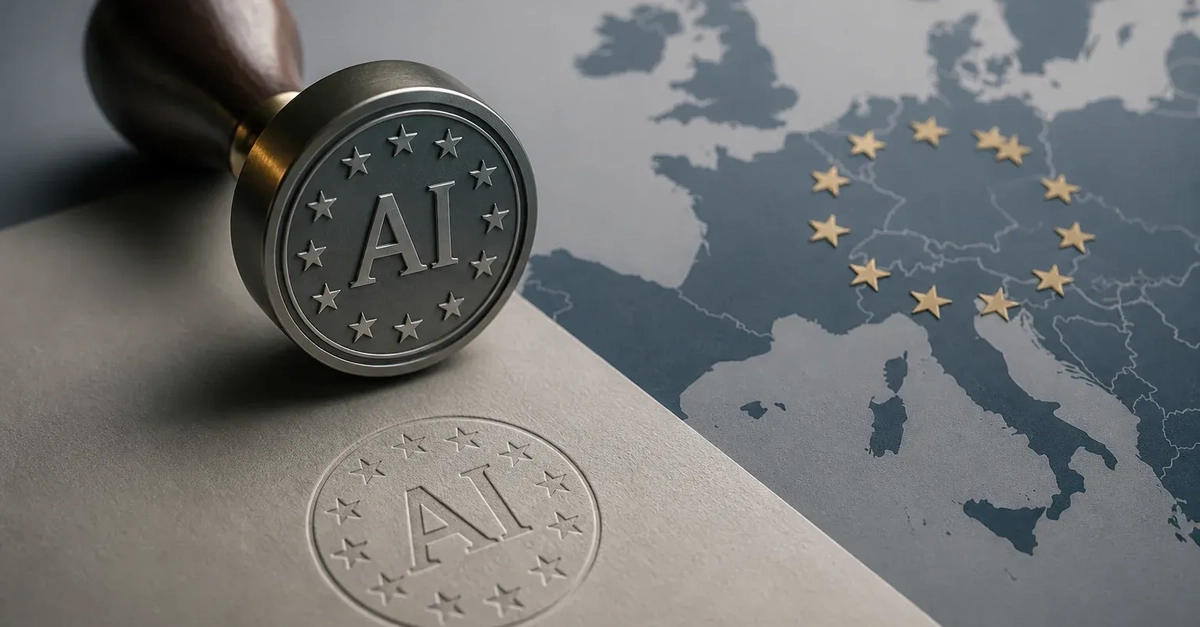
Anthropic has confirmed a global plan to mark content generated by Claude with embedded text watermarks and signed provenance metadata for files. The initiative is designed to support transparency obligations under the European Union's AI Act, while giving users and third parties ways to detect Claude's marks. Crucially, Anthropic says a detection result is not definitive proof that Claude authored the original content, and a missing mark does not rule out AI involvement.
The policy begins with Claude models launched on or after August 2, 2026 in the EU. Anthropic says it is working to bring older models into compliance during a transition period. The company plans to apply the approach worldwide wherever Claude is offered, including supported deployments through AWS, Google Cloud, and Microsoft Foundry.
According to Anthropic's official guidance on how Claude marks AI-generated content, the program covers supported models used through the Claude Platform API, Claude, Claude Code, Claude Cowork, and Claude Tag. That scope makes the change relevant not only to direct Claude users, but also to businesses building Claude into internal tools, publishing workflows, and customer-facing applications.