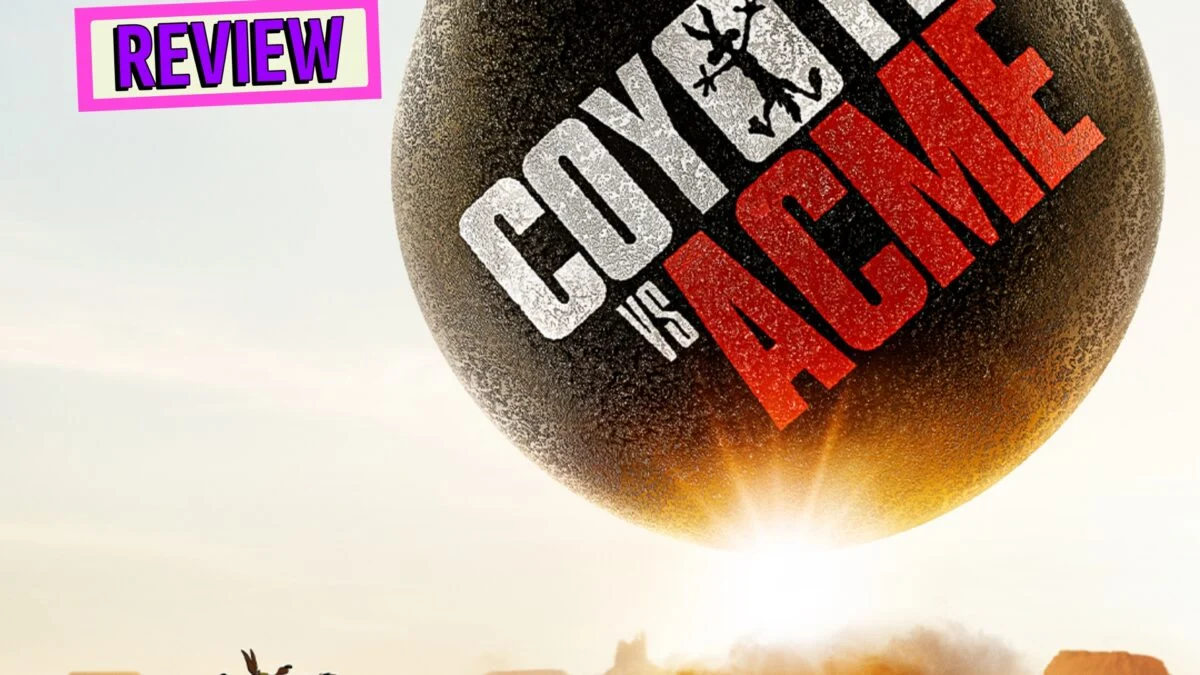
Much ado has been made of Coyote vs. Acme‘s underdog journey, from being shelved despite being finished for tax write-offs to securing a theatrical release after six years of campaigning by jilted Looney Tunes fans. Now that we’re past the discovery phase and deep into the cross‑examination of whether the film earns its hype, our verdict finds Coyote vs. Acme guilty on all counts—delivering a whirlwind of Looney Tunes hijinks, standout hybrid performances from its Hollywood and cartoon actors, and a surprisingly affecting portrait of animation’s most unlucky go‑getter, proving its hard‑fought battle for a theatrical release was absolutely worth it.
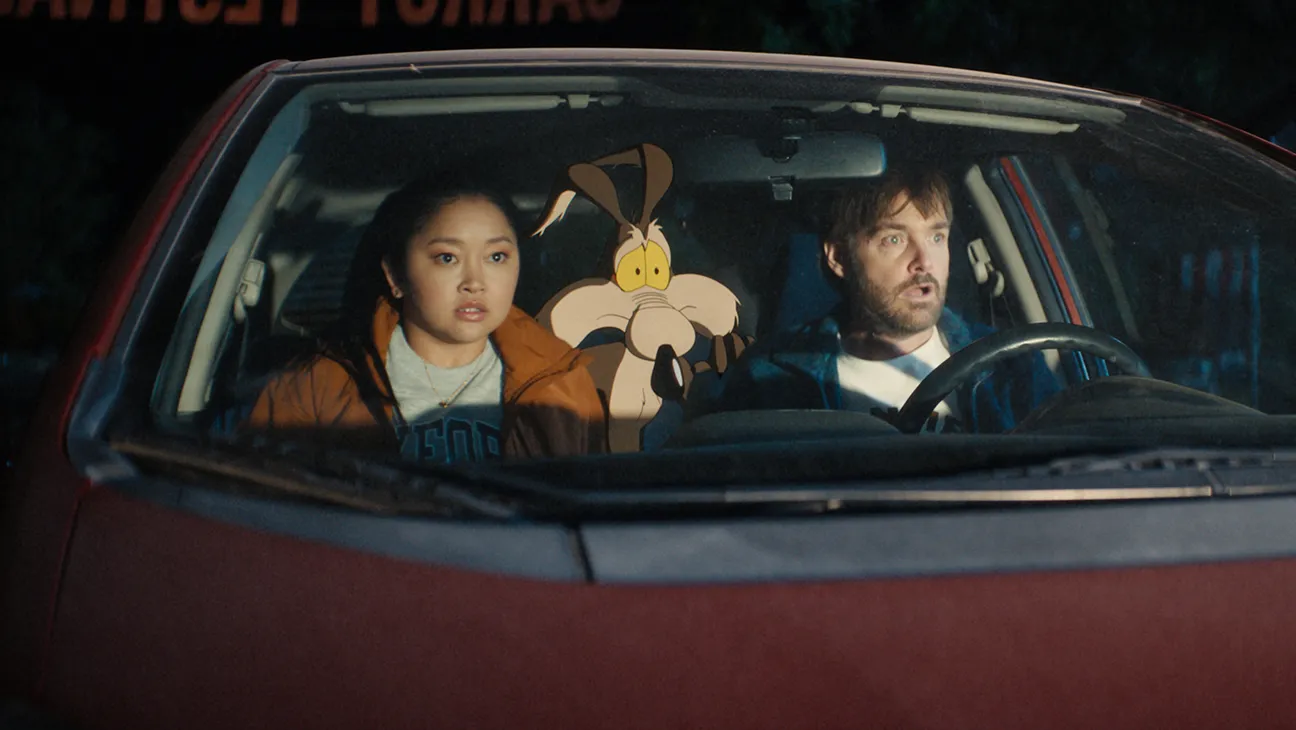
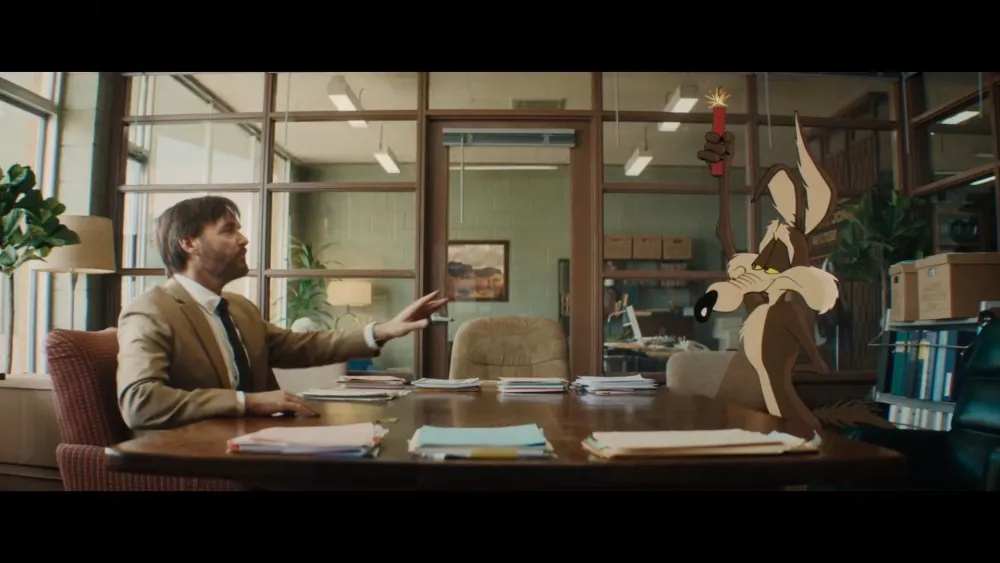
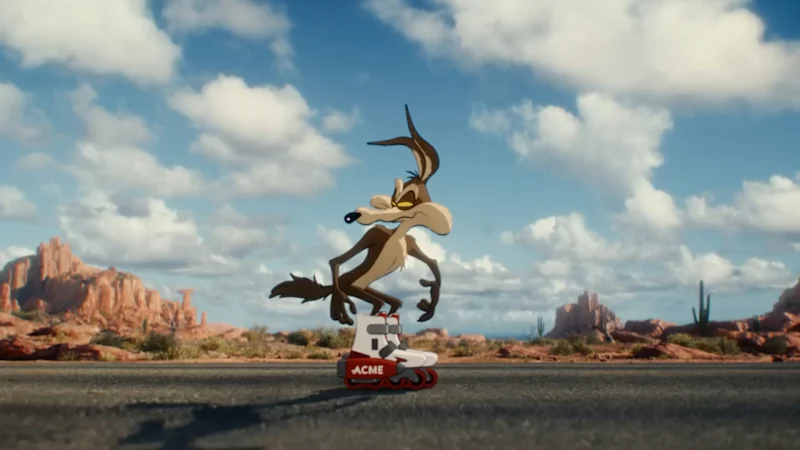
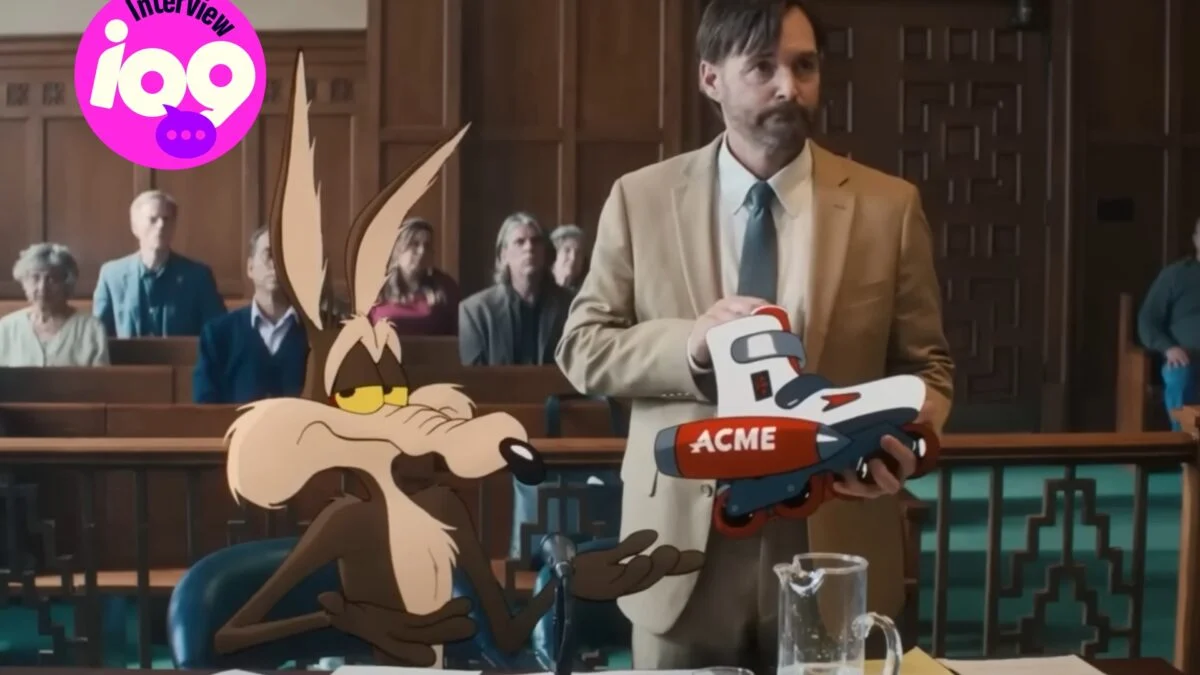
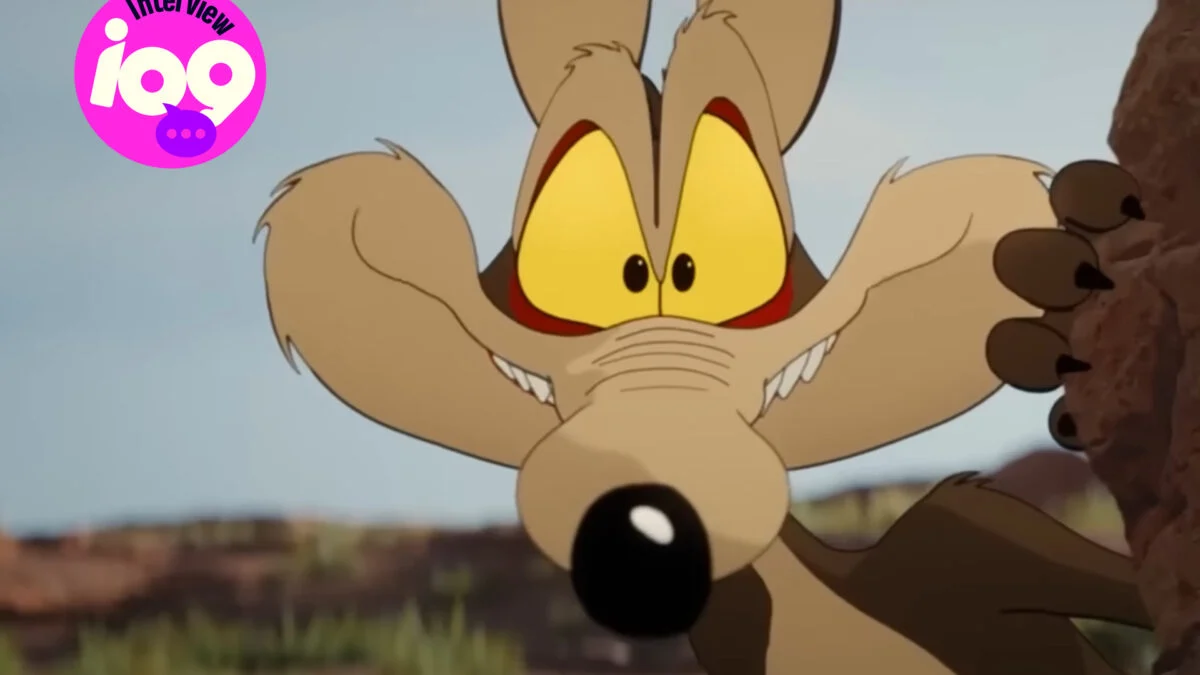
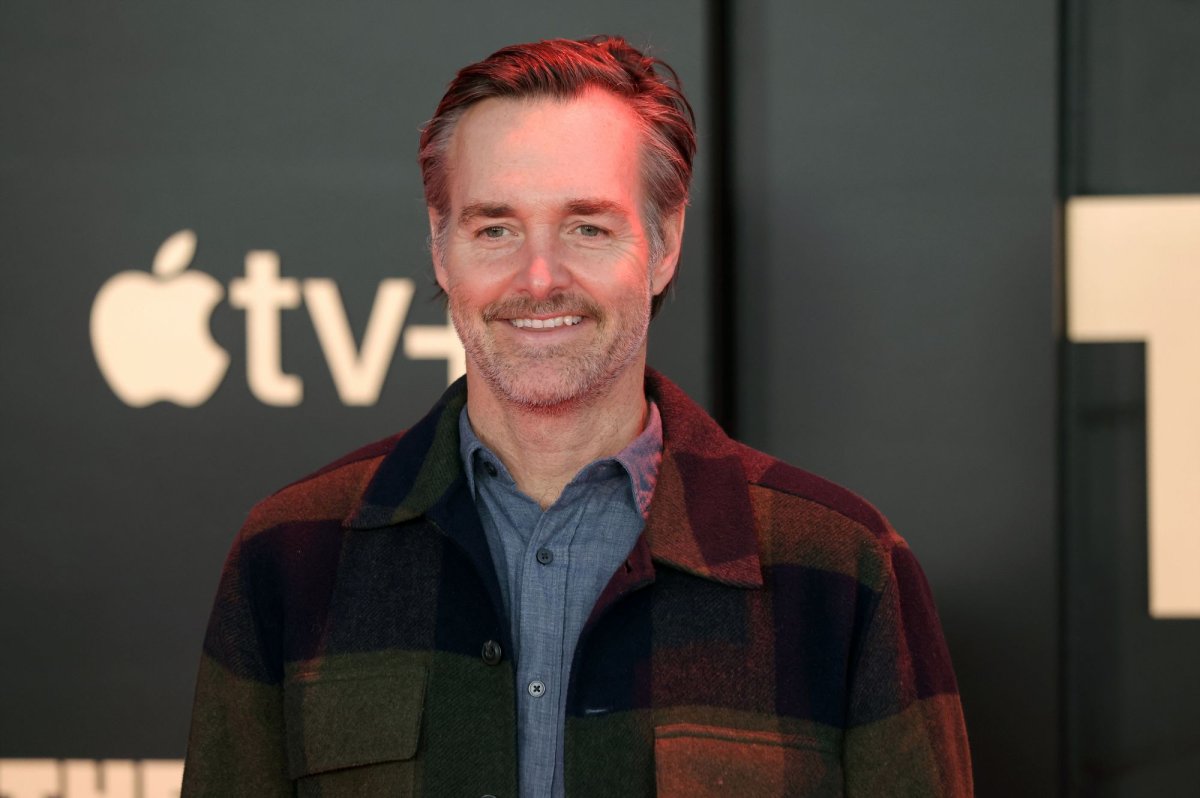
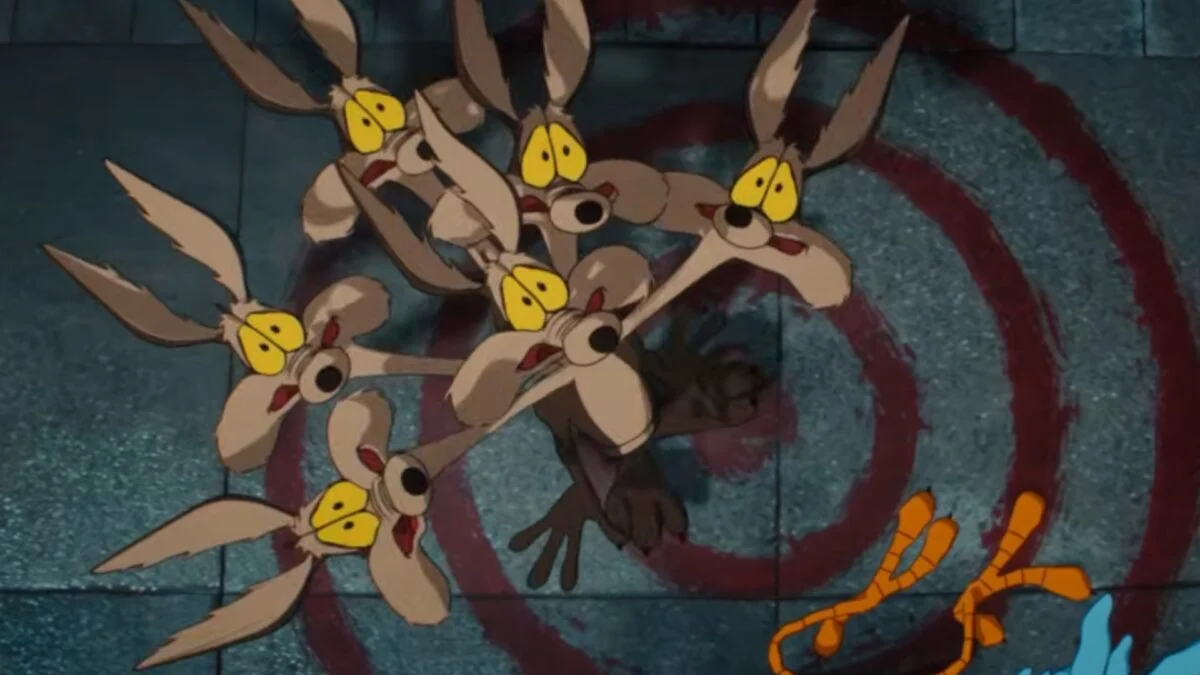
Directed by Dave Green, Coyote vs. Acme opens on a sight everyone and their mother is familiar with: Wile E. Coyote, Looney Tunes‘ modern-day Sisyphus, despite himself, attempting yet another Rube Goldberg-esque plot to capture the elusive Road Runner. As predictably as witnessing a clown’s arm reach for a pie, Wile E.’s dinner plan(s) blow up in his face. As is tradition, Road Runner does his “meep meep” and skedaddles away into the sunset, leaving the emaciated coyote’s ragdolled body on the ground like a spent firecracker. Just when Wile E. retreats back to his cave to push the proverbial boulder back up the hill—as he has for the past 70+ years—he notices a commercial from a not-so-charismatic city lawyer named Kevin Avery (Will Forte), promising to take on any and all cases, especially those where clients are victims of faulty products. And like that, Wile E. hatches a new scheme: sue Acme. Unfortunately for him, Acme isn’t just a manufacturer of everything Looney Tunes; it’s a megacorporation whose enterprising tendrils are in every facet of modern society. As such, it has beefy lawyers on its payroll, like Avery’s longtime rival, Buddy Crane (John Cena). With the help of Avery’s plucky niece, Paige Avery (Lana Condor), the trio dives into a courtroom drama full of mysterious twists and turns, slapstick humor—of course—and, surprisingly, heart at the end of its novel shower-thought premise befitting a madcap Ace Attorney case. What makes Coyote vs. Acme such a triumph is that it takes the easy selling point of being the quintessential ultimate underdog story and elevates it into a truly inspiring tale. This should come as no surprise, considering its writers’ room includes Samy Burch, Jeremy Slater, and James Gunn—whose bread and butter is perfecting the formula for misfit underdog stories at this point. Likewise, another killer quality of the film is the way it uses its bountiful assortment of Looney Tunes characters. In contrast to the more mile-a-minute, cameo-heavy Looney Tunes films fans have become accustomed to, Coyote vs. Acme uses a deft hand in the deployment of its larger-than-life characters. Rather than presenting recognizable icons like Tweety Bird, Foghorn Leghorn, Daffy Duck, or the incomparable, scene-stealing Bugs Bunny as we know them from the cartoons, the movie treats them as actors playing roles to serve the film. For example, Foghorn Leghorn is an Acme bigwig, throwing his weight around at Crane to keep their slam-dunk case from going kaput. As silly as it sounds to hear that a Tonka-truck-built former professional wrestler is at the beck and call of the southern drawl of an oversized rooster in a two-piece suit, the film makes it work. The same can be said of its core ensemble’s palpable on-screen chemistry. © Ketchup Entertainment © Ketchup Entertainment © Ketchup Entertainment © Ketchup Entertainment © Ketchup Entertainment © Ketchup Entertainment © Ketchup Entertainment © Ketchup Entertainment Forte was born to play opposite a Looney Tunes character. Every scene between the straight-man lawyer and his off-the-wall client never takes you out of the moment, even when you are confronted with the thought of how the comedy actor is likely playing off a ball on a stick while wearing a green-screen bodysuit, bouncing off the walls. Every line delivery and quip between him and Wile E. is punchy throughout the film, which is nothing short of a miracle when you consider Forte’s scene partner communicates with a sign on a stick.