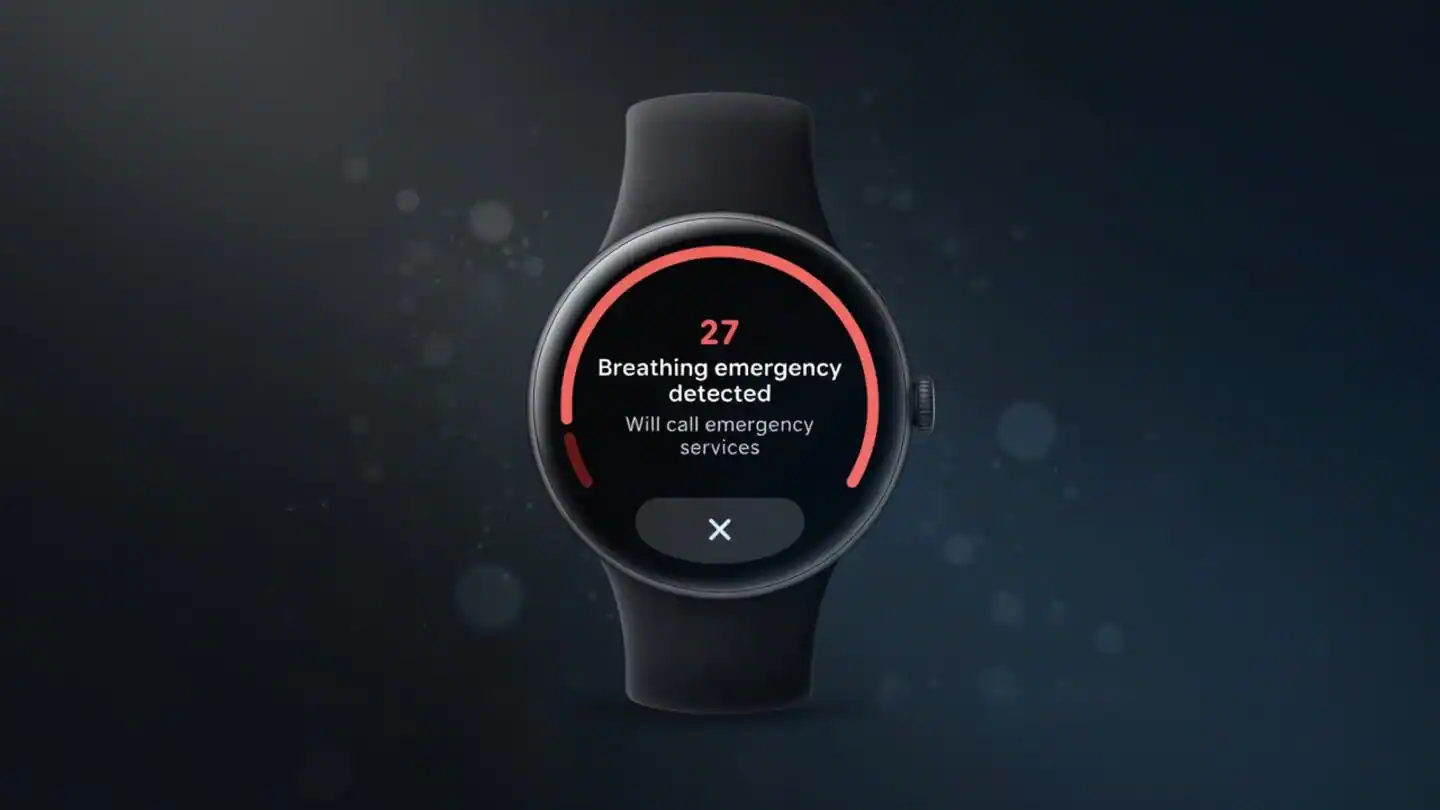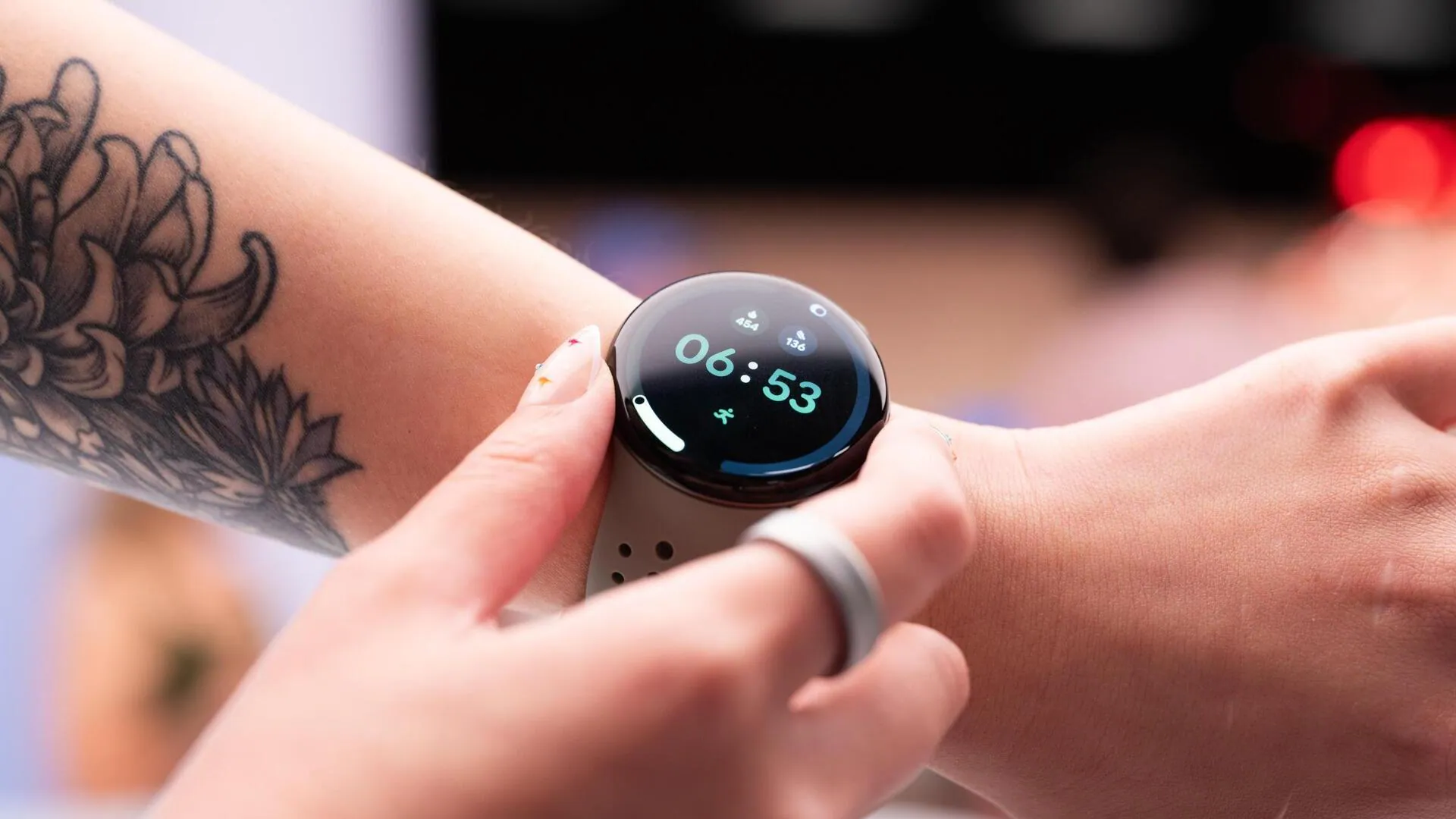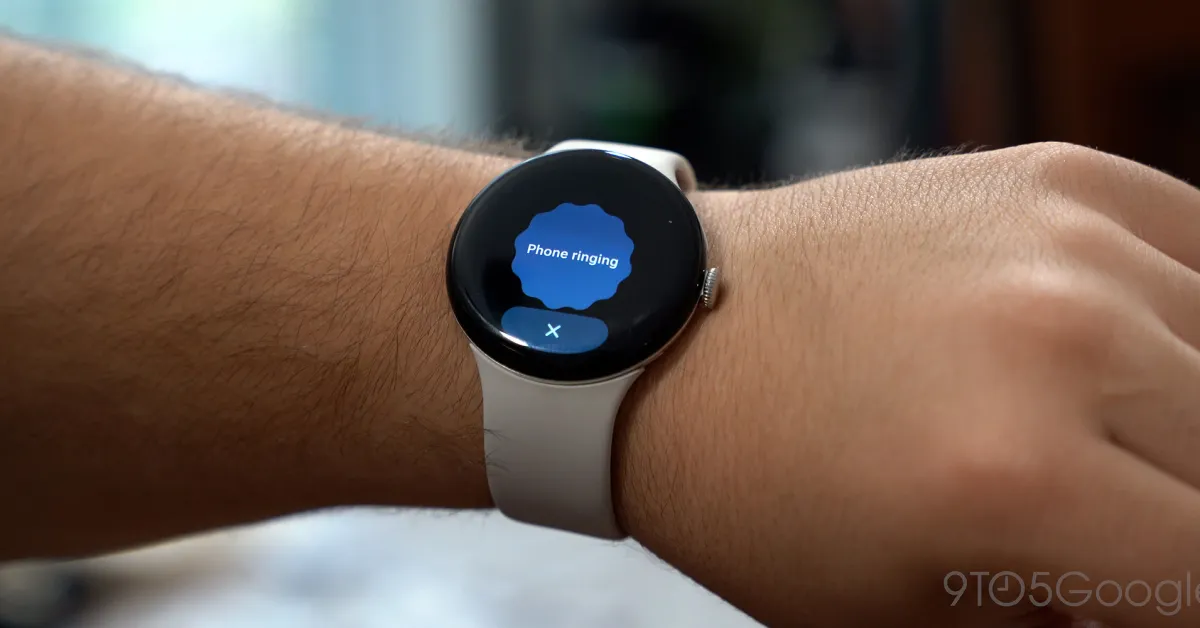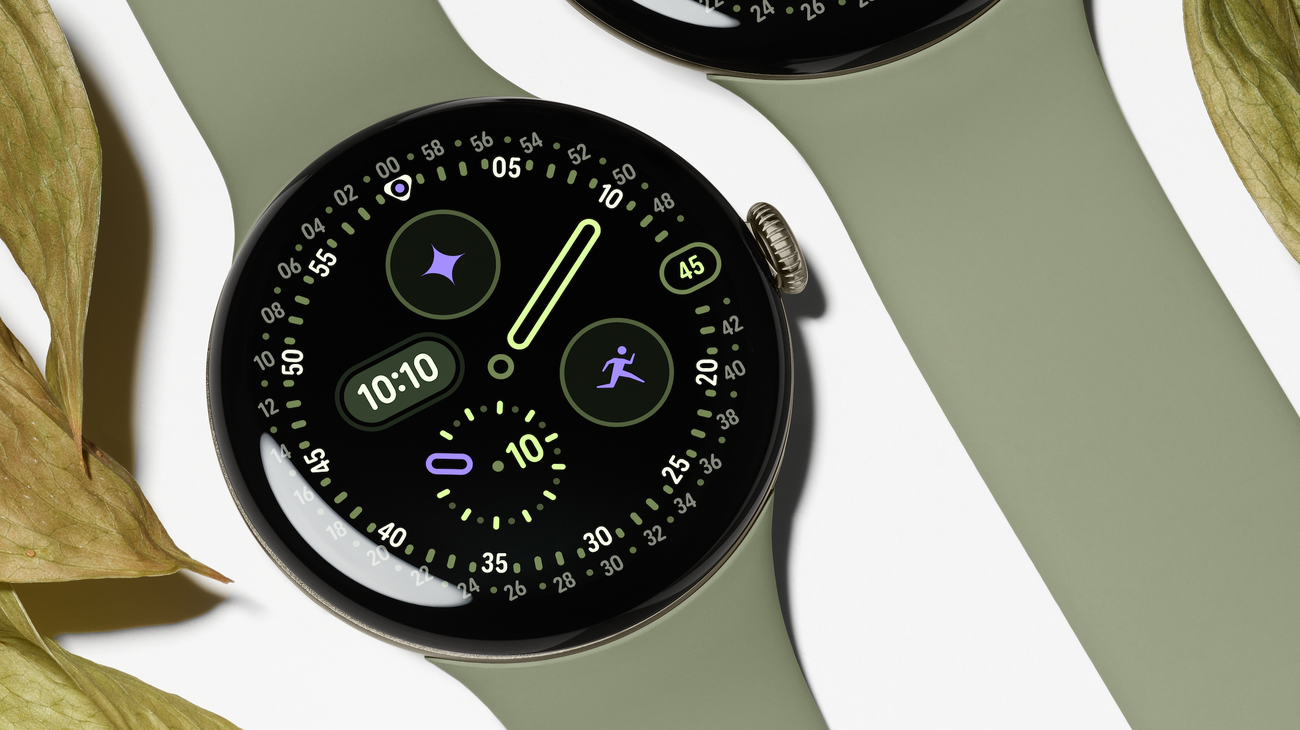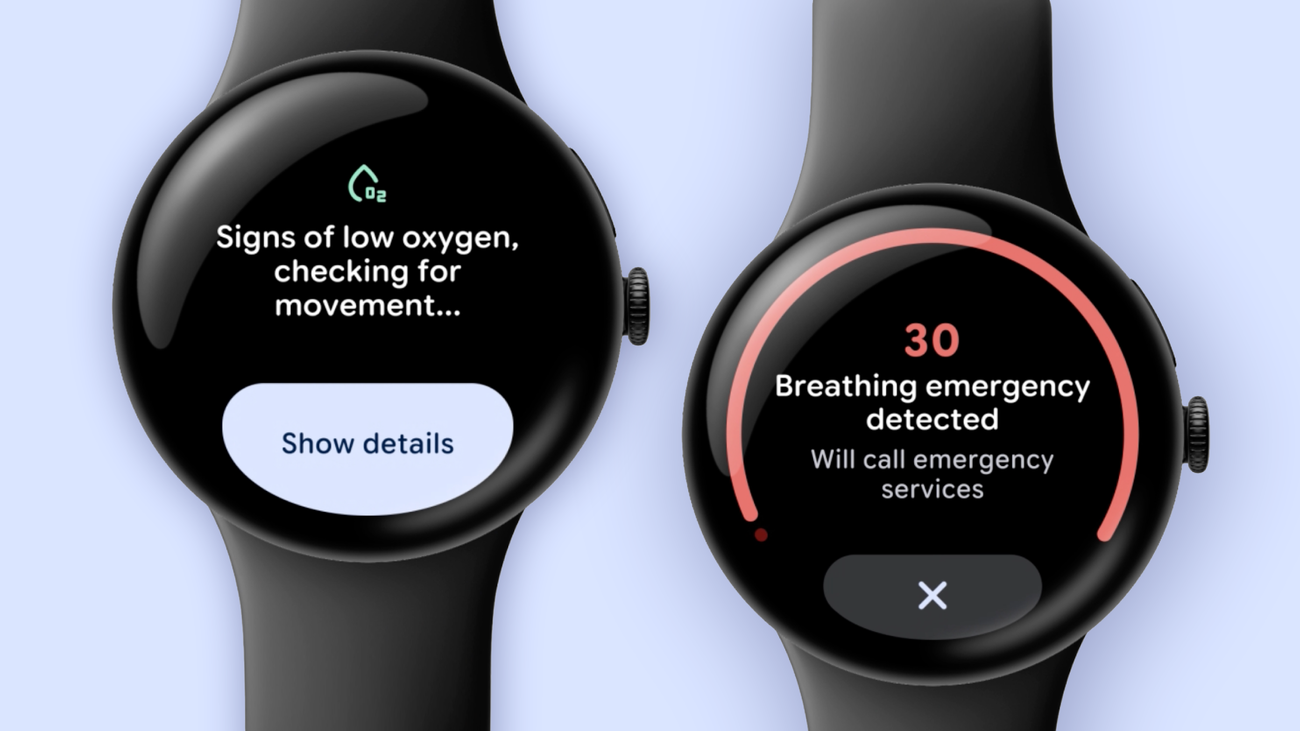
When a breathing-related emergency — like severe pneumonia, accidental drug overdose, or choking — causes a critical drop in oxygen saturation, a person can rapidly become unresponsive and unable to call for help.These types of emergencies can be reversible — but only if someone knows the emergency is happening, intervenes, and calls for help. But many of these emergencies happen when there’s no one around.A first of its kind, opt-in feature on Pixel Watch, Breathing Emergency Detection
can offer a lifeline by recognizing when a person’s blood oxygen level drops dangerously low. If they become unresponsive, it automatically calls emergency services
and their emergency contacts so they can receive potentially life-saving care.
The science and design behind the featureBreathing Emergency Detection uses an advanced, AI-based algorithm to analyze signals from your watch’s heart rate, motion, and altitude sensors. To try and minimize accidental check-ins, it verifies that you’re in a low-motion state without rapid altitude changes.
And to reduce false notifications from conditions like sleep apnea, it also confirms that you haven’t been asleep for more than 30 minutes.