Google debuts SL2T, an AI model that’s designed to understand sign language
Google DeepMind said today it wants to bring the artificial intelligence revolution to the estimated 70 million people across the world who are either deaf or hard of hearing with the launch of sign-language-to-text or SL2T.
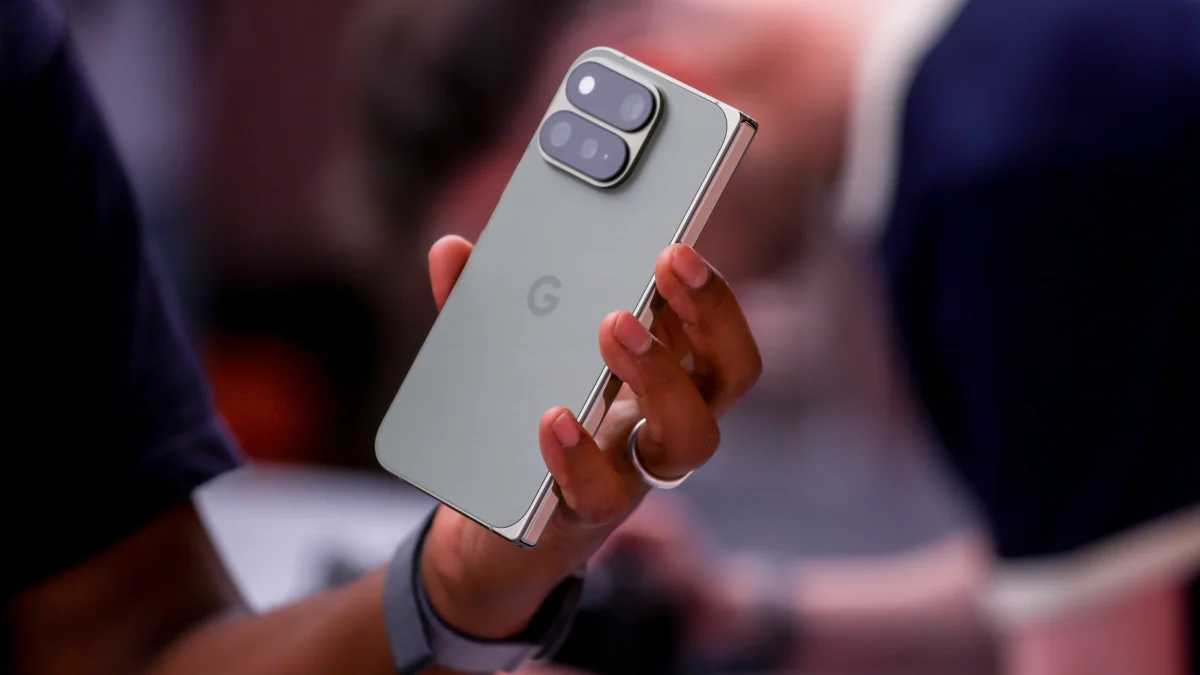
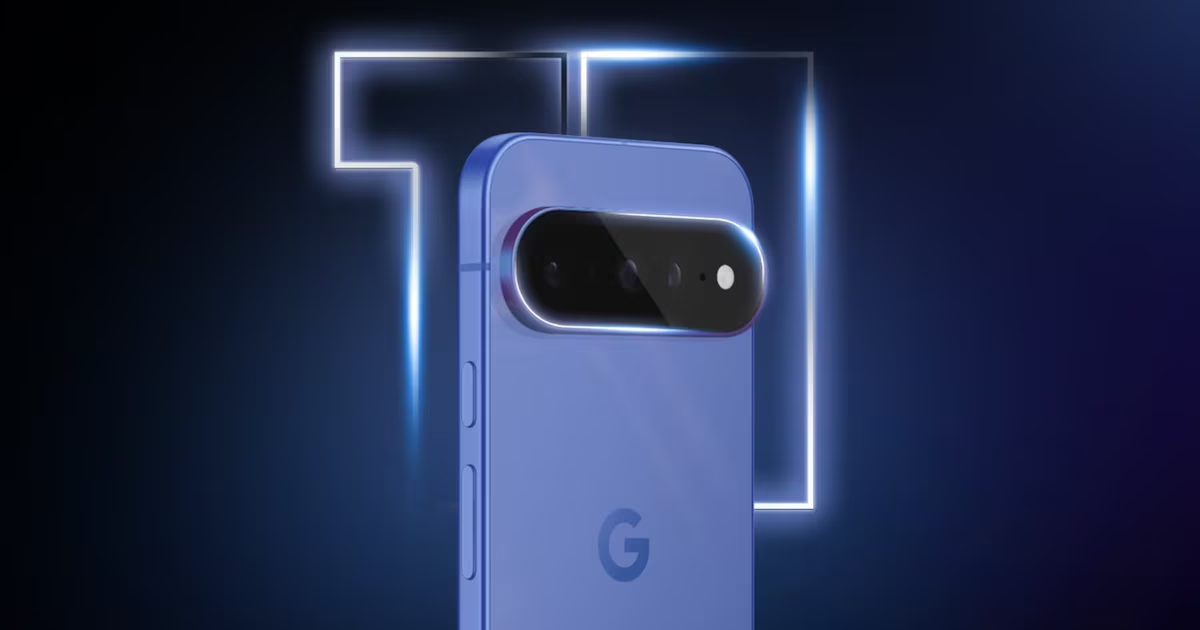
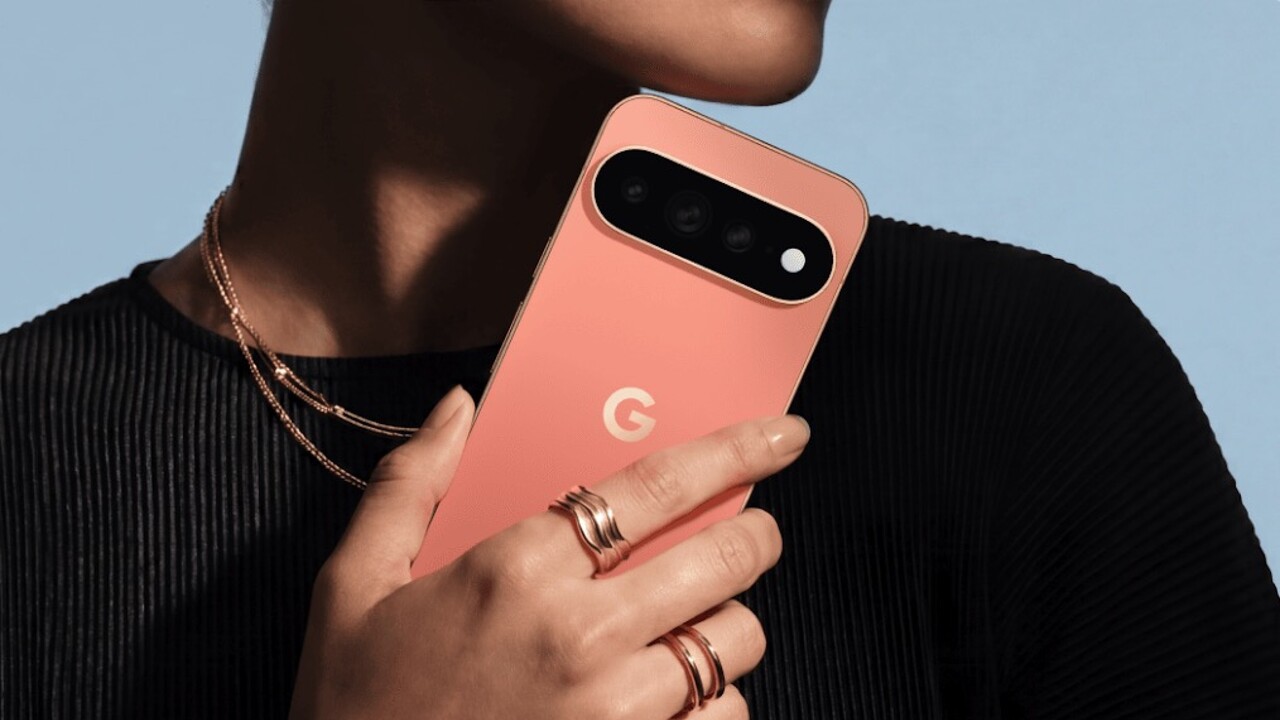
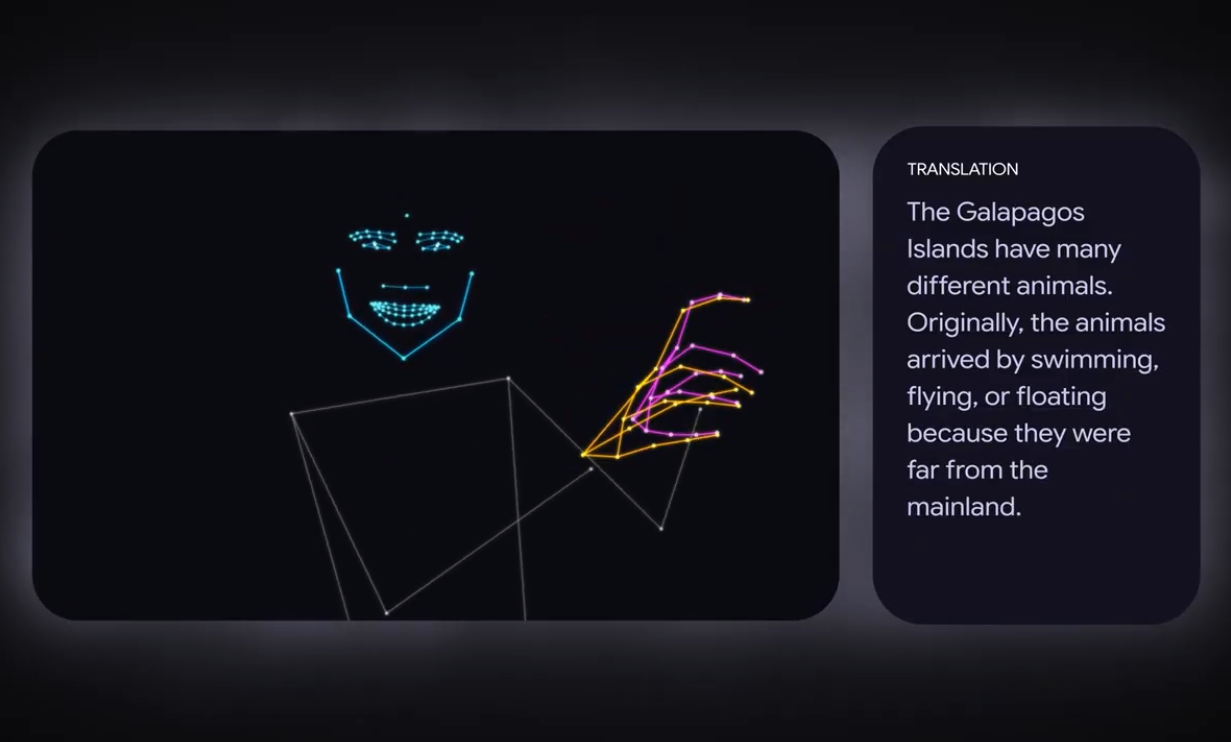
In a blog post, Google’s AI researchers said SL2T is a multilingual translation model that’s making its debut on the Pixel 11 smartphone, where it powers a new “sign-to-text” dictation feature on Gboard and Live Transcribe. The model is initially capable of translating American Sign Language or ASL to English text, and is the first of its kind to be made available within a real-world consumer product, the company said.
AI’s ability to process human speech has progressed enormously in the last few years, to the point where anyone can dictate anything they like in dozens of global languages on a smartphone, tablet or personal computer. But the same isn’t true for those who rely on one of the more than 200 distinct sign languages because of their hearing disabilities. According to Google, it’s an audience that has been completely ignored by the AI industry, until now.
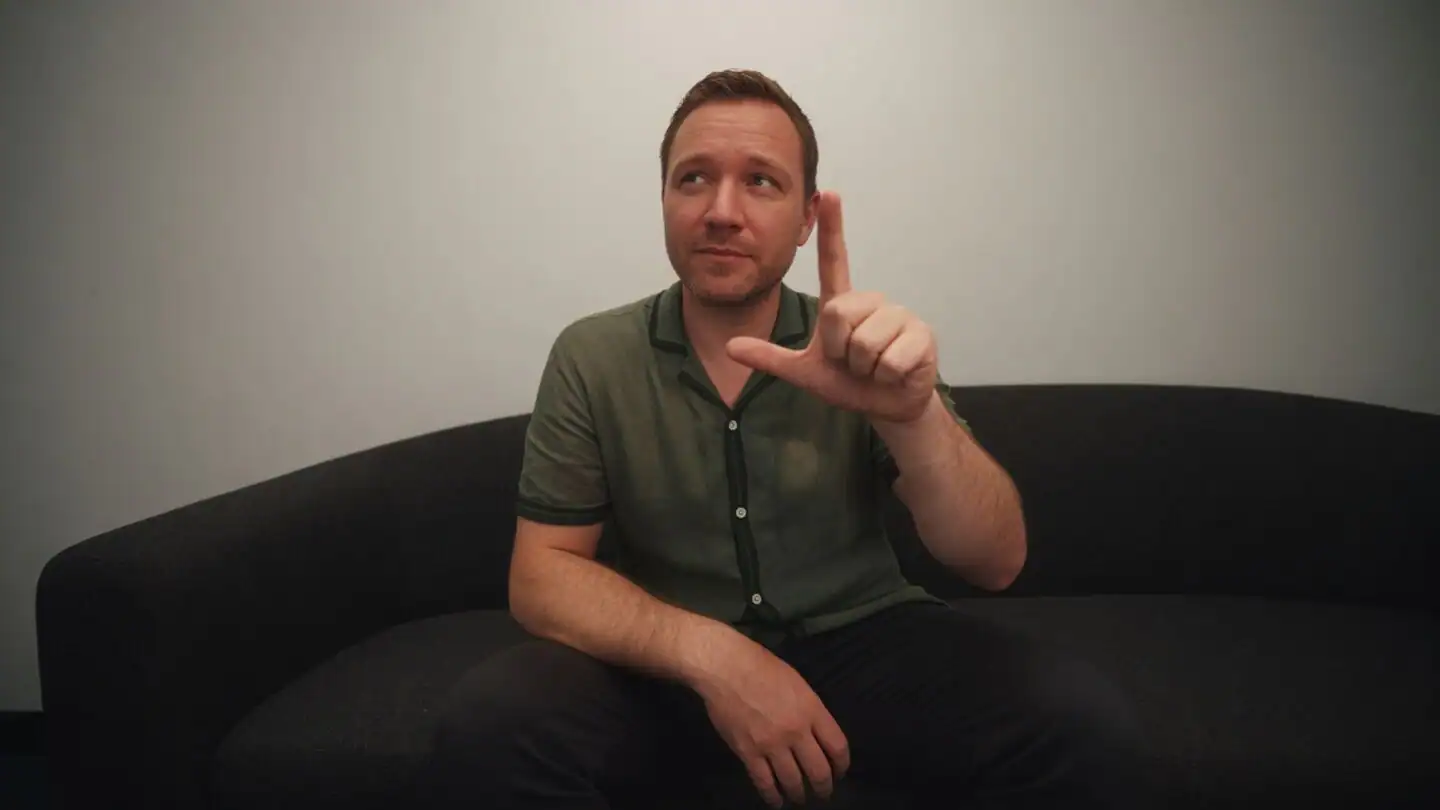
The SL2T model gives deaf and hard of hearing users the ability to interact with their smartphone using their native language. Just like speech AI makes it possible for users to talk to their device instead of typing, SL2T makes it possible for people to sign directly into their smartphone’s camera rather than tap away entering text.