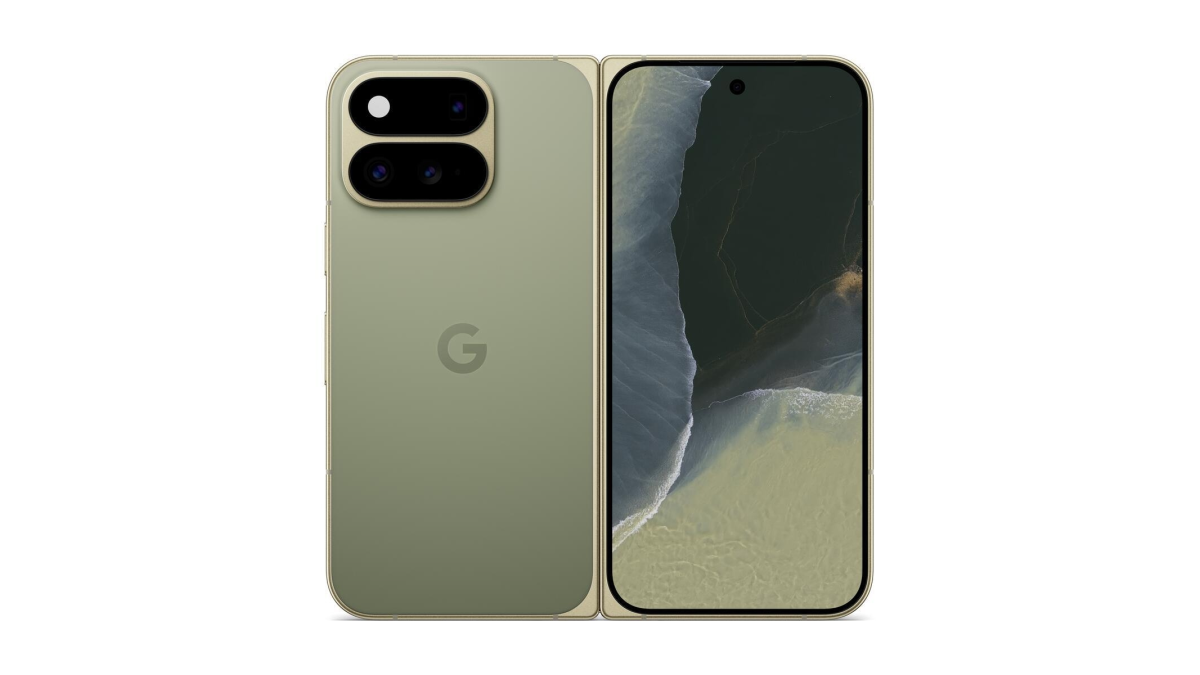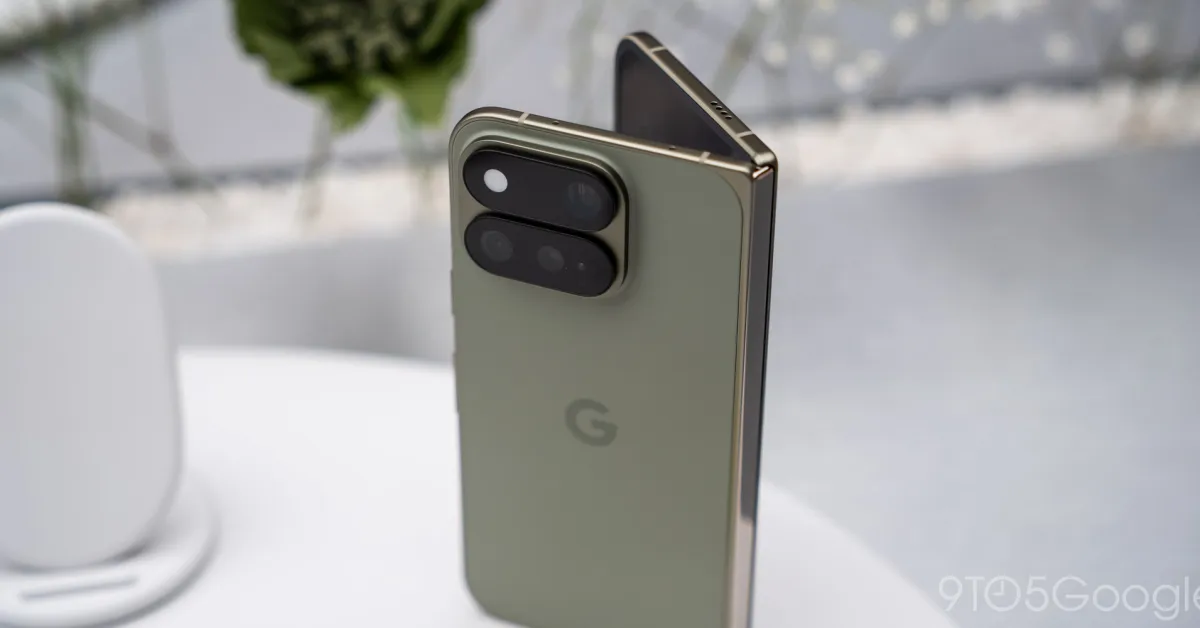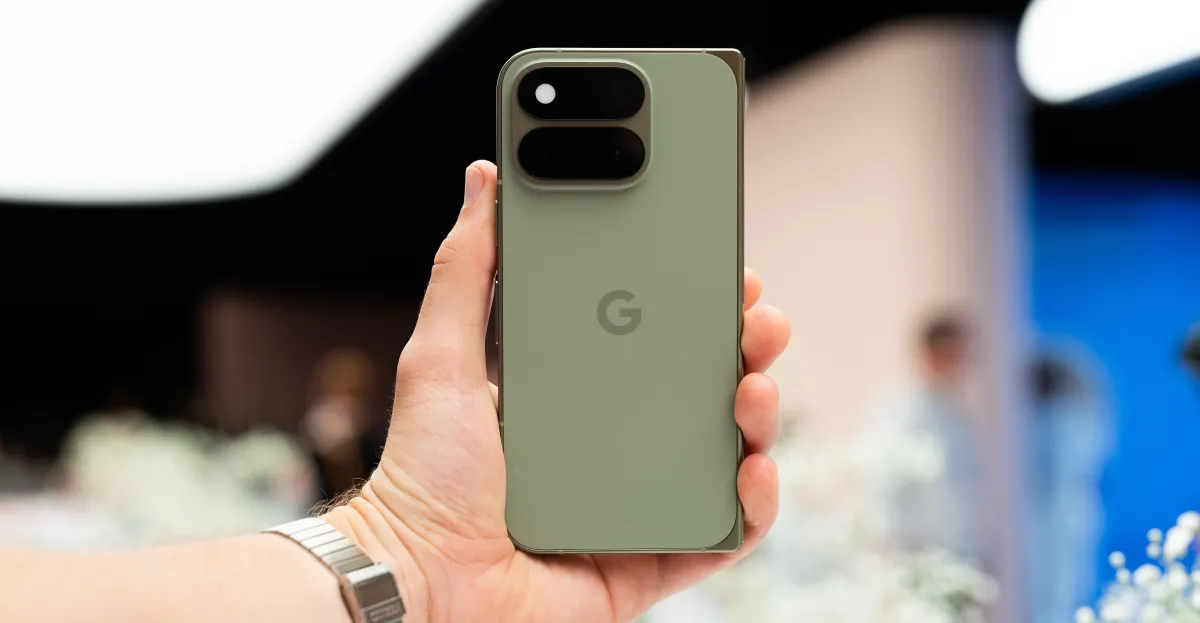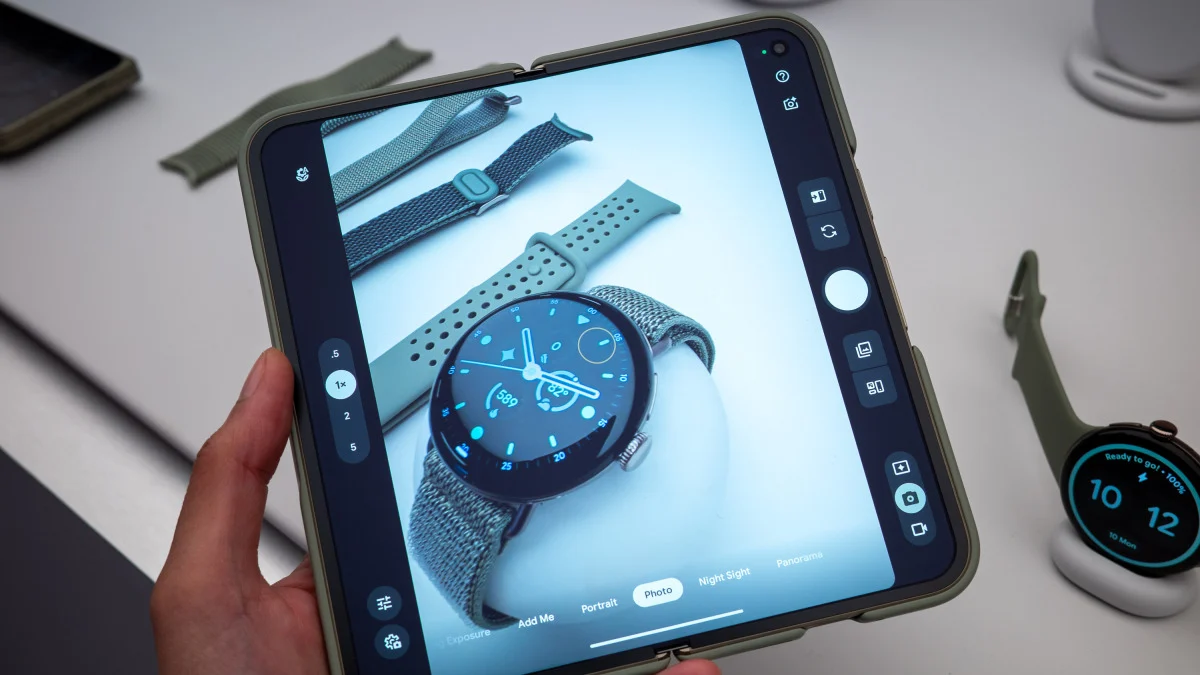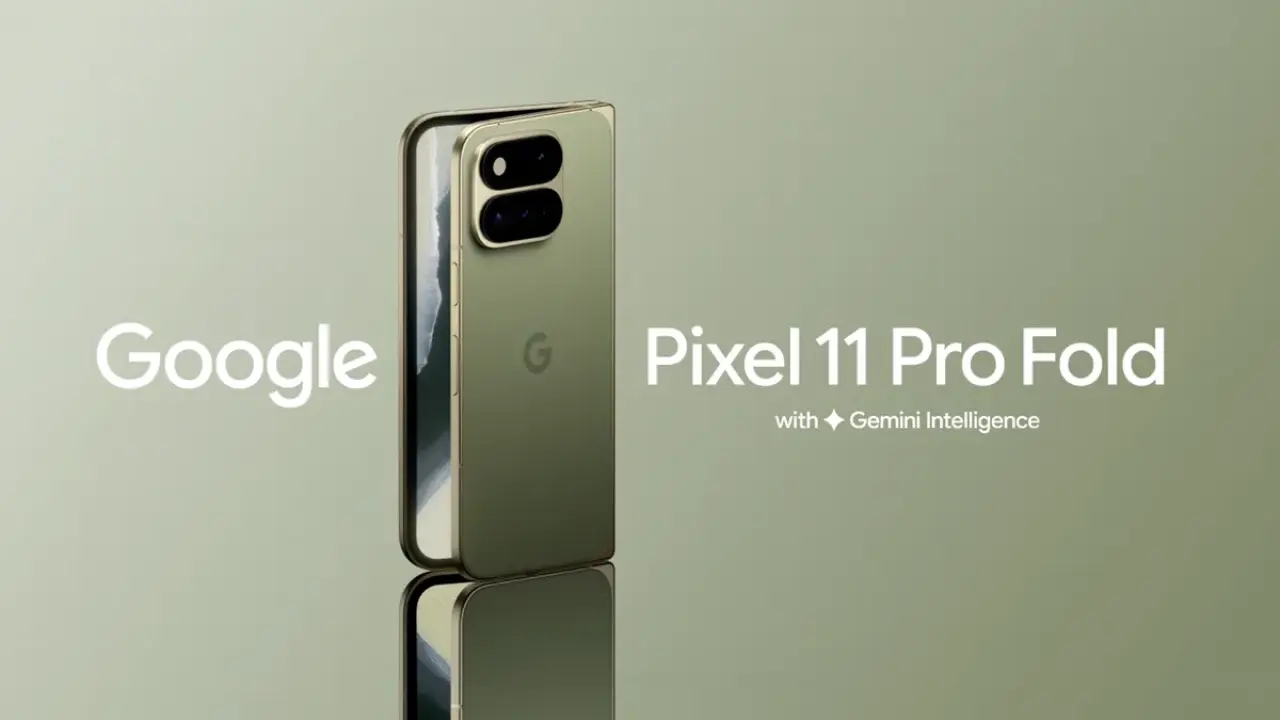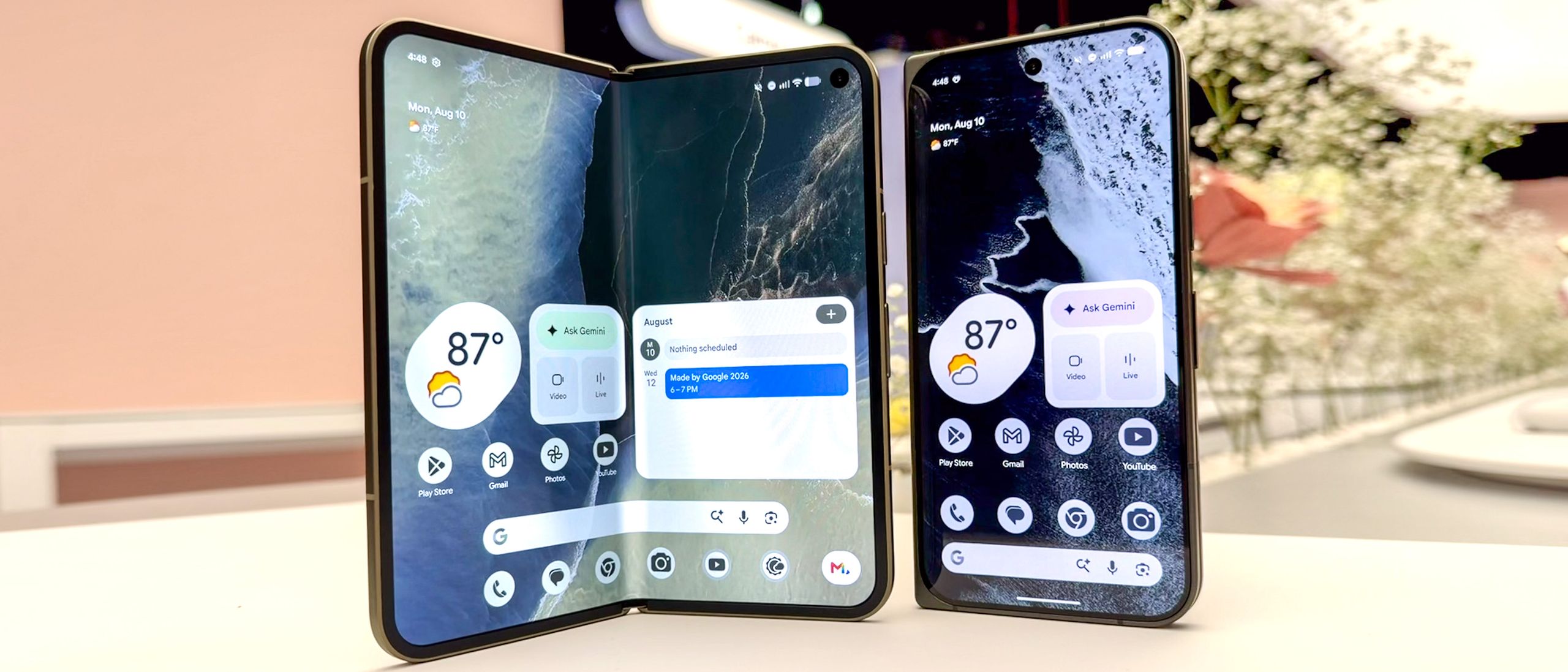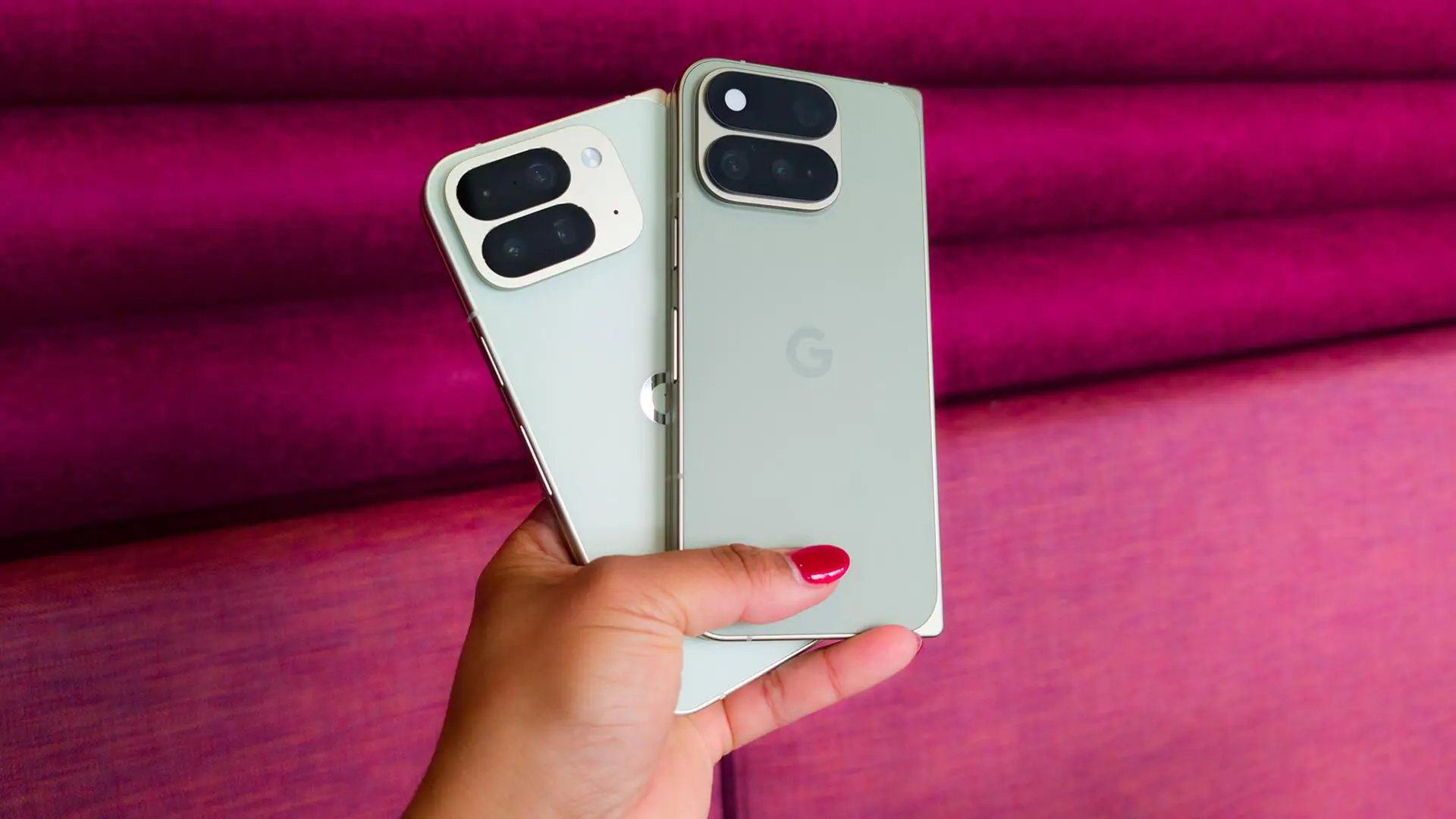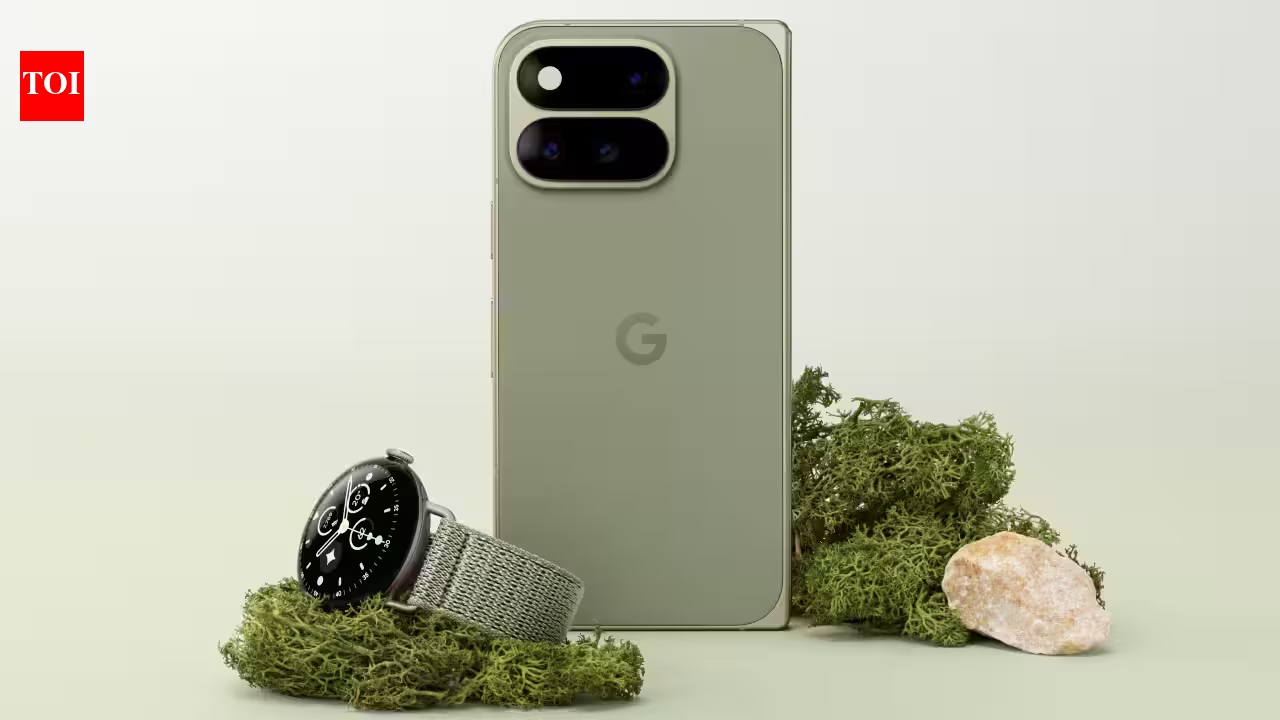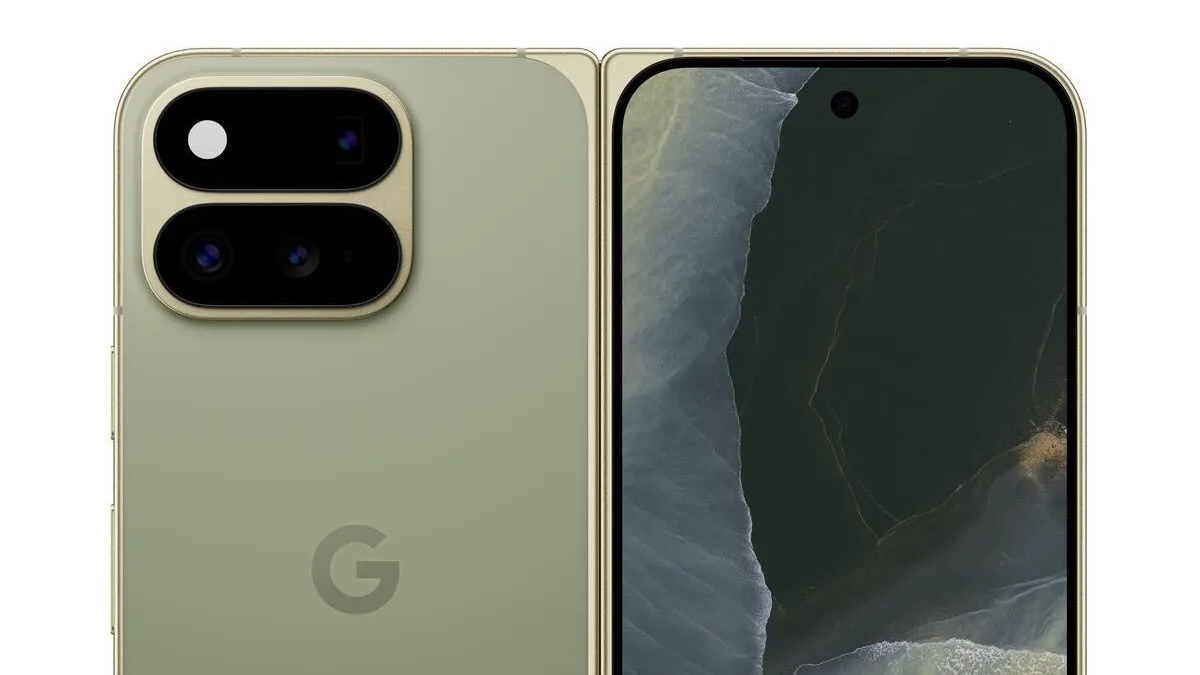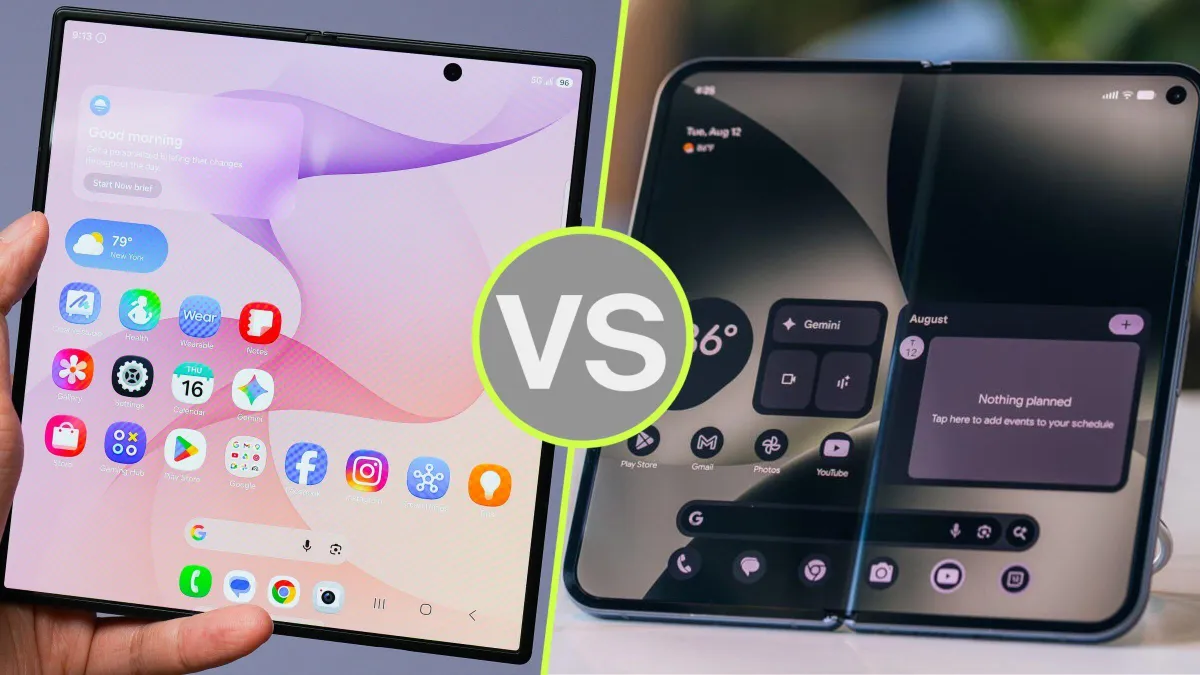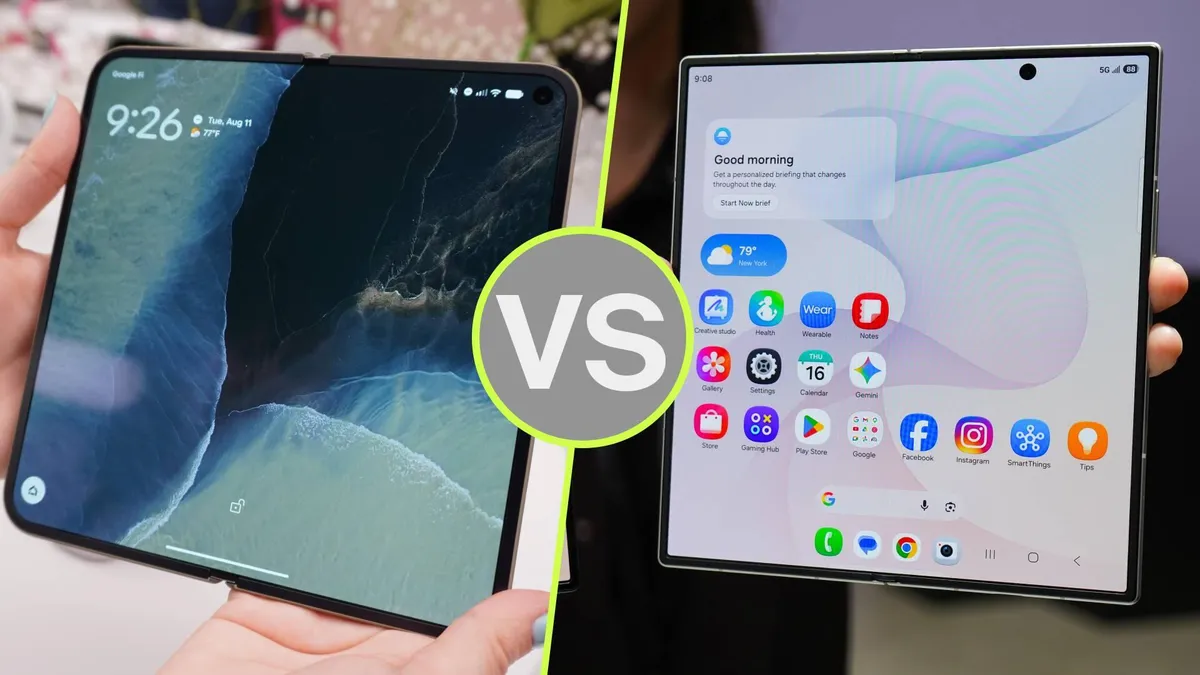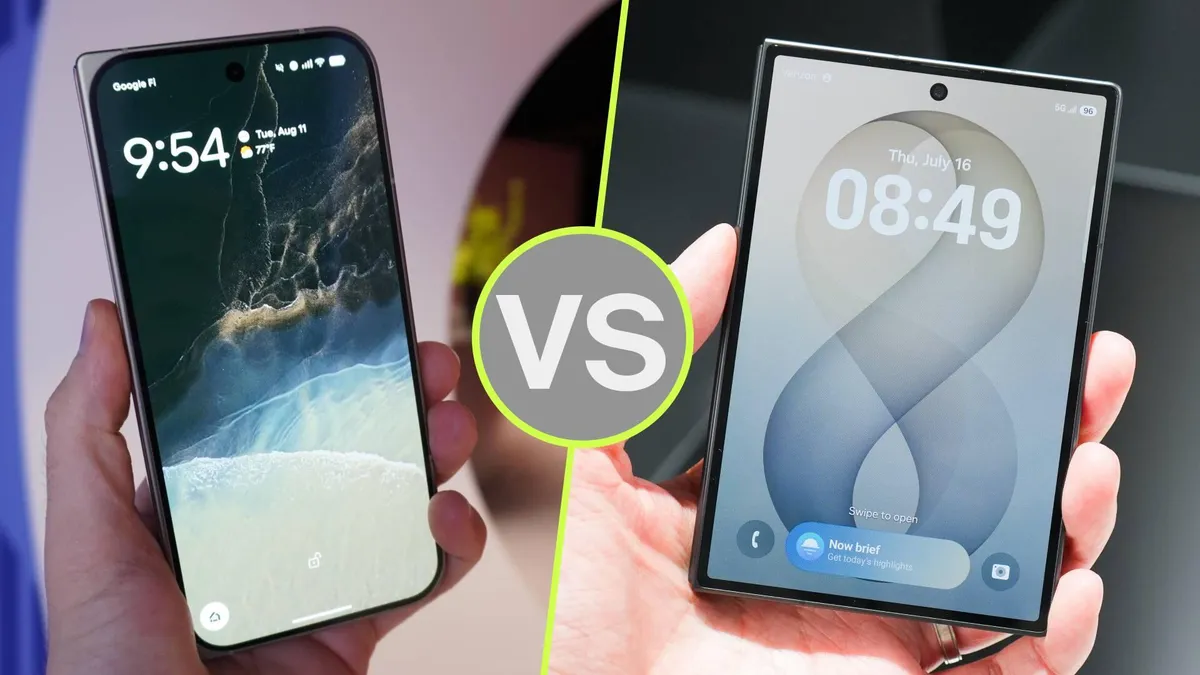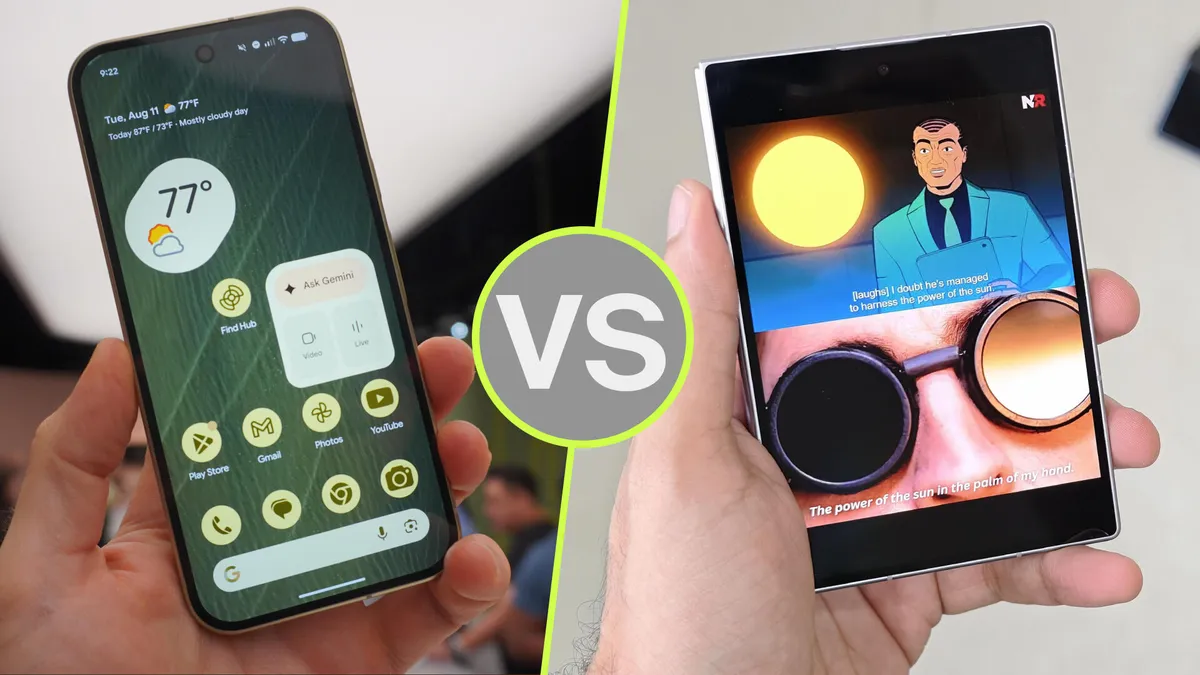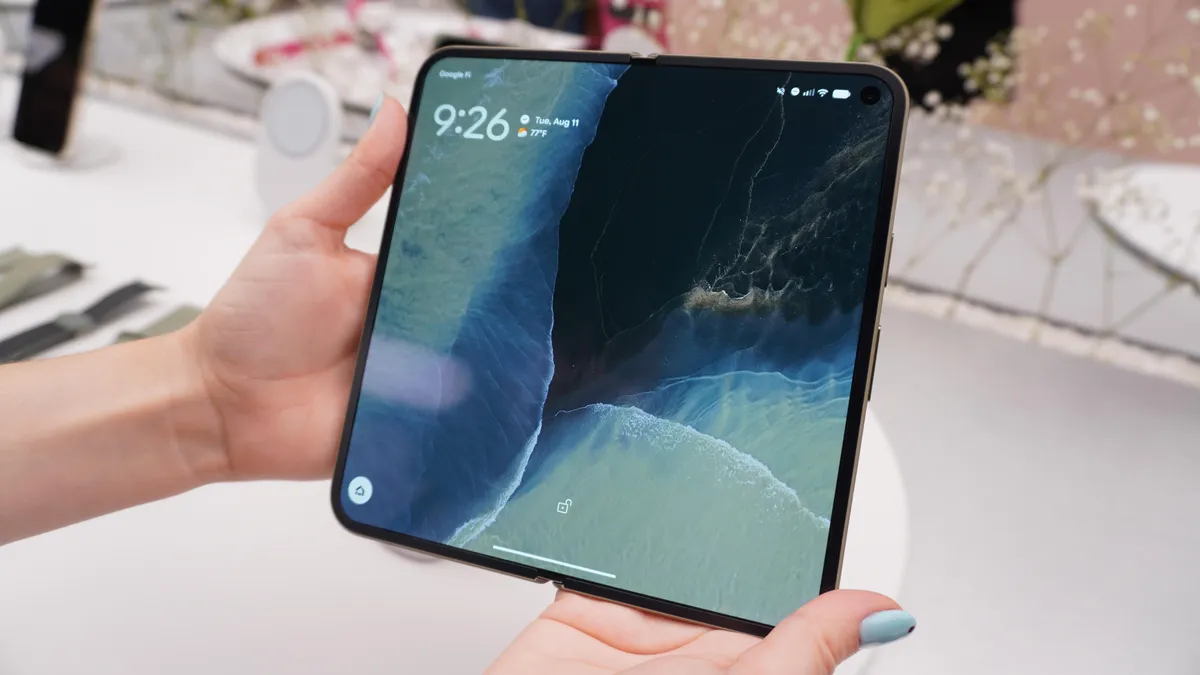
Kyle Kucharski/ZDNETFollow ZDNET: Add us as a preferred source on Google.ZDNET's key takeawaysThe Google Pixel 11 Pro Fold features subtle upgrades from its predecessor.Changes include a more durable hinge, faster charging, and an updated Tensor chipset.The phone starts at $1,899 for the 256GB variant, which is $100 more than last year.Google is in a bit of an odd place right now, and the Pixel 11 Pro Fold may be the best example. It's launching this week, just shortly after Samsung released its Galaxy Z Fold 8 series to global fanfare, and Apple will reportedly launch a phone-to-tablet foldable of its own in September. So who should care about Google?Also: I compared Google's pricier Pixel 11 series to Samsung's Galaxy lineup - here's the better value nowThat's the question I tried to get answers to ahead of this week's Made by Google event, where the company is showing off its latest generation of Pixel 11 devices, including the Pro Fold. While much about this year's device reminds me of last year's Pixel 10 Pro Fold, there are still some interesting changes and upgrades that put Google ahead of Samsung -- and possibly Apple.Both displays are Super Actua now Kyle Kucharski/ZDNETOne of my biggest qualms with previous Pixel foldables is their insufficient brightness, with both the inner and outer displays often barely legible in direct sunlight. With the Pixel 11 Pro Fold, Google says it's upped the overall brightness by 20% compared to last year's model, while applying the same Super Actua tech of the inner screen onto the outer one, too.The result is a phone that's noticeably more vivid, even before I dial the brightness to the max. I'll have to see how the displays hold up when used outdoors, but from an early look, they're much more promising.Google is encasing the new displays in a design that it claims is 1mm thinner and 10% lighter -- thanks in part to a tighter hinge -- than the Pixel 10 Pro Fold. While that's not a drastic improvement and doesn't put the Pixel in Galaxy Z Fold 8 territory for pocketability, it's done in a way that retains the phone's IP68 water and dust resistance. Also: Samsung Galaxy Z Fold 8 review: The compact foldable I've wanted all alongThat's a big win for customers concerned with the longevity of foldable phones, and an aspect that Samsung still omits. I'm not confident that Apple will nail the air-tightedness design on its first attempt either.The camera bump is the HiLightLook, the new 48MP main lens that can capture 56% more light on the Pixel 11 Pro Fold is great and all, but more users will likely be drawn to the camera bump itself and the pulsing LED within it. Kyle Kucharski/ZDNETThis year, Google has trimmed down the camera housing so that it protrudes less, making the phone more comfortable to hold and less rocky when set on a flat surface. But you may find yourself placing the phone screen-side-down more often than ever, with the introduction of HiLight. It's effectively a status LED that pulses when you have incoming calls (to prompt you to pick up your device) or when you're interacting with Gemini, with visual cues that indicate the AI is listening, thinking, and responding.Also: I tried Google Wallet's new allowance feature, and my kid already ditched their debit cardThis whole system feels like a more natural (and less polarizing) version of what Nothing had done for years with its Glypth lights, and I much prefer it that way. Now, if only Google would expand the capabilities of HiLight so that users can set pulsations to incoming text messages, Uber pickups, and other timely tasks. The company told ZDNET that support for the Messages app will come in the future, but nothing more for now.Pixelsnap is still a key advantageIt was a big deal last year when Google unveiled Pixelsnap, its proprietary system of magnet-based accessories that can snap onto the backs of its phones. To this day, the in-body magnets of the Pixel still trounce any additional adapter or case that's required by Samsung's Galaxy phones. Kyle Kucharski/ZDNETThis year, Google is upping the wireless charging speed of the Pixel 11 Pro Fold to 25W (from 15W) via Qi2.2. That should yield a 50% charge when set on a wireless charger for 30 minutes, putting it in closer line with conventional wired solutions.Oddly, the battery capacity of the Pixel 11 Pro Fold has dropped year-over-year, downsizing to 4,806mAh from last year's 5,015mAh. Considering the brighter screens and ever-increasing demand for our phones, I'm interested to see how the device holds up in the real world.Also: How long should you keep your phone for? I did the math - it's likely not what you thinkGoogle is banking on the improved power efficiency of the new Tensor G6 processor to do some of the endurance lifting here, but I wouldn't be surprised if it simply puts the Pixel 11 Pro Fold in a similar position in benchmarks to the Pixel 10 Pro Fold. In other words, not much progress was made in day-to-day battery life -- at least on paper.The Pixel 11 Pro Fold will start at $1,899 for the 256GB variant this year, with storage configurations that go up to 1TB. That $100 price bump shouldn't surprise anyone who's lived through the RAMmageddon this past year. You can preorder the phone today, and it'll be available in Olive (a grayish green) and Obsidian (matte black).
I saw the Google Pixel 11 Pro Fold - and found 3 key reasons to buy it over Samsung
It's not as cutesy and charming as the Galaxy Z Fold 8, but the latest Pixel foldable is still the top choice for key aspects.
911 words~4 min read