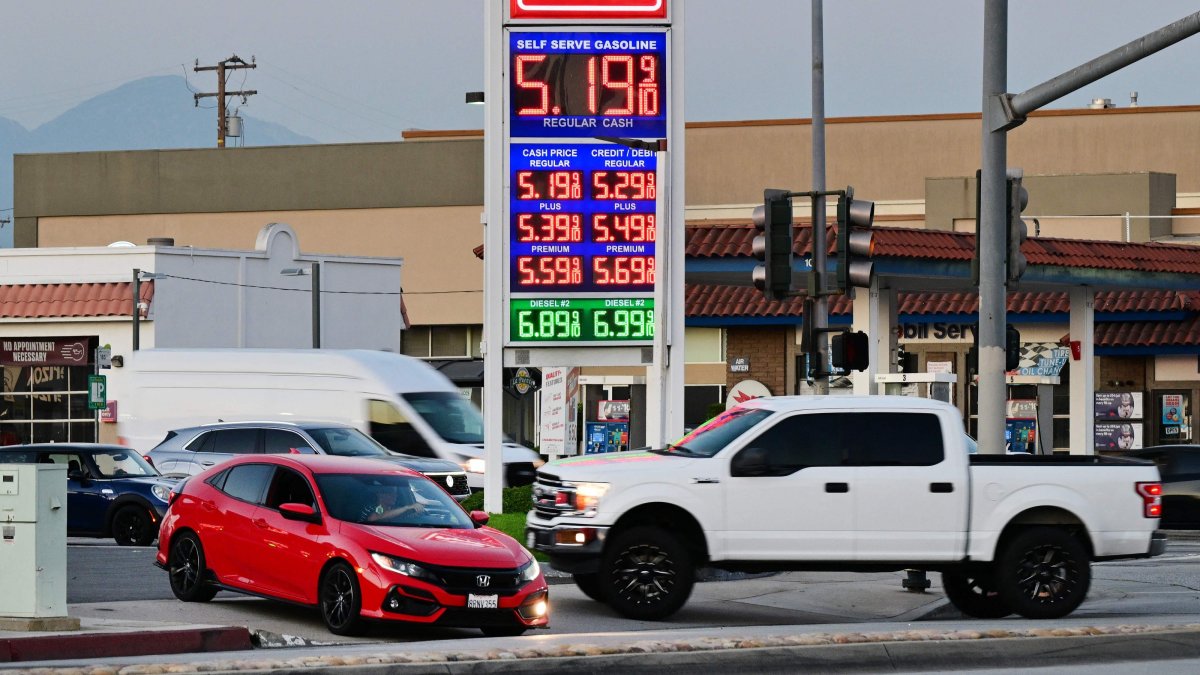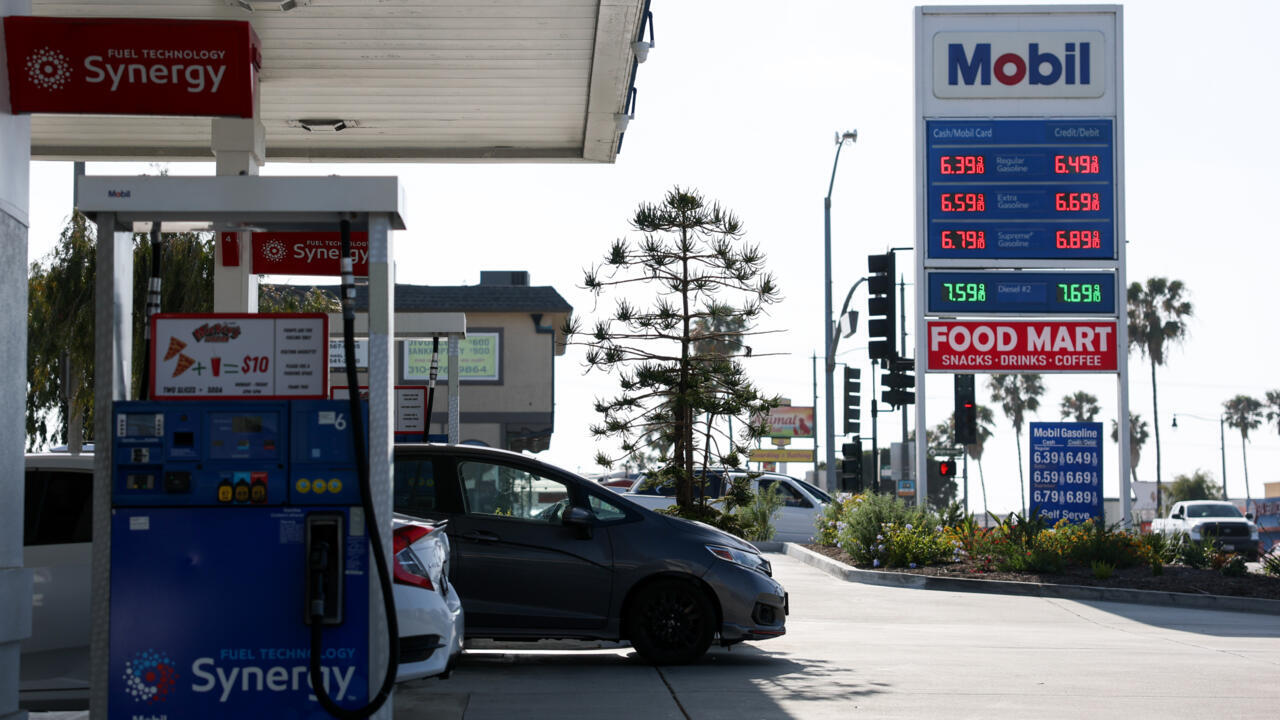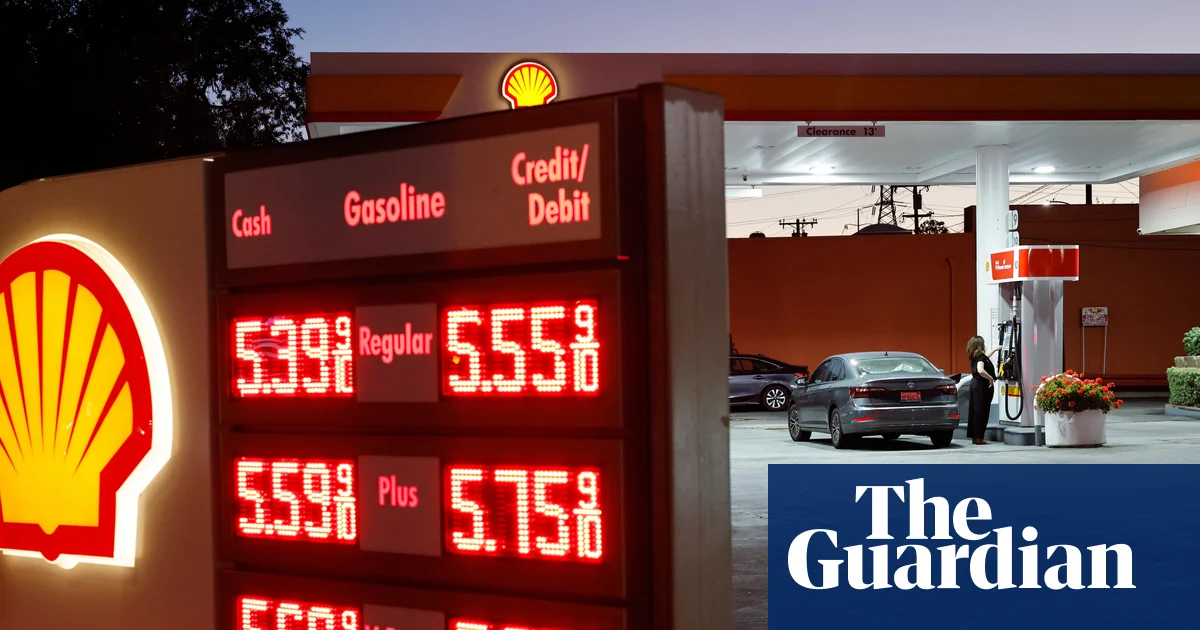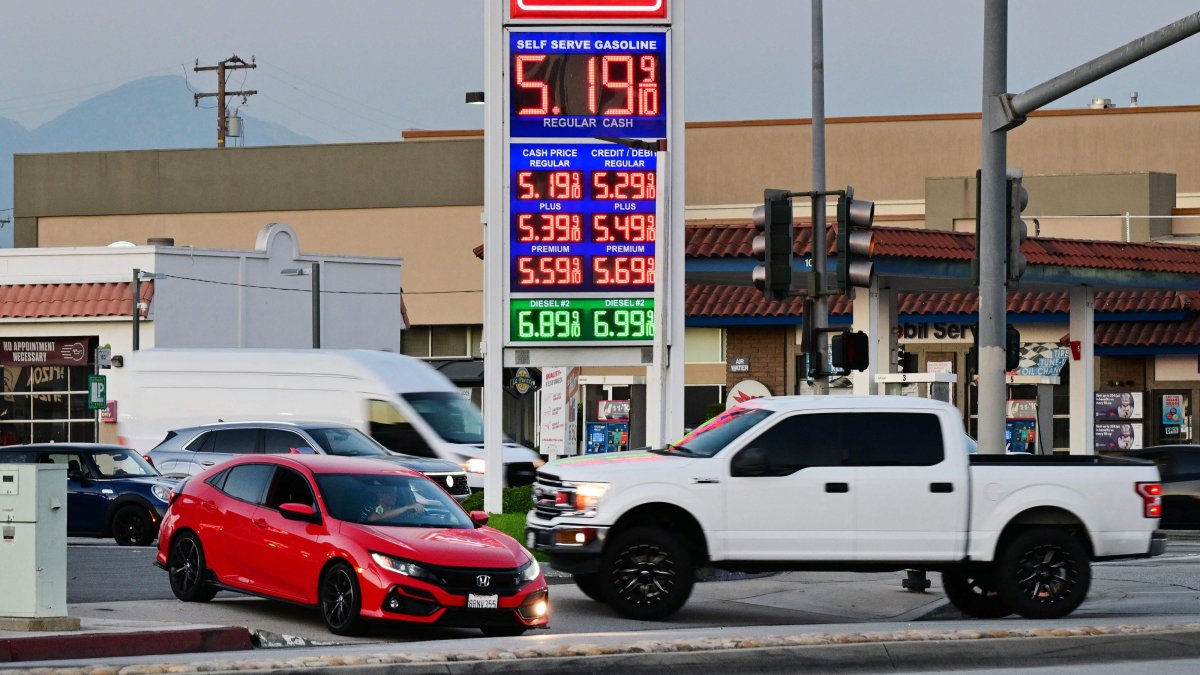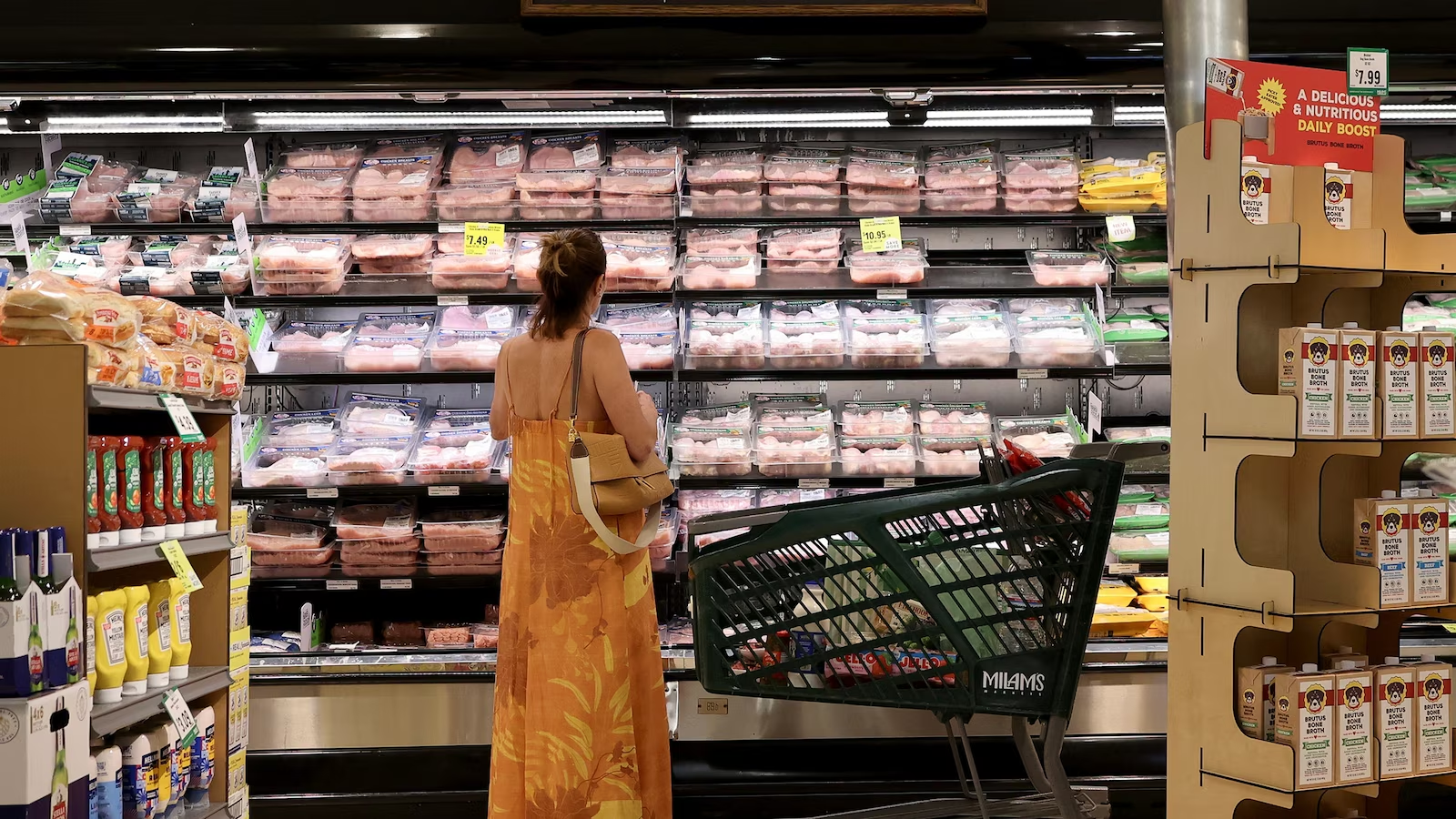
US inflation edged lower to 3.4 per cent in July as petrol prices declined, even as the fallout from Donald Trump’s war in Iran continues to reverberate across the economy.Wednesday’s consumer price index figure from the Bureau of Labor Statistics was down from an annual rate of 3.5 per cent in June and in line with the expectations of economists polled by Bloomberg.Core inflation, which strips out volatile food and energy prices, fell from 2.6 per cent to 2.5 per cent.The Federal Reserve has faced growing calls to raise rates to tame a bout of inflation driven by the war’s disruption to energy supplies, which has exacerbated price pressures stemming from tariffs and the AI boom. CPI inflation hit a three-year high of 4.2 per cent in May.But the cooler inflation figure on Wednesday was driven by a fall in energy costs. Even as prices at the pump surged later in July as a result of tensions with Iran, they were down 2.9 per cent for the whole month versus June levels.[ Federal Reserve keeps US interest rates on hold for nowOpens in new window ]The price of lettuce fell 16.4 per cent, dragging down the index tracking fruit and vegetables by 0.1 per cent versus the previous month, as an outbreak of the cyclospora parasite in many states knocked demand.Petrol prices, one of the most visible signs of inflation for Americans, surged to more than $4.50 a gallon in May at the height of the Iran conflict, pushing overall inflation that month to a three-year high. Prices at the pump dropped in June and early July to under $3.80, helping to ease inflation. But they rebounded later in July as the war heated back up. They remain above $4 a gallon, at $4.04 on Wednesday, according to the AAA, which may push up inflation readings for August. Following the publication of Wednesday’s report, the US dollar fell and Treasury yields ticked up but remained lower on the day.Aside from energy costs, which were up 14.7 per cent on an annual basis, housing-related costs were a significant contributor to the overall level of inflation, rising 3.2 per cent. Market reactions to Wednesday’s data were muted. The US dollar fell and stock futures rose but interest rate expectations were little changed immediately after the report. Treasury yields ticked up but remained lower on the day.Markets had become concerned that the central bank will struggle to contain inflation. Long-term bond yields jumped last month after policymakers voted to hold rates steady at their July meeting.Robert Tipp, chief investment strategist at PGIM, said that with data showing inflation cooling, “you have to think that expectations of hikes will keep getting pushed out”. Boston Fed president Susan Collins told the FT this week that the Fed may have to act in September as many Americans struggled to make “ends meet”. - Copyright The Financial Times Limited 2026
US inflation falls to 3.4% in July
Fallout from Iran war continues to reverberate across economy
483 words~2 min read