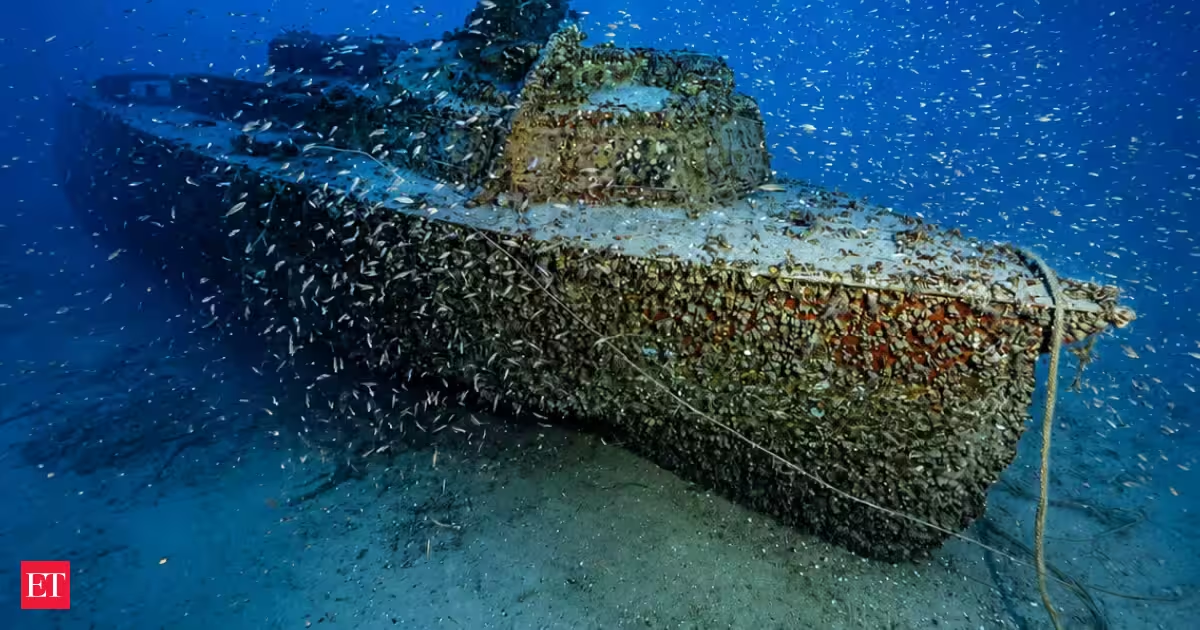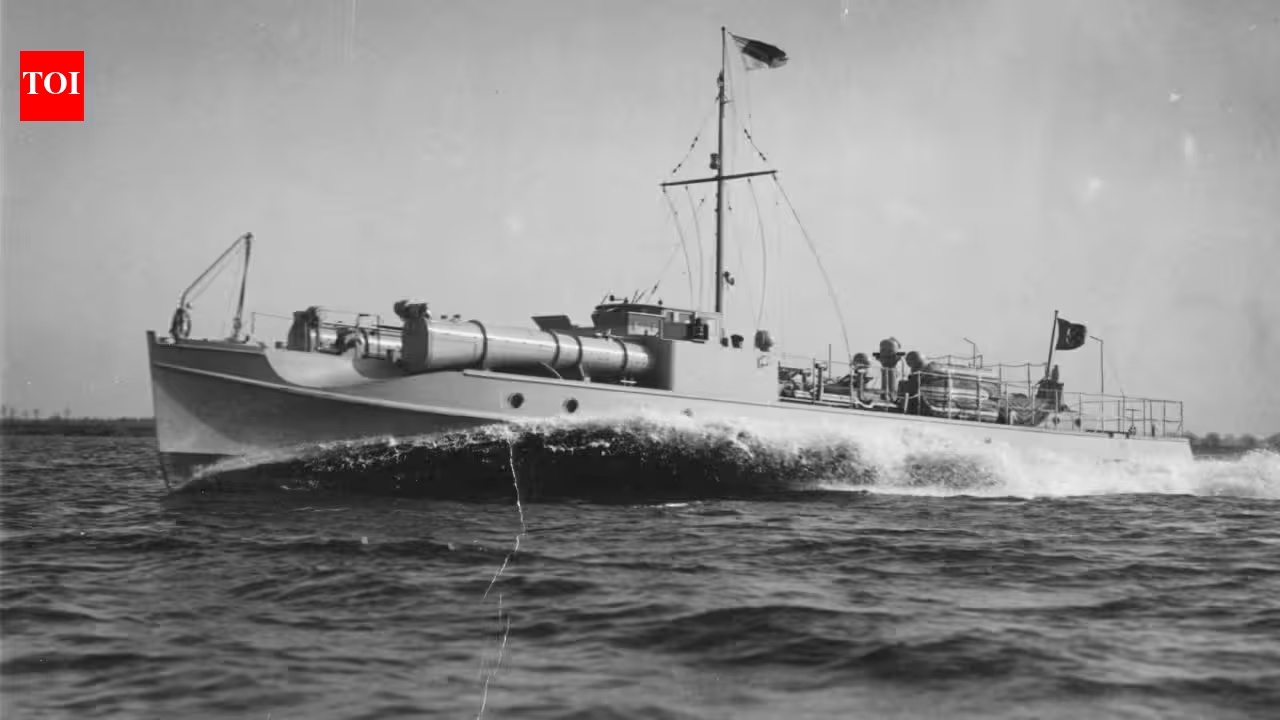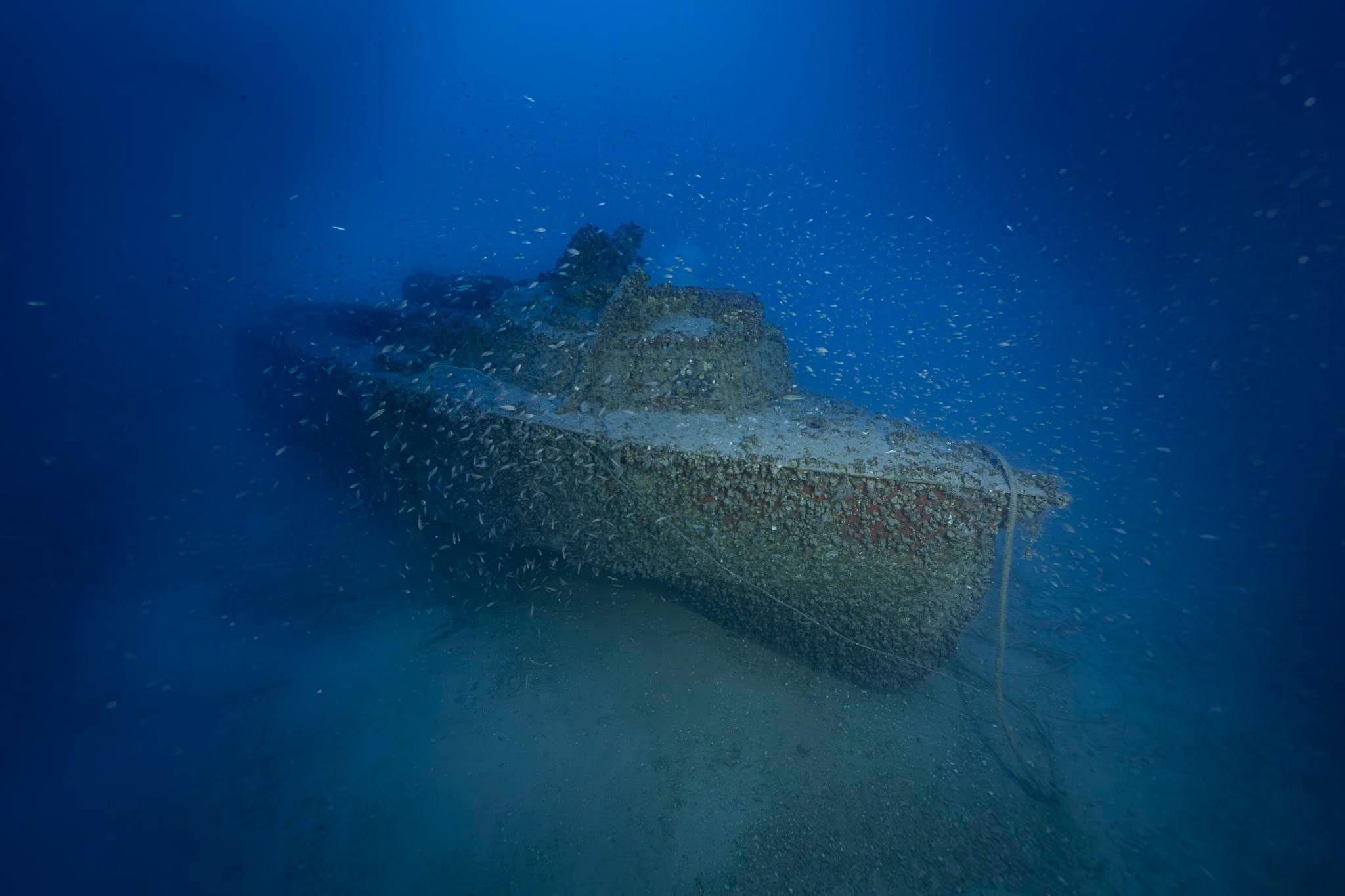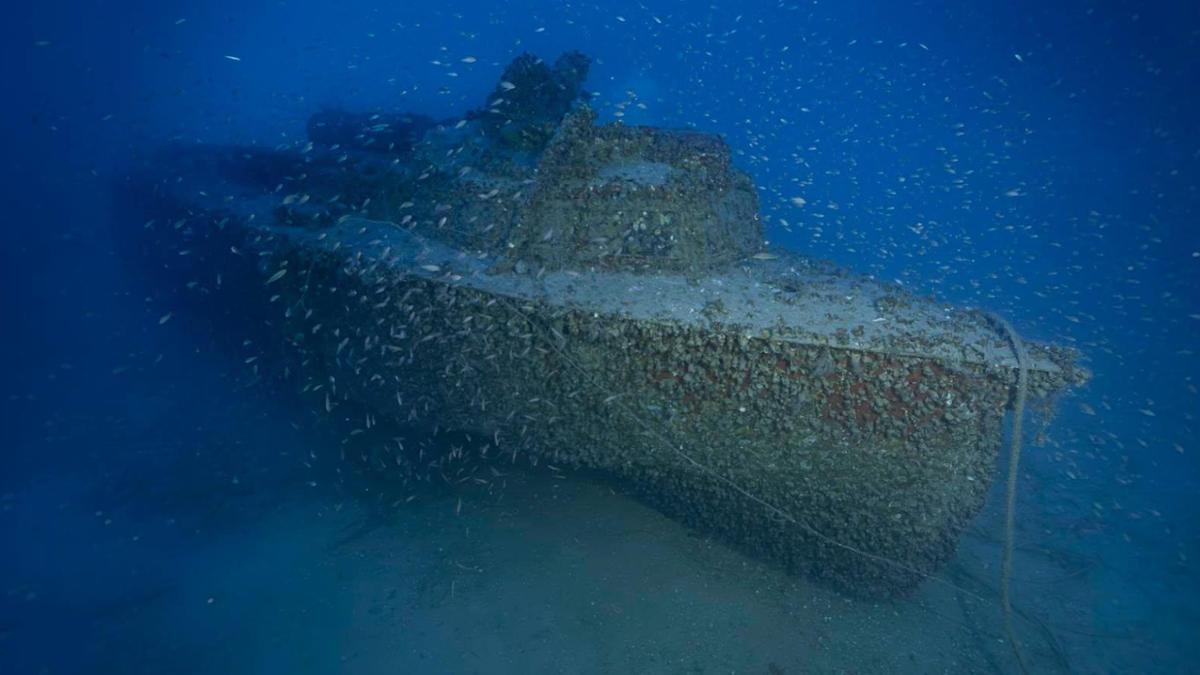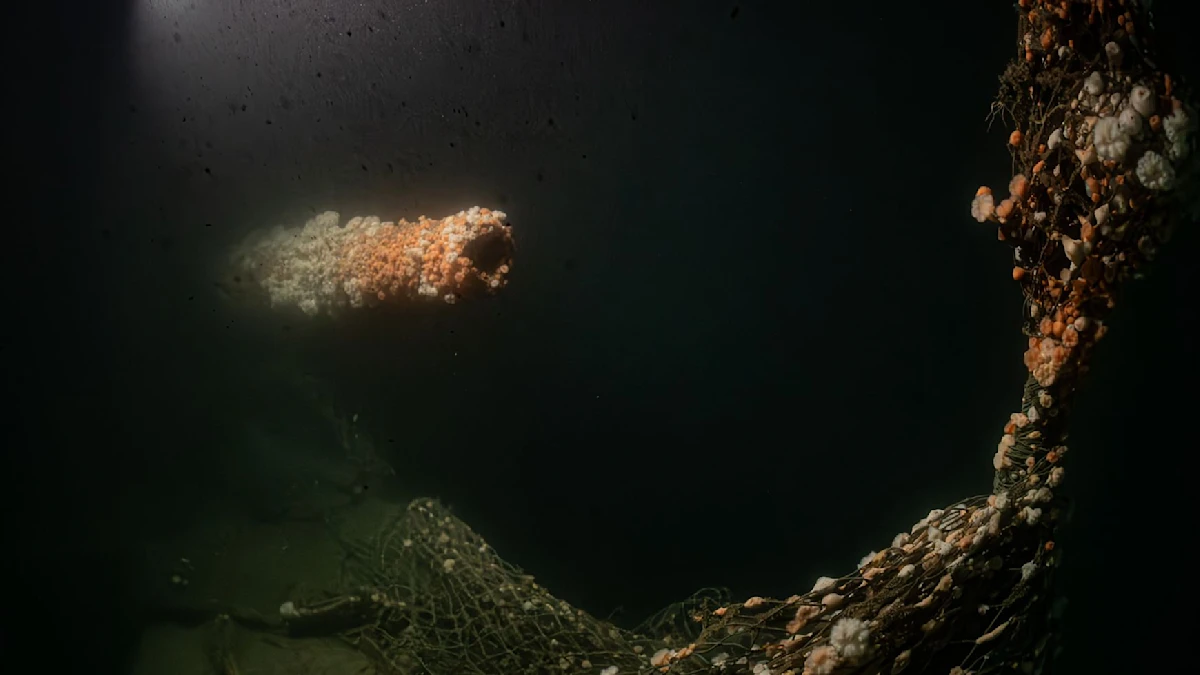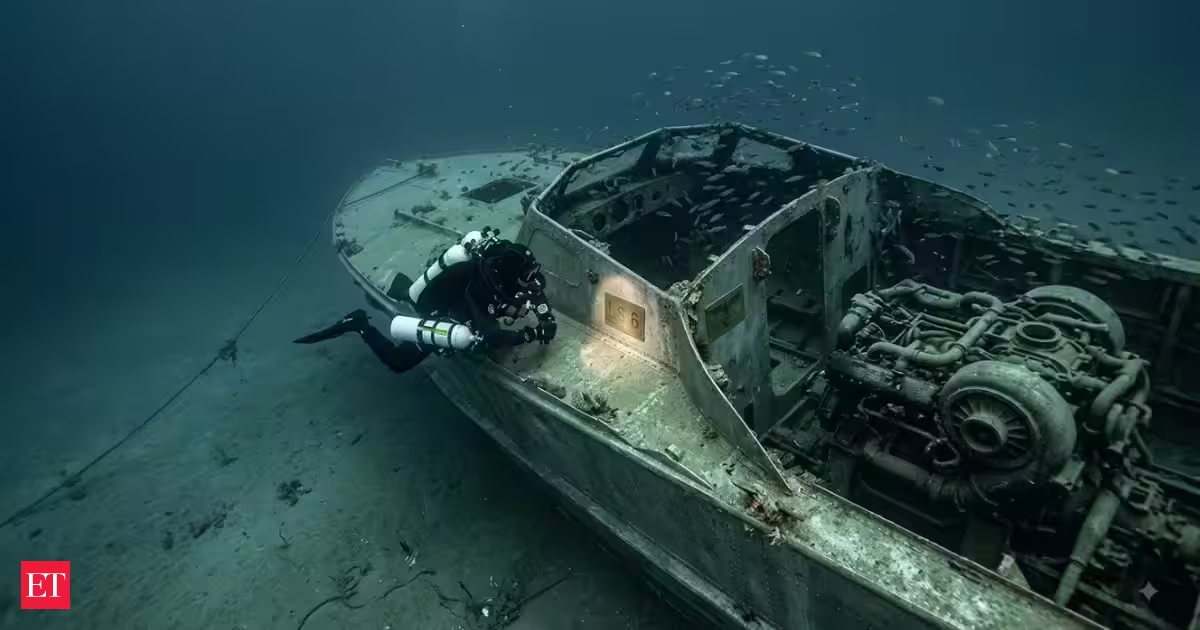
In 1943, Germany deployed a rare World War II torpedo boat. 83 years later, divers found the vessel nearly intact on the Ionian seabed, ending a decade-long search and potentially identifying the last surviving boat of its typeSynopsisGerman WWII torpedo boat discovered: Researchers located the rare German naval boat LS 6 in the Ionian Sea. This vessel sank off western Greece during September 1943. The wreck remains unusually intact after eight decades underwater. Its discovery offers a rare opportunity to examine wartime naval design.German WWII torpedo boat found (Photo: AI/Gemini)Disclaimer: This image is an AI-generated artistic illustration created for conceptual purposes.German WWII torpedo boat discovered: For more than a decade, researchers had been searching the Ionian Sea for a German naval boat that disappeared during World War II.That search has now ended. A team from AegeanTec has located the wreck of what researchers identify as Leichte Schnellboot 6, or LS 6, a rare German “Light Fast Boat” that sank off western Greece in September 1943, as per a report.The vessel lies almost upright on the sandy seabed between Lefkada and Preveza, about 96 meters (315 feet) below the surface. More than eight decades underwater have not erased many of its key features. The wreck remains unusually intact, giving historians and archaeologists a rare opportunity to examine a little-known form of World War II naval design, as per a TCD report.A search that began in 2013The hunt for LS 6 began in 2013. The search grew from records identified by German naval historian Peter Schenk, who pointed researchers toward accounts of a small Kriegsmarine boat that had been lost in the Ionian Sea while being towed.Historical researcher Giorgos Karelas later used wartime archives to narrow the search area. That work eventually led AegeanTec to the wreck.You Might Also Like:The team used closed-circuit rebreather equipment to reach the site, where the boat was found resting almost upright on the sandy seabed.Marinos AegeanTec later shared the discovery on Facebook, describing the search as a pursuit measured in years rather than meters.The wreck still carries clues to its identitySeveral features helped researchers identify the vessel. They include its Junkers Jumo engines, its dimensions and construction, and a towing cable that remains attached to the bow.You Might Also Like:Together, those details led researchers to identify the wreck as LS 6. If that identification holds, the boat would be the only known surviving example of the Leichte Schnellboot class anywhere in the world.A rare piece of wartime naval designLS 6 had a lightweight aluminum hull designed to improve speed and agility during special operations. That construction is one of the features that makes the wreck particularly significant to researchers.Because much of the vessel has survived, specialists can examine how it was built. The wreck could also help historians trace military experimentation during World War II.Its unusually intact condition after more than eight decades underwater makes those surviving details especially valuable.Archival research led divers to the wreckThe discovery is the result of years of historical research combined with technical diving.Wartime records helped researchers narrow the search, while specialized diving equipment allowed AegeanTec's team to reach the site and document what was lying on the seabed.The process shows how historical records can help locate vessels that have remained hidden underwater for decades.Read More News on(Catch all the US News, UK News, Canada News, International Breaking News Events, and Latest News Updates on The Economic Times.) Download The Economic Times News App to get Daily International News Updates....moreless
In 1943, Germany deployed a rare World War II torpedo boat. 83 years later, divers found the vessel nearly intact on the Ionian seabed, ending a decade-long search and potentially identifying the last surviving boat of its type
German WWII torpedo boat discovered: After 83 years, the German Leichte Schnellboot 6 (LS 6) was discovered nearly intact on the seabed, providing insights into WWII naval design.
579 words~3 min read